Deuteronomy 16
Kitabu ka Kanu · Tap a verse to see its cross-references.
Kəsata ka Pak
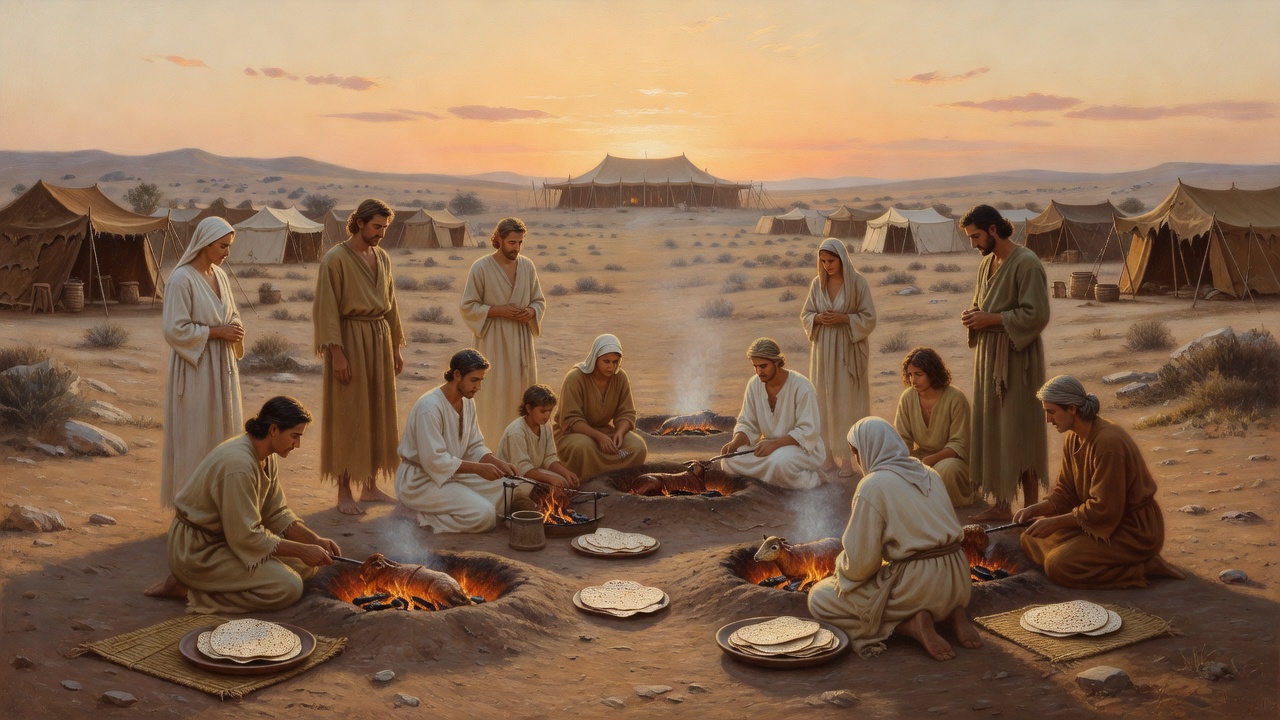
1Kɔ Musa oloku sɔ, «Məde məcleləs ŋof ŋa Abib məcbocɛ MARIKI Kanu kam kəsata ka kəcɛm-cɛməs ka Kəcepər ka mɛlɛkɛ medif. Bawo ŋof ŋa Abib ŋaŋɔkɔ ŋɔ MARIKI Kanu kam ɛnawurɛn'am atɔf ŋa Misira pibi disrɛ. 2Məloŋnɛnɛ kəleləs ka MARIKI Kanu kam yɔcɔl yam dacɔ teta kəsata kaŋkɔ wana, wir kɔ pəyɔnɛ fɛ ti aŋkesiya, nde kəfo nkɛ MARIKI endekɔyɛk-yɛk kəyɔnɛ dəkiyi dɔn mɔ. 3Kəsata kaŋkɔ disrɛ, ta məsɔm paka o paka pɔnɔŋkəl lebin, məcsɔm mata camət-mɛrəŋ disrɛ cəcom cətɔnɔŋkəl lebin, cəcom ca pucuy cɔ, ncɛ cənde kəccɛm-cɛməs əm kəbɛlkər nkɛ mənawurɛnɛ atɔf ŋa Misira mɔ. Tendesɔŋ'am kəccɛm-cɛmnɛ dɔsɔk ndɛ mənawur atɔf ŋa Misira mɔ mataka mam ma doru fəp. 4Nde atɔf ŋam disrɛ fəp mata camət-mɛrəŋ mamɔkɔ disrɛ ta lebin ndɛ o ndɛ deŋyi nde ndaram. Sɛm yɔkɔ məndekɔloŋnɛ dɔfɔy da tataka tɔcɔkɔ-cɔkɔ mɔ, ta sɛm yayɔkɔ yedirɛ haŋ dɔckɔsɔk bətbət. 5Məfɔde məcloŋnɛ poloŋnɛ teta kəsata kaŋkɔ dare o dare ndɛ MARIKI Kanu kam endesɔŋ əm kəndɛ mɔ. 6Mba kəfo kin nkɛ MARIKI Kanu kam endekɔyɛk-yɛk kəyɔnɛ dəkiyi dɔn mɔ gbəcərəm pəmar mədekɔ məcloŋnɛ poloŋnɛ papɔkɔ, dec dɔrɔfɔy kɔ dec dendekalɛ-ɛ, məsurɛnɛ dec dɔkɔ mənawur Misira mɔ. 7Məkakəl tɛsɛm poloŋnɛ pam, məsɔm pi kəfo nkɛ MARIKI Kanu kam endekɔyɛk-yɛk mɔ. Dɔckɔsɔk bətbət, məlukus nde cəbal cam. 8Mata camət-tin disrɛ məcsɔm cəcom cətɔnɔŋkəl lebin. Tataka ta camət-mɛrəŋ kəloŋkanɛ kəlpəs ka kəsata kaŋkɛ kɔ, teta pəlel pa MARIKI Kanu kam, ali tɛbəc məfɔsumpər dɔsɔk dadɔkɔ.»
Kəsata ka Mataka Moluksər
9«Məlɔm mataka moluksər camət-mɛrəŋ, mataka wəco kəcamət kəyɛfɛ tɛm ntɛ ambɛr mɛŋgbɛn kətetiya kətɛl mɔ, 10a məndebocɛ MARIKI Kanu kam kəsata ka Mataka Moluksər. Kəpocɛ nkɛ məndekɔ məcsɔŋɛ abəkəc ŋosoku pɛs mɔ, kənde kəctəŋnɛnɛ kɔ kəpocɛ pətɔt nkɛ MARIKI Kanu kam ende pəcsɔŋ əm mɔ. 11Məwoləs-woləs MARIKI Kanu kam fɔr kiriŋ, nde kəfo kaŋkɔ nkɔn MARIKI Kanu kam endekɔyɛk-yɛk kəyɔnɛ dəkiyi dɔn mɔ, kəyɛfɛ məna, wan kam wərkun kɔ wəran kəkɔ ka wəcar kam wərkun kɔ wəran, kəbəp wəLewy nwɛ endekɔyi nde ndaram mɔ, wəcikəra haŋ wan nwɛ akombəra ɔn ŋafi mɔ kɔ wəcəbokəra aŋɛ ŋayi nu dacɔ mɔ. 12Mədekɔ məccɛm-cɛmnɛ a mənayɔnɛ wəcar atɔf ŋa Misira, mədekɔ məcmɛŋkərnɛ sariyɛ sasɔkɔ məcəmɛ sɔ si darəŋ.»
Kəsata ka Ŋgbancan
13«Kɔ mədekɔ məcboc kəsata ka Cəlɛŋgbɛ mata camət-mɛrəŋ disrɛ kɔ məlip kəsɛpər yɛtɛl yam kɔ kəfɔcəs wɛn wam-ɛ. 14Məwoləs-woləs kəsata kaŋkɔ disrɛ kəyɛfɛ məna, wan kam wərkun kɔ wəran kəkɔ wəcar kam wərkun kɔ wəran, kəbəp ka wəLewy kɔ wəcikəra haŋ wan nwɛ akombəra ɔn ŋafi mɔ, kɔ wəcəbokəra aŋɛ ŋayi nde ndaram mɔ. 15Mədekɔ məcbocɛ MARIKI Kanu kam kəsata mata camət-mɛrəŋ disrɛ nde kəfo kaŋkɔ MARIKI endekɔyɛk-yɛk mɔ. Bawo MARIKI Kanu kam endekɔpoc'am pətɔt dəyɛtɛl yam kɔ yɛbəc ya waca wam fəp, məyinɛ oŋ pəbotu yati.
16Kəmaas kəren disrɛ pəmar arkun aka Yisrayel ŋakɔ ŋamentərnɛ MARIKI Kanu kam fɔr kiriŋ nde kəfo kaŋkɔ endekɔyɛk-yɛk mɔ: Tɛm ta kəsata ka Cəcom cətɔnɔŋkəl lebin, ta kəsata ka Mataka Moluksər, ta kəsata ka Cəlɛŋgbɛ. Afɔmentərnɛ MARIKI fɔr kiriŋ waca wɔsɔkər. 17Nwɛ o nwɛ pəsɔŋ pɔkɔ ɛntam mɔ, pətəŋnɛnɛ pa kəpocɛ pətɔt nkɛ MARIKI Kanu kam kəsɔŋ əm mɔ.»
Sariyɛ sa kəkɔtɛnɛ kiti
18«Mədekɔ məccəmbər aboc kiti kɔ atubuc mes nde sədare nsɛ MARIKI Kanu kam endekɔsɔŋ əm mɔ fəp, dəcusuŋka kɔ dəcusuŋka. Ŋadekɔ ŋacbocɛ aka Yisrayel kiti kance kəlompu disrɛ. 19Ta məkafəli kiti. Ta məcəmɛnɛ nwɛ o nwɛ, ta məwosɛ sɔ kəbaŋ kəpocɛ kəgbɔpnɛ, bawo kəsɔŋɛ fɔr ya acərɛ kəkɔtɛnɛ mes kətɔnəŋk kance, kəsɔŋɛ fum kəgbaymɛ moloku ma alompu. 20Məsektərnɛ kəcəmɛ pəlompu pa kance darəŋ, ntɛ tɔŋsɔŋ'am kəyi doru, məkɔ sɔ məbaŋ atɔf nŋɛ MARIKI Kanu kam kəsɔŋ əm mɔ.»
Mɔyɔ mmɛ amɔnɛ mɔ
21«Ta mədɔf ali togbu pin potontnɛ mpɛ aŋwenɛ tolom ta Asera mɔ, ali kətɔk kin ta məcəmbər dəndo tetek toloŋnɛ MARIKI Kanu kam kəsək, tetek toloŋnɛ mpɛ məndelompsɛ Kanu kam mɔ. 22Məfɔdekɔdɔf tasar pɛcəmbər potontnɛ, MARIKI Kanu kam kənter tɔyɔ tatɔkɔ.»
Did you know?
Appointed Feasts and Righteous Justice
- Deuteronomy mandates three annual pilgrimage festivals—the Feast of Unleavened Bread (Passover), the Feast of Weeks, and the Feast of Tabernacles. For these occasions, the men of Israel were required to travel and appear before God not in their local towns, but at the specific central location chosen as a dwelling for His Name.Sources: the Bible text itself
- The celebrations of the Feast of Weeks and the Feast of Tabernacles explicitly included vulnerable members of society, such as servants, Levites, foreigners, orphans, and widows. These communal rejoicings were tied to the memory of Israel's liberation from slavery in Egypt.Sources: the Bible text itself
- In addition to religious assemblies, the text commands the appointment of local judges and officials across every town. They were forbidden from taking bribes or showing partiality, establishing the standard to pursue justice alone throughout the land.Sources: the Bible text itself
Notes written with AI assistance from open sources (Theographic Bible Metadata, CC BY-SA 4.0; Easton’s Bible Dictionary, public domain) and reviewed before publishing.
Places in this chapter
Only places identified with high confidence are shown (90% or more according to the scholarly sources compiled by OpenBible). Period map: DARE (Digital Atlas of the Roman Empire), CC BY 4.0; modern map: © OpenStreetMap contributors; places: OpenBible.info (CC BY 4.0).
Credits and license for this translation
Kitabu ka Kanu
Portions of the Holy Bible in the Baga Sitemu language of Guinea
Des portions de la Sainte Bible dans la langue Baga Sitemu de Guinée
copyright © 2015 Pioneer Bible Translators
Language: Baga Sitemu
Translation by: Traducteurs Pionniers de la Bible
Contributor: Pioneer Bible Translators
This translation is made available to you under the terms of the
Creative Commons Attribution Share-Alike license 4.0.
You have permission to share and redistribute this Bible translation in any format and to make reasonable revisions and adaptations of this translation, provided that:
You include the above copyright and source information.
If you make any changes to the text, you must indicate that you did so in a way that makes it clear that the original licensor is not necessarily endorsing your changes.
If you redistribute this text, you must distribute your contributions under the same license as the original.
Pictures included with Scriptures and other documents on this site are licensed just for use with those Scriptures and documents.
For other uses, please contact the respective copyright owners.
Note that in addition to the rules above, revising and adapting God's Word involves a great responsibility to be true to God's Word. See Revelation 22:18-19.
2025-04-29
Source: http://ebible.org/bsp/ · eBible.org