Romans 16
Dios oca gotirituti · Tap a verse to see its cross-references.
Pablo ĩ quẽnaroticõare queti
1Febe vãme cʉtigore mʉa tʉ sore cõagʉ̃ yaja yʉ. Dios sʉorine Cristore ajitirʉ̃nʉgõ ñaamo so. Cristore ajitirʉ̃nʉrã Cencrea vãme cʉti macana rãca Diore moabosarimaso ñaamo so. 2Sone ñaamo jãjarã Cristore ajitirʉ̃nʉrãre quẽnaro ejarẽmorio. Yʉre quẽne ejarẽmorũgũmo. To bajiri mʉa tʉ so ejaro, “Mani ʉjʉre ajitirʉ̃nʉgõ ñaamo so quẽne” yimasirã ñari, so bojase cõro sore yirẽmoña, “Cristore ajitirʉ̃nʉrã ñaja mani” yirã.
3Yʉre bajiro Jesucristo ocare gotimasiorã ñacana, Prisca, so manajʉ Aquila, quẽnato ĩna. 4“Ĩre mani ejarẽmojama, manire quẽne sĩarãma” yimasiboarine, yʉre ĩna sĩaborotire yirẽtobosacama ĩna. To bajiri, “Quẽnaro yʉre yicajʉ mʉa”, ĩnare yiucacõaja yʉ. Yʉ sĩgʉ̃ mere, “Quẽnaro yirã yicajʉ mʉa”, ĩnare yaja yʉ. Yʉ sĩgʉ̃ me to bajiro mʉare yicõaja yʉ. Jud'io masa me, tocãrãca macariana Cristore ajitirʉ̃nʉrã quẽne, yirũgũama. 5Quẽnato Cristore ajitirʉ̃nʉrã Aquila ya vi rẽjarũgũrã. Quẽnato yʉ maigʉ̃, Epeneto quẽne. Ĩ ñaami Asia sitagʉ Cristore ajitirʉ̃nʉsʉor'i. 6Mar'ia, quẽnato, bʉto mʉare ejarẽmorio quẽne. 7Yʉ yarã, Andrónico, Junias quẽne quẽnato. Ĩna rãca tubiberiavijʉ ñacajʉ yʉ. Ĩna ñacama yʉ rĩjoro Cristore ajitirʉ̃nʉsʉoriarã. Cristo ocare ajitirʉ̃nʉrã ĩna cõarã rẽtoro quẽnaro yicudiyuma ĩna.
8Quẽnato yʉ maigʉ̃ Ampliato quẽne. Mani ʉjʉre ajitirʉ̃nʉgʉ̃ ĩ ñajare, ĩre bʉto maiaja yʉ. 9Gãji, yʉre bajiro Cristo ocare gotimasiogʉ̃, Urbano vãme cʉtigʉ, quẽnato. To bajicõari, yʉ maigʉ̃ Estaquis quẽne, quẽnato. 10Apeles quẽne, quẽnato. Rojose tãmʉoboarine, Cristore ajitirʉ̃nʉcõa ñacami. Aristóbulo, to yicõari ĩ ya viana quẽne, quẽnato. 11Yʉ yʉ Herodión quẽne, quẽnato. Mani ʉjʉ Cristore ajitirʉ̃nʉrã Narciso ya viana, quẽnato. 12Trifena, to yicõari, Trifosa quẽne quẽnato. Mani ʉjʉ Cristore bʉto moabosarimasa ñaama. Mani maigõ Pérsida quẽne, quẽnato. So quẽne, mani ʉjʉ Cristore bʉto moabosacamo. 13Rufo quẽne quẽnato. Cristore quẽnaro ajitirʉ̃nʉgʉ̃ ñacami. Ĩ jaco quẽne quẽnato. Sone ñacamo, yʉ jacore bajiro yʉre maicaco. 14To yicõari, As'incrito, Flegonte, Hermes, Patrobas, Hermas, ĩna rãcana quẽne, Cristore ajitirʉ̃nʉrã jediro quẽnato. 15Filólogo, Julia, Nereo, to yicõari, ĩ bedeo quẽne, quẽnato. Olimpas, to yicõari, ĩna rãcana Cristore ajitirʉ̃nʉrã jediro quẽnato.
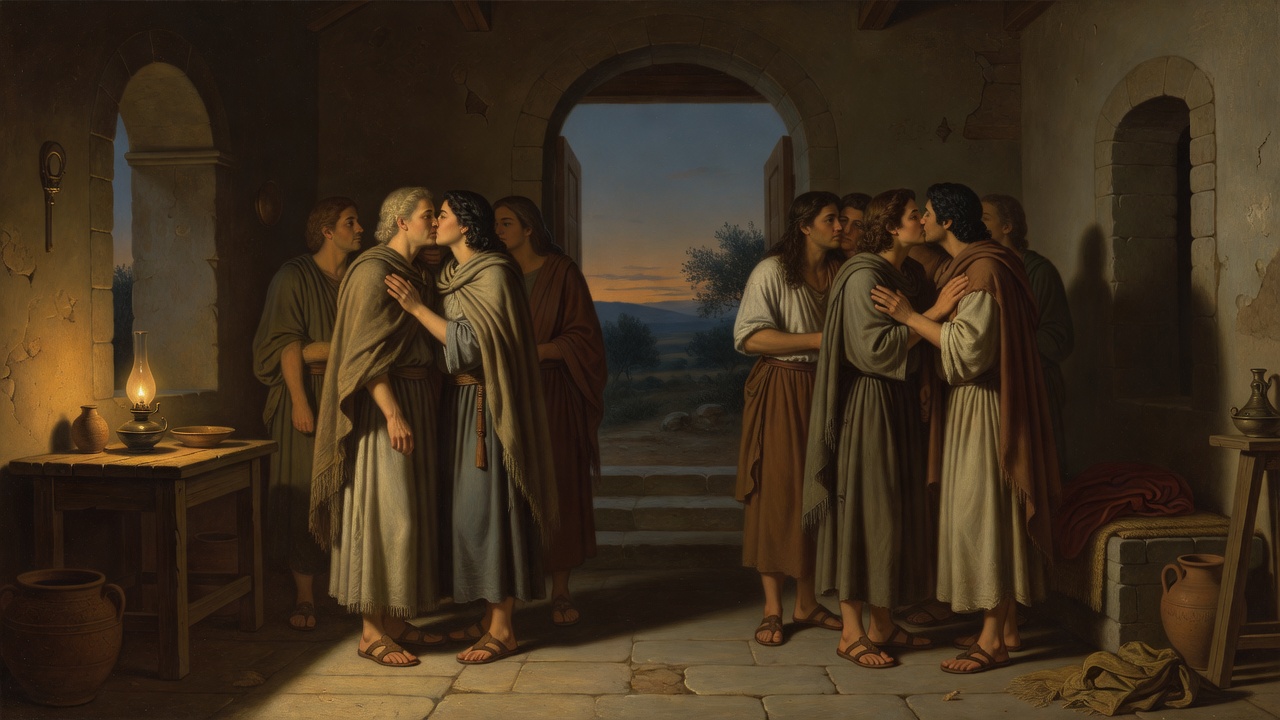
16Cristo sʉorine cojo masare bajiro bajirã ñari, quẽnaro gãmerã yisẽniĩa, yiñaña mʉa. Adoana, Cristo ocare ajitirʉ̃nʉrã jediro, mʉare quẽnaroticõama ĩna.
17Yʉ mairã, gajeye ado bajiro mʉare gotimasioaja yʉ: Mʉa rãcana sĩgʉ̃ri ricati ĩna gotijare, sĩgʉ̃re bajiro tʉoĩamenaja mʉa. Cristo oca mʉa ajiriarore bajiro me bajiaja ĩna yisema. To bajiri ĩnare cãmotadicõaña. 18Mani ʉjʉ Cristo ĩ bojasere yirã me ñarãma ĩna. Ĩna tʉoĩarore bajiro yirã ñari, socarãne quẽnaro gotitorãma. To bajiri socase ĩna gotisere ajitirʉ̃nʉrãma, quẽnaro tʉoĩamasimena. 19Mʉarema, ĩnare bajiro mʉa bajibetijare, “Ĩna ʉjarãre quẽnaro cʉdirã ñaama”, yama masa, mʉare. To bajiro mʉa bajisere ajivariquẽnaja yʉ. To bajiri, quẽnase rĩne mʉa yisere bojaja yʉ. 20Quẽnaro mani ñarotire cõagʉ̃ ñaami Dios. To bajiro yigʉ ñari, vãtia ʉjʉre ĩre cʉdaabogʉre bajiro yirʉcʉmi, “Socarimasa ĩna gotiboasere ajibeticõato ĩna” yigʉ. To bajiri, “Quẽnaro ĩnare yiya” mani ʉjʉ Jesucristore mʉare yisẽnibosaja yʉ.
21Yʉ baba, Cristo ocare gotimasiogʉ̃, Timoteo vãme cʉtigʉ, mʉare quẽnarotiami. Yʉ yarã Lucio, Jasón, Sos'ipate quẽne, mʉare quẽnarotiama.
22Yʉ Tercio, Pablo ĩ rotirore bajiro adi paperare ucabosagʉ quẽne, mani ʉjʉ Cristore ajitirʉ̃nʉgʉ̃ ñari, mʉare quẽnarotiaja yʉ.
23Gayo quẽne, mʉare quẽnarotiami. Ĩ ya vijʉne ñacõari, Cristore ajitirʉ̃nʉrã rẽjarũgũaja. Erasto adi macajʉre gãjoa codebosarimasʉ quẽne, mʉare quẽnarotiami. Cristo sʉorine mani yʉ, Cuarto vãme cʉtigʉ quẽne, “Quẽnato”, mʉare yami.
24To bajiri, “Quẽnaro ĩnare yiya”, mani ʉjʉ Jesucristore mʉare yisẽnibosaja yʉ. To bajirone bajiato.
“Diore rʉ̃cʉbʉo variquẽnato mani”, yire queti
25Diore rʉ̃cʉbʉorã ñari, “Quẽnaro yigʉ ñaami. Rẽtoro masigʉ̃ ñaami”, Diore yirʉ̃cʉbʉoroti ñaja. Ĩ ocare quẽnaro mʉa ajitirʉ̃nʉjama, “Manire ejarẽmogʉ̃mi Cristo” mʉa yitʉoĩarotire cõarʉcʉmi Dios. Ĩ ocare gotimasiorũgũaja yʉ, masa rojose ĩna tãmʉoborotire Cristo ĩ yirẽtobosarere. Tirʉ̃mʉjʉma ti ũnire gotimasio ecobesuja maji. 26To bajiboarine, Diore gotirẽtobosariarã ĩna ucamasirere ajicõari, “To bajise bajirotire gotiro yaja”, yimasibesuma. Adirʉ̃mʉrirema, “‘Cristo ĩ rijabosare ti ñajare, “Quẽnarã ñaama”, manire yiĩagʉ̃mi Dios’, masa jediro yʉre yimasiato” yigʉ, ti oca mani ajimasirotire manire cõañumi Dios, adi macarʉcʉrojʉ ñacõa ñarũgũgʉ̃.
27Ĩ ñagʉ̃mi jediro masigʉ̃. Gãji ĩre bajiro bajigʉ magʉ̃mi. Jesucristo manire ĩ codese sʉorine ĩre yirʉ̃cʉbʉo variquẽnacõa ñato mani. To bajirone bajiato.
To cõrone ñaja.
Did you know?
Greetings to the church in Rome
- Paul commends Phoebe, a servant of the church in Cenchrea, and asks the recipients in Rome to welcome her and help her with whatever she needs, because she has been a great help to many people, including him. Cenchrea was the eastern harbor of Corinth, about nine miles east of the city and the outlet for its trade with the Asiatic shores of the Mediterranean; Easton's Bible Dictionary (1897) says she was probably the bearer of this letter.Sources: the Bible text itself · Phebe · Cenchreae
- Paul greets Prisca and Aquila, his fellow workers in Christ Jesus, who risked their lives for him, and also the church that meets in their house; he says that not only he but all the churches of the Gentiles are grateful to them. Easton's Bible Dictionary (1897) calls her Priscilla and describes Aquila as a tent-maker from Pontus who, with his wife, left Rome because of a decree of Claudius in A.D. 50 commanding all Jews to leave the city; her name sometimes comes before his, as it does here.Sources: the Bible text itself · Priscilla · Aquila
- Near the close, Tertius, who wrote the letter down, adds his own greeting. Gaius, who has hosted Paul and all the church, also sends greetings, as do Erastus, the city treasurer, and Quartus.Sources: the Bible text itself
Notes written with AI assistance from open sources (Theographic Bible Metadata, CC BY-SA 4.0; Easton’s Bible Dictionary, public domain) and reviewed before publishing.
Places in this chapter
Only places identified with high confidence are shown (90% or more according to the scholarly sources compiled by OpenBible). Period map: DARE (Digital Atlas of the Roman Empire), CC BY 4.0; modern map: © OpenStreetMap contributors; places: OpenBible.info (CC BY 4.0).
Credits and license for this translation
Dios oca gotirituti
New Testament in Barasana-Eduria (CO:bsn:Barasana-Eduria)
copyright © 2010 Wycliffe Bible Translators, Inc.
Language: Barasana-Eduria
Translation by: Wycliffe Bible Translators, Inc.
Copyright Information
© 2010, Wycliffe Bible Translators, Inc. All rights reserved.
This translation text is made available to you under the
terms of the Creative Commons License: Attribution-Noncommercial-No Derivative Works.
( http://creativecommons.org/licenses/by-nc-nd/3.0/ )
In addition, you have permission to port the text to different file formats, as long as you
do not change any of the text or punctuation of the Bible.
You may share, copy, distribute, transmit, and extract portions
or quotations from this work, provided that you include the above copyright
information:
You must give Attribution to the work.
You do not sell this work for a profit.
You do not make any derivative works that change any of the actual words or punctuation of the Scriptures.
Permissions beyond the scope of this license may be
available if you contact
us with your request.
The New Testament
in Barasana-Eduria
© 2010, Wycliffe Bible Translators, Inc. All rights reserved.
This translation is made available to you under the terms of the
Creative Commons Attribution-Noncommercial-No Derivatives license 4.0.
You may share and redistribute this Bible translation or extracts from it in any format, provided that:
You include the above copyright and source information.
You do not sell this work for a profit.
You do not change any of the words or punctuation of the Scriptures.
Pictures included with Scriptures and other documents on this site are licensed just for use with those Scriptures and documents.
For other uses, please contact the respective copyright owners.
2014-04-22
Source: http://ebible.org/bsnNT/ · eBible.org