Revelation 2
Dios oca gotirituti · Tap a verse to see its cross-references.
Efeso macanare Juan ĩ ucacõare queti
1Quẽna ado bajiro yʉre yicami yʉre ruyuaĩocacʉ:
—Efeso vãme cʉti macana yʉre ajitirʉ̃nʉrãre ũmato ñagʉ̃re ado bajiro ucaya: “Adi mʉare yʉ ucase, ado bajiro bajigʉ mʉare ĩ gotise ñaja: Ĩ ãmo riojojacatʉa cojomo cõro jʉa jẽnituarirãcʉ ñocoa cʉogʉ, cojomo cõro jʉa jẽnituarirãca sĩabusuoriabajari jeoriajʉrire ĩatirʉ̃nʉrũgũgʉ̃ ñaami. Yʉre ruyuaĩocõari, yʉre ĩ goticatire ĩre ucacõabosagʉ yaja yʉ”, yiucaya —yicami.
To yicõari, ado bajiro mʉare goticami: 2—Jediro mʉa yisere masiaja yʉ. “Mani ʉjʉre ajitirʉ̃nʉato gãjerã” yirã, josari mʉa moarũgũsere masiaja yʉ. Gãjerã rojose ĩna yiboajaquẽne, yʉre mʉa ajitirʉ̃nʉ tʉjabetire masiaja. Rojose yirãre mʉa ĩavariquẽnabetire quẽne masiaja. “Cristo ocare riojo gotimasiorã ñaja yʉa” yirãre ajicõĩacõari, “Socarimasa ñaja mʉa” ĩnare mʉa yigoticatire quẽne masiaja yʉ. 3Gãjerã rojose mʉare ĩna yiboajaquẽne, yʉre ajitirʉ̃nʉcõa ñaja mʉa. Yʉre ajitirʉ̃nʉrã mʉa ñajare, rojose mʉare yama. To bajiro ĩna yiboajaquẽne, yʉre ajitirʉ̃nʉ tʉjabeaja mʉa. 4To bajiro mʉa bajiboajaquẽne, cojo vãme ado bajiro mʉa bajisere ĩavariquẽnabeaja yʉ: Yʉre ajitirʉ̃nʉsʉorã, mʉa maicato cõro yʉre maibeaja mʉa yuja. 5Yʉre mʉa ajitirʉ̃nʉsʉocatire tʉoĩacõari, quẽna yʉre mʉa ajitirʉ̃nʉsʉocatore bajiro tudiajitirʉ̃nʉña. To bajiro mʉa bajijama, yʉ bojabetire yitʉjacõari, yʉ bojasejʉare yirʉarãja mʉa quẽna. To bajiro mʉa yibetijama, mʉa sĩabusuoriabaja jeoriajʉre ẽmagʉ̃ ejarʉcʉja yʉ. 6Yʉre mʉa maibetibʉsasere ĩavariquẽnabetiboarine, adi vãme mʉa yisere ĩavariquẽnaja yʉ: Nicolás vãme cʉtigʉre ajisʉyarã, rojose ĩna yisere ĩateaja mʉa. Yʉ quẽne, tire ĩateaja. 7Esp'iritu Santo ĩ ejarẽmose rãca ñamasusere mʉare yʉ gotirotire mʉa ajimasirʉajama, quẽnaro ajiya mʉa, gaje macariana yʉre ajitirʉ̃nʉrã jediro: Yʉre ajitirʉ̃nʉ tʉjabetirona, yucʉ́ caticõa ñarotiaye rica cʉtiʉ ricare barona ñarʉarãma. Dios ya vese quẽnarivesejʉre ñaja tiʉ —mʉare yigoticami yʉre ruyuaĩocacʉ.
Esmirna vãme cʉti macanare Juan ĩ ucacõare queti
8Gajeye ado bajiro yʉre yicami yʉre ruyuaĩocacʉ:
—Esmirna vãme cʉti macana yʉre ajitirʉ̃nʉrãre ũmato ñagʉ̃re ado bajiro yʉre ucacõabosaya: Tire mʉare goticacʉ, ñajediro ti ruyuaroto rĩjorojʉ ñamasir'i, to bajicõari, ñajediro ti yayiro berojʉ quẽne ñacõa ñarũgũrocʉ ñaami. Rijacoaboarine, tudicaticõari, rijarocʉ me ñaami. Ado bajiro mʉare goticami:
9—Gãjerã rojose mʉare ĩna yijare, rojose mʉa tãmʉosere masiaja yʉ. Ñie mana mʉa ñasere masiaja. To bajiro bajirã ñaboarine, Dios mʉare ĩ ʉjore ñajare, gajeyeũni jairãre bajiro ĩ ye quẽnamasuse jediro cʉorã ñaja mʉa, ĩ macʉre mʉa ajitirʉ̃nʉ tʉjabetirotire yirã. “Jud'io masa ñari, Dios rĩa ñaja yʉa” yitʉoĩaboarã, masa ĩna ĩaro rĩjorojʉa, “Rojose yima” socarãne mʉare ĩna yirosere ajiaja yʉ. To bajiro yirorã, Dios ĩ bojasere yirã me ñaama. Vãtia ʉjʉ, Satanás ĩ bojasejʉare yirã ñaama. 10Rojose mʉare ĩna yirotire tʉoĩagüibesa. “Sĩgʉ̃ri, tubiberiavijʉ tubibe ecoato ĩna” yigʉ, mʉare yirʉcʉmi Satanás. “Cristore ajitirʉ̃nʉ tʉjato” yigʉ, to bajiro mʉare yirʉcʉmi. To ĩ yiroti ñajare, jʉaãmo cõro ñarirʉ̃mʉri rojose tãmʉorʉarãja mʉa. Rojose tãmʉoboarine, yʉre ajitirʉ̃nʉ tʉjabesa. Mʉare ĩna sĩaroti ti ñaboajaquẽne, yʉre ajitirʉ̃nʉ tʉjabesa. To bajiro mʉa bajijama, “Rijacoaboarine, quẽna tudicaticõari, rijarona me ñato” yigʉ, mʉare yirʉcʉja yʉ. 11Esp'iritu Santo ĩ ejarẽmose rãca ñamasusere mʉare yʉ gotirotire mʉa ajimasirʉajama, quẽnaro ajiya mʉa, gaje macariana yʉre ajitirʉ̃nʉrã jediro: Yʉre ajitirʉ̃nʉcõa ñarũgũronama, rojose tãmʉotʉjabetiriarojʉ yʉ rearona rãca vabetirʉarãma —mʉare yigoticami, yʉre ruyuaĩocacʉ.
Pérgamo vãme cʉti macanare Juan ĩ ucacõare queti
12Gajeye ado bajiro yʉre yicami yʉre ruyuaĩocacʉ:
—Pérgamo vãme cʉti macana yʉre ajitirʉ̃nʉrãre ũmato ñagʉ̃re ado bajiro yʉre ucacõabosaya: Jʉajacatʉajʉne bʉjarijãi jariase cʉocacʉ, ado bajiro mʉare goticami:
13—Ti macajʉ mʉa bajirũgũsere masiaja yʉ. Ti maca ñaja Satanás ĩ ñavariquẽnari maca. Ti macana jediro, “Satanáre rʉ̃cʉbʉorã yaja” yimasibetiboarine, ĩre cʉdirã vatoajʉ mʉa bajisere masiaja yʉ. Sĩgʉ̃ mʉa rãca ñaboacacʉ, Antipas vãme cʉtigʉre, ĩre ĩna sĩacatire masiaja yʉ. “Cristo ocajʉare ajitirʉ̃nʉroti ñaja” ĩ yitʉjabetijare, ĩre sĩacama. Ĩre ĩna sĩaboajaquẽne, yʉre ajitirʉ̃nʉ tʉjabeticajʉ mʉa. To bajiro mʉa bajicõa ñasere masiaja yʉ. 14To bajiro mʉare quẽnaro yiboarine, ado bajiro mʉa yisejʉare ĩavariquẽnabeaja yʉ: Mʉa rãcana sĩgʉ̃ri, Balaam vãme cʉticacʉ, Balac vãme cʉticacʉre ĩ gotimasiocatire ajisʉyacanare bajiro yama ĩna. Ado bajiro gotimasiocami Balaam, Balac vãme cʉtigʉre gotigʉ: “Israelita masare rojose mʉ yirorʉajama, ʉ̃mʉare ado bajise rojose yi ocasãña: ‘Yʉa quẽnor'ire rʉ̃cʉbʉorã vaibʉcʉre sĩacõari, ĩ tʉjʉ yʉa cũrʉare riire mʉa bajaquẽne, quẽnarʉaroja. To yicõari, yʉa yarã rõmia rãca mʉa ajeriarã cʉtijaquẽne, quẽnarʉaroja ti’ ĩnare yi ocasãña”, yigotimasiocami Balaam. 15Gãjerã rojose yirã quẽne, Nicolás vãme cʉtigʉre ajisʉyarã ñaama sĩgʉ̃ri ĩna rãcana. 16To bajiri, Nicoláre ajisʉyarãre, to yicõari, Balaam ĩ gotimasiocatire ajisʉyacanare bajiro yirãre ajibeticõaña. Ĩnare mʉa ajitirʉ̃nʉcõa ñajama, mʉa tʉjʉ ejacõari, rojose mʉa yise vaja, jariase yʉ risejʉ budirijãi, jʉajacatʉajʉne bʉjarijãi rãca mʉare rojose yirʉcʉja yʉ. 17Esp'iritu Santo ĩ ejarẽmose rãca ñamasusere mʉare yʉ gotirotire mʉa ajimasirʉajama, quẽnaro ajiya mʉa, gaje macariana yʉre ajitirʉ̃nʉrã jediro: Yʉre ajitirʉ̃nʉ tʉjabetironare maná vãme cʉtise yayiorojʉ ñare bare ĩnare ecarʉcʉja yʉ. To yicõari, tocãrãcʉrene gʉ̃tari botiricari ĩnare ĩsirʉcʉja, mame vãme ucaturiarire. Ñimʉjʉane tiarijʉre ucaturere ĩamasibetirʉcʉmi. Tiarire boca juarã rĩne masirʉarãma —mʉare yigoticami yʉre ruyuaĩocacʉ.
Tiatira macanare Juan ĩ ucacõare queti
18Gajeye ado bajiro yʉre yicami yʉre ruyuaĩocacʉ:
—Tiatira vãme cʉti macana, yʉre ajitirʉ̃nʉrãre ũmato ñagʉ̃re ado bajiro yʉre ucacõabosaya: Adi mʉare yʉ ucase, ado bajiro bajicacʉ mʉare ĩ goticati ñaja: Dios macʉ, ĩ cajeari jea ʉ̃jʉsere bajiro yaacacʉ ñacami. To bajicõari, cõme, bronce vãme cʉtise jeamejʉ soecõari, ĩna gosiose bʉto yaasere bajiro gʉbori cʉticacʉ ñacami. To bajigʉ ñagʉ̃, ado bajiro mʉare goticami:
19—Jediro ĩna yisere masiaja yʉ. Mʉa gãmerã maisere masiaja yʉ. Yʉre mʉa ajitirʉ̃nʉsere quẽne masiaja. “Quẽnabʉsaro ĩre ajitirʉ̃nʉto mani” yirã, mʉa gãmerã ejarẽmosere quẽne masiaja. Gãjerã rojose mʉare ĩna yiboajaquẽne, yʉre mʉa ajitirʉ̃nʉcõa ñasere quẽne masiaja. Tirʉ̃mʉjʉ yʉre ajitirʉ̃nʉsʉorãjʉ quẽnaro mʉa yicati rẽtoro quẽnaro yirũgũaja mʉa, adirʉ̃mʉrirema. Ti jedirorene masiaja yʉ. 20To bajiro quẽnaro mʉa yise ti ñaboajaquẽne, ado bajise mʉa yisejʉare ĩavariquẽnabeaja yʉ: Mʉa tʉago Jezabel vãme cʉtigo socase so gotimasiosere ajicõari, “Soco yaja mʉ. Gotimasiobeticõaña mʉ”, sore yibeaja mʉa. “Cristo oca riojo gotimasiogõ ñaja yʉ” yitocõari, so gotimasiose sʉorine yʉ bojase yirã ñaboarã, ado bajiro rojose yama: Ajeriarã cʉtirã ñaama. To bajicõari, gãjerã ĩna quẽnor'ire rʉ̃cʉbʉorã vaibʉcʉre sĩacõari, ĩ tʉjʉ ĩna cũrʉare riire barã ñaama. 21To bajiro rojose so yisere yitʉjacõari, yʉ bojasejʉare so yirotire yoaro yubʉsacõaboaja yʉ. Ajeriarã cʉti tʉjarʉabeamo so. 22To bajiro so bajicõa ñajare, “Cãnijesariaro joejʉ so ajeriarã cʉtirã rãca, so cãnirũgũriajʉ joene bʉto rojose tãmʉoato” yigʉ, yirʉcʉja yʉ. So rãca ajeriarã cʉtirãre quẽne to bajirone yirʉcʉja yʉ. Yucʉne rojose ĩna yisere yitʉjacõari, yʉ bojasejʉare ĩna yibetijama, to bajirone ĩnare yirʉcʉja yʉ. 23To yicõari, so rĩare sĩajeocõarʉcʉja yʉ. Tire ajicõari, “Masa ñajediro mani tʉoĩasere masijeogʉ ñaami”, yʉre yirʉarãma adi macarʉcʉroana ñajediro yʉre ajitirʉ̃nʉrã. Tocãrãcʉne ĩna yicatire quẽnaro ĩacõari, “To bajiro yicana ñari, quẽnase bʉjarã, rojose tãmʉorã, bajirʉarãja”, ĩnare yirotirʉcʉja yʉ. 24Yʉre ajitirʉ̃nʉrã, socase so gotimasiosere ajitirʉ̃nʉmenajʉare mʉare gotigʉ yaja: “Adi ñaja Satanás oca ñamasuse, gãjerã ĩna masibeti” sore ajisʉyarã ĩna yiboajaquẽne, tire ajirʉabeaja mʉa. To bajiri, adi rĩne mʉare rotigʉ yaja: Adi macarʉcʉrojʉ yʉ tudiejaroto rĩjoro, yʉre ajitirʉ̃nʉ tʉjabetiroti ñaja. Gaje vãme mʉare rotibeaja. 26Yʉre ajitirʉ̃nʉcõa ñaronare, to yicõari, yʉ bojasere yitʉjabetironare mʉa rijato berojʉ, mʉa catirotire yigʉ, Dios ĩ catisere mʉare ĩsirʉcʉja yʉ. To yicõari, “Gãjerãre yʉre rotibosato” yigʉ, yʉ masisere mʉare ʉjorʉcʉja yʉ. Ĩ masisere yʉ jacʉ yʉre ĩ ʉjocatire bajirone mʉare ʉjorʉcʉja yʉ, “Mʉare terã quẽne mʉare cʉdiato” yigʉ. To bajiri, bʉto rotirʉarãja mʉa. Gãjerã mʉare ĩna cʉdibetijama, josari mene ĩnare sĩarearʉarãja. 29Gaje macariana yʉre ajitirʉ̃nʉrã jediro, Esp'iritu Santo ĩ ejarẽmose rãca mʉare yʉ gotisere mʉa ajimasirʉajama, quẽnaro tʉoĩato ĩna —yigoticami yʉre ruyuaĩocacʉ.
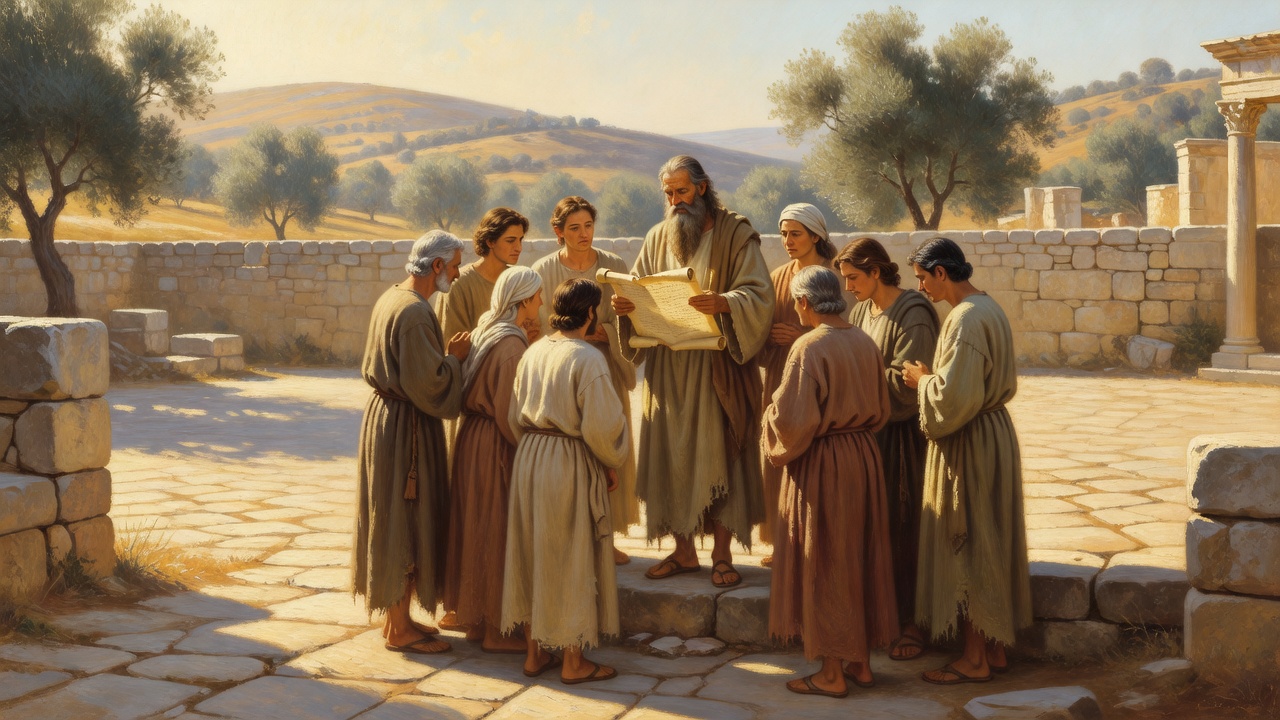
Did you know?
Messages to the Four Churches
- Ephesus was the capital of proconsular Asia and bore the Roman title of the first and greatest metropolis of the province. It was famous across the ancient world for its open-air theatre seating 50,000 spectators and for housing the chief shrine and temple of Diana.Sources: Ephesus · the Bible text itself
- Pergamum, the chief city of Mysia situated near the Caicus River, is described in the letter as the place where Satan's throne sits. The text commends the believers there for maintaining their faith even when Antipas, called a faithful witness, was killed in the city.Sources: Pergamum · Antipas · the Bible text itself
- Located between Lydia and Mysia, the city of Thyatira was celebrated for its textile dyeing industry, as confirmed by ancient inscriptions mentioning its guild of dyers. In the New Testament, Lydia, a seller of purple-dyed cloth, hailed from this city.Sources: Thyatira · the Bible text itself
Notes written with AI assistance from open sources (Theographic Bible Metadata, CC BY-SA 4.0; Easton’s Bible Dictionary, public domain) and reviewed before publishing.
Places in this chapter
- Ephesus · 37.939, 27.341 · verse 1
- Smyrna · Today: Izmir · 38.419, 27.138 · verse 8
- Pergamum · Today: Pergamon · 39.132, 27.184 · verse 12
- Thyatira · Today: Akhisar · 38.920, 27.837 · verses 18, 24
Only places identified with high confidence are shown (90% or more according to the scholarly sources compiled by OpenBible). Period map: DARE (Digital Atlas of the Roman Empire), CC BY 4.0; modern map: © OpenStreetMap contributors; places: OpenBible.info (CC BY 4.0).
Credits and license for this translation
Dios oca gotirituti
New Testament in Barasana-Eduria (CO:bsn:Barasana-Eduria)
copyright © 2010 Wycliffe Bible Translators, Inc.
Language: Barasana-Eduria
Translation by: Wycliffe Bible Translators, Inc.
Copyright Information
© 2010, Wycliffe Bible Translators, Inc. All rights reserved.
This translation text is made available to you under the
terms of the Creative Commons License: Attribution-Noncommercial-No Derivative Works.
( http://creativecommons.org/licenses/by-nc-nd/3.0/ )
In addition, you have permission to port the text to different file formats, as long as you
do not change any of the text or punctuation of the Bible.
You may share, copy, distribute, transmit, and extract portions
or quotations from this work, provided that you include the above copyright
information:
You must give Attribution to the work.
You do not sell this work for a profit.
You do not make any derivative works that change any of the actual words or punctuation of the Scriptures.
Permissions beyond the scope of this license may be
available if you contact
us with your request.
The New Testament
in Barasana-Eduria
© 2010, Wycliffe Bible Translators, Inc. All rights reserved.
This translation is made available to you under the terms of the
Creative Commons Attribution-Noncommercial-No Derivatives license 4.0.
You may share and redistribute this Bible translation or extracts from it in any format, provided that:
You include the above copyright and source information.
You do not sell this work for a profit.
You do not change any of the words or punctuation of the Scriptures.
Pictures included with Scriptures and other documents on this site are licensed just for use with those Scriptures and documents.
For other uses, please contact the respective copyright owners.
2014-04-22
Source: http://ebible.org/bsnNT/ · eBible.org