Luke 6
Dios oca gotirituti · Tap a verse to see its cross-references.
Ʉsʉsãjariarʉ̃mʉ ñaboajaquẽne, Jesús buerimasa trigo ajere tũnejuacõari ĩna bare queti
1Ʉsʉsãjariarʉ̃mʉ ti ejaro, trigo oteriavese cʉtore vasujarã, Jesúrãca. To bajivanane, trigo ricare tũnejuacõari, ĩna ãmorine ti gasere sĩguẽreacõari, bayujarã ĩna. 2Tire ĩna basere ĩacõari, sĩgʉ̃ri fariseo masa ado bajiro ĩnare yiyujarã:
—Ʉsʉsãjariarʉ̃mʉ yire mere yaja mʉa —ĩnare yiyujarã.
3To bajiro ĩna yisere ajicõari, ado bajiro ĩnare cʉdiyuju Jesús:
—¿David ñamasir'i, ĩ babarã rãca ñiorijacõari, ĩnare ĩ ũmato bamasirere masibeati mʉa? 4Ñiorijarã ñari, “Mani rãca ñagʉ̃mi Dios” masa ĩna yirivijʉre sãjacõari, Diore ĩre rʉ̃cʉbʉorã pan gãjerã ĩna cũboarerene juacõari, ĩ babarã rãca bamasiñuju ĩ. To bajiri Moisés ñamasir'i ĩ gotimasirema, “Paia rĩne barʉarãma” ĩ yimasiboarerene bamasiñujarã ĩna. To bajiro ĩna yiboajaquẽne, ti vaja rojose ĩnare yibetimasiñumi Dios. 5Yʉ, Dios ĩ roticõacacʉ, “Ʉsʉsãjariarʉ̃mʉre ado bajiro mʉa yijama, quẽnaja. To bajirojʉa mʉa yijama, quẽnabeaja”, yirotigʉ ñaja yʉ —ĩnare yicʉdiyuju Jesús, fariseo masare.
Ãmo ñujobecʉre Jesús ĩ ñujorotire queti
6Gaje semana gaja, ʉsʉsãjariarʉ̃mʉ ti ejaro, Dios ocare ĩna buerivijʉ tudivasuju Jesús quẽna. Sãjacõari, toanare gotimasioñuju. Ti vijʉ ñañuju sĩgʉ̃, riojojacatʉa ãmo ñujobecʉ. 7Dios ĩ rotimasire gotimasiorimasa, to yicõari, fariseo masa quẽne ñañujarã. “‘Jesús, rojose yimi’ ʉjarãre ĩre yigotiyirorãsa” yirã, Jesúre ĩre ĩacodeyujarã ĩna. “Adirʉ̃mʉ ʉsʉsãjariarʉ̃mʉre ãni ãmo ñujobecʉre ĩ masise rãca ĩ ñujorotijama, ‘Dios, Moisére ĩ roticũmasirere cʉdibecʉ yimi’ yigotirʉarãja mani”, yitʉoĩañujarã. 8To bajiro ĩna yitʉoĩasere ĩamasicõañuju Jesús. To bajigʉ ñari, ado bajiro yiyuju, ãmo ñujobecʉjʉare:
—Vʉ̃mʉrʉ̃gʉ̃ña —ĩre yiyuju.
To ĩ yirone, vʉ̃mʉrʉ̃gʉ̃ñuju ĩ.
9To bajiro ĩre yicõari, Dios ĩ rotimasire gotimasiorimasare, to yicõari, fariseo masare quẽne ado bajiro ĩnare sẽniĩañuju Jesús:
—¿Ʉsʉsãjariarʉ̃mʉre quẽne, no bojagʉ masʉre quẽnaro mani yijama, quẽnabetojari? ¿Disejʉare yiroti ñati? ¿Quẽnasejʉare, rojosejʉare yiroti ñati ti? ¿Rijaye cʉtirãre catiorejʉare yiroti ñatique? To yiterã, ¿ĩnare sĩacõaroti ñatique? —ĩnare yiyuju Jesús.
10Ĩ sẽniĩasere ĩna cʉdisere ajirʉ, tocãrãcʉrene ĩnare ĩaboayuju. Ĩna cʉdibeto ĩaboacʉ, ado bajiro ĩre yiyuju, ãmo ñujobecʉjʉare:
—Mʉ ãmore ñujoya mʉ —ĩre yiyuju Jesús.
To ĩ yirone, ĩ ãmore ĩ ñujorone, quẽnaejacoasuju yuja. 11To bajiro ĩre ĩ yijare, Jesúre bʉto jũnisiniñujarã ĩna Dios ĩ rotimasire gotimasiorimasa, to yicõari, fariseo masa quẽne. “¿No bajiro yicõari, Jesúre sĩarotirãti mani?”, gãmerã yiñagõñujarã ĩna.
Ĩ ocare goticudisʉoronare Jesús ĩ besere queti
12Cojorʉ̃mʉ burojʉ majasuju Jesús, Diore sẽnigʉacʉ. Tojʉ Diore sẽni ñamicʉtibusuocoasuju ĩ. 13Ĩ sẽni busuorirʉ̃mʉre, ĩ buerimasare jirẽoñuju Jesús. To bajiri ĩ tʉ ĩna ejarone, jʉaãmo cõro, gʉbo jʉa jẽnituarirãcʉ ñarã ĩnare beseyuju, ĩ ocare goticudibosaronare. 14Ado bajiro vãme cʉtirã ñañujarã: Simón vãme cʉtiboar'i Pedro vãme cʉtigʉ, ĩ bedi, Andrés ñañujarã. Santiago, Juan, Felipe, Bartolomé, Mateo, Tomás ñañujarã. Alfeo macʉ, Santiago, to yicõari, Simón vãme cʉtigʉ, celote yere tʉoĩaboar'i ñañuju. 16Santiago macʉ, Judas vãme cʉtigʉ ñañuju. Tʉsagʉ Judas Iscariote vãme cʉtiyuju. Ĩ ñañuju Jesúre ĩsirocar'i. To bajiri jʉaãmo cõro, gʉbo jʉa jẽnituarirãcʉ ñañujarã Jesús ĩ beseriarã.
Masa jãjarãre gotimasiocõari, rijaye cʉtirãre Jesús ĩ catiore
17Ĩ beseriaro bero, ĩna rãca rojaejayuju ĩ, rujatũcurorijʉ. Tojʉ gãjerã Jesús buerimasa ĩre ñayuyujarã ĩna. Judea sita ñarimacariana, gãjerãma, Jerusalén macana ñañujarã. Gãjerã moa riaga tʉana, Tiro macana, to yicõari, Sidón macana quẽne ñañujarã ĩna. Ĩ gotimasiosere ajirʉarã, to yicõari, ĩ catiosere bojarã, ĩre ñayuyujarã ĩna. 18Ĩna ʉsʉrijʉre vãtia sãñarã ñari, rojose tãmʉorã quẽne ñañujarã. Ĩna ʉsʉrijʉre sãñarãre vãtiare bureayuju Jesús. 19To yicõari, tocãrãcʉ rijaye cʉtirãre quẽne catioyuju. To bajiro ĩ yisere ĩacõari, masa jediro ĩre moaĩarʉayujarã, “Manire quẽne catioato” yirã.
Variquẽnaronare, to yicõari, rojose tãmʉoronare Jesús ĩ gotimasiore queti
20Ĩnare catiogajano, ĩ buerimasare ĩacõari, ado bajiro ĩnare gotiyuju ĩ:
—“Masimena ñari, mʉ ejarẽmose bʉto bojaja yʉa”, Diore ĩre yisẽnirũgũrãma, ĩ yarã ñarãma. To bajiri, rojose tãmʉoboarine, Dios tʉjʉ variquẽnarona ñarãma.
21Yucʉrire Dios ĩ bojabetire yicõari, tʉoĩasʉtiritiñarã quẽne, variquẽnarona ñarãma, berojʉ ĩna tʉoĩasʉtiritisere Dios ĩnare ĩ yirẽtobosaroti ti ñajare.
22Dios ĩ roticõacacʉre, yʉre mʉa ajitirʉ̃nʉse sʉorine gãjerã mʉare ajatud'icõari, “Rojorã ñaama” mʉare ĩna yisocaboajaquẽne, variquẽnarʉarãja mʉa. 23To bajiro mʉare ĩna yiboajaquẽne, bʉto variquẽnaña mʉa, “Berojʉ Dios tʉjʉ ejarã, quẽnase bʉjarʉarãja” yimasirã ñari. Mʉa rĩjoroana, Diore gotirẽtobosamasiriarãre quẽne, rojose mʉare ĩna yirore bajirone ĩnare quẽne rojose yimasiñujarã masa.
24Gãjerãma, gajeyeũni jairo cʉovariquẽnarã ñari, Diore bojamena ñarãja mʉa. Adigodojʉ variquẽnarã ñaboarine, berojʉma sʉtiritirʉarãja.
25Gãjerãma, “Disejʉa yʉare rʉyabeaja” yivariquẽnarã ñari, Diore bojamena ñarãja mʉa. Adigodojʉre variquẽnarã ñaboarine, berojʉma variquẽnabetirʉarãja mʉa.
Gãjerãma, mʉa rijato bero mʉa bajirotire tʉoĩamenane, adigodoayere tʉoĩacõari ajarãma, berojʉ, otirʉarãja mʉa.
26Masa, “Quẽnaro yirã ñaama” mʉare ĩna yisere ajicõari, variquẽnaboaja mʉa. To bajirone bajimasiñuju tirʉ̃mʉjʉ. “Diore gotirẽtobosarimasa ñaja yʉa” yitomasiriarãre, “Quẽnaro yirã ñama” ĩnare yirʉ̃cʉbʉomasiboayujarã mʉa ñicʉa.
“Manire ĩaterãre quẽne mani ĩamaijama, quẽnaja”, Jesús ĩ yigotimasiore queti
27Yʉre ajitirʉ̃nʉrãre ado bajise mʉare rotiaja yʉ: Mʉare ĩaterãre quẽne ĩamaiña. Ĩnare ĩamaicõari, quẽnaro yiya. 28Rojose mʉare yirãre quẽne quẽnaro ĩna ñarotire, Diore ĩnare sẽnibosaya mʉa. 29Cojojacatʉa, mʉa vayujuare ĩ jajama, gajejacatʉare quẽne ĩre jarotiya. Sĩgʉ̃, mʉa sudirore joeagarore ĩ veaãmijama, jubeagarore quẽne ĩre veaĩsicõaña. 30No bojarã mʉa gajeyeũnire ĩna sẽnijama, ĩsiña. Mʉa gajeyeũnire juarudigʉre, “Yʉre tʉoya”, ĩre yibesa mʉa. 31Gãjerã quẽnaro mʉare ĩna yisere bojaja mʉa. To bajiri quẽnaro mʉare ĩna yisere bojarã ñari, quẽnaro ĩnare yiya mʉa quẽne.
32Mʉare ĩamairã rĩne mʉa ĩamaijama, ¿“Quẽnaro yaja mʉa”, mʉare yiĩagʉ̃jari Dios? Yibecʉmi. Rojose yirã quẽne, ĩnare mairã rĩrene ĩnare ĩamairũgũrãma ĩna. 33Quẽnaro mʉare yirã rĩrene quẽnaro mʉa yijama, ¿“Quẽnaro yaja mʉa”, mʉare yiĩagʉ̃jari Dios? Yibecʉmi. Rojose yirã quẽne, quẽnaro ĩnare yirã rĩrene quẽnaro yirũgũrãma ĩna. 34Mʉare tʉomasirã rĩrene no bojasere mʉa vasoajama, ¿“Quẽnaro yaja mʉa”, mʉare yiĩagʉ̃jari Dios? Yibecʉmi. Rojose yirã, ĩnare tʉomasirã rĩrene ĩna sẽnisere ĩnare ĩsirãma ĩna quẽne. 35To bajiri ado bajiro mʉare gotiaja yʉ: Mʉare rojose yirãre quẽne, ĩnare maiña mʉa. Ĩnare quẽne quẽnaro yiya. “Mani ĩsisere manire tʉorʉarãma” yitʉoĩamenane, ĩnare ĩsiña. To bajiro ĩnare mʉa yijama, quẽnamasusere mʉare ʉjorʉcʉmi Dios. “Quẽnaro yaja mʉ” Diore yimenarene, to yicõari, rojose yirãre Dios ĩ mairore bajirone mʉa maijama, “Dios rĩa ñaja yʉa” yiĩorã yirãja mʉa. 36Mani jacʉ Dios ĩ ĩamairore bajirone mʉa quẽne, masare ĩamaiña —ĩ buerimasare yigotiyuju Jesús.
“‘Rojose yirã ñaama. Ti sʉori rojose tãmʉorʉarãma’ yirʉarã, ĩnare ĩabesebesa”, Jesús ĩ yigotimasiore queti
37Quẽna ado bajiro gotiyuju Jesús:
—“Rojose yirã, ñaama. To bajiro yirã ñari, rojose tãmʉorʉarãma”, gãjerãre ĩnare yiĩabesebesa. To bajiro mʉa yijama, “Rojose yirã ñaama”, mʉare yiĩaromi Dios. Gãjerã rojose mʉare ĩna yisere mʉa masiriojama, rojose mʉa yisere mʉare masiriorʉcʉmi Dios quẽne. 38No bojase ĩna cʉobetijama, ĩnare ĩsiña. To bajiro mʉa yijama, ĩnare mʉa ĩsirere ĩacõĩacõari, mʉa ĩsise rẽtobʉsaro mʉare ĩsirʉcʉmi Dios —ĩre ajitirʉ̃nʉrãre yigotiyuju Jesús.
39To yigʉne, adi gotimasiore quetire ĩnare gotiyuju:
—Sĩgʉ̃ ĩabecʉ, gãji ĩabecʉre ĩ tʉ̃avajama, gojejʉ reasãcõanama, ĩna jʉarãjʉne. 40Gajeyerema, ĩnare buegʉ rẽtobʉsaro masirã me ñaama ĩ buerã. To bajiboarine quẽnaro ĩna buejeocõajama, ĩnare buerimasʉre bajirone masirãma ĩna quẽne.
41Gajeyerema, ado bajiro yirãre bajiro yaja mʉa: Gãji bʉto rojose ĩ yibetiboajaquẽne, “Mʉ cajeare sũjuriroaca sãñaja. Tijʉacare ãmirocato” yirãre bajiro yaja mʉa. Tire bʉto ĩatirʉ̃nʉrã ñaboarine, mʉa cajeajʉre jairisũjuro sãñarijaʉre tijaʉre “Ãmirocaya”, yimasibeaja mʉa, “Bʉto rojorã ñaja yʉa” yitʉoĩamasimena ñari. Mʉa rãcagʉ ĩ yisejʉare ĩacõari, “Riojo tʉoĩabeaja mʉ. ‘Quẽnasejʉare tʉoĩavasoaya’ yirã, riojo mʉre gotirʉarãja” yigotirã ñaboarine, “Adi ñaja quẽnase. Tijʉa ñaja rojose”, yimasimenaja, ĩ rẽtoro rojose yirã ñari. “Quẽnaro yirã ñaja yʉa” yitʉoĩaboarine, rojorã ñaja mʉa. “Bʉto rojorã ñaja yʉa” mʉa yitʉoĩamasiro berojʉ, mʉa rãcagʉre ejarẽmomasirãja mʉa, “Quẽnaro riojo ñato ĩ” yirã —ĩ buerãre ĩnare yigotimasioñuju Jesús.
“Ti rica cʉtise sʉorine yucʉ́re ĩamasiaja mani”, Jesús ĩ yigotimasiore queti
43—Gajeyerema, yucʉ́ vãnʉricʉ, “Quẽnase rica cʉtiricʉ ñaja” mani yiboaricʉne, quẽnabeti rica cʉtibetoja. To yicõari, vãnʉbeti, “Quẽnabeti rica cʉtiricʉ ñaja” mani yiboaricʉne, quẽnase rica cʉtibetoja. 44Ti rica cʉtise sʉorine yucʉ́re ĩamasiaja mani. Quẽnase bare higos vãme cʉtiʉ ricare juaroana, vãtijota yucʉ́rijʉre macamenaja mani. To yicõari, ʉye juaroana, vidirojʉ ñaricʉ savajotaʉjʉre macamenaja mani. 45To bajirone bajiaja masare quẽne. Sĩgʉ̃ri quẽnase tʉoĩarã ñari, quẽnase yirãma. Gãjerã, rojose tʉoĩarã ñari, rojose yirãma. To bajiro bajiaja mʉa ñagõse quẽne. Masa ĩna ñagõsere ajicõari, “Rojose tʉoĩarã ñaama. Quẽnase tʉoĩarã ñaama”, yimasiaja mʉa. To bajiri ĩna ʉsʉrijʉ ĩna tʉoĩabʉjʉoñaserene, ĩna riserijʉ ñagõburũgũama ĩna —ĩnare yigotiyuju Jesús.
“Quẽnaro ĩre ajitirʉ̃nʉrã, to yicõari, ĩre ajiboarine, ĩre cʉdimenama, ado bajiro bajirãma”, Jesús ĩ yigotimasiore queti
46Quẽna ado bajiro ĩnare yiyuju Jesús:
—¿No yirã yʉ rotisere cʉdibetiboarine, “Yʉa ʉjʉ” yʉre yati mʉa? 47Yʉ gotimasiosere ajicõari, yʉ rotirore bajiro yigʉma, ado bajiro yigʉ ũgʉ̃re bajiro bajigʉ ñagʉ̃mi: 48Ĩ ũgʉ̃ ñagʉ̃mi gʉ̃tajãijʉ gojeri coaejocõari, botari rʉ̃gõcõari, vi bʉagʉre bajiro bajigʉ. Vi ĩ bʉaro bero, bʉto oco quediroja. To bajicõari, riaga jaicoatoja. Ti vijʉ ti jaiejacoaboajaquẽne, juriaquedibetoja ti vi. 49Yʉre ajiboarine, yʉ rotirore bajiro yibecʉjʉa ñagʉ̃mi sita vajarojʉ vi bʉagʉre bajiro bajigʉ. Ti vi ĩ bʉaro bero, bʉto oco quediroja. To bajicõari, riaga jaicoatoja. Ti vijʉre ti jaiejarone, yoaro mene juriaquedicoatoja —ĩnare yigotiyuju Jesús.
Did you know?
The Sabbath, the Twelve, and the Plain
- On a Sabbath, as Jesus passed through the grainfields, his disciples picked heads of grain, rubbed them in their hands, and ate them, and some Pharisees called this unlawful. Jesus recalled that David and his hungry companions ate consecrated bread from the house of God, bread lawful only for the priests, and said that the Son of Man is Lord of the Sabbath. On another Sabbath he restored a man’s withered right hand in the synagogue while scribes and Pharisees watched for a reason to accuse him; a chronology dates both episodes to AD 28.Sources: the Bible text itself · Corn on the Sabbath · Healing a Withered Hand
- After spending the night in prayer on the mountain, Jesus called his disciples and chose twelve, whom he designated apostles. Among them were Simon, whom he named Peter, and Peter’s brother Andrew, fishermen from Bethsaida on the western coast of the Sea of Galilee, and Matthew, a tax collector at Capernaum who had formerly been known as Levi.Sources: the Bible text itself · Simon Peter · Andrew · Matthew
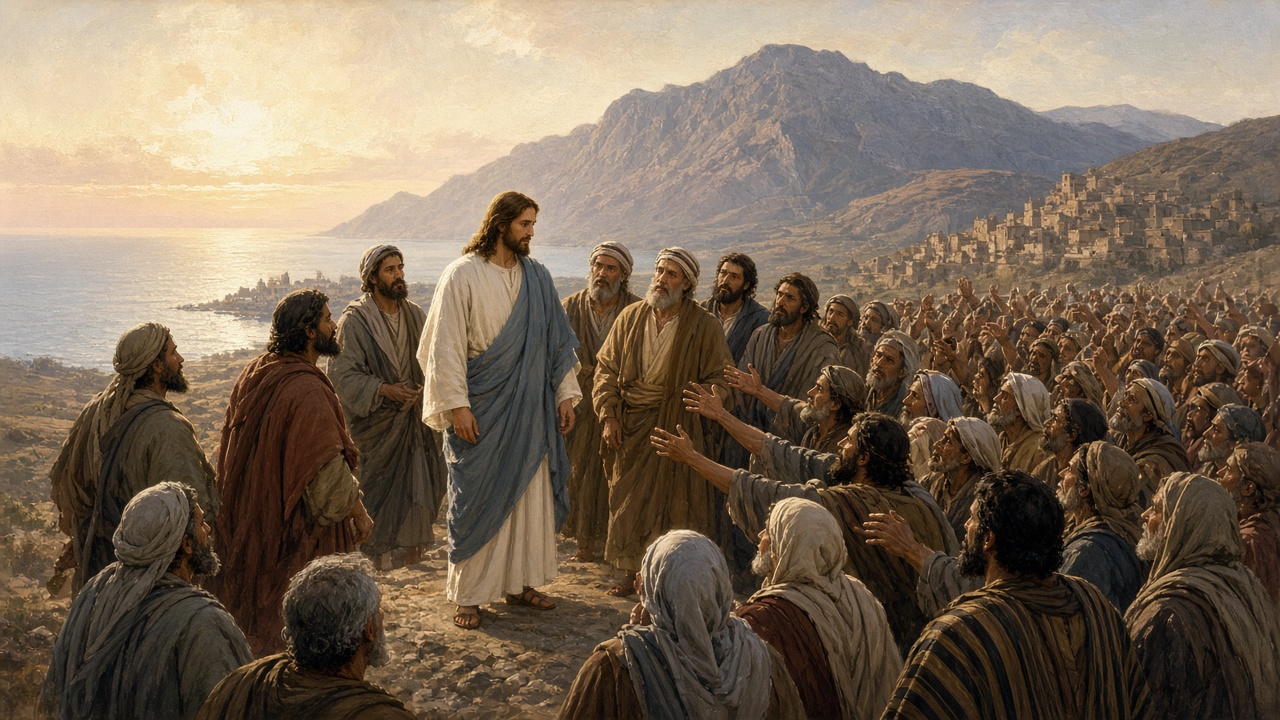
- Jesus came down with them and stood on a level place, where people from Judea, Jerusalem, and the sea coast of Tyre and Sidon had gathered to hear him and to be healed. Tyre and Sidon were ancient Phoenician cities on the Mediterranean; Sidon, the older city, lay about twenty-five miles north of Tyre. A chronology dates this teaching to AD 28 and titles it the Sermon on the Mount, though the narrative places Jesus on level ground after he came down from the mountain.Sources: the Bible text itself · Tyre · Sidon · Sermon on the Mount
Notes written with AI assistance from open sources (Theographic Bible Metadata, CC BY-SA 4.0; Easton’s Bible Dictionary, public domain) and reviewed before publishing.
Places in this chapter
- Jerusalem · 31.777, 35.234 · verse 17
- Judea · Today: Judea 1 · 31.777, 35.234 · verse 17
- Sidon · Today: Sandikli archaeological site in Sidon · 33.561, 35.372 · verse 17
- Tyre · 33.271, 35.196 · verse 17
Only places identified with high confidence are shown (90% or more according to the scholarly sources compiled by OpenBible). Period map: DARE (Digital Atlas of the Roman Empire), CC BY 4.0; modern map: © OpenStreetMap contributors; places: OpenBible.info (CC BY 4.0).
Credits and license for this translation
Dios oca gotirituti
New Testament in Barasana-Eduria (CO:bsn:Barasana-Eduria)
copyright © 2010 Wycliffe Bible Translators, Inc.
Language: Barasana-Eduria
Translation by: Wycliffe Bible Translators, Inc.
Copyright Information
© 2010, Wycliffe Bible Translators, Inc. All rights reserved.
This translation text is made available to you under the
terms of the Creative Commons License: Attribution-Noncommercial-No Derivative Works.
( http://creativecommons.org/licenses/by-nc-nd/3.0/ )
In addition, you have permission to port the text to different file formats, as long as you
do not change any of the text or punctuation of the Bible.
You may share, copy, distribute, transmit, and extract portions
or quotations from this work, provided that you include the above copyright
information:
You must give Attribution to the work.
You do not sell this work for a profit.
You do not make any derivative works that change any of the actual words or punctuation of the Scriptures.
Permissions beyond the scope of this license may be
available if you contact
us with your request.
The New Testament
in Barasana-Eduria
© 2010, Wycliffe Bible Translators, Inc. All rights reserved.
This translation is made available to you under the terms of the
Creative Commons Attribution-Noncommercial-No Derivatives license 4.0.
You may share and redistribute this Bible translation or extracts from it in any format, provided that:
You include the above copyright and source information.
You do not sell this work for a profit.
You do not change any of the words or punctuation of the Scriptures.
Pictures included with Scriptures and other documents on this site are licensed just for use with those Scriptures and documents.
For other uses, please contact the respective copyright owners.
2014-04-22
Source: http://ebible.org/bsnNT/ · eBible.org