Luke 23
Dios oca gotirituti · Tap a verse to see its cross-references.
Pilato tʉjʉ Jesúre ĩna ãmiejare queti
1To yigajanocõari, Jesúre ĩre ãmiasujarã ĩna jediro, Pilato vãme cʉtigʉ ya vijʉ vana. Ĩ tʉjʉ ĩre ãmiejacõari, ado bajiro Jesúre gotiyiroyujarã ĩna:
—Ãnire bʉjabʉ yʉa. Ado bajiro yimi: “Ʉjʉ Césare gãjoa mʉare ĩ vaja yirotisere mʉa vaja yijama, quẽnabeaja. To yicõari, ‘Rotimʉorʉ̃gõrʉcʉmi’ yigʉ, Dios ĩ cõagʉ̃ ñaja yʉ”, yimi —Jesúre ĩre yigotiyiroyujarã ĩna.
3To bajiro ĩna yise ñajare, ado bajiro Jesúre sẽniĩañuju Pilato:
—¿Mʉne ñati jud'io masa ʉjʉ? —ĩre yiyuju Pilato.
To bajiro ĩ yisere ajicõari, ado bajiro ĩre cʉdiyuju Jesús:
—To bajirone bajiaja —ĩre yiyuju Jesús.
4To ĩ yirone, paia ʉjarãre, to yicõari, jãjarã masa to ñarãre quẽne ado bajiro ĩnare yiyuju Pilato:
—Yʉ ĩajama, ñie rojose yigʉ me ñaami —ĩnare yiboayuju Pilato.
5To bajiro ĩ yiboajaquẽne, bʉto avasãñujarã ĩna:
—Galilea sitajʉre gotimasiosʉoyumi. Bero, Judea sitana ñajedirore gotibatomavisioami —ĩre yiyujarã ĩna.
Herodes tʉjʉ Jesúre ĩna ãmiejare queti
6To bajiro ĩna yisere ajicõari, ado bajiro ĩnare sẽniĩañuju Pilato:
—¿Ãni, Jesús Galileagʉ ñati? —ĩnare yisẽniĩañuju ĩ.
To ĩ yirone,
—Toagʉne ñaami —yicʉdiyujarã ĩna.
To bajiro ĩna yijare,
—Ʉjʉ Herodes ya sitagʉ ĩ ñajare, Herodejʉa ĩre ĩacõĩato —ĩnare yiyuju Pilato.
Tirʉ̃mʉrire Jerusalénjʉne ñañuju Herodes quẽne, Pilato ĩ ñarimacane. To bajiri tire masicõari, Herodes tʉjʉ Jesúre cõañuju Pilato. 8To bajiri, Jesús ĩ ejaro, ĩre ĩacõari, bʉto variquẽnañuju Herodes, bʉto ĩre ĩarʉarũgũr'i ñari. Yoaro ĩre ĩarʉaboayuju. Jesús ĩ yirere ajirũgũr'i ñari, ĩ ĩaro rĩjorojʉa quẽne, ĩaĩañamani Jesús ĩ yiĩosere bʉto ĩarʉayuju ĩ. 9To bajiro yigʉ ñari, yoaro Jesúre sẽniĩañuju ĩ. To bajiro ĩ yiboajaquẽne, ĩre cʉdibesuju Jesús. 10Paia ʉjarã, Dios ĩ rotimasire gotimasiorimasa bʉto rojose avasãgotiyiro ñañujarã ĩna. 11To bajiri, Jesús ĩ cʉdibeti ĩaboana, ĩre ajatud'iyujarã Herodes, ĩ surara quẽne. To yigajanocõari, quẽnariase sudiro Jesúre sãcõari, ĩre tʉocõañujarã, Pilato tʉjʉre quẽna. 12Tirʉ̃mʉne Herodes, Pilato rãca gãmerã oca quẽnoñujarã ĩna, gãmerã ĩateboariarã.
“Jesúre sĩaroti ñaja”, ĩna yire queti
13Ĩ tʉjʉ Jesúre ĩ tʉocõajare, paia ʉjarãre, masa ʉjarãre to yicõari, masa to ñarãre quẽne jirẽoñuju Pilato. 14Ĩna ejaro, ado bajiro yiyuju ĩ:
—“‘Ʉjʉ César ĩ rotisere cʉdibesa mʉa’ yigotimavisioami” yirã, jẽjʉ ãnire yʉ tʉjʉ ãmiejabʉ mʉa. To bajiro mʉa yise ñajare, mʉa ajiro ĩre quẽnaro sẽniĩaboabʉ yʉ. Yʉ ĩajama, ñie rojose yibecʉ ñaami. 15Herodes quẽne, “Ñie rojose yibecʉ ñaami” yigʉ ñari, yʉ tʉjʉ ĩre tʉocõañumi. “Ñie rojose ĩ yiro cõro ĩre sĩaña manoja”, yaja yʉ. 16To bajiri ĩre bajegajanocõari, bucõarʉarãma yʉ surara —ĩnare yigotiboayuju Pilato, to rẽjariarãre.
17Tocãrãca cʉ̃ma Pascua boserʉ̃mʉ jud'io masa ĩna quẽnojama, sĩgʉ̃, tubibe ecor'ire ĩna burotigʉre ĩnare bubosarũgũñuju Pilato.
18To bajiri, “Jesúre ĩre bucõarʉcʉja yʉ” ĩ yisere ajicõari, ado bajiro Pilatore avasãjedicõañujarã masa:
—¡Bajibeticõato! ¡Barrabájʉare bucõari, Jesújʉare sĩarotiya mʉ! —yiavasã jedicõañujarã ĩna.
19Barrabás vãme cʉtigʉ, “Gobierno ĩ rotiboasere cʉdibeticõari, mani masu rotirãsa” yitʉoĩacõari, ĩ babarã rãca masare sĩar'i ñañuju. To bajiro ĩ yire vaja tubiberiavijʉ ñañuju ĩ.
20To ĩna yiro bero, quẽna ado bajiro gãme tudisẽniĩañuju Pilato. To bajiro ĩna yiavasã ñaboajaquẽne, Jesúre bucõarʉ, quẽna ĩ budirotire sẽniĩaboayuju Pilato. 21To bajiro ĩ yirone,
—¡Yucʉ́tẽrojʉ ĩre jaju sĩaroticõaña mʉ! ¡Ĩre jajutuya! —ĩre yiavasã cʉdiyujarã ĩna.
22To bajiro ĩna yirone, jẽre jʉaji ĩnare ĩ gotiboasere gotiboayuju ĩ quẽna:
—¿Ñie rojose ĩ yire sʉori ĩre sĩarotigʉti yʉ? Ĩre quẽnaro sẽniĩamʉ yʉ. Yʉ ĩajama, ñie rojose yibecʉ ñaami. To bajiri, ĩre bajegajanocõari, bucõarʉarãma yʉ surara —ĩnare yigotiboayuju Pilato quẽna.
23To ĩ yiboajaquẽne, ĩna yiriarore bajiro, ĩre avasãtʉjabesujarã ĩna, Jesúre sĩarʉarã. To bajiro ĩna yiavasãcõa ñajare, ĩna rotirore bajiro cʉdigʉ, Barrabájʉare ĩre bucõañuju. 24To yicõari, Jesújʉarema ĩ yarã surarare ĩsiñuju, “Yucʉ́tẽrojʉ ĩre jajusĩato ĩna” yigʉ.
Yucʉ́tẽrojʉ Jesúre ĩna jajusĩare queti
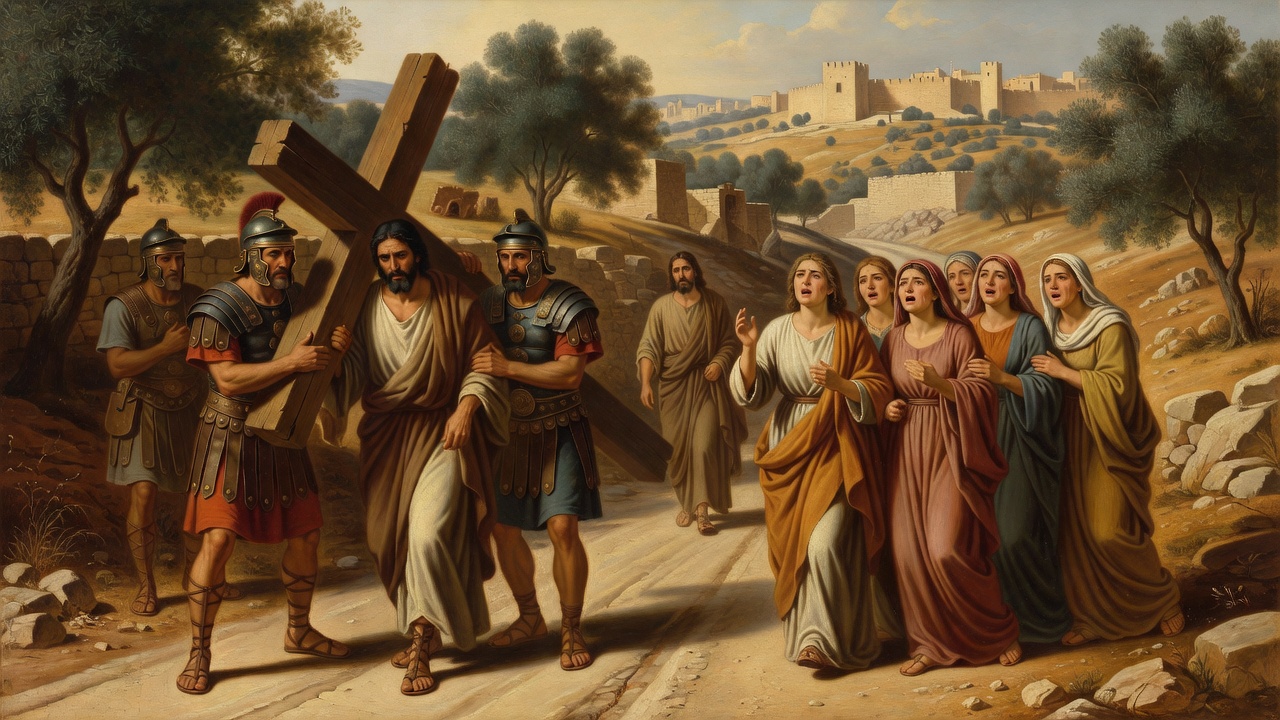
26To bajiri Jesúre ãmicoasujarã ĩna, ĩre sĩarã vana. Ĩre ãmivanane, sĩgʉ̃ Cirene vãme cʉti sitagʉ, Simón vãme cʉtigʉre bocayujarã. Ĩre bocacõari,
—Jesús ĩ gaja vatijãire ĩre gajabosaya —ĩre yi vasujarã ĩna.
27Jãjarã masa Jesúre sʉyayujarã ĩna. Rõmia quẽne, ĩre sʉyacõari, otiyujarã ĩna. 28To bajiro ĩna otisere ajicõari, jʉdarʉ̃gʉ̃ñuju Jesús. Jʉdarʉ̃gʉ̃cõari, ado bajiro ĩnare gotiyuju ĩ:
—Mʉa Jerusalén macana rõmiri, yʉre otibesa. Mʉa bajirotire, to yicõari, mʉa rĩa ĩna bajirotire tʉoĩacõari, otiya. 29No bojarirʉ̃mʉ ejarʉaroja bʉto rojose mʉa tãmʉorotirʉ̃mʉ. Tirʉ̃mʉre ado bajise tʉoĩarʉarãja mʉa: “Rĩa mana rõmiri rojose tãmʉorã ñaboarine, bʉto sʉtiritibetirʉarãma, ‘Bʉcʉrã rĩne bajirearʉarãja yʉa’ yitʉoĩarã ñari”. 30To bajiri, “Josari rojosere tãmʉorobe; rojose mani yise vaja rojose manire cõarʉcʉmi Dios” yirã, guaro bajireadarotire yirã, “Gʉ̃tayucʉri yʉare tãjoreadaya”, yitʉoĩarʉarãma. 31Yʉ yirore bajirone bajirʉarãja mʉa. Ado bajiro yʉ gotisere ajitʉoĩaña mʉa: “Ñie rojose yibecʉ ñaami” yʉre yirã ñaboarine, yʉre rojose yama ĩna. To bajiri, “Rojorã ñaama” mʉare yiĩarã ñari, rẽtobʉsaro mʉare rojose yirʉarãma ĩna —ĩnare yigotiyuju Jesús, ĩre otisʉyarãre.
32To bajiri gãjerã jʉarã rojose yiriarãre jua vasujarã, Jesúrãca, ĩnare sĩarʉarã. 33Ĩnare jua va, Rʉjoco Buro vãme cʉti burojʉ majaejayujarã. Tojʉ Jesúre, to yicõari, rojorãre quẽne, yucʉ́tẽrorijʉ jajutuyujarã ĩna. Sĩgʉ̃re Jesús riojojacatʉare, gãjirema ĩ gãcojacatʉajʉare jajutuyayujarã. 34Jesús ĩre ĩna jajuturo bero, ado bajiro Diore sẽniñuju ĩ:
—Cacʉ, yʉre sĩarãre rojose ĩna yisere masirioya mʉ. “Rojose yirã yirãja yʉa” yimasimenane yama ĩna.
To bajiro ĩ yiro bero, Jesús ye sudire bojarã, ado bajiro yiyujarã surara: “Ñimʉjʉa ĩ sudire ĩ ʉjaro ĩarãsa mani” yirã, gʉ̃tarine reacũĩa ajeñañujarã. To yiajecõari, ĩ sudire gãmerã ĩsibatoyujarã ĩna. 35Tire ĩacõari, Jesúre ajatud'iyujarã masa. Ĩna ʉjarã quẽne, ado bajiro Jesúre ajatud'iyujarã ĩna:
—Gãjerãre rijaye cʉtirãre catiorũgũmi. To bajiri, “Rotimʉorʉ̃gõrʉcʉmi” yigʉ, Dios ĩ cõagʉ̃ ĩ ñajama, ĩ masune rujiadimasiato —yiajatud'iyujarã ĩna.
36Surara quẽne ĩre ajatud'iyujarã ĩna. Ĩ tʉjʉ ejacõari, ʉye oco jiasere Jesúre idirotiboayujarã. Ĩre idirotirãne, ado bajiro ĩre ajatud'iyujarã ĩna:
—Mʉ jud'io masa ʉjʉ mʉ ñajama, mʉ masune rujiaya —ĩre yiajatud'iyujarã ĩna.
38Jesús ĩ jaju ecoritẽrojʉre ĩ rʉjoa vecare griego masa oca, romano masa oca, jud'io masa oca ĩna ucaturia jũro tuyayuju. Ado bajise yirijũro ñañuju ti: “Ãni ñaami jud'io masa ʉjʉ”, yiucare ñañuju.
39To bajicõari, sĩgʉ̃ rojogʉ Jesúrãca yucʉ́tẽrojʉ jaju ecor'i ado bajiro ĩre tud'iyuju ĩ quẽne, Jesúre:
—¿“Rotimʉorʉ̃gõrʉcʉmi” yigʉ, Dios ĩ cõagʉ̃ me ñatique mʉ? Ĩ mʉ ñajama, rujiacõari, yʉare yirẽtobosaya —ĩre yitud'iyuju ĩ quẽne.
40To bajiro ĩ yisere ajicõari, gãjijʉama, ado bajiro ĩre boca yiyuju ĩ:
—Rojose mani yire sʉori manirema jajutuama ĩna. To bajiri, ¿Dios tʉjʉ ejacõari, rojose mʉ yise vaja rojose mʉre ĩ yirotire güibeatique mʉma? 41Manima, mani masu ye sʉorine bajiaja. To bajiboarine, ĩjʉama, ñie rojose yibecʉ ñaami —boca yiyuju.
42To bajiro yigajanocõari, ado bajiro Jesújʉare gotiyuju ĩ:
—Jesús, “Rotimʉorʉ̃gõrʉcʉmi” yigʉ, mʉre cõar'i Dios ĩ cũro bero, yʉre ĩamaicõari, rojose yʉ yise vaja rojose tãmʉotʉjabetiriarojʉ yʉ vaborotire yʉre yirẽtobosaba —Jesúre yigotiyuju ĩ.
43To ĩ yisere ajicõari,
—Yʉre quẽnaro ajiya mʉ. Adirʉ̃mʉne yʉre ajitirʉ̃nʉrã ĩna variquẽna tʉjabetojʉ yʉ rãca ñarʉcʉja mʉ —ĩre yicʉdiyuju Jesús.
Jesús ĩ ʉsʉtadire queti
44Jesúre ĩna jajusĩariarʉ̃mʉne, ʉ̃mʉrecaji ñarone, rẽtiañuju yuja. Idia hora cõro rẽtiañañuju. Idia hora rẽtiatʉsatone, Diore yirʉ̃cʉbʉoriavijʉ sudigasero yotoriaro vorujijedicoasuju ti. Tiase yotoriaro, “‘Dios ĩ ñarisõa’ vãme cʉti sõare sãjamasibeama masa”, yimasiriaro ñaboayuju. 46To ti bajirone,
—¡Cacʉ, yʉ ʉsʉre mʉ tʉjʉ cõaja yʉ! —Diore yiavasã, ʉsʉtadicoasuju ĩ yuja.
47To bajiro ĩ bajijare, ado bajiro yiyuju surara ʉjʉ:
—Riojone bajiboayuja. Ñie rojose yigʉ me ñamasiboayumi ãni —yiyuju ĩ.
48Jãjarã masa ñañujarã, Jesúre ĩna sĩarore ĩarã vadiriarã. Jesúre masirã quẽne, Galilea sitana rõmiri ĩre sʉyaboariarã quẽne, ĩre ĩna sĩasere sõjʉ ĩarʉ̃gõñujarã ĩna quẽne. Tire ĩagajanocõari, bʉto sʉtiritirãne tudijedicoasujarã ĩna.
Jesúre ĩna yujere queti
50Arimatea macagʉ, José vãme cʉtigʉ ñañuju. Jud'io masa ʉjarã rãcagʉ, masa ĩna ĩarʉ̃cʉbʉogʉ, quẽnaro yigʉ ñañuju ĩ. To bajicõari, Diore quẽnaro ajirʉ̃cʉbʉogʉ, ĩ rotimasirere quẽnaro cʉdigʉ ñañuju. 51Ʉjarã Jesúre ĩna sĩarʉasere bojabesuju ĩjʉama. “ ‘Rotimʉorʉ̃gõrʉcʉmi’ yigʉ, Dios ĩ cõar'i ñaami”, Jesúre yitʉoĩagʉ̃ ñañuju. 52Jesús rujʉrire ãmirʉ, Pilatore sẽnigʉ̃ vasuju ĩ. 53Ĩre sẽnicõari, Jesús rujʉrire ãmirujiocõari, sudijãiri botirijãiri rãca ĩre gũmañuju. To yigajanocõari, masa yujeriavi gʉ̃tavi ĩna quẽnoriavijʉ ĩ rujʉrire cũñuju. Gãjerãre yujeĩaña manivi ñañuju ti vi. 54Tirʉ̃mʉjʉama jud'io masa ĩna ʉsʉsãjariarʉ̃mʉ rĩjoroagarʉ̃mʉ rãiorotirʉ̃mʉ rĩjoroaca ñañuju.
55Jesúrãcana rõmiri, Galilea sitana vadimasiriarã rõmiri Jesúre ĩre yujeroanare ĩasʉyayujarã ĩna. Ĩnare sʉya, eja, ĩna yujerivire ĩacõari, Jesús rujʉrire ĩna cũrore ĩañujarã ĩna. 56Ĩagajanocõari, tudicoasujarã. Tudiejacõari, ĩna ñarivijʉ sʉtiquẽnasere rijariarã rãca cũrere quẽnoñujarã ĩna. To yigajanocõari, ʉsʉsãjariarʉ̃mʉ ti ejaro, Dios ĩ rotimasiriarore bajiro ʉsʉsãjañujarã ĩna.
Did you know?
Trial, Cross, and Burial
- Pontius Pilate, identified by Easton's Bible Dictionary (1897) as the sixth Roman procurator of Judea (A.D. 26–36), kept his headquarters at Caesarea but often went up to Jerusalem. The council’s accusations in this chapter are political: that Jesus was subverting the nation, forbidding the payment of taxes to Caesar, and proclaiming himself Christ, a king.Sources: Pontius Pilate · the Bible text itself
- When Pilate learned that Jesus was a Galilean and under Herod’s jurisdiction, he sent him to Herod Antipas, a son of Herod by Malthace, who was then in Jerusalem. Herod had long wanted to see Jesus and hoped for a miracle, but Jesus did not answer his questions. After Herod and his soldiers mocked Jesus and dressed him in a fine robe, they sent him back, and that day Herod and Pilate, who had been enemies, became friends.Sources: Herod Antipas · the Bible text itself
- The place of crucifixion is called The Skull; a Latin form, Calvaria, translated the Greek Kranion, which rendered the Hebrew Gulgoleth. It probably took this name from its shape, a low, rounded, bare rise somewhat like a human skull, and Scripture nowhere calls it a hill. The crucifixion took place outside the city walls and near a public road.Sources: Skull · the Bible text itself
Notes written with AI assistance from open sources (Theographic Bible Metadata, CC BY-SA 4.0; Easton’s Bible Dictionary, public domain) and reviewed before publishing.
Places in this chapter
- Galilee · 32.760, 35.527 · verses 5, 6, 7, 49, 55
- Jerusalem · 31.777, 35.234 · verses 5, 7, 19, 28
- Judea · Today: Judea 1 · 31.777, 35.234 · verses 5, 51
- Cyrene · 32.821, 21.851 · verse 26
Only places identified with high confidence are shown (90% or more according to the scholarly sources compiled by OpenBible). Period map: DARE (Digital Atlas of the Roman Empire), CC BY 4.0; modern map: © OpenStreetMap contributors; places: OpenBible.info (CC BY 4.0).
Credits and license for this translation
Dios oca gotirituti
New Testament in Barasana-Eduria (CO:bsn:Barasana-Eduria)
copyright © 2010 Wycliffe Bible Translators, Inc.
Language: Barasana-Eduria
Translation by: Wycliffe Bible Translators, Inc.
Copyright Information
© 2010, Wycliffe Bible Translators, Inc. All rights reserved.
This translation text is made available to you under the
terms of the Creative Commons License: Attribution-Noncommercial-No Derivative Works.
( http://creativecommons.org/licenses/by-nc-nd/3.0/ )
In addition, you have permission to port the text to different file formats, as long as you
do not change any of the text or punctuation of the Bible.
You may share, copy, distribute, transmit, and extract portions
or quotations from this work, provided that you include the above copyright
information:
You must give Attribution to the work.
You do not sell this work for a profit.
You do not make any derivative works that change any of the actual words or punctuation of the Scriptures.
Permissions beyond the scope of this license may be
available if you contact
us with your request.
The New Testament
in Barasana-Eduria
© 2010, Wycliffe Bible Translators, Inc. All rights reserved.
This translation is made available to you under the terms of the
Creative Commons Attribution-Noncommercial-No Derivatives license 4.0.
You may share and redistribute this Bible translation or extracts from it in any format, provided that:
You include the above copyright and source information.
You do not sell this work for a profit.
You do not change any of the words or punctuation of the Scriptures.
Pictures included with Scriptures and other documents on this site are licensed just for use with those Scriptures and documents.
For other uses, please contact the respective copyright owners.
2014-04-22
Source: http://ebible.org/bsnNT/ · eBible.org