Luke 10
Dios oca gotirituti · Tap a verse to see its cross-references.
Setenta y dos ñarirãcʉre ĩ ocare Jesús ĩ goticudiroticõare queti
1Tijʉ bero, Jesús ĩ buerimasare ĩ goticudirotisʉoriarã mere, gãjerãre beseyuju Jesús. Setenta y dos ñarirãcʉ beseyuju. Ĩnare besecõari, “Yʉ ocare goti rĩjoro cʉtiaya”, ĩnare yicõañuju ĩ. Ĩ goticudiroti macari ñaro cõrone jʉarãri cõañuju.
2Ĩnare ĩ cõaroto rĩjoro, ado bajiro ĩnare yiyuju:
—Ote jairo bʉcʉaroja. To bajiro ti bajijare, ote ʉjʉre sẽniña, “Moabosarimasa cõato ĩ” yirã —ĩnare yiyuju Jesús.
3To bajiro ĩnare yigoticõari, ado bajiro ĩnare yiyuju quẽna:
—Ovejare, buyairoa vatoajʉ güiorojʉ ĩnare cõagʉ̃re bajiro mʉare gotimasiocudirotiaja yʉ —ĩnare yiyuju. 4—No bojase mʉa cʉose juaábeja. Gãjoare, barere quẽne juaábeja. Gʉbo sudi juaámenane, mʉa cʉdasene cʉdacõari, vaja. Maajʉ masare mʉa bocajama, ĩnare sẽniĩa, rẽtocoarʉarãja mʉa, yoaro ĩnare queti gotimaniamenane —ĩnare yiyuju Jesús.
5—Vijʉ ejacõari, “¿Ñati mʉa?” ĩnare yigajanocõari, “ ‘Quẽnaro ñaña mʉa’ mʉare yaja yʉa”, ĩnare yiba, ti vianare. 6To mʉa yirone, ti viana quẽnaro mʉare ĩna bocaãmijama, mʉa yirore bajiro quẽnaro ñarʉarãma. Quẽnaro mʉare ĩna bocaãmibetijama, “‘Quẽnaro ñaña’ yʉa yibetiriarãre bajirone ñacõaña mʉa” ĩnare yi, vacoaja mʉa. 7No bojarã gãjerãre moabosarimasa, vaja bʉjarãma. To bajirone bajirʉaroja mʉare quẽne. Quẽnaro mʉare bocaãmirã tʉne ñacõari, ĩnare mʉa gotimasiose vajane ĩna basene ba, ĩna idise idi yicõa ñarʉarãja mʉa. Mʉa ejarivine ñacõarʉarãja mʉa, gaje viri cãnicudimenane. 8Macajʉ mʉa ejariviana, no bojase bare mʉare ĩna ecasene ba variquẽnama. 9Rijaye cʉtirãre catioba. To yicõari, “Ʉjʉ Dios yarã quẽnaro ĩ yirona mʉa ñarʉajama, rojose mʉa yisere yitʉjacõari, Jesúre ajitirʉ̃nʉña”, ti macanare yigotimasioma. 10To bajiboarine yʉ cõarimacajʉre mʉa ejaro, mʉare quẽnaro ĩna bocaãmibetijama, ti maca gʉdarecojʉ jãjarã ĩna ĩaro rĩjorojʉa ejacõari, ado bajiro ĩnare gotiba mʉa: 11“Ʉjʉ Dios yarã quẽnaro ĩ yirona mʉa ñarotire gotirã bajiboabʉ yʉa. To bajiri, ‘Quẽnaro yʉare bocaãmibeticõari, yʉare mʉa ajirʉabetijare, rojose mʉare yirʉcʉmi Dios’ yirã, adi macaye sitare yʉa gʉbo sudi tuyasere varereaja yʉa”, ĩnare yigotiba mʉa. 12Riojo mʉare gotiaja yʉ. Ti macana mʉare ĩna ajirʉabeti vaja Diojʉama, rojose ĩnare yirʉcʉmi masare ĩ beserirʉ̃mʉ ti ejaro. Sodoma macana ñamasiriarã rẽtobʉsaro rojose tãmʉorʉarãma ĩna, mʉare quẽnaro bocaãmimenama —ĩnare yiyuju Jesús.
Ĩre ajitirʉ̃nʉbeti macariana ĩna bajisere to yicõari, ĩna bajirotire tʉoĩacõari, Jesús ĩ gotire queti
13To bajiro ĩnare yigoticõari, macariana ĩre ĩna ajitirʉ̃nʉbetire gotiyuju Jesús:
—Coraz'in macana, to bajicõari, Betsaida macana quẽne, bʉto rojose tãmʉorʉarãma. Ti macarianare ĩaĩañamani yʉ yiĩocatore bajiro, Tiro vãme cʉti macanare, Sidón vãme cʉti macanare quẽne ĩaĩañamani yʉ ĩojama, tirʉ̃mʉjʉ rojose ĩna yisere tʉoĩasʉtiriticõari, yitʉjacoaboriarãma ĩnama. “Rojose yʉa yisere yirʉabeaja” yisʉtiritirã ñari, sʉtiritirã ĩna sãñasejʉa sudi vasoacõari, to yicõari, ĩna rʉjoarijʉ õja majeoboriarãma. 14Sidón macana, to bajicõari, Tiro macana ñamasiriarã rẽtobʉsaro rojose tãmʉorʉarãma ĩna, Dios, masare ĩ beserirʉ̃mʉ ti ejaro. 15Capernaum macanajʉa, “Quẽnarã ñari, õ vecajʉ Dios ĩ ñarojʉ ñarona ñaja mani”, yitʉoĩaboarãma ĩna. To bajiro ĩna yitʉoĩaboajaquẽne, Dios tʉjʉ ñabetirʉarãma. Rojose tãmʉotʉjabetiriarojʉ ñaja ĩna cõaecorotoma. 16Mʉa gotisere ajicõari, “Riojo yama” mʉare ĩna yijama, yʉrene, “Riojo yami” yirã yirʉarãma. Mʉare ĩna ajitejama, yʉre ajiterã yirʉarãma. To bajiro ĩna yijama, yʉre cõacacʉre, yʉ jacʉre, ajiterã yirʉarãma —ĩnare yiyuju Jesús, ĩ gotiroticõarãre.
Jesús ĩ gotiroticõariarã ĩna tudiejare queti
17Tijʉ bero, ĩ gotiroticõariarã, setenta y dos ñarirãcʉ Jesús tʉ tudiejayujarã quẽna. Variquẽnase rãca tudiejarãne, ado bajiro ĩre gotiyujarã ĩna:
—Masa ʉsʉrijʉ sãñarãre, vãtiare, “Jesús ĩ rotise rãca mʉare budirotiaja” yʉa yijama, cʉdima ĩna —Jesúre yigotiyujarã ĩna.
18To ĩna yirone,
—Yʉ rotise rãca vãtia ʉjʉ, Satanás yarãre mʉa burearone, õ vecajʉ bʉjo ĩ yabesere bajiro Satanás ĩ quedirujiasere ĩamʉ. 19“Ãñare, cotibajare ĩnare cʉdaboarine, rojose tãmʉobetirʉarãja mʉa” yigʉ, yʉ masisere mʉare ʉjocajʉ yʉ, “Rojose yirã jediro, to yicõari, vãtia quẽne rojose mʉare yibeticõato” yigʉ. 20Yʉ ejarẽmose rãca masa ʉsʉrijʉ sãñarãre, vãtiare, mʉa burearere tʉoĩa variquẽnaboarine, “Ado cõro ñaama yʉ rãca ñarũgũrona” Dios ĩ yiucatu ecocana ñari, tijʉare bʉtobʉsa tʉoĩa variquẽnaroti ñaja —ĩnare yigotiyuju Jesús.
“Quẽnaja”, Diore Jesús ĩ yivariquẽnare queti
21To yigajanocõari, Esp'iritu Santo ĩ ejarẽmose rãca, “Quẽnaja”, Diore yivariquẽnagʉ̃, ado bajiro yiyuju Jesús:
—Cacʉ, õ vecagʉ ʉjʉ ñaja mʉ. Adi macarʉcʉrore quẽne, ñajediro ʉjʉ ñaja mʉ. “Jẽre masiaja yʉa” yitʉoĩaboarãre, “Yʉ ocare ajimasibeticõato ĩna” yigʉ, ĩnare masirioaja mʉ. To yicõari, “Masimena ñaja yʉa” yirãjʉare, “Ajimasiato” yigʉ, ĩna ajimasirotire yirẽmorũgũaja mʉ. To bajiro mʉ yijama, mʉ bojarore bajiro yigʉ yaja mʉ —Diore yiyuju Jesús.
22To yicõari, ado bajiro ĩ rãca ñarãjʉare gotiyuju Jesús:
—Yʉ jacʉ ĩ ejarẽmose sʉorine jediro yimasijeogʉ ñaja yʉ. “Tire yimasiato” yigʉ, adi macarʉcʉrojʉre yʉre cõacami yʉ jacʉ. To bajiro yʉre yicacʉ ñari, yʉ yisere masijeocõami yʉ jacʉ. Yʉ quẽne, ĩ yisere masijeocõaja. “Ĩre masiato” yigʉ, yʉ beserã rĩne yʉ jacʉre masiama —ĩnare yigotiyuju Jesús.
23To yicõari, ĩ buerimasa rĩne ĩna ñaro, ado bajiro ĩnare gotiyuju Jesús:
—Variquẽnaña mʉama. Yʉ yiĩosere tʉoĩacõari, yʉ bojarore bajiro tʉoĩavasoariarã ñari, tire yʉ gotimasiosere ajimasiaja mʉama. Riojo mʉare gotiaja yʉ. Tirʉ̃mʉjʉ jãjarã Diore gotirẽtobosamasiriarã yucʉ mʉare yʉ yiĩosere ĩarʉamasiboayuma. Yʉ gotimasiosere mʉa ajisere ajirʉamasiboayuma. To bajiri mʉama, jairo yʉ yiĩosere masirã ñari, to yicõari, yʉ gotimasiosere ajirã ñari, variquẽnaña mʉa —ĩnare yiyuju Jesús, ĩ buerãre.
Dios ĩ rotimasirere gotigʉne, samaritano masʉ ĩ yirere Jesús ĩ gotire queti
25To bajiro Jesús ĩ yiñarone, sĩgʉ̃ Dios ĩ rotimasirere gotimasiorimasʉ, ĩre sẽniĩarʉ, vʉ̃mʉrʉ̃gʉ̃ñuju. “Ado bajiro yʉ sẽniĩajama, josase ti ñajare, cʉdimasibeticõari bojoneose tãmʉorʉcʉmi” yitʉoĩagʉ̃ ñari, ado bajise ĩre sẽniĩañuju:
—Gotimasiorimasʉ, yʉ rijato berojʉ “Tudirijabeticõato” yigʉ, Dios ĩ catisere yʉre ĩ ĩsisere yʉ bojajama, ¿no bajiro yiroti ñati yʉre? —ĩre yisẽniĩañuju.
26To ĩ yisere ajicõari, ado bajiro ĩre cʉdiyuju:
—¿No bajiro yati ti, Dios ĩ rotimasire, tire buegʉ mʉ ĩajama? —ĩre boca yisẽniĩacõañuju Jesús.
27To bajiro ĩ yisere ajicõari, ado bajiro Jesúre cʉdiyuju ĩ:
—Dios ĩ rotimasire, ado bajiro yaja ti: “Mani ʉjʉre, Diore bʉto mairoti ñaja. No bojagʉre mani mairo rẽtoro, no bojase mani cʉose, to yicõari, mani bojatʉoĩase rẽtoro Diore mairoti ñaja”. To yicõari, “Mʉ masu rujʉre mʉ mairore bajirone mʉ tʉanare maiña” yigotiaja Dios ĩ rotimasire ñamasuse —Jesúre yicʉdiyuju Dios ĩ rotimasire gotimasiorimasʉ.
28To bajiro ĩ yisere ajicõari,
—Riojo cʉdiaja mʉ. To bajiro mʉ yirũgũjama, mʉ rijato berojʉ “Tudirijabeticõato” yigʉ, Dios ĩ catisere mʉre ĩ ĩsisere bʉjarʉcʉja mʉ —ĩre yiyuju Jesús.
29To bajiro ĩ yisere ajicõari, “Ti vãme ñaro cõrone cʉdijeobeami” yitʉoĩagʉ̃ ñari, “Quẽna gaje vãme yʉ sẽniĩajama, gotimasibeticõari, bojoneoro tujarʉcʉmi” yigʉ, Jesúre ĩre sẽniĩañuju ĩ quẽna:
—¿Ñimarã ñati yʉ tʉana, yʉ maironama? —ĩre yisẽniĩañuju.
30To bajiro ĩ yisẽniĩajare, gotimasiore queti gotiyuju Jesús:
—Sĩgʉ̃ jud'io masʉ, Jerusalénjʉ rojacʉmi Jericójʉ ejagʉ vacʉ. Maa ĩ vatone, ĩre ñiarãma juarudirimasa. Ĩre ñiacõari, sudi ĩ sãñasere, to yicõari, ĩ gajeyeũni ñajediro ĩre ẽmajeocõarãma ĩna. To yicõari, masacatibecʉjʉ ĩre quẽasĩacõarãma ĩna. To yi, vacoanama ĩna. 31To ĩna yi vato bero, vagʉmi pai. Ĩre ĩarʉabecʉ ñari, ĩre gãnirẽtocoacʉmi. 32Ĩ bero, paire moabosarimasʉ vagʉmi. Ĩ quẽne ĩre ĩacõari, gãnirẽtocoacʉmi. 33Ĩna rẽtoro bero, samaritano masʉ vagʉmi. Ĩre ĩamaicõari, ĩ tʉre tujarʉ̃gʉ̃ ejagʉmi. To bajicõari, ĩ cãmire ĩre ʉco yigʉ, olivo ʉyene, to yicõari, ʉye oco rãca ĩ cãmire ĩre tugʉmi. To yicõari, sudigase rãca ĩ cãmire ĩre dʉreagʉmi. Dʉreagajanocõari, ĩ yʉ burro vãme cʉtigʉ joejʉ ĩre ãmijeo, vacoacʉmi samaritano masʉ. Vacudirimasa ĩna cãnirivijʉ ĩre ãmiejocõari, ĩre codegʉmi. 35To bajiro ĩre yicodeñaboa, gajerʉ̃mʉ ti vi ʉjʉre ĩre gãjoa ĩsigʉ̃mi, jʉarʉ̃mʉ moare vaja yire cõro. To yicõari, ado bajiro gotigʉmi: “Rojorã ĩna quẽasĩaecor'ire ĩre vaja yibosagʉ yaja yʉ, ado ĩre mʉ coderoti vaja. ¡To bajiri quẽnaro ĩre codeba mʉ! Ĩre mʉ codero bero, yʉ vaja mojama, ado quẽna gãme vagʉ, mʉre vaja yicõarʉcʉja yʉ” ĩre yigʉmi, ti vi ʉjʉre —yigotiyuju Jesús, Dios ĩ rotimasire gotimasiorimasʉre.
36To bajiro ĩre yigotigajanocõari, ado bajiro ĩre sẽniĩañuju Jesús:
—Ti quetire, ¿no bajiro tʉoĩati mʉ? Ĩna idiarã ñariarã, ¿nijʉa ĩre ĩamaiñujari ĩ? —ĩre yisẽniĩañuju Jesús.
37To bajiro ĩ yisẽniĩarone,
—“Maioro bajigʉ ñaami” yiĩasʉtiriticõari, quẽnaro ĩre yir'ijʉa ñarimi ĩre mair'ima —Jesúre yicʉdiyuju Dios ĩ rotimasire gotimasiorimasʉ.
To bajiro ĩ yirone, ado bajiro cʉdiyuju Jesús:
—Riojo yʉre cʉdiaja mʉ. To bajiri, mʉ quẽne to bajirone yiya. Maioro bajirãre mʉ ĩajama, ĩnare ejarẽmoña —ĩre yiyuju Jesús.
Marta mesa ya vijʉ Jesús ĩ ejare queti
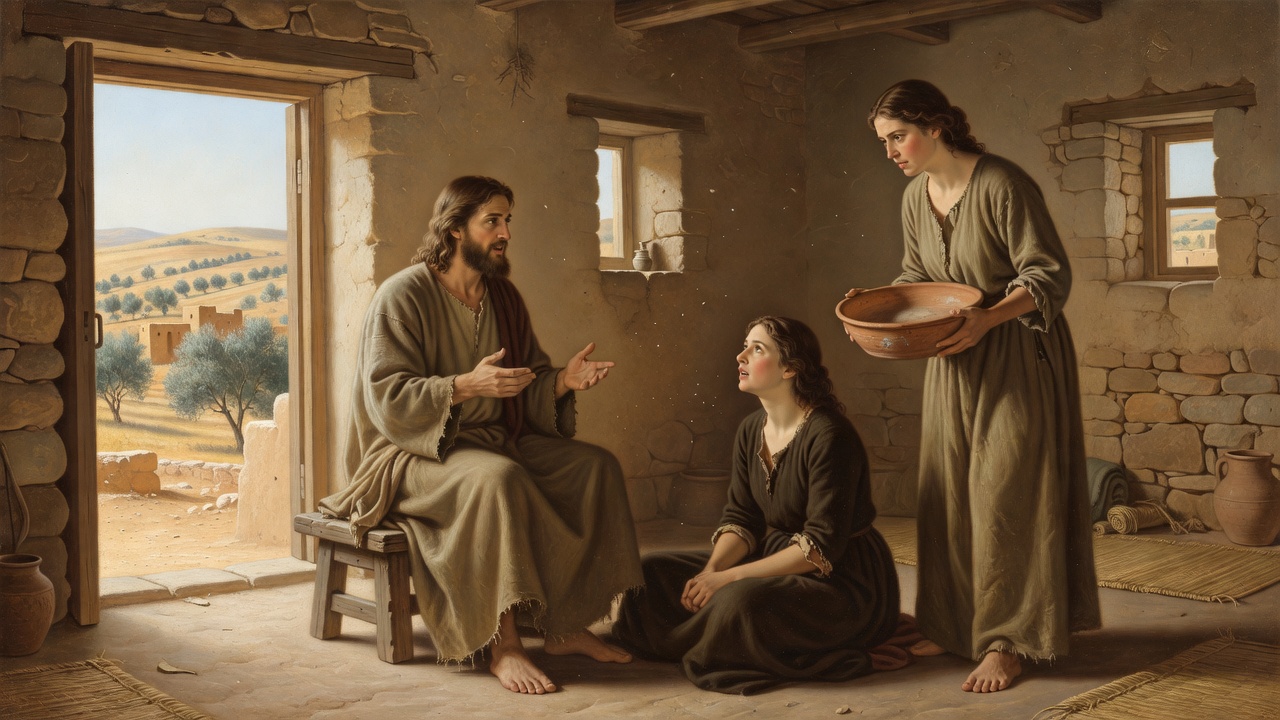
38Ĩ buerimasa rãca Jerusalénjʉ varũtu vacʉne, gaje macajʉ ĩnare ũmato ejayuju Jesús. Tojʉre Marta vãme cʉtigo, so bedeo, Mar'ia rãca ñañuju so. To bajiri ĩna ya vijʉ Jesús ĩ ejarone, ĩre bocacõari, ĩre sẽniñuju Marta. Sãjaejacõari, Jesús ĩ gotimasio ñaro tʉre rujiyuju so bedeo, Mar'ia, ĩre ajirujigo. 40To bajiro so bajijare, Martajʉa, “Jairo moare ti ñajare sĩgõne ñari, moatĩmabeaja yʉ” yigo, Jesúre ado bajiro ĩre yiboayuju so:
—Yʉ ʉjʉ, yʉ sĩgõne yʉ moasejʉarema tʉoĩabeaja mʉ. Yʉ bedeo, yʉre ejarẽmobeamo so. To bajiri, “Mʉ gagore sore moaejarẽmoña”, sore yiya mʉ —Jesúre ĩre yiboayuju Marta.
41To bajiro so yisere ajicõari, ado bajiro sore cʉdiyuju Jesús:
—Marta, yʉ maigõ, moarere tʉoĩarejaibesa mʉ. 42Mʉ bedeo, quẽnasejʉare tʉoĩamasiamo so. To bajiri yʉ gotisere ajigo yamo. To bajiro so bajijare, sore moarotire maja —sore yicʉdiyuju Jesús.
Did you know?
The mission, the towns, and Martha and Mary
- Easton's Bible Dictionary (1897) identifies Chorazin, named in this chapter's woes along with Bethsaida and Capernaum, with Kerazeh, about two and a half miles up the Wady Kerazeh from Capernaum. It says that after Jesus was expelled from Nazareth, Capernaum became his own city. The chapter compares those towns with Tyre and Sidon; the dictionary calls Sidon the first home of the Phoenicians on the coast of Palestine and the mother city of Tyre, about twenty-five miles north of Tyre.Sources: the Bible text itself · Chorazin · Capernaum · Sidon
- Easton's Bible Dictionary (1897) gives the name Martha as meaning bitterness, and says that she, her sister Mary, and their brother Lazarus lived at Bethany, with Martha probably the eldest. Because this passage calls the house hers, the dictionary notes that some have supposed she was a widow and that her brother and sister lodged with her. It describes her as anxious and bustling in caring for her guest, unlike Mary, who sat at Jesus' feet and listened.Sources: the Bible text itself · Martha · Mary (sister of Lazarus)
- The Lord appoints seventy-two others and sends them two by two ahead of him, and an event chronology dates that sending to AD 29. When they return, rejoicing that even the demons submit in his name, he says he saw Satan fall like lightning from heaven. Easton's Bible Dictionary (1897) explains the name Satan as adversary or accuser, and notes that the New Testament uses it interchangeably with the devil more than thirty times.Sources: the Bible text itself · 70 Sent Out · Satan
Notes written with AI assistance from open sources (Theographic Bible Metadata, CC BY-SA 4.0; Easton’s Bible Dictionary, public domain) and reviewed before publishing.
Places in this chapter
- Sidon · Today: Sandikli archaeological site in Sidon · 33.561, 35.372 · verses 13, 14
- Tyre · 33.271, 35.196 · verses 13, 14
- Jericho · Today: Tell el Alayiq · 31.852, 35.436 · verse 30
- Jerusalem · 31.777, 35.234 · verses 30, 38
Only places identified with high confidence are shown (90% or more according to the scholarly sources compiled by OpenBible). Period map: DARE (Digital Atlas of the Roman Empire), CC BY 4.0; modern map: © OpenStreetMap contributors; places: OpenBible.info (CC BY 4.0).
Credits and license for this translation
Dios oca gotirituti
New Testament in Barasana-Eduria (CO:bsn:Barasana-Eduria)
copyright © 2010 Wycliffe Bible Translators, Inc.
Language: Barasana-Eduria
Translation by: Wycliffe Bible Translators, Inc.
Copyright Information
© 2010, Wycliffe Bible Translators, Inc. All rights reserved.
This translation text is made available to you under the
terms of the Creative Commons License: Attribution-Noncommercial-No Derivative Works.
( http://creativecommons.org/licenses/by-nc-nd/3.0/ )
In addition, you have permission to port the text to different file formats, as long as you
do not change any of the text or punctuation of the Bible.
You may share, copy, distribute, transmit, and extract portions
or quotations from this work, provided that you include the above copyright
information:
You must give Attribution to the work.
You do not sell this work for a profit.
You do not make any derivative works that change any of the actual words or punctuation of the Scriptures.
Permissions beyond the scope of this license may be
available if you contact
us with your request.
The New Testament
in Barasana-Eduria
© 2010, Wycliffe Bible Translators, Inc. All rights reserved.
This translation is made available to you under the terms of the
Creative Commons Attribution-Noncommercial-No Derivatives license 4.0.
You may share and redistribute this Bible translation or extracts from it in any format, provided that:
You include the above copyright and source information.
You do not sell this work for a profit.
You do not change any of the words or punctuation of the Scriptures.
Pictures included with Scriptures and other documents on this site are licensed just for use with those Scriptures and documents.
For other uses, please contact the respective copyright owners.
2014-04-22
Source: http://ebible.org/bsnNT/ · eBible.org