Hebrews 3
Dios oca gotirituti · Tap a verse to see its cross-references.
“Moisés rẽtoro ñamasugʉ̃ ñagʉ̃mi Jesús”, yire queti
1To bajiri, “Jesús manire ejarẽmogʉ̃ ñaami”, yimasiaja mani. Manijʉa, “Dios ĩ ejarẽmose rãca Cristore ĩre ajitirʉ̃nʉroti ñaja” yimasicõari, ĩre cʉdirã ñaja mani. “Yʉ yarã ñato” Dios ĩ yiriarã ñaja. Jesújʉa ñagʉ̃mi, “Masare quẽnaro yʉ yirotire gotiba” Dios ĩ yicõar'i. To bajicõari, tirʉ̃mʉjʉ paia ʉjarã ĩna yisʉoadimasire ũnire yigʉ, Cristo quẽne rojose mani yisere “Masirioato Dios” yigʉ, manire sẽnibosagʉ ñagʉ̃mi. To bajiri, “Ñamasugʉ̃ ñagʉ̃mi Jesús”, yitʉoĩato mani. 2Adi macarʉcʉrojʉre ñagʉ̃ Dios ĩ rotirore bajirone yigʉ, Dios yarã masare quẽnaro ejarẽmoñumi Jesús. To bajirone yimasiñuju Moisés ñamasir'i quẽne. Dios ĩ rotirore bajirone yigʉ, Dios yarãre quẽnaro ejarẽmomasiñuju. 3Quẽnaro ĩnare ejarẽmomasir'i ñaboarine, “‘Rojose mana ñaama’ Dios ĩ yiĩarã ñato”, yimasibetimasiñuju. Jesújʉama, “‘Rojose mana ñaama’ Dios ĩ yiĩarã ñato”, yimasigʉ̃ ñaami. To bajiro yigʉ ĩ ñajare, Moisés ñamasir'i rẽtoro Cristore rʉ̃cʉbʉoroti ñaja. 5Moisés ñamasir'ijʉama, Dios moarimasʉre bajiro bajimasiñuju. To bajicõari, Dios ĩ yirotirore bajirone cʉdigʉ, Diore ajitirʉ̃nʉrãre quẽnaro ejarẽmogʉ̃ ñamasiñuju. To bajiro ĩ yimasirere tʉoĩacõari, “Cristo sʉori Dios manire quẽnaro ĩ yirotire gotimasiogʉ̃ yimasiñumi Moisés”, yimasiaja mani. 6Cristojʉama, Dios moarimasʉre bajiro me bajiyuju. Ĩ ñaami Dios macʉ, ĩ rotirore bajirone yigʉ. To bajicõari, Dios yarã ʉjʉ ñaami Cristo. “Cristo sʉori quẽnaro Dios ĩ yirotire yiecorʉarãja mani” mani tʉoĩatʉjabetijama, ĩ yarã ñacõa ñarũgũrʉarãja.
“Diore ajitirʉ̃nʉ tʉjabesa mʉa”, yire queti
7To bajiri Dios yarã ñari, Cristore ajitirʉ̃nʉ tʉjabeticõato mani. Dios ocare masa ĩna ucamasire Dios yarãre gotigʉ, ado bajiro yimasiñumi Esp'iritu Santo:
“Yucʉne mʉare yʉ gotisere mʉa ajijama, yʉ yirotirore bajiro cʉdiya.
8‘Mʉre ajitirʉ̃nʉmenaja yʉa’ yibesa. Mʉa ñicʉa yʉre jũnisinicõari, ĩna cʉdibetimasicatire bajiro bajibesa mʉa. Mʉa ñicʉa, masa manojʉ ĩna ñacudiro, jʉarã masa cõro ñaricʉ̃mari ĩaĩañamanire ĩnare yiĩorũgũboacajʉ yʉ. To yʉ yiboajaquẽne, yʉre ajirʉ̃cʉbʉomena ñari, ado bajise yirũgũcama ĩna: ‘Mani bojasejʉa mani yijama, ¿no bajise manire yirojari Dios?’ yirũgũcama ĩna.
10To bajiro ĩna yisere jũnisinicõari, ado bajise ĩnare yicajʉ yʉ: ‘Yʉre ajiterũgũaja mʉa. To bajiri, “Ado bajiro tʉoĩagʉ̃ ñagʉ̃mi”, yʉre yimasibeaja mʉa’, ĩnare yicajʉ yʉ.
11Quẽna gajeye ĩnare goticajʉ yʉ: ‘Riojo mʉare gotiaja yʉ. Yʉ rãca quẽnaro mʉa ñasere bojaboacajʉ yʉ. To bajiboarine cojoji me mʉajʉa yʉre mʉa ajibetijare, yʉ rãca quẽnaro ñabetirʉarãma’ yicõacajʉ yʉ”, yigotimasiñumi Dios ĩ cõagʉ̃ Esp'iritu Santo.
12To bajiri mani ñicʉa Diore ĩna ajitirʉ̃nʉ tʉjamasiriarore bajiro bajibesa yʉ yarã mʉa. Sĩgʉ̃ mani yʉ, “Dios ocare socase ñaja” ĩ yisere ajicõari, quẽnaro ĩre gotimasioña, “Masirẽtogʉ̃ Dios yere ajitirʉ̃nʉ tʉjaromi” yirã. 13Dios ocare gãmerã gotivariquẽnaña mʉa. “Maji busiyʉ gãmerã gotiroti ñaroja”, yitʉoĩabesa, mʉa rãcana sĩgʉ̃ri vãti ĩ rotisejʉare cʉdicõari, “‘Dios oca socase ñaja’ yiroma” yirã. To bajiri tocãrãcarʉ̃mʉne gãmerã goticõa ñarũgũroti ñaja mʉare, “Tire ajitirʉ̃nʉ tʉjabeticõato” yirã. 14Tirʉ̃mʉjʉ, Cristore ĩre mani ajitirʉ̃nʉsʉocatore bajirone ĩre ajitirʉ̃nʉcõa ñaroti ñaja manire. To bajiro mani bajicõa ñajama, mani bajirearo berojʉ õ vecajʉ Cristo rãca quẽnaro ñacõa ñarũgũrʉarãja mani.
15Tire mʉare yʉ gotirore bajirone gotiaja Dios ocare masa ĩna ucamasire:
“Yucʉne mʉare yʉ gotisere mʉa ajijama, yʉ yirotirore bajiro cʉdiya. ‘Mʉre ajitirʉ̃nʉmenaja yʉa’ yibesa. Mʉa ñicʉa yʉre jũnisinicõari, ĩna cʉdibetimasicatire bajiro bajibesa mʉa”, yigotiaja Dios ocare masa ĩna ucamasire.
16Mani ñicʉa ĩna bajimasirere tʉoĩaña mʉa quẽna: ¿Ñimarã ñañujari Dios ĩ masune ĩ gotisere ajirã ñaboarine, cʉdibetiriarã? Egipto sitajʉ ñarãre, Moisés ĩ ũmato variarãne bajiyuma. 17Jʉarã masa cõro ñaricʉ̃mari, Diore ĩna cʉdibetijare, bʉto jũnisiniñuju Dios. Ĩnare jũnisinicõari, ado bajiro ĩnare yimasiñuju Dios: “Riojo mʉare gotiaja yʉ. Quẽnari sitare mʉare yʉ ʉjorʉaboacatore ejabetirʉarãja mʉa”, ĩnare yimasiñuju Dios. To bajiro ĩ yire ñajare, ti sitajʉ ejamenane, masa manojʉ ĩna ñacudimasiriarojʉne bajireacoamasiñujarã ĩna. 19Tire ajicõari, “Diore ajirʉ̃cʉbʉobetiriarã ñari, ti sitajʉre ejabesuma”, yimasiaja mani.
Did you know?
Greater Glory Than Moses
- Hebrews asks its readers to fix their attention on Jesus, the apostle and high priest they confess. He was faithful to the one who appointed him, just as Moses was faithful in all God's house, but Jesus is counted worthy of greater glory than Moses, as the builder of a house has greater honor than the house. Moses was faithful as a servant; Christ is faithful as the Son over God's house.Sources: the Bible text itself
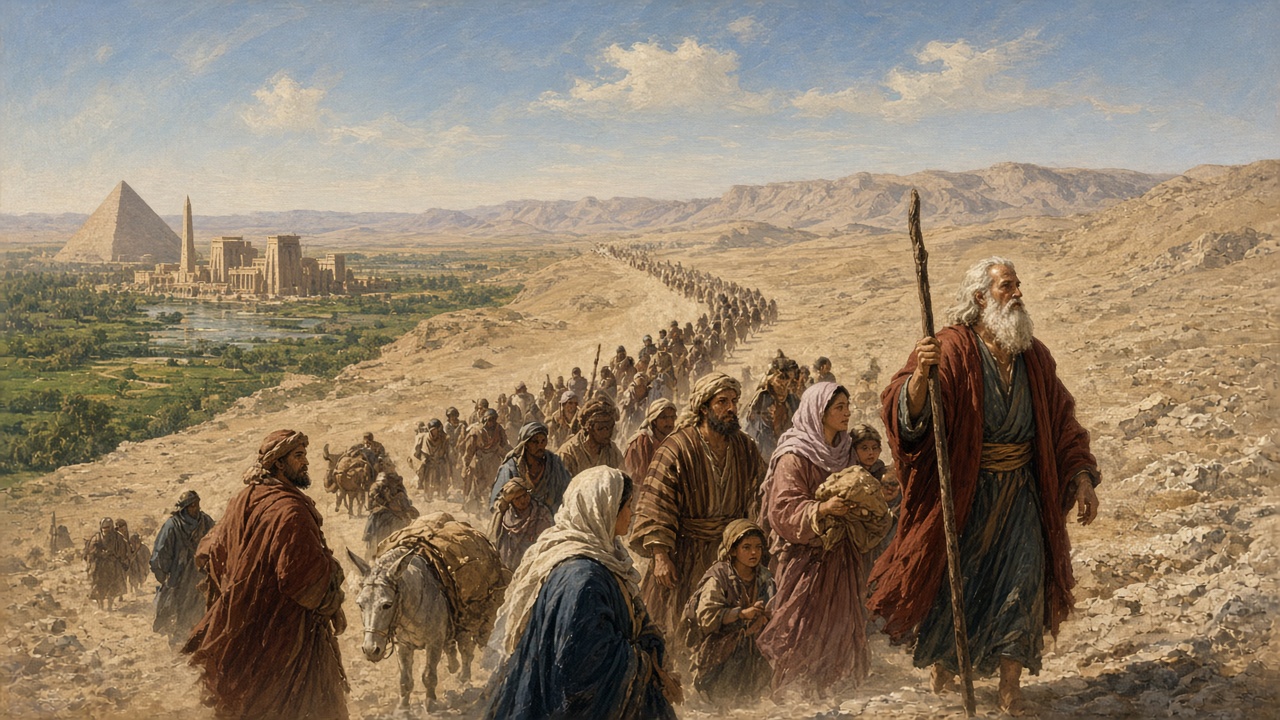
- The warning looks back to the people Moses led out of Egypt. For forty years in the wilderness they tested God, who was angry with that generation and swore they would never enter his rest; their bodies fell in the wilderness. The chapter says that unbelief kept them from entering.Sources: the Bible text itself
- Egypt, the land they left with Moses, is the land of the Nile and the pyramids. Easton's Bible Dictionary (1897) explains the name Moses as Drawn, or links it with the Egyptian word mesu, meaning son.Sources: the Bible text itself · Egypt · Moses
Notes written with AI assistance from open sources (Theographic Bible Metadata, CC BY-SA 4.0; Easton’s Bible Dictionary, public domain) and reviewed before publishing.
Places in this chapter
- Egypt · 30.129, 31.308 · verse 16
Only places identified with high confidence are shown (90% or more according to the scholarly sources compiled by OpenBible). Period map: DARE (Digital Atlas of the Roman Empire), CC BY 4.0; modern map: © OpenStreetMap contributors; places: OpenBible.info (CC BY 4.0).
Credits and license for this translation
Dios oca gotirituti
New Testament in Barasana-Eduria (CO:bsn:Barasana-Eduria)
copyright © 2010 Wycliffe Bible Translators, Inc.
Language: Barasana-Eduria
Translation by: Wycliffe Bible Translators, Inc.
Copyright Information
© 2010, Wycliffe Bible Translators, Inc. All rights reserved.
This translation text is made available to you under the
terms of the Creative Commons License: Attribution-Noncommercial-No Derivative Works.
( http://creativecommons.org/licenses/by-nc-nd/3.0/ )
In addition, you have permission to port the text to different file formats, as long as you
do not change any of the text or punctuation of the Bible.
You may share, copy, distribute, transmit, and extract portions
or quotations from this work, provided that you include the above copyright
information:
You must give Attribution to the work.
You do not sell this work for a profit.
You do not make any derivative works that change any of the actual words or punctuation of the Scriptures.
Permissions beyond the scope of this license may be
available if you contact
us with your request.
The New Testament
in Barasana-Eduria
© 2010, Wycliffe Bible Translators, Inc. All rights reserved.
This translation is made available to you under the terms of the
Creative Commons Attribution-Noncommercial-No Derivatives license 4.0.
You may share and redistribute this Bible translation or extracts from it in any format, provided that:
You include the above copyright and source information.
You do not sell this work for a profit.
You do not change any of the words or punctuation of the Scriptures.
Pictures included with Scriptures and other documents on this site are licensed just for use with those Scriptures and documents.
For other uses, please contact the respective copyright owners.
2014-04-22
Source: http://ebible.org/bsnNT/ · eBible.org