Colossians 3
Dios oca gotirituti · Tap a verse to see its cross-references.
1Cristore ĩna sĩaboajaquẽne ĩre catioyumi Dios. To bajiro ĩre yicõari, õ vecajʉ, “Yʉ rãca rotirʉcʉja mʉ”, ĩre yiyumi. Cristore mani ajitirʉ̃nʉroto rĩjoro, Diore masimena ñari, rojose yirã ñañuja mani maji. To bajiro mani yirũgũboarere yitʉjacõari, Cristore mani ajitirʉ̃nʉsʉoriarʉ̃mʉne, “Yʉ tʉjʉ varʉarãma”, manire yiyumi Dios. To bajiri, quẽnaro manire ĩ yirotire tʉoĩarũgũroti ñaja. 2Adigodoaye rojose tʉoĩamenane, Dios yejʉare tʉoĩarũgũroti ñaja. 3Rojose mʉa yirũgũrere yitʉjacõari, Cristore ajitirʉ̃nʉrã mʉa ñajare, “Ĩ rãca ñarũgũrʉarãja mʉa” Dios ĩ yiriarã ñañuja mʉa. To bajiri, rojose tʉoĩabetiroti ñaja. Cristo sʉorine mʉa rijato berojʉma “Tudirijabeticõato” yigʉ, Dios ĩ catisere ĩ ĩsiriarã ñaja mʉa. To bajiri mʉa rãca ñagʉ̃mi Cristo. To bajiro ĩ bajisere ĩamasibetiboarine, adigodo ĩ tudiejaro, “Ñajediro ʉjʉ ñaami”, ĩre yirʉ̃cʉbʉorʉarãma masa ñajediro. To cõrojʉ mʉare quẽne ĩ rãca mʉa ñasere ĩacõari, “Ĩ yarã ñañuma”, mʉare yirʉ̃cʉbʉorʉarãma ĩna yuja.
“Rojose yibesa mʉa”, Pablo ĩ yire queti
5Rojose mʉa yirũgũsere yitʉjaya mʉa. Manajo cʉtirã, manajʉ cʉtirã, manajo mana, manajʉ mana quẽne, gãjerã rãca ajeriarã cʉtibesa. Rojose yirʉa tʉoĩabesa. To yicõari, Diore mʉa mairo rẽtoro, gajeyeũnire maibesa. Diore mʉa mairo rẽtoro, gajeyeũnire mʉa maijama, Diore rʉ̃cʉbʉorã me yirãja mʉa. 6Rojose yirãre Dios rojose ĩnare ĩ yiroti ti ñajare, rojose yibesa mʉa. 7Tirʉ̃mʉjʉ rojose yimasiriarãja mʉa maji. 8Adirʉ̃mʉrirema ñajediro rojose mʉa yirũgũrere to cõrone tire yitʉjaya. Gãjerã rojose mʉare ĩna yiboajaquẽne, jũnisinibesa mʉa. Gãjerãre ĩatebesa. Gãjerãre rojose ñagõmacabesa. 9Mʉa socarũgũriarore bajiro socabesa mʉa. Cristore mʉa ajitirʉ̃nʉsʉorone, mʉare ejarẽmosʉoyumi. To bajicõari, quẽnabʉsaro Diore mʉa masirotire yigʉ, mʉa rãca ñacõa ñagʉ̃mi. To bajiri ñajediro rojose yibetiroti ñaja. 11To bajiro ti bajijare, jud'io masa mʉa ñajama, mʉa ñabetijaquẽne, no yibeaja. Circuncisión yiriarã mʉa ñajama, mʉa ñabetijaquẽne, no yibeaja. Gãjerã masa ñaboarine, mʉa rãcana yere ajimasirã mʉa ñajama, mʉa ñabetijaquẽne, no yibeaja. Moabosarimasa mʉa ñajama, mʉa ñabetijaquẽne, no yibeaja. Cristo ñaami mani jediro ʉjʉ. Manire ejacõari, mani rãca ĩ ñase rĩne ñaja ñamasusema.
12“Yʉ yarã ñaña mʉa” yigʉ, Dios ĩ beseriarã ñarãja mʉa quẽne. To bajiri ĩ ĩamairã ñarãja mʉa. To bajiro bajirã ñari, gãmerã ĩamaicõari, quẽnaro yirũgũroti ñaja mʉare. “Yʉ rẽtoro ñamasurã ñaama”, gãjerãre yirʉ̃cʉbʉorũgũroti ñaja. Gãjerã mʉare rojose ĩna yiboajaquẽne, ĩnare jũnisinibetiroti ñaja mʉare. 13Ĩnare jũnisinibeticõari, rojose mʉare ĩna yisere masiriorʉarãja mʉa. Mani ʉjʉ rojose mʉa yisere ĩ masirioriarore bajirone rojose mʉare yirãre masirioya mʉa quẽne. 14Ti jediro yiroti ti ñaboajaquẽne, rẽtoro ñamasuse ñaja gãmerã ĩamaire. Mʉa gãmerã ĩamaijama, Dios ĩ bojarore bajiro yirã, quẽnaro ñarũgũrʉarãja mʉa. 15Cristo sʉorine quẽnaro ñarã ñari, mʉa yirotire tʉoĩacõari, “To bajiro yʉ yijama, ĩna rãca quẽnaro ñacõarʉcʉja” yimasicõari rĩne, yirʉarãja mʉa. Quẽnaro mʉa ñarũgũsere Dios ĩ bojajare, to bajiro yirũgũrʉarãja mʉa. Ĩ sʉorine quẽnaro ñarã ñari, “Quẽnaro yaja mʉ”, Diore yirũgũrʉarãja mʉa.
16Cristo ocare masirã ñari, quẽnaro tʉoĩacõari, tire gãmerã gotimasiorũgũrʉarãja mʉa, “Ti ocare bʉtobʉsa masirãsa mani” yirã. To yicõari, Dios ocare masa ĩna ucamasire basare, Diore tʉoĩarã basare quẽne, basaya mʉa. To bajiro mʉa yijama, mʉare quẽnaro Dios ĩ yisere tʉoĩacõari, bʉto variquẽnase rãca basarũgũrʉarãja. 17To yicõari, tocãrãcajine mʉa gotijama, mʉa moajaquẽne, mani ʉjʉ Jesúre ajitirʉ̃nʉrã ñari, ĩ bojarore bajiro rĩne yirũgũrʉarãja mʉa. To yicõari, “Quẽnaro yaja mʉ”, mani jacʉ Diore yivariquẽnarũgũrʉarãja mʉa.
Cristore ajitirʉ̃nʉrã mani bajise queti
18Rõmiare, manajʉa cʉtirãre, mʉare gotigʉ yaja yʉ. Cristore ajitirʉ̃nʉrã ñari, mʉa manajʉare quẽnaro ajirʉ̃cʉbʉorũgũña. 19Ʉ̃mʉajʉare, mʉare quẽne gotigʉ yaja yʉ. Mʉa manajoare quẽnaro maiña. To yicõari, quẽnaro ĩnare gotiya.
20Rĩamasajʉare, ado bajise mʉare quẽne gotiaja yʉ: Tocãrãcajine mʉa jacʉa ĩna rotirore bajirone cʉdirũgũrʉarãja mʉa. To bajiro mʉa yisere ĩacõari, variquẽnarʉcʉmi mani ʉjʉ. 21Ĩna jacʉajʉare, mʉare quẽne gotigʉ yaja yʉ. Mʉa rĩare tud'ibesa, “Ajisʉtiriticõari, quẽnasere yitʉjaroma” yirã.
22Moabosarimasare, mʉare quẽne gotigʉ yaja yʉ. Cojoji rʉyabeto variquẽnase rãca mʉare moare rotirãre quẽnaro cʉdiya mʉa. “Manire moare rotirã ĩna ĩaro rĩne quẽnaro moarʉarãja, ‘Manire ĩavariquẽnato’ yirã”, yitʉoĩabetirʉarãja mʉa. Ĩna ĩaro, ĩna ĩabeto quẽne, quẽnaro ĩnare moabosarũgũrʉarãja mʉa, “Ĩnare quẽnaro mani moabosabetijama, rẽtoro masigʉ̃, mani ʉjʉ, Cristo, manire ĩavariquẽnabecʉmi” yitʉoĩa güirã ñari. 23Mʉa yimasiro cõro Cristore mʉa moabosarore bajirone mʉare rotirãre quẽnaro ĩnare moabosarʉarãja mʉa. 24Cristo sĩgʉ̃ne ñaami mani ʉjʉ ñamasugʉ̃. To bajiri, ñajediro ĩ bojarore bajiro yirũgũroti ñaja manire. To bajiro tʉoĩacõari, mani moajama, ĩre moabosarã yirãja mani. Tire masiritibesa. Mani ʉjʉ ñari, ĩ gotiriarore bajirone quẽnaro manire vaja yirʉcʉmi. Ti ñaja ĩ ñarojʉ ejacõari, gãjerã ĩre ajitirʉ̃nʉrã rãca quẽnamasuse manire ĩ ĩsiroti. 25To bajiboarine rojose mʉa yirũgũjama, rojose mʉare yirʉcʉmi Dios. To bajiri, “Ãnoama rojose yirã ĩna ñaboajaquẽne, quẽnaro ĩnare yirʉcʉja yʉ”, yigʉ me ñaami.
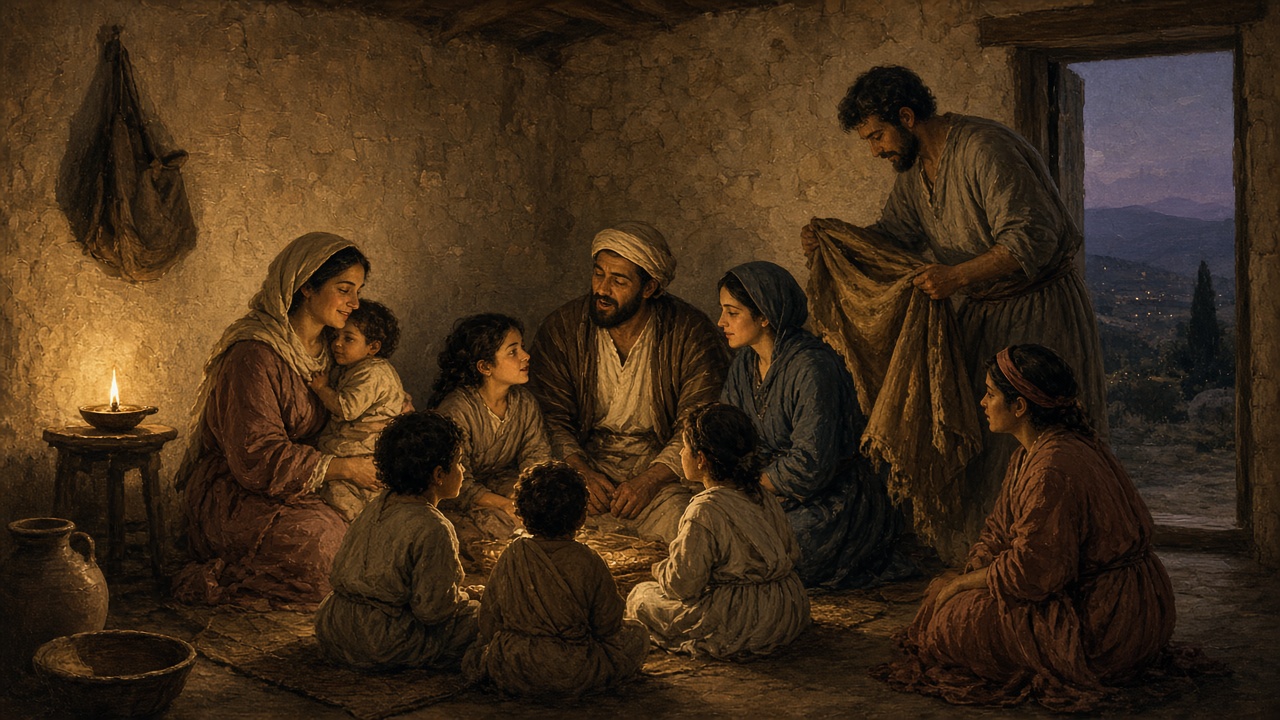
Did you know?
New life in one body and at home
- This chapter pictures a changed life as a change of clothing. Readers are said to have taken off the old self with its practices and put on the new self, which is being renewed in knowledge in the image of its Creator. They are then told to clothe themselves with hearts of compassion, kindness, humility, gentleness, and patience, and to put on love over all these virtues as the bond of perfect unity.Sources: the Bible text itself
- The chapter lists Greek and Jew, circumcised and uncircumcised, barbarian, Scythian, slave and free, and declares that here none of these distinctions remains, because Christ is all and is in all.Sources: the Bible text itself
- The chapter then gives instructions for household relationships: wives and husbands, children and parents, and slaves and their earthly masters. Fathers are warned not to provoke their children, so that the children will not become discouraged. Slaves are told to obey with sincerity of heart, not only while they are being watched, and to work with their whole being for the Lord rather than for men, with the promise of an inheritance from the Lord as a reward; whoever does wrong will be repaid, and there is no favoritism.Sources: the Bible text itself
Notes written with AI assistance from open sources (Theographic Bible Metadata, CC BY-SA 4.0; Easton’s Bible Dictionary, public domain) and reviewed before publishing.
Credits and license for this translation
Dios oca gotirituti
New Testament in Barasana-Eduria (CO:bsn:Barasana-Eduria)
copyright © 2010 Wycliffe Bible Translators, Inc.
Language: Barasana-Eduria
Translation by: Wycliffe Bible Translators, Inc.
Copyright Information
© 2010, Wycliffe Bible Translators, Inc. All rights reserved.
This translation text is made available to you under the
terms of the Creative Commons License: Attribution-Noncommercial-No Derivative Works.
( http://creativecommons.org/licenses/by-nc-nd/3.0/ )
In addition, you have permission to port the text to different file formats, as long as you
do not change any of the text or punctuation of the Bible.
You may share, copy, distribute, transmit, and extract portions
or quotations from this work, provided that you include the above copyright
information:
You must give Attribution to the work.
You do not sell this work for a profit.
You do not make any derivative works that change any of the actual words or punctuation of the Scriptures.
Permissions beyond the scope of this license may be
available if you contact
us with your request.
The New Testament
in Barasana-Eduria
© 2010, Wycliffe Bible Translators, Inc. All rights reserved.
This translation is made available to you under the terms of the
Creative Commons Attribution-Noncommercial-No Derivatives license 4.0.
You may share and redistribute this Bible translation or extracts from it in any format, provided that:
You include the above copyright and source information.
You do not sell this work for a profit.
You do not change any of the words or punctuation of the Scriptures.
Pictures included with Scriptures and other documents on this site are licensed just for use with those Scriptures and documents.
For other uses, please contact the respective copyright owners.
2014-04-22
Source: http://ebible.org/bsnNT/ · eBible.org