Acts 5
Dios oca gotirituti · Tap a verse to see its cross-references.
Anan'ias, ĩ manajo Safira rãca, ĩna yitore queti
1Anan'ias vãme cʉtigʉ ĩ manajo Safira rãca, quẽnaro yirã me ñañujarã ĩna. Anan'ias ĩ manajo rãca ĩna ya vesere gãjerãre ĩsiñujarã. To yicõari, gãjoa bʉjayujarã ĩna. 2Anan'ias ĩ manajo rãca cojoro cõro tʉoĩañujarã ĩna. To bajiri gãjoa mojoro yayioyujarã ĩna. To yicõari Jesús gotiroticõasʉoriarãre ĩsigʉ̃ vacoasuju, rʉyasere. Ĩna tʉjʉ ejacõari,
—Ado cõrone bʉjabʉ yʉ —ĩnare yiĩsiñuju Anan'ias.
3To ĩ yisere ajicõari, ado bajiro ĩre yiyuju Pedro:
—Anan'ias, ¿no yigʉ Diore ĩategʉre vãtia ʉjʉre cʉdiati mʉ? ¿Mʉ ya vese me ñari, mʉ ĩsiriavesema? ¿Ti vese vaja mʉre ĩna ĩsirema, mʉ ye me ñari? To bajiro ti bajiboajaquẽne, “Ti vese vaja ñaro cõrone mʉare ĩsiaja yʉ”, yitoaja mʉ. To bajiro yʉare mʉ yitojama, yʉa rĩrene yitogʉ me yaja mʉ. Diore, Esp'iritu Santore quẽne yitogʉ yaja mʉ —yiyuju Pedro, Anan'iare.
5To ĩ yisere ajicõari, rijaquedicoasuju Anan'ias. To bajiro ĩ bajirere ajicõari, bʉto güiyujarã toana. 6Sĩgʉ̃ri mame bʉcʉarã Anan'ias rujʉre gũmacõari, ĩre yujerã vacoasujarã ĩna.
7Tres hora bero ejayuju Anan'ias ñaboar'i manajo. “To bajiro bajiriaroja”, yibesuju so. 8To so ejarone,
—¿Adi ñati vese vaja, jediro mʉa bʉjare? —sore yiyuju Pedro.
—Ti ñaro cõrone ñaja —ĩre yicʉdiyuju so.
9To so yisere ajicõari, ado bajiro sore yiyuju Pedro:
—¿No yirã mʉ manajʉ rãca cojoro cõro tʉoĩacõari, Dios ĩ cõagʉ̃ Esp'iritu Santore yitorʉari mʉa? Õ tʉsaroma mʉ manajʉre yujerã variarã. Mʉre quẽne ãmiaroana yirãma, mʉre yujerʉarã —sore yiyuju Pedro.
10To ĩ yirirĩmarone, rijaquedicoasuju sojʉama. Sãjanane, rijaqueariore ĩabʉjayujarã mame bʉcʉarã. To bajiri sore ãmibudicõari, so manajʉre ĩna yujeriaro tʉjʉ sore yujeyujarã. 11To bajiri, Jesúre ajitirʉ̃nʉrã ñajediro, to yicõari, ĩna tʉana quẽne, “To bajiyuju” yisere ajicõari, bʉto güiyujarã ĩna.
Jesús ĩ gotiroticõasʉoriarã, ĩaĩañamanire ĩna yiĩore queti
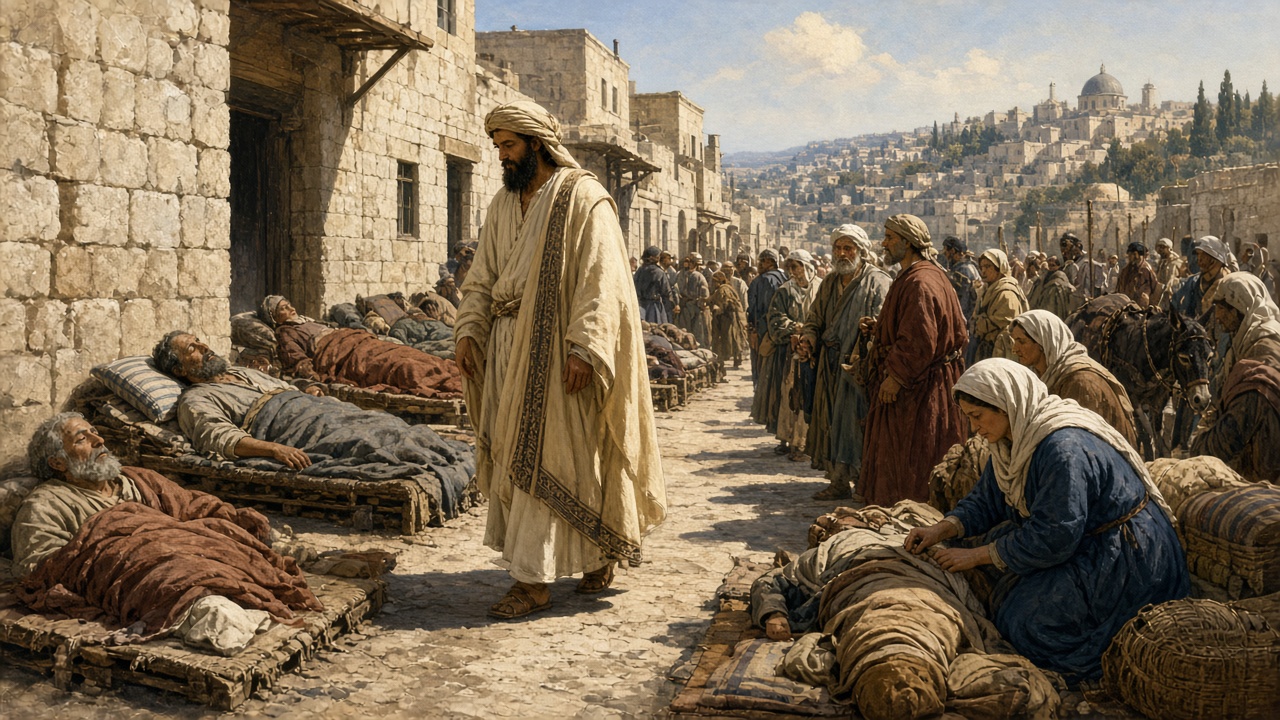
12Tirʉ̃mʉrire Jesúre ajitirʉ̃nʉrã jediro sĩgʉ̃re bajiro tʉoĩarã, Diore yirʉ̃cʉbʉoriavi, Salomón vãme cʉtijacatʉajʉare rẽjarũgũñujarã ĩna. To bajicõari, Jerusalén macana ĩna ĩaro rĩjoro Dios ĩ masise rãca ĩaĩañamanire yiĩoñujarã ĩna Jesús ĩ gotiroticõasʉoriarã. 13To bajiri, Jesúre ajitirʉ̃nʉrãre, “Quẽnarã masu ñaama”, ĩnare yirʉ̃cʉbʉoyujarã Jerusalén macana. To bajiro yiboarine, Anan'ias ĩ manajo Safira mesa ĩna bajirere masicõari, “‘Jesúre ajitirʉ̃nʉgʉ̃ ñaja yʉ quẽne’ yisocacõari sãjarʉcʉja yʉ”, yibesujarã ĩna, güirã. 14To bajiri jãjarãbʉsa ñarũtuasujarã Jesúre ajitirʉ̃nʉrã. Rõmia quẽne, ʉ̃mʉa quẽne ñañujarã. 15Ĩaĩañamanire Pedro ĩ yiĩorere ajicõari, rijaye cʉtirãre ĩna jesariajaʉri rãcane maa tʉ ĩnare juaejoyujarã ĩna. To bajiro ĩna yiejorã, Pedro ĩ rẽtorotire yuñañujarã, “Yʉare moaĩato ĩ” yirã. “Ĩ moaĩabetijaquẽne, ĩ vãti mani joere ti rẽtojama, caticoarʉarãja mani” yirã, yuñañujarã ĩna. 16To bajicõari, ti maca tʉana jãjarã masa vasujarã, Jerusalénjʉre, rijaye cʉtirãre, to yicõari ĩna ʉsʉrijʉre vãtia sãñarãre quẽne juavana. To bajiri rijaye cʉtiboariarã catijedicoasujarã. Ĩna ʉsʉrijʉre vãtia sãñarãre, vãtiare ĩnare bureayujarã ĩna, Jesús ĩ gotiroticõasʉoriarã.
Jesús ĩ gotiroticõasʉoriarãre ĩna ĩajũnisinire queti
17Tire ajicõari, paia ʉjʉ ĩ rãcana, saduceo masa quẽne bʉto jũnisiniñujarã, Jesús ĩ gotiroticõasʉoriarãre. 18To bajiri ĩnare ñejeroticõari tubiberiavijʉ tubiberotiyujarã ĩna, Jesús ĩ gotiroticõasʉoriarãre. 19To ĩna yiboajaquẽne, tubiberiavijʉ ĩna ñaro, ángel ĩnare ruyuayuju ĩ, ñamijʉ. To bajicõari, ĩnare jãnabucõañuju. 20Ĩnare jãnabucõari,
—Diore yirʉ̃cʉbʉoriavijʉ vasa mʉa —yiyuju. —To ejacõari masare gotiba, Dios ĩ catisere ĩna cʉorotire yirã —ĩnare yiyuju ángel.
21To bajiri busurijʉ jẽjʉ, Diore yirʉ̃cʉbʉoriavire sãjaejacõari, masare ĩnare gotimasioñujarã quẽna.
Dios oca masare ĩna gotimasio ñarone, paia ʉjʉ, ĩ rãcana, to yicõari, Israel sitana ʉjarã quẽne rẽjañujarã ĩna. To yicõari, “Tubiberiavijʉ ñarãma” yirã, ĩnare jiroticõañujarã ĩna. 22Ĩna jiroticõariarã tubiberiavijʉre ĩna ejaro, mañujarã ĩna. To bajiboa, tudicoasujarã ĩna, gotirã tudiana. 23Tudiejacõari, gotiyujarã ĩna:
—Tubiberiavi quẽnaro turiaro ti ñarore ejaboabʉ yʉa. Ti vire coderimasa quẽne tone ñaboama ĩna. To bajiboarine sojere jãnacõari yʉa ĩajama, mama ĩna, Jesús ĩ gotiroticõasʉoriarã —yigotiyujarã ĩna, tudiejana.
24Tire ajicõari, paia ʉjʉ, Diore yirʉ̃cʉbʉoriavire coderimasa ʉjʉ quẽne, no yimasibesujarã ĩna yuja. “To bajiro ĩna bajijama, ¿no bajiro yiroana yirãda ĩna?”, yiyujarã ĩna. 25To ĩna yitʉoĩarejaiñarone sĩgʉ̃, ĩna tʉre ejacõari, ado bajiro ĩnare gotiyuju:
—Mʉa tubibecũboariarãma, Diore yirʉ̃cʉbʉoriavijʉ masare gotimasio ñama ĩna —ĩnare yigotiyuju.
26To ĩ yijare, Diore yirʉ̃cʉbʉoriavi coderimasa ʉjʉ, ĩre moabosarimasa rãca Jesús ĩ gotiroticõasʉoriarãre ĩnare ñejerã vasujarã ĩna. To bajicõari rujaji yimenane, ĩnare ñejecoasujarã, “Rujajine ĩnare mani yijama, manire gʉ̃tane reasĩaborãma masa” yigüirã ñari. 27To bajiro ĩnare yi vacõari, ʉjarã rĩjorojʉare ĩnare ũmato ejayujarã ĩna. Ĩna ejaro ĩacõari, ado bajiro ĩnare yiyuju paia ʉjʉ:
28—Jesús yere mʉa gotimasiosere, mʉare gotirotibetiboacajʉ yʉa. To yʉa yiboajaquẽne, adoanare Jerusalén macanare ĩna ñaro cõro ĩnare buecudiyuja mʉa. To bajiri sĩgʉ̃ rʉyariaro mano masiama mʉa gotimasiocudisere. “Ĩna sʉorine sĩaecocami Jesús”, yiyuja mʉa, yʉare —yiyuju paia ʉjʉ, Jesús ĩ gotiroticõasʉoriarãre.
29To ĩ yisere ajicõari ado bajiro ĩre cʉdiyuju Pedro, ĩ babarã rãca:
—Diojʉare cʉdiroti ñaja manire. Masa ĩna rotisere rẽtoro ñaja Dios ĩ rotisejʉa. 30Mani ñicʉa ĩna rʉ̃cʉbʉomasir'ine ñaami Jesúre yucʉ́tẽrojʉ mʉa jajusĩarotir'irene tudicatior'ima. 31Õ vecajʉ ñacõari, Jesúre ĩre jiyuju. To bajiri ĩ riojojacatʉa rʉ̃cʉbʉoriajʉre rujigʉmi. Jesús masa ʉjʉ ñarocʉre, ĩna rijato berojʉ rojose tãmʉotʉjabetiriarojʉ ĩna vaborotire ĩnare yirẽtobosarocʉre cũñuju Dios. “Mʉ sʉori Israel jãnerabatia rojose ĩna yisere yitʉjamasirʉarãma” yigʉ, to yicõari, “To bajiro yirãre rojose ĩna yisere masiriomasirʉcʉja yʉ” yigʉ, ĩre cõañuju Dios. 32Tire masiaja yʉa. Dios ĩ cõagʉ̃ Esp'iritu Santo rãca ñaja yʉa. To bajiri jediro Dios ĩ yirere gotiaja yʉa. No bojagʉre Dios ĩ yirore bajiro cʉdigʉre, Esp'iritu Santore ĩre cõarʉcʉmi —yiyujarã ĩna, Pedro ĩ babarã rãca.
33To ĩ yisere ajicõari, bʉto jũnisinirã ñari, ĩnare sĩarʉayujarã. 34Gamaliel vãme cʉtigʉ, ĩna rãcagʉ, Dios ĩ rotimasirere gotimasiorimasʉ ñañuju ĩ, masa ĩna rʉ̃cʉbʉogʉ. Vʉ̃mʉrʉ̃gʉ̃cõari, —Pedro, ĩ babarãre ĩnare bucõaña —yiyuju, gãjerã ʉjarã rãca ñagõrʉ. 35To yicõari, ado bajiro ĩ babarãre gotiyuju:
—Quẽnaro ajiya yʉ yarã mʉa. Ãnoare mʉa yirʉasere quẽnaro tʉoĩaña mʉa. 36Teudas ĩ yirere masiritibesa mʉa. Yoabeaja ti, “Ñamasugʉ̃ ñaja” ĩ yiboariaro bero. Tire ajicõari, “Socaro me bajiroja”, ĩre yisʉyaboayujarã cuatrocientos ñarã. Tijʉ bero, gãjerã ĩre sĩacõañujarã. To bajiri ĩre sʉyaboariarã no ĩna bojarone bajicõañuma ĩna. Ĩ gotimasioboare quẽne to cõrone jedicoasuja. 37Tijʉ bero, “To cõro ñaama masa” yimasirʉarã, ĩna ucaturotirirʉ̃mʉrire Galileagʉ, Judas vãme cʉtigʉ ñañuju. Ĩre quẽne ĩ gotisere ajicõari jãjarã masa ĩre sʉyaboayujarã. Tijʉ bero, ĩre sĩacõañujarã gãjerã. To ĩna yijare, ĩre sʉyaboariarã no ĩna bojarone bajicõañuma ĩna quẽne. 38To bajiri mʉare gotiaja yʉ: Gõjanabiobesa ãnoare. No ĩna bojarore bajiro yato. Ĩna masune tʉoĩacõari, ĩna gotimasiocudijama, yayiori mene jedicõarʉaroja tia. 39Dios ĩ gotirotiserene ĩna yijama, gãjerãre ĩna gotisere “Ajitirʉ̃nʉbeticõato” yirã, no bajiro yimasimenaja mʉa. To bajiri mʉa yirʉasere quẽnaro tʉoĩaña mʉa; Dios ĩ rotiserene yicõari, “Yibetirotirene yiyuja” yirobe —ĩnare yiyuju Gamaliel, ĩ babarãre.
40To ĩ yisere ajicõari,
—Socʉ me yaja mʉ. To bajiro masu bajirʉaroja ti —yiyujarã ĩna.
To yi, Pedrore, to yicõari, ĩ babarãre quẽne jiejocõari, ĩnare bajerotiyujarã ĩna yuja. Ĩnare bajegajano, Jesús yere ĩna gotimasiosere gotirotibesujarã ĩna yuja. To yicõari, ĩnare budirotiyujarã. 41To bajiro ĩnare ĩna yiro bero, Pedro, ĩ babarã rãca ʉjarã vatoare ñariarã, variquẽnase rãca budicoasujarã. Jesúre mani ajitirʉ̃nʉse sʉori rojose yiecoaja mani. “‘To bajiro bajirʉarãma, Jesúre ajitirʉ̃nʉ tʉjamena ñari’ Dios ĩ yire ñajare, bajiaja mani”, yitʉoĩa variquẽna budiasujarã. 42To bajiri Jesús yere ʉjarã ĩna gotirotibetiboajaquẽne, masare gotimasio tʉjabesujarã ĩna. Tocãrãcarʉ̃mʉne Diore yirʉ̃cʉbʉoriavijʉre, to yicõari ĩna ya virijʉre quẽne Jesucristo yere masare gotimasiocudirũgũñujarã ĩna.
Did you know?
Deceit, wonders, and the Sanhedrin
- Ananias, a member of the Jerusalem church, and his wife Sapphira, whose name means beautiful, sold a piece of land and, with her knowledge, kept back part of the price while bringing the rest to the apostles. He could have kept the property; Peter reminded him that it remained at his disposal both before and after the sale. The wrong was the lie: he professed to give it all, Sapphira confirmed the false price, and both died, she sharing his guilt and his punishment.Sources: Ananias (Husband of Sapphira) · Sapphira · the Bible text itself
- The believers gathered with one accord in Solomon’s Colonnade, where the apostles performed many signs and wonders. That colonnade probably stood on the eastern side of the temple. It is not mentioned in connection with the first temple, though Josephus refers to a porch of that name in Herod’s temple.Sources: Solomon's Portico · the Bible text itself
- When the high priest and his associates, who belonged to the party of the Sadducees, had the apostles arrested, a Pharisee named Gamaliel stood up in the Sanhedrin. He is described as a teacher of the law honored by all the people, the son of Rabbi Simeon and grandson of the famous Rabbi Hillel, and as an opponent of the Sadducees; he urged the council to leave the men alone. He pointed to Theudas, who had led an insurrection against Roman authority and, as Gamaliel told it, gathered about four hundred men before the rising came to nothing—beyond that, nothing else is known of Theudas—and to Judas the Galilean, who perished in the days of the census.Sources: Gamaliel · Theudas · the Bible text itself
Notes written with AI assistance from open sources (Theographic Bible Metadata, CC BY-SA 4.0; Easton’s Bible Dictionary, public domain) and reviewed before publishing.
Places in this chapter
- Solomon’s Portico · Today: in Jerusalem · 31.777, 35.234 · verse 12
- Jerusalem · 31.777, 35.234 · verses 16, 28
- Galilee · 32.760, 35.527 · verse 37
Only places identified with high confidence are shown (90% or more according to the scholarly sources compiled by OpenBible). Period map: DARE (Digital Atlas of the Roman Empire), CC BY 4.0; modern map: © OpenStreetMap contributors; places: OpenBible.info (CC BY 4.0).
Credits and license for this translation
Dios oca gotirituti
New Testament in Barasana-Eduria (CO:bsn:Barasana-Eduria)
copyright © 2010 Wycliffe Bible Translators, Inc.
Language: Barasana-Eduria
Translation by: Wycliffe Bible Translators, Inc.
Copyright Information
© 2010, Wycliffe Bible Translators, Inc. All rights reserved.
This translation text is made available to you under the
terms of the Creative Commons License: Attribution-Noncommercial-No Derivative Works.
( http://creativecommons.org/licenses/by-nc-nd/3.0/ )
In addition, you have permission to port the text to different file formats, as long as you
do not change any of the text or punctuation of the Bible.
You may share, copy, distribute, transmit, and extract portions
or quotations from this work, provided that you include the above copyright
information:
You must give Attribution to the work.
You do not sell this work for a profit.
You do not make any derivative works that change any of the actual words or punctuation of the Scriptures.
Permissions beyond the scope of this license may be
available if you contact
us with your request.
The New Testament
in Barasana-Eduria
© 2010, Wycliffe Bible Translators, Inc. All rights reserved.
This translation is made available to you under the terms of the
Creative Commons Attribution-Noncommercial-No Derivatives license 4.0.
You may share and redistribute this Bible translation or extracts from it in any format, provided that:
You include the above copyright and source information.
You do not sell this work for a profit.
You do not change any of the words or punctuation of the Scriptures.
Pictures included with Scriptures and other documents on this site are licensed just for use with those Scriptures and documents.
For other uses, please contact the respective copyright owners.
2014-04-22
Source: http://ebible.org/bsnNT/ · eBible.org