Acts 24
Dios oca gotirituti · Tap a verse to see its cross-references.
“Rojose yibeticajʉ yʉ”, Pablo, Ʉjʉ Félixre ĩ yire queti
1Cojomocãrãcarʉ̃mʉ bero ejayujarã jud'io masa. Paia ʉjʉ ñamasugʉ̃ Anan'ias vãme cʉtigʉ, Tértulo vãme cʉtigʉ, to yicõari bʉcʉrã quẽne ñañujarã ĩna, Pablore, “Ado bajiro rojose yimasimi” ĩre yi ocasãrã ejarã. Tértulo ñañuju ĩnare ñagõbosagʉ, romano masa ĩna rotisere masigʉ̃. To ĩna ejaro bero, Pablore ĩre jicõañuju Ʉjʉ Félix. 2Pablo ĩ sãjaejarone, Félixre “Ado bajiro rojose yimi Pablo” yigʉagʉ, ado bajiro ĩre gotiyuju Tértulo:
—Adi sitanare quẽnaro yʉare coderũgũaja mʉ. Quẽnaro rotigʉ mʉ ñajare, quẽnaro ñarũgũaja yʉa. “Ado bajirojʉa ĩnare yʉ rotijama, quẽnarʉaroja” yitʉoĩacõari yʉare rotirũgũaja mʉ. To bajiri, rĩjoro rotiriarã rẽtoro quẽnaro rotimasiaja mʉ. 3Adi sitanare quẽnaro mʉ rotisere tʉoĩacõari, “Quẽnamasucõaja”, mʉre yivariquẽnarũgũaja yʉa. 4Gajeye jairo ñaboaja, mʉre yʉ gotirʉase. Moare jaibʉsagʉja mʉ. To bajiboarine gaje vãme mʉre gotirʉaja yʉ. Tire ajiya mʉ maji. 5Ãni Pablo vãme cʉtigʉ, yʉa jud'io masa jedirore bʉto gotimavisiocudirũgũami. To bajiro ĩ yijare, quẽnaro ñamasibeaja yʉa. To bajiri, nazareno masare socase yirãre ĩnare ũmato ñagʉ̃ ñaami. Tire masiaja yʉa. 6Diore yirʉ̃cʉbʉoriavire rʉ̃cʉbʉobecʉ, sãjamasiñumi. To bajiro ĩ bajire ñajare, ĩre ñiamasimʉ yʉa, yʉare rotise ti yirore bajirone rojose yirʉarã. To yʉa yiroadone, surara ʉjʉ Lisias vãme cʉtigʉ ĩ surara rãca ejacõari, yʉare ẽmacoamasimi. To yicõari, “Ʉjʉ Félix tʉjʉ vacõari, oca quẽnorʉarãja mʉa”, yʉare yimasimi. To bajiri, bajibʉ yʉa. 8To bajiri mʉ masu, ĩre sẽniĩacõari, “Socarã mene yiyuma ĩna. Rojose yigʉ ñaami”, yimasirʉcʉja mʉ —Ʉjʉ Félixre ĩre yiyuju Tértulo.
9Ĩre ĩ gotigajanorone, “Socʉ me yami. To bajirone bajimasimʉ”, ĩre yigotirẽmoñujarã jud'io masa, Tértulo rãcana. 10To ĩna yiro bero, Pablojʉare ĩre ñagõrotiyuju Félix. To ĩ yijare, ado bajiro ĩre gotiyuju Pablo:
—“Cojo cʉ̃ma me jud'io masa yʉa yisere quẽnaro riojo ĩacõĩarũgũami. To bajiri yʉ yisere quẽne quẽnaro riojo ĩacõĩarʉcʉmi” mʉre yitʉoĩamasigʉ̃ ñari, variquẽnase rãca mʉre gotiaja yʉ. 11Jerusalénjʉre Diore yirʉ̃cʉbʉogʉ, ejamasimʉ yʉ. Yʉ ejamasiro bero, jʉaãmo cõro, gʉbo jʉa jẽnituarirʉ̃mʉri ñatʉsajʉ. Tire gãjerãre mʉ sẽniĩajama, yʉ gotirore bajirone mʉre gotirãma ĩna quẽne. 12Rojose yʉ yibetiboajaquẽne, ãnoa socarãne yʉre gotiyiroama. Diore yirʉ̃cʉbʉoriavijʉre gãjerã rãca gãmerã oca josabetimasimʉ yʉ. Dios ocare bueriavirijʉre, to yicõari ti maca tʉri ñarãre quẽne ĩnare gotimavisiobetimasimʉ yʉ. 13Rojose yʉ yiro cõro, “Rojose yimasimi”, mʉre yigotimasimenama ĩna. 14Ado bajirojʉa bajigʉ ñaja yʉ. Jesús vãme cʉtigʉre ajitirʉ̃nʉgʉ̃ ñaja yʉ. Yʉa ñicʉa ĩna rʉ̃cʉbʉomasir'ire Diore ĩre rʉ̃cʉbʉogʉ ñaja yʉ. “Socasere ajitirʉ̃nʉgʉ̃ ñaami” yʉre ĩna yijama, Jesúre yʉ ajitirʉ̃nʉjare, yama. To bajiro ĩna yiboajaquẽne, yʉa ñicʉre Moisés ñamasir'ire Dios ĩ roticũmasire jediro, to yicõari, Diore gotirẽtobosariarã ĩna ucamasirere quẽne ajitirʉ̃nʉgʉ̃ ñaja yʉ. 15“Cojorʉ̃mʉ masa bajireariarãre rojose yiriarãre, quẽnase yiriarãre quẽne ĩnare catiorʉcʉmi Dios” ĩna yitʉoĩayurore bajirone tʉoĩaja yʉ quẽne. 16To bajiro tʉoĩagʉ̃ ñari, yʉ yimasiro cõro quẽnasere yirũgũaja yʉ, Dios quẽne, masa quẽne, “‘Rojose yigʉ ñaami’ yʉre yiroma” yigʉ.
17Cojo cʉ̃ma me gajerori ñacudiboacʉ, Jerusalénjʉre ejamasimʉ yʉ, yʉ yarã sĩgʉ̃ri maioro bajirãre ĩnare gãjoa ĩsigʉ̃. To yicõari, Diore rʉ̃cʉbʉogʉ ñari, paiare vaibʉcʉrã sĩaroticõari, ĩnare soemʉorotigʉ bajimasimʉ yʉ. 18“Tire yirʉcʉja” yicõari yʉ yibetirere, Diore yirʉ̃cʉbʉoriavijʉ ñacõari, “Yʉre masirioya” Diore yʉ yigajanorone, yʉre ĩamasima jud'io masa, Asia sita vadiriarã. Jãjarã masa rãca ñacõari, rujajine yicudigʉ me bajimasimʉ yʉ. Tire yʉ yibetiboajaquẽne, yʉre jũnisinirã ñari, ñiamasima ĩna. Ĩna masune adojʉre vadicõari, rojose yʉ yirere mʉre gotirã ejarona ñaama ĩna. 20Ĩna ejabetijama, ado ñarã, jud'io masa ʉjarã rĩjorojʉa ejacõari, “Ado bajise rojose yimi” yʉre yi ocasãmasirã, rojose yʉ yirere mʉre gotirona ñaama ĩna. 21Ĩna rĩjorojʉa ñacõari, ado bajiro ĩnare gotimasimʉ yʉ: “‘Masa bajireariarãre ĩnare tudicatiorʉcʉmi Dios’ yigʉ yʉ ñajare, yʉre gotiyirorã yaja mʉa”, ĩnare yimasimʉ yʉ —Ʉjʉ Félixre ĩre yigotiyuju Pablo.
22To ĩ yisere ajicõari, Jesúre ajitirʉ̃nʉrã ĩna bajisere quẽnaro masigʉ̃ ñari, ado bajiro ĩnare gotiyuju Ʉjʉ Félix:
—Jẽre ajicõaja yʉ. Surara ʉjʉ Lisias ĩ ejarojʉ, Pablore yʉ yirotire mʉare gotirʉcʉja —ĩnare yiyuju ĩ Ʉjʉ Félix.
23To bajiro ĩnare yigotigajanocõari, surara ʉjʉre, “Ado bajiro ĩre codeba mʉa”, yiyuju Félix:
—Tubiberiavi ñacõari, ĩ vacudijama, ĩ ĩacudijaquẽne, “Vabesa”, ĩre yibeja. Ĩ babarã ĩre ĩarã ĩna ejajama, ĩre yirẽmorã ejajaquẽne, “¿No yirã bajiati?”, ĩnare yibeja —ĩre yi vacoasuju Félix.
24To ĩ yivariaro bero, yoatojʉ tudiejayuju ĩ quẽna, ĩ manajo Drusila vãme cʉtigo rãca. Jud'io maso ñañuju so. Ejacõari, Pablore ĩre jirotiyuju ĩ. Ĩ ejaro ĩacõari,
—Jesucristore ajitirʉ̃nʉrere yʉare gotiya —Pablore ĩre yiyujarã ĩna.
25—Dios quẽnase rĩne manire yirotiami. Rojose yirʉaboarine, “Rojose yibetirʉarãja” mani yitʉoĩasere bojaami Dios. Gajerʉ̃mʉ masa rojose ĩna yisere ĩ ĩabeserirʉ̃mʉ ejarʉaroja —ĩnare yigotiyuju.
Tire ajiʉcacõari,
—Jẽre ajicõaja yʉa. Quẽna gajerʉ̃mʉ yʉ moare manirʉ̃mʉ mʉre jirʉcʉja. To cõrojʉ mʉ gotisere ajirẽmorʉcʉja —ĩre yiyuju Félix.
26Tijʉ bero, cojoji me Pablore ĩre jirũgũñuju Félix. Jesús ocare ĩ gotimasiose rĩne, ajirʉ me ĩre jirũgũñuju ĩ. “Yʉre mʉ bucõajama, gãjoa mʉre ĩsirʉcʉja” ĩ yisere ajirʉne, ĩre jicõarũgũñuju. 27To bajiro ĩ yiñaro rĩne jʉa cʉ̃ma rẽtocoasuju ti. “Jud'io masa yʉre jũnisiniroma” yigʉ, Pablore ĩre bubesuju ĩ. Jʉa cʉ̃ma bero, ʉjʉ ĩ ñaboasere budicoasuju Félix. To bajiri, Porcio Festo vãme cʉtigʉjʉa ʉjʉ sãjañuju.
Did you know?
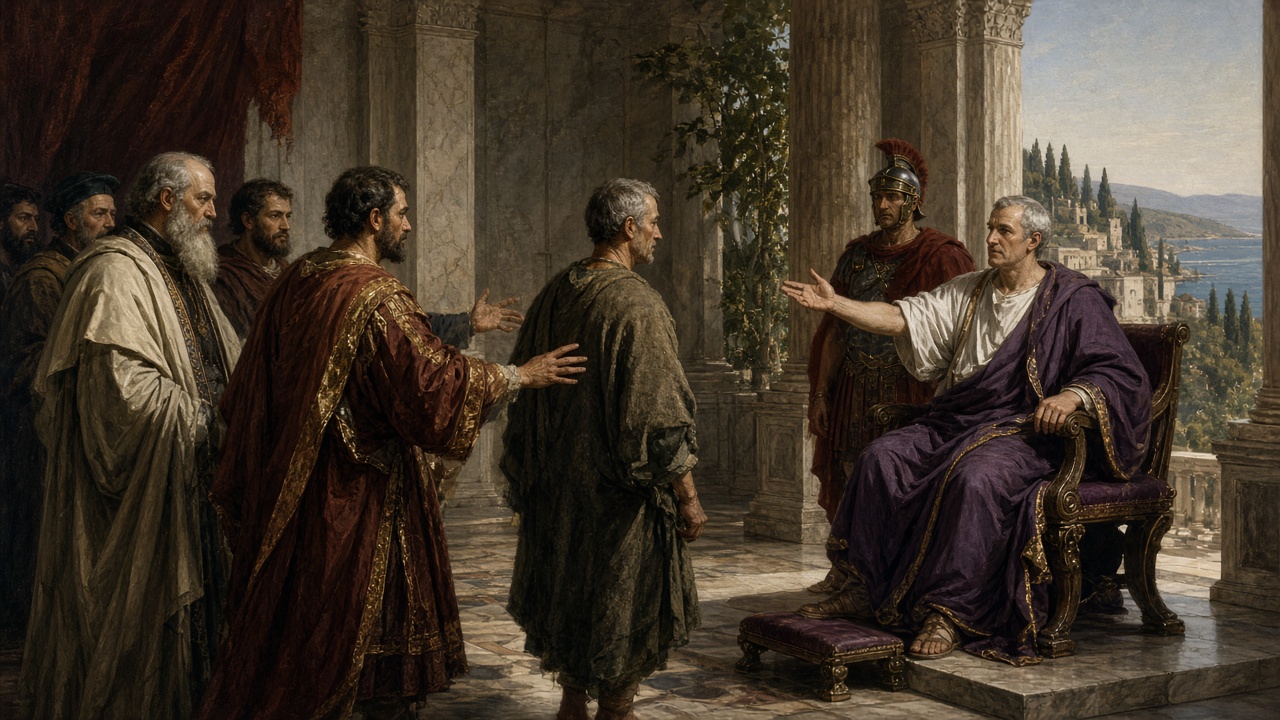
Paul before Felix
- The high priest Ananias came down with some elders and a lawyer named Tertullus, whom Easton's Bible Dictionary describes as a Roman advocate employed by the Jews to state their case against Paul before Felix. Tertullus praised the governor and then called Paul a pestilence who stirred up dissension among the Jews all over the world, a ringleader of the sect of the Nazarenes, and a man who had tried to desecrate the temple. The dictionary links that opening praise with Felix's clearing the country of bandits and impostors.Sources: the Bible text itself · Tertullus · Felix
- Felix, who was well informed about the Way, adjourned the hearing and kept Paul under guard, while allowing him some freedom and letting friends meet his needs. The account says he hoped Paul would offer a bribe and so sent for him often; Easton's Bible Dictionary likewise says he appears to have expected a bribe and therefore held several interviews with him. After two years Porcius Festus succeeded him—Easton's Bible Dictionary (1897) dates that appointment to A.D. 60—and, wishing to do the Jews a favor, Felix left Paul in prison.Sources: the Bible text itself · Felix · Portius Festus
- Several days later Felix returned with his wife Drusilla, who was Jewish, and listened as Paul spoke about faith in Christ Jesus and about righteousness, self-control, and the coming judgment; Felix became frightened and sent him away. Easton's Bible Dictionary (1897) identifies Drusilla as the third and youngest daughter of Herod Agrippa I and says Felix induced her to leave her husband, Azizus, king of Emesa. The same entry says that she and her son perished in the eruption of Mount Vesuvius in A.D. 79.Sources: the Bible text itself · Drusilla
Notes written with AI assistance from open sources (Theographic Bible Metadata, CC BY-SA 4.0; Easton’s Bible Dictionary, public domain) and reviewed before publishing.
Places in this chapter
- Caesarea · Today: Caesarea Maritima · 32.500, 34.892 · verse 1
- Jerusalem · 31.777, 35.234 · verses 11, 17
- Asia · 38.400, 28.300 · verse 18
Only places identified with high confidence are shown (90% or more according to the scholarly sources compiled by OpenBible). Period map: DARE (Digital Atlas of the Roman Empire), CC BY 4.0; modern map: © OpenStreetMap contributors; places: OpenBible.info (CC BY 4.0).
Credits and license for this translation
Dios oca gotirituti
New Testament in Barasana-Eduria (CO:bsn:Barasana-Eduria)
copyright © 2010 Wycliffe Bible Translators, Inc.
Language: Barasana-Eduria
Translation by: Wycliffe Bible Translators, Inc.
Copyright Information
© 2010, Wycliffe Bible Translators, Inc. All rights reserved.
This translation text is made available to you under the
terms of the Creative Commons License: Attribution-Noncommercial-No Derivative Works.
( http://creativecommons.org/licenses/by-nc-nd/3.0/ )
In addition, you have permission to port the text to different file formats, as long as you
do not change any of the text or punctuation of the Bible.
You may share, copy, distribute, transmit, and extract portions
or quotations from this work, provided that you include the above copyright
information:
You must give Attribution to the work.
You do not sell this work for a profit.
You do not make any derivative works that change any of the actual words or punctuation of the Scriptures.
Permissions beyond the scope of this license may be
available if you contact
us with your request.
The New Testament
in Barasana-Eduria
© 2010, Wycliffe Bible Translators, Inc. All rights reserved.
This translation is made available to you under the terms of the
Creative Commons Attribution-Noncommercial-No Derivatives license 4.0.
You may share and redistribute this Bible translation or extracts from it in any format, provided that:
You include the above copyright and source information.
You do not sell this work for a profit.
You do not change any of the words or punctuation of the Scriptures.
Pictures included with Scriptures and other documents on this site are licensed just for use with those Scriptures and documents.
For other uses, please contact the respective copyright owners.
2014-04-22
Source: http://ebible.org/bsnNT/ · eBible.org