2 Timothy 3
Dios oca gotirituti · Tap a verse to see its cross-references.
“Adi macarʉcʉro ti jediroto rĩjoro ado bajiro bajirʉarãma masa”, Pablo ĩ yire queti
1Adi macarʉcʉro ti jediroto rĩjoro Dios ĩ bojarore bajiro yirãma, bʉto rojose tãmʉorʉarãma, jãjarã ado bajiro rojose yirã ĩna ñajare: 2Gãjerãre maitʉoĩamenane, ĩna masu yejʉare tʉoĩarã ñarʉarãma. Jairo gãjoa cʉorã ñaboarine, jaibʉsaro bojarẽmorã ñarʉarãma. “Ñamasurã ñaja yʉa”, yijairã ñarʉarãma. Gãjerãma, “Ñamasurã ñaja yʉa” yitʉoĩarã ñaboarine, “To bajiro bajirã ñaja yʉa”, yibetirʉarãma. Masare, Dios yere quẽne, rʉ̃cʉbʉomena ñarʉarãma. Ĩna jacʉa ĩna rotisere cʉdimena ñarʉarãma. Dios quẽnaro ĩnare ĩ yiboajaquẽne, “Quẽnaro yaja mʉ”, ĩre yimena ñarʉarãma. Gãjerã rãca quẽnaro ñamena ñarʉarãma. Masa ĩaro rĩjorojʉa, socarãne, “Ado bajise rojose yima”, yigotirã ñarʉarãma. Rojose ĩna yirʉa tʉoĩasere, “Yibeticõato mani”, yimena ñarʉarãma. Quẽnaro yirãre ĩaterã ñarʉarãma. 4“Mʉa babarã ñarʉarãja” yiboarine, ĩnare ĩsirearã ñarʉarãma. “Rojose yibetiroti ñaja” yitʉoĩamenane, guaro rojosere yirã ñarʉarãma. Dios ĩ bojasejʉa yiroti ũnirene yirã, ĩna bojasejʉare yivariquẽnarã ñarʉarãma. 5“Cristore ajitirʉ̃nʉrã ñari, Diore rʉ̃cʉbʉoaja” yigotirã ñaboarine, Dios ĩ bajirore bajiro yibetirʉarãma.
To bajiro yirãre ĩacõari, ĩnare baba cʉtibesa. 6Ĩna ũna, no bojarone virire sãjacudirã ñari, ado bajise tʉoĩarãre rõmiare bʉjarãma: Rojose ĩna yirʉa tʉoĩasere, “Yibeticõato mani” yibetiriarã ñari, “Rojose mani yise vaja rojose tãmʉorʉarãja mani”, yitʉoĩarãma. Tire tʉoĩasʉtirititerã ñari, gajeye no bojase mame gotimasiorejʉare ajivariquẽnarʉarã ñarãma. To bajiri, socasere quẽnaro ĩnare gotimasiorãma. To bajiro ĩna yijare, ajimasirã ñaboarine, Dios oca riojo gotimasiorejʉarema masibetirʉarãma. To bajiri, socarãne gotitorimasare ĩnare baba cʉtibetiroti ñaja. 8Ĩnare bajiro yimasiñujarã Janes, to yicõari, Jambres vãme cʉtigʉ. Diore gotirẽtobosagʉ, Moisés ñamasir'i, ʉjʉ, faraónre ĩre ĩ gotisere ajicõari, “Dios ocare ajirʉ̃cʉbʉobeticõato” yirã, ĩaĩañamanire yiĩomasiñujarã ĩna. Ti ũnire yirã, adirʉ̃mʉri ñarã quẽne, Diore ajitirʉ̃nʉrãre, “Ajitirʉ̃nʉbeticõato” yirã, socasere gotimasiorãma. To bajiro yirã ñari, rojose rĩne tʉoĩarãma. To bajiri, Cristo ocare riojo gotimasiorere ĩna ajitirʉ̃nʉbetijare, “Yʉ macʉre ajitirʉ̃nʉrã me ñaama”, ĩnare yiĩagʉ̃mi Dios. 9Socase gotimasiorimasare, “Cristore ajitirʉ̃nʉrã me ñaama” yimasibetiboarine, yoaro mene, “Socasere gotirũgũama”, ĩnare yiĩamasicoarʉarãma masa. Tire bajirone bajimasiñuja, Janes, to yicõari Jambres mesare quẽne. Ĩna yitosere masibetiboarine, “Diore rʉ̃cʉbʉomena ñari, tʉoĩamasimenare bajiro yiyuma”, ĩnare yiĩamasicoasujarã masa jediro. To bajiri, socase gotimasiorimasare baba cʉtibetiroti ñaja.
“Yʉ bajicatire tʉoĩacõari, quẽnaro ñaña”, Pablo Timoteore ĩ yire queti
10Mʉ baba cʉtibetironare bajiro me bajiaja mʉjʉama. Yʉ gotimasiosere quẽnaro ajitirʉ̃nʉadicajʉ mʉ. “‘Dios ĩ bojasere yigʉsa’ yigʉ, to bajiro bajiñarũgũami”, yʉre yimasiaja mʉ. “Yʉre ejarẽmorʉcʉmi Cristo” yʉ yitʉoĩasere, yʉre ajirʉ̃cʉbʉomenare rojose yijũnisinibecʉ, yʉ maicõa ñasere, to yicõari, bʉto rojose tãmʉoboarine, Cristore ajitirʉ̃nʉgʉ̃ ñari, yʉ gotimasiocõa ñarũgũsere masiaja mʉ. 11Antioqu'ia, Iconio, Listra vãme cʉti macarijʉ rojose yʉ tãmʉocatire masiaja mʉ. To bajiro rojose yʉre ĩna yirũgũboajaquẽne, gotimasiocõa ñacajʉ yʉ. Tocãrãcajine rojose yʉ tãmʉocatire yʉre yirẽtobosacami mani ʉjʉ. 12“Yʉ sĩgʉ̃ne rojose tãmʉogʉ̃ me bajiaja”, yitʉoĩaja. Tocãrãcʉne Jesucristore ajitirʉ̃nʉrãma, Dios ĩ bojarore bajiro yirã ñari, rojose yiecorʉarãma. 13Rojose ĩna tãmʉoñarone, socasere gotimasiorimasa quẽne, “Diore gotirẽtobosarã ñaja yʉa” ĩna yisocajama, ĩna masune socasere gotiecorãre bajiro bajirʉarãma. To bajiri, rojose yirã, to yicõari, socasere gotirã quẽne bʉtobʉsa Dios ĩ ĩavariquẽnabetire yirũtuarʉarãma.
14To bajiro ĩna bajiboajaquẽne, mʉjʉama, Cristo ocare ajicõari, “Riojo gotimasiore ñaja” mʉ yiajicatire ajitirʉ̃nʉ tʉjabeja. “Yʉre gotimasiocana riojo gotimasiocama”, yimasiaja mʉ. 15To yicõari, daquegʉ ñagʉ̃jʉne, Dios ocare masa ĩna ucamasirere ajimasiadicajʉ mʉ. Tire mani buejama, “‘Jesucristo manire rijabosayumi’ yirãre quẽnaro Dios ĩ yise quetire bʉtobʉsa masirã ñarũtuarʉarãja”, yimasiaja mani. 16Dios oca masa ĩna ucamasire ñajediro ĩ ye ñaja. Tire ucamasiriarã, Dios ĩ ejarẽmose rãca tʉoĩacõari, ucamasiñujarã. Ñajediro ado bajiro manire ejarẽmoaja ti: Riojo ñamasusere manire gotimasioaja. “Rojose yigʉ ñaja mʉ” manire yigotimasiocõari, “Tire yitʉjacõari, ado bajirojʉa mʉ yijama, quẽnaja”, manire yigotimasioaja. To bajiro yicõari, quẽnaro mani yirũgũrotire manire gotimasiorũgũaja. 17Dios ocare ajigʉma, “Ĩ bojarore bajiro quẽnaseayere yimasijeocõato” yiro, to bajiro manire yigotimasiorũgũaja Dios oca masa ĩna ucamasire.
Did you know?
Hard times and opposition to the truth
- This chapter compares people who oppose the truth with Jannes and Jambres. A Bible dictionary identifies Jannes as one of the Egyptians who withstood Moses, and Jambres as one of those who opposed Moses in Egypt. The letter says that, like them, these opponents are depraved in mind and disqualified from the faith, and that their folly will be plain to everyone.Sources: Jannes · Jambres · the Bible text itself
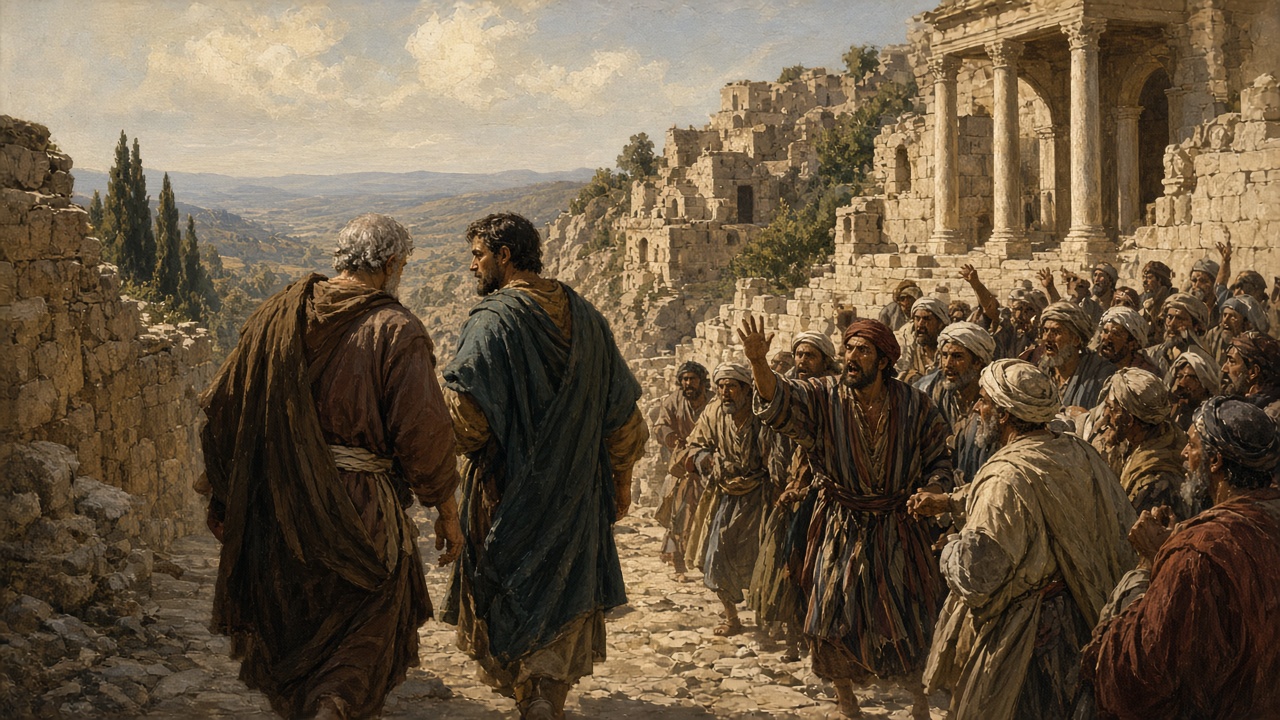
- Paul recalls the persecutions and sufferings that came upon him in Antioch, Iconium, and Lystra, and says the Lord rescued him from all those persecutions. On the first missionary journey with Barnabas, Jews in Antioch, in the extreme north of Pisidia, stirred up violent opposition, and the two had to leave; in Iconium they were persecuted by the Jews and fled to Lystra. Iconium was the capital of ancient Lycaonia; Lystra was a town of Lycaonia in Asia Minor, in a wild district.Sources: Antioch (Pisidia) · Iconium · Lystra · the Bible text itself
Notes written with AI assistance from open sources (Theographic Bible Metadata, CC BY-SA 4.0; Easton’s Bible Dictionary, public domain) and reviewed before publishing.
Places in this chapter
- Antioch · Today: Antioch in Pisidia · 38.306, 31.189 · verse 11
- Iconium · Today: Konya · 37.872, 32.492 · verse 11
- Lystra · Today: Tel Lystra · 37.602, 32.338 · verse 11
Only places identified with high confidence are shown (90% or more according to the scholarly sources compiled by OpenBible). Period map: DARE (Digital Atlas of the Roman Empire), CC BY 4.0; modern map: © OpenStreetMap contributors; places: OpenBible.info (CC BY 4.0).
Credits and license for this translation
Dios oca gotirituti
New Testament in Barasana-Eduria (CO:bsn:Barasana-Eduria)
copyright © 2010 Wycliffe Bible Translators, Inc.
Language: Barasana-Eduria
Translation by: Wycliffe Bible Translators, Inc.
Copyright Information
© 2010, Wycliffe Bible Translators, Inc. All rights reserved.
This translation text is made available to you under the
terms of the Creative Commons License: Attribution-Noncommercial-No Derivative Works.
( http://creativecommons.org/licenses/by-nc-nd/3.0/ )
In addition, you have permission to port the text to different file formats, as long as you
do not change any of the text or punctuation of the Bible.
You may share, copy, distribute, transmit, and extract portions
or quotations from this work, provided that you include the above copyright
information:
You must give Attribution to the work.
You do not sell this work for a profit.
You do not make any derivative works that change any of the actual words or punctuation of the Scriptures.
Permissions beyond the scope of this license may be
available if you contact
us with your request.
The New Testament
in Barasana-Eduria
© 2010, Wycliffe Bible Translators, Inc. All rights reserved.
This translation is made available to you under the terms of the
Creative Commons Attribution-Noncommercial-No Derivatives license 4.0.
You may share and redistribute this Bible translation or extracts from it in any format, provided that:
You include the above copyright and source information.
You do not sell this work for a profit.
You do not change any of the words or punctuation of the Scriptures.
Pictures included with Scriptures and other documents on this site are licensed just for use with those Scriptures and documents.
For other uses, please contact the respective copyright owners.
2014-04-22
Source: http://ebible.org/bsnNT/ · eBible.org