2 Corinthians 3
Dios oca gotirituti · Tap a verse to see its cross-references.
“‘Quẽnaro mʉare yirʉcʉja’ Dios ĩ yiriarodo ti ejajare, ado bajiro bajiaja”, Pablo ĩ yire queti
1Ĩna masurione, “Quẽnaro gotimasiorã ñaja”, yama Pablo mesa. Papera jũro, “‘Quẽnaro gotimasioama’ yirijũro gãjerã ĩnare ĩna ucabosariajũrore ĩoroti ñaja” yirere yiboarãja mʉa. Bajibeaja. Gãjerã gotimasiorimasajʉama, to bajiro yiriajũrore ĩna ĩorore bajiro ĩoroti me ñaja yʉarema. 2Mʉa ñaja “Dios ocare quẽnaro gotimasioama” yʉa yiĩorijũrore bajiro bajirã. Mʉare ĩacõari, “Pablo mesa, ĩnare ĩamaicõari, Dios ocare quẽnaro gotimasioñuma”, yʉare yimasirãma masa jediro. Rojose mʉa yirere yitʉjacõari, quẽnaro mʉa yisejʉare ĩarã ñari, to bajise yirãma. 3“Cristo ĩ ejarẽmojare, to bajiro bajiama”, mʉare yimasire ñaja. Tirʉ̃mʉjʉ gʉ̃tajãirijʉ ucatucũmasiriarore bajiro mʉare yibesumi Dios. Ado bajirojʉa yiyumi: Mʉa ʉsʉjʉ Esp'iritu Santore cõañumi. To yicõari, quẽnasejʉare tʉoĩarotire yiyumi, “Cristo yarã ñaama” gãjerã mʉare ĩna yirotire yigʉ.
4“Cristo sʉorine manire ejarẽmoami Dios” yirã ñari, “Ti quetire quẽnaro gotimasioaja”, yaja yʉa. 5“Yʉa masurio yʉa masise rãca masare gotimasioaja”, yibeaja yʉa. Ñajediro quẽnase yʉa yise, Dios ĩ masise rãca yaja. 6To bajiri Dios oca tirʉ̃mʉayere ĩ vasoarere gotirẽtobumasiaja yʉa. “Yʉ roticũsere cʉdijeobecʉne, ĩ bajirocajama, rojose tãmʉotʉjabetiriarojʉ varʉcʉmi”, yigotiyuja tirʉ̃mʉaye. Mameayejʉama, tirʉ̃mʉayere bajiro me bajiaja. Ado bajirojʉa bajiaja: “Esp'iritu Santore cʉorã rĩne yʉre cʉdirʉarãma. To bajiri, Diorãca ñacõa ñarũgũrʉarãma”, yigotiaja Dios oca.
7Tirʉ̃mʉjʉ ĩ rotirere gʉ̃tajãirijʉ ucacõari, Moisés ñamasir'ire ĩsimasiñuju Dios. Tire ĩna cʉdijeobeti sʉori rojose tãmʉotʉjabetiriarojʉ varoti ñamasiñuju. Tire ĩ ĩsirone, bʉto yaase rãca ejayuju, “Dios ye ñaja” yiro. Ado bajiro bajimasiñuju ti: Dios ĩ ucarijãirire ĩ boca juarone, bʉto ĩ rioga yaamasiñuju, Moisére. Bʉto yaarica rioga cʉtigʉ ĩ ñajare, ĩre ĩamasibetimasiñujarã israelita masa. To bajiboarine yoaro mene quẽna yaabeticoamasiñuju. 8Adirodorirema, mameaye oca, Dios ĩ vasoare ñajare, Esp'iritu Santo, mani ʉsʉrijʉ ejacõari, ĩ ejarẽmose sʉorine Diorãca mani ñacõa ñarũgũrotire masiaja mani. To bajiri “Tirʉ̃mʉaye oca rẽtoro ñamasuse ñaja mameaye oca Dios ĩ vasoare”, yitʉoĩaja mani. 9Tirʉ̃mʉaye oca Moisére cũgʉ̃, “Ñamasuse ñaja”, yiĩomasiñuju Dios. To bajiro ĩ yire ti ñaboajaquẽne, gãjerã tire cʉdijeomena ñari, “Rojose tãmʉorʉarãja”, yitʉoĩamasiñujarã masa. Yucʉrema mameaye oca Dios ĩ vasoare sʉorine, “Dios ĩ ĩajama, rojose mana ñaja”, yimasiaja mani. To bajiri, “Tirʉ̃mʉaye rẽtoro ñamasuse ñaja”, yimasiaja mani. 10Mameaye oca, Dios ĩ vasoare, tirʉ̃mʉaye rẽtoro ñamasuse ti ñajare, “Ñamasuse me ñariaroja tirʉ̃mʉayema”, yitʉoĩavasoare ñaja, adirodorirema. 11Dios ĩ vasoare, jʉaji ĩ vasoabetiroti ti ñajare, “Tirʉ̃mʉaye ocama yoaro ñabesuja”, yimasiaja mani. To bajiri yucʉrema, “Tirʉ̃mʉaye oca rẽtoro ñamasuse ñaja”, yitʉoĩaja mani.
12“Ñamasuse ñaja Dios ĩ vasoare” yitʉoĩarã ñari, bojonemenane tire gotimasiocudirũgũaja yʉa. 13Moisés ñamasir'ire bajiro bajirã me ñaja yʉa. Moiséma, Dios ĩre ĩ ñagõro bero, ĩ rioga yaase yayirũtuasere, “Israelita masa ĩaroma” yigʉ, ĩ rʉjoa jeoriaro jeotoomasiñuju. Yʉama, ĩ yimasiriarore bajiro yayior'i, masare gotimasiobetirũgũaja. 14Tirʉ̃mʉjʉre quẽne Dios ocare ajitirʉ̃nʉrʉabetimasiñujarã israelita masa. To bajiri ĩ ocare ajiboarine, “To bajiro yirʉaro yaja”, yimasibetimasiñujarã. Adirʉ̃mʉri quẽne to bajirone bajicõa ñaama ĩna. Cristore ajitirʉ̃nʉrã rĩne, Dios ocare ĩacõari, ajimasiama ĩna. 15Tire mʉare tudigotiaja yʉ. Israelita masa, mani ʉjʉ Cristore ajitirʉ̃nʉbeticõari, Moisés ĩ ucamasire ajimasibeama maji. 16To bajiboarine, rojose ĩna yisere yitʉjacõari, mani ʉjʉre ĩna ajitirʉ̃nʉsʉojama, ĩnare ejarẽmogʉ̃mi, “Tire ajimasiato ĩna” yigʉ. 17Mani ʉjʉre ajitirʉ̃nʉsʉorãre ejami Esp'iritu Santo. To bajiri, “Rojose mana ñaama” Dios ĩ yiĩavariquẽnarã ñari, “Dios ĩ rotimasire mani yijeobeti vaja, rojose manire yirʉcʉmi Dios”, yitʉoĩabeaja mani. 18Jesucristore ajitirʉ̃nʉrã ñari, “Quẽnarẽtogʉ̃ ñagʉ̃mi”, ĩre yitʉoĩamasiaja mani. To bajiri, ĩ bojarore bajiro yirũgũaja mani. To yirã rĩne, bʉtobʉsa ĩre bajiro bajirʉarãja mani, Esp'iritu Santo ĩ ejarẽmorã ñari.
Did you know?
A More Glorious Covenant
- The chapter asks whether letters of recommendation to or from the believers are needed, as some people require. It answers that the believers themselves are a letter from Christ, the result of this ministry, inscribed on the ministers' hearts and known and read by everyone.Sources: the Bible text itself
- The chapter contrasts ink and tablets of stone with the Spirit of the living God writing on human hearts. It calls the ministry engraved in letters on stone a ministry of death and condemnation, and describes a new covenant of the Spirit, for the letter kills but the Spirit gives life.Sources: the Bible text itself
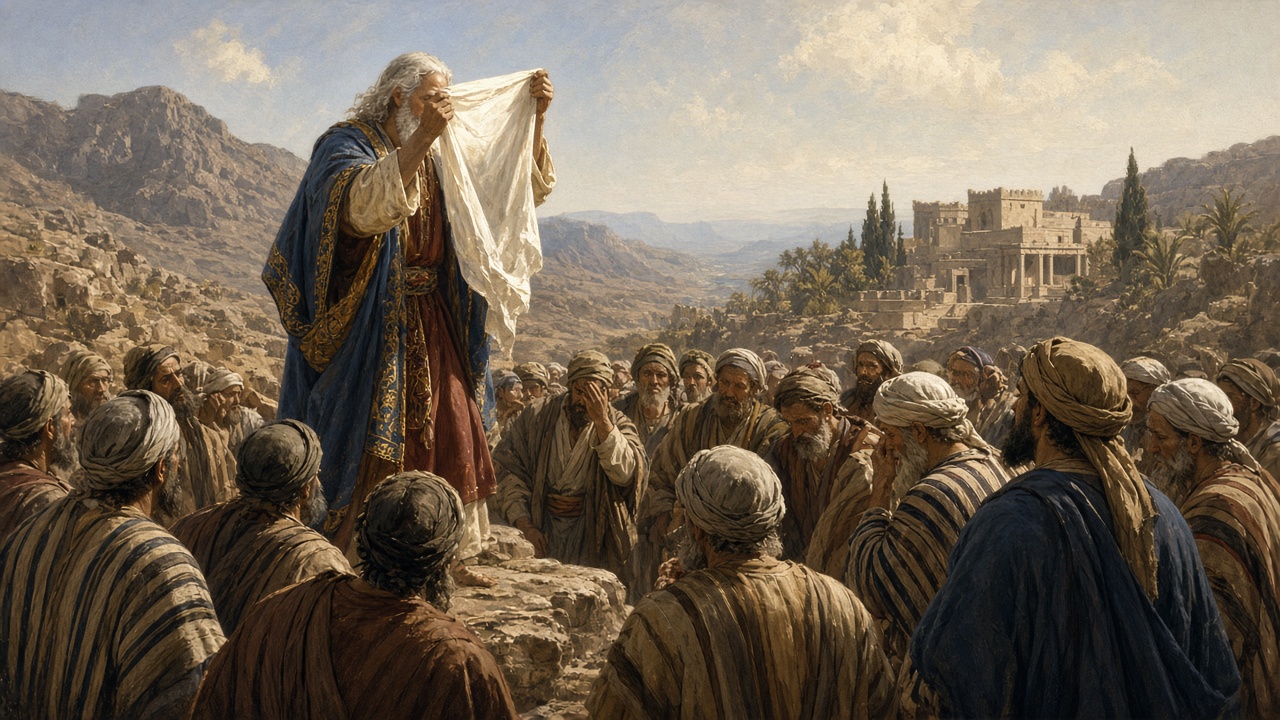
- The Israelites could not gaze at Moses's face because of a glory that was fading, and Moses put a veil over his face so they would not look at the end of what was passing away. The chapter says that a veil still covers their hearts when Moses is read, and that it is taken away whenever anyone turns to the Lord.Sources: the Bible text itself
Notes written with AI assistance from open sources (Theographic Bible Metadata, CC BY-SA 4.0; Easton’s Bible Dictionary, public domain) and reviewed before publishing.
Credits and license for this translation
Dios oca gotirituti
New Testament in Barasana-Eduria (CO:bsn:Barasana-Eduria)
copyright © 2010 Wycliffe Bible Translators, Inc.
Language: Barasana-Eduria
Translation by: Wycliffe Bible Translators, Inc.
Copyright Information
© 2010, Wycliffe Bible Translators, Inc. All rights reserved.
This translation text is made available to you under the
terms of the Creative Commons License: Attribution-Noncommercial-No Derivative Works.
( http://creativecommons.org/licenses/by-nc-nd/3.0/ )
In addition, you have permission to port the text to different file formats, as long as you
do not change any of the text or punctuation of the Bible.
You may share, copy, distribute, transmit, and extract portions
or quotations from this work, provided that you include the above copyright
information:
You must give Attribution to the work.
You do not sell this work for a profit.
You do not make any derivative works that change any of the actual words or punctuation of the Scriptures.
Permissions beyond the scope of this license may be
available if you contact
us with your request.
The New Testament
in Barasana-Eduria
© 2010, Wycliffe Bible Translators, Inc. All rights reserved.
This translation is made available to you under the terms of the
Creative Commons Attribution-Noncommercial-No Derivatives license 4.0.
You may share and redistribute this Bible translation or extracts from it in any format, provided that:
You include the above copyright and source information.
You do not sell this work for a profit.
You do not change any of the words or punctuation of the Scriptures.
Pictures included with Scriptures and other documents on this site are licensed just for use with those Scriptures and documents.
For other uses, please contact the respective copyright owners.
2014-04-22
Source: http://ebible.org/bsnNT/ · eBible.org