1 Timothy 6
Dios oca gotirituti · Tap a verse to see its cross-references.
Gãjerãre moabosarã ĩna bajire queti
1Jesucristore ajitirʉ̃nʉrã gãjerãre moabosarã, ĩna ʉjarãre rʉ̃cʉbʉoroti ñaja. Ĩna ʉjarãre rʉ̃cʉbʉobetire ĩacõari, “Rojose yirã ñaama Cristore ajitirʉ̃nʉrã; vaja maja ĩna gotimasiose”, yirʉarãma gãjerã. 2Sĩgʉ̃ri ĩna ʉjarã, Cristore ajitirʉ̃nʉrã ñarãma. Ĩnare rʉ̃cʉbʉoroti ñaja. “Mani ʉjʉ Jesucristore ajitirʉ̃nʉrã ñari, Dios ĩ mairã ñarãma ĩna quẽne. To bajiri quẽnaro ĩnare yibosato mani” yitʉoĩacõari, bʉtobʉsa ĩna moabosajama, quẽnaja.
Cristo oca riojo gotimasiorere quẽnaro ajitirʉ̃nʉre queti
Adi queti yʉ gotise ti macanare ĩnare gotimasiocõari, “Ado bajiro yirũgũrʉarãja mani”, ĩnare yiya.
3Mani ʉjʉ Jesucristo ocare buerẽtobuboarine, ricati gotimasiorã ĩna bajisere gotiaja yʉ: Dios ĩ bojase mani yisere riojo gotimasiomena ñarãma. 4“Bʉto masirã ñaja yʉa” yitʉoĩaboarine, masimena ñarãma. Cristo ocare, “Ado bajirojʉa yirʉaro yaja ti”, gãmerã yi oca josarũgũrãma. To bajiro ĩna yise sʉorine, “Yʉ rẽtoro masirã ñaama” yiĩajũnisinire, gãmerã rʉ̃cʉbʉobetire, “Socarã yama”, gãmerã yitʉoĩare ñaroja. 5Rojose tʉoĩarã ñari, Cristo ocare ajitirʉ̃nʉ tʉjacõari, vãti ĩ yitosere ajitirʉ̃nʉrã ñari, to bajiro yirũgũrãma. “Dios ĩ bojarore bajiro mani yijama, gãjoa bʉjarʉarãja mani”, yitʉoĩaboarãma ĩna. 6To bajiro ĩna tʉoĩamavisiaboajaquẽne, mani cʉoro cõro mani variquẽnajama, Dios ĩ bojarore bajiro mani yise sʉorine bʉto quẽnase bʉjarũgũaja mani. 7Adigodo mani ruyuajama, ñie cʉomenane ruyuariarãja mani. To bajirone mani rijajaquẽne, ñie ãmi vamenaja mani. 8To bajirona ñari, adigodojʉ ñarã, bare cʉti, sudi cʉti, mani yijama, variquẽnaja mani. 9Gãjerãjʉama, jairo gãjoa cʉorʉa tʉoĩarũgũrãma ĩna. To bajiro tʉoĩarã ñari, rojose yisejarũgũrãma. To bajiro ĩna bajirotire yigʉmi vãti. To bajiro yirã rĩne, rojose tãmʉotʉjabetiriarojʉ varʉarãma. 10Gãjoare bojarã ñari, tocãrãca vãmene rojosere yirũgũama sĩgʉ̃ri. Diore ajitirʉ̃nʉrã quẽne, gãjoare bojaca yirãne, Cristore ajitirʉ̃nʉ tʉjacama. To bajiri, yuja, ĩna masune rojose tãmʉorũgũama.
Timoteore Pablo rotire queti
11To bajiro ĩna yiboajaquẽne, mʉjʉama, Dios yʉ ñari, ĩnare bajiro yibesa. Dios ĩ bojarore bajiro quẽnase rĩne yirũgũña. Bʉto rojose tãmʉoboarine, Cristore ajitirʉ̃nʉ tʉjabesa. Gãjerãre rʉ̃cʉbʉocõari, quẽnaro ĩnare yirũgũña. 12Vãti rojose mʉre ĩ yirotisere cʉdibeticõari, Cristojʉare ajitirʉ̃nʉcõa ñarʉcʉja, “Yʉ macʉre mʉ ajitirʉ̃nʉjama, rojose tãmʉotʉjabetiriarojʉ mʉ vaborotire mʉre yirẽtobosarʉcʉja yʉ” Dios ĩ yirere cʉdicacʉ ñari. Tire mʉ cʉdicatirʉ̃mʉre, jãjarã ñacajʉ yʉa, güibecʉne, “Cristore ajitirʉ̃nʉaja yʉ” mʉ yigoticatire ajicana. 13Dios, adi macarʉcʉro catiñasere rujeor'i, to yicõari, mani ʉjʉ Jesucristo quẽne, mʉre yʉ rotisere ajirãma. Jesucristo ñaami güibecʉne, Poncio Pilato vãme cʉtigʉ ĩ ĩaro rĩjoro, gãjerãre quẽnaro mani gotirũgũrore bajiro gotir'i. Ado bajiro mʉre rotiaja yʉ: 14Mʉre yʉ rotise ñaro cõrone quẽnaro cʉdiya, “‘Rojose yami’ mʉre yiroma” yigʉ. Mani ʉjʉ Jesucristo adigodojʉ ĩ tudiejaroto rĩjoro to bajiro rĩne yicõa ñarũgũma. 15Mani ʉjʉ, Dios, “To cõrone varʉcʉmi” ĩ yiriarʉ̃mʉne tudieja rotirʉcʉmi. Ĩne ñaami gãjerãre mani rʉ̃cʉbʉoro rẽtoro mani rʉ̃cʉbʉogʉ. Masirẽtogʉ̃ ñagʉ̃mi. Ñimʉ gãji ĩre bajiro masigʉ̃ magʉ̃mi. 16Ĩ sĩgʉ̃ne ñaami ñajediro ti ruyuaroto rĩjorojʉne ñar'i, to yicõari, rijabetirocʉ. Bʉto busurojʉ masa ĩna ejamasibetojʉ ñarũgũgʉ̃mi. Sĩgʉ̃ ĩre ĩagʉ̃ magʉ̃mi. Ĩre ĩarocʉ quẽne magʉ̃mi. Ĩre rʉ̃cʉbʉocõa ñarũgũroti ñaja manire. To bajiro rĩne bajirũgũato.
17Adigodoaye gajeyeũni jairo cʉorã ñacõari, “‘Gãjerã rẽtoro ñamasurã ñaja yʉa’ yirãre yibesa”, ĩnare yigotiya. “ ‘Jairo gãjoa cʉorã ñari, quẽnaro ñarũgũrʉarãja mani’ yitʉoĩabesa mʉa”, ĩnare yiya. Yoaro mene jedise ñaja gãjoa. Dios catimʉorʉ̃gõrocʉjʉare ajitirʉ̃nʉcõari, “Ĩ ñaami manire quẽnaro ĩatirʉ̃nʉgʉ̃”, yirũgũroti ñaja, ĩnare. “ ‘Quẽnaro variquẽnañato’ yigʉ, manire quẽnaro yirũgũami Dios”, yitʉoĩarũgũroti ñaja. 18To yicõari, “Jairo cʉorã ñari, ti rãca cojoji me quẽnase yirũgũña”, ĩnare yirotiya mʉ. “Ĩsivariquẽnarũgũña”, ĩnare yiya. Ĩna gãjoare maimenane, gãjerãre ejarẽmorã ĩna ĩsijama, quẽnaja. 19To bajiro ĩna yijama, quẽnaro ĩna yise vaja õ vecajʉ gajeye cũrẽmorãre bajiro yirã, yirʉarãma ĩna. Quẽnaro ĩna yise vaja, õ vecajʉ quẽnaro ĩnare yirʉcʉmi Dios. Ĩnare ĩ gotiriarore bajiro ĩna rijato berojʉ ĩ rãca quẽnaro ñacõa ñarũgũrʉarãma yuja.
Timoteore Pablo ĩ gotitʉsare queti
20Ajiya Timoteo. “Cristo ocare quẽnaro gotimasioato” yigʉ, mʉre cũñumi Dios. To bajiri quẽnaro gotimasiorũgũña. Socasere ĩna gotimasiorũgũsere ajibesa. Dios ĩ cũre me ñari, vaja mani ñaja, “Masirã ye ñaja” ĩna yitʉoĩaboase. 21“Bʉto masirã yere gotimasioaja yʉa” yirãre ajisʉyacõari, Cristo ocare ajitirʉ̃nʉbesujarã ĩna yuja.
Mani ʉjʉ Jesucristo, quẽnaro mʉre yirũgũato.
To cõro ñaja.
Did you know?
Godliness, Contentment, and Timothy's Charge
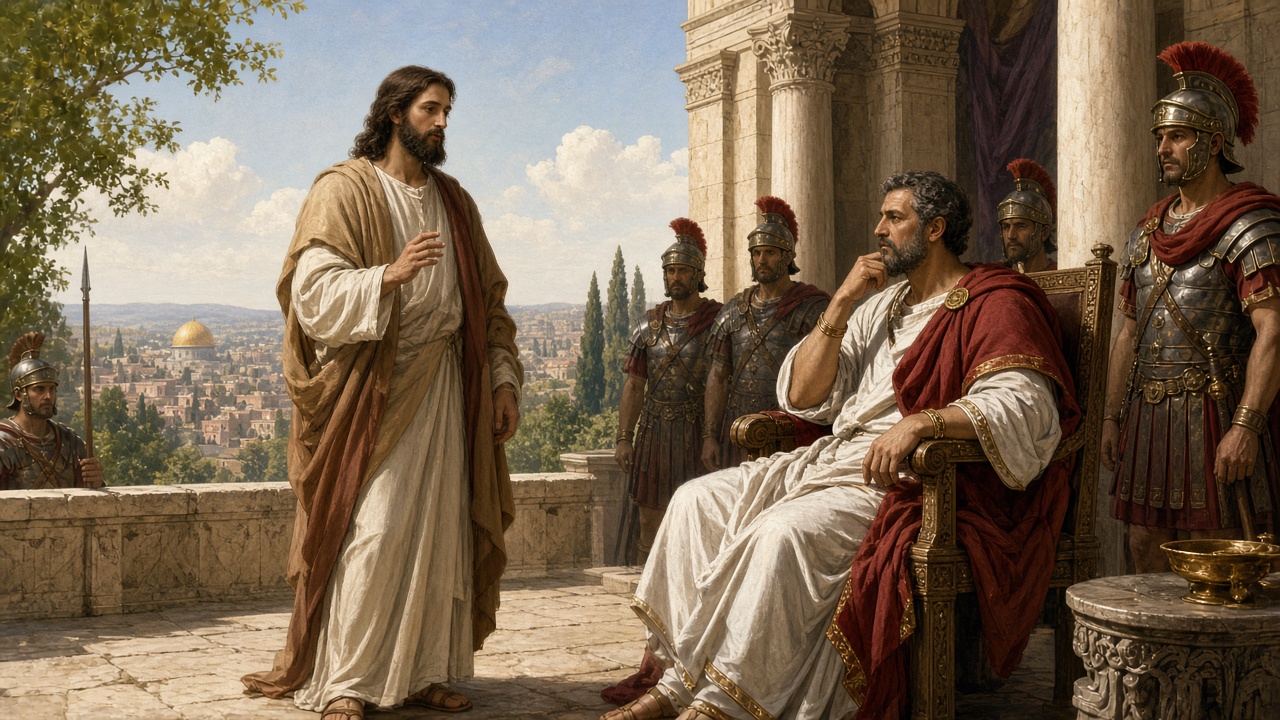
- This chapter's solemn charge recalls that Christ Jesus made the good confession in his testimony before Pontius Pilate. Pilate was the sixth Roman procurator of Judea, from A.D. 26 to 36, with headquarters at Caesarea, though he often went up to Jerusalem; his time in office covered the ministries of John the Baptist and of Jesus, and his name is remembered especially in connection with Jesus' trial.Sources: the Bible text itself · Pontius Pilate
- The chapter addresses Timothy as a man of God and tells him to guard what has been entrusted to him. The name Timotheus means honoring God. He was a young disciple and Paul's companion on many journeys; his mother Eunice and his grandmother Lois are mentioned as eminent for their piety, and his father was a Greek.Sources: the Bible text itself · Timotheus
Notes written with AI assistance from open sources (Theographic Bible Metadata, CC BY-SA 4.0; Easton’s Bible Dictionary, public domain) and reviewed before publishing.
Credits and license for this translation
Dios oca gotirituti
New Testament in Barasana-Eduria (CO:bsn:Barasana-Eduria)
copyright © 2010 Wycliffe Bible Translators, Inc.
Language: Barasana-Eduria
Translation by: Wycliffe Bible Translators, Inc.
Copyright Information
© 2010, Wycliffe Bible Translators, Inc. All rights reserved.
This translation text is made available to you under the
terms of the Creative Commons License: Attribution-Noncommercial-No Derivative Works.
( http://creativecommons.org/licenses/by-nc-nd/3.0/ )
In addition, you have permission to port the text to different file formats, as long as you
do not change any of the text or punctuation of the Bible.
You may share, copy, distribute, transmit, and extract portions
or quotations from this work, provided that you include the above copyright
information:
You must give Attribution to the work.
You do not sell this work for a profit.
You do not make any derivative works that change any of the actual words or punctuation of the Scriptures.
Permissions beyond the scope of this license may be
available if you contact
us with your request.
The New Testament
in Barasana-Eduria
© 2010, Wycliffe Bible Translators, Inc. All rights reserved.
This translation is made available to you under the terms of the
Creative Commons Attribution-Noncommercial-No Derivatives license 4.0.
You may share and redistribute this Bible translation or extracts from it in any format, provided that:
You include the above copyright and source information.
You do not sell this work for a profit.
You do not change any of the words or punctuation of the Scriptures.
Pictures included with Scriptures and other documents on this site are licensed just for use with those Scriptures and documents.
For other uses, please contact the respective copyright owners.
2014-04-22
Source: http://ebible.org/bsnNT/ · eBible.org