1 Thessalonians 5
Dios oca gotirituti · Tap a verse to see its cross-references.
1“Tirʉ̃mʉ, tirodo ñaro masu vadirʉcʉmi mani ʉjʉ”, yimasiña maja. Jẽre tire masiaja mʉa. 2“To cõro vadirʉcʉmi” masa ĩna yimasibetijʉ vadirʉcʉmi. Juarudirimasʉ ĩ ejarotire quẽne, “To cõro juarudigʉ ejagʉagʉ yigʉmi”, yimasibeaja mani. To bajirone bajirʉcʉmi Cristo quẽne. “To cõro ñaro ejarʉcʉmi”, yimasibetirʉarãja mani. 3Ado bajisejʉa yimasiaja mani: Diore masimena, “Ñie oca mano quẽnaro ñaja mani” ĩna yiboaro, ñaro tʉsarone güiose ejarʉaroja. Rõmio quẽnaro gʉda so ñaro gajane, ñaro tʉsarone jũnise sore ejaroja, so macʉ cʉtirijaʉjʉre. Tire bajirone bajirʉaroja Jesús ĩ ejaroti quẽne. Masiñamanone ti bajijare, rudimasimena ñari, bʉto rojose tãmʉorʉarãma ĩna masa Diore masimena. 4Mʉajʉama, rẽtiarojʉ ñarãre bajiro bajirã me ñaja mʉa. To bajiri mani ʉjʉ ĩ tudivadisere ĩaʉcabetirʉarãja mʉa. Juarudirimasʉ ĩ ejasere ĩacõari, masa ĩna ʉcarore bajiro ʉcabetirʉarãja. 5Dios ĩ bojase yirã ñari, busurojʉ ñarãre bajiro bajirã ñaja mʉa. Dios ĩ bojabeti yirũgũrãma, rẽtiarojʉ ñarãre bajiro bajirã ñaama. 6To bajiri Jesucristo ĩ vadirotire tʉoĩamenare bajiro bajirã me ñaja mani. Tire quẽnaro tʉoĩayurã, rojosere yirʉarã ñaboarine, tire yimena ñaja mani. 7Ñamire cãniama masa. Gãjerãma, ñamire idimecʉrũgũama. 8Manima, ĩnare bajiro bajirã me ñari, busurojʉ ñarãre bajiro bajiaja. To bajiri, tocãrãcajine quẽnase rĩne yiñarũgũroti ñaja, mani ʉjʉ ĩ tudivadirotire tʉoĩayurã. “Manire ejarẽmorʉcʉmi” mani ʉjʉre mani yitʉoĩase, mani gãmerã maise sʉorine vãti manire rojose ĩ yirotiboasere cʉdibetirʉarãja mani. To yicõari, Jesucristo ĩ vadirotire tʉoĩayu tʉjabetirʉarãja mani, “Rojose tãmʉotʉjabetiriarojʉ mani vaborere manire yirẽtobosarʉcʉmi” yirã. 9“Rojose ĩna yise vaja rojose tãmʉoato” yigʉ me, “Yʉ yarã ñaña mʉa”, manire yiyumi Dios. Mani ʉjʉ Jesucristo manire ĩ rijabosare sʉori rojose tãmʉotʉjabetiriarojʉ mani vaborere manire yirẽtobosarʉ, “Yʉ yarã ñaña mʉa”, manire yiyumi. 10Manire rijabosayumi Jesús, “Yʉre ajitirʉ̃nʉrã, yʉ rãca ñacõa ñarũgũato” yigʉ. To bajiri tudiejagʉ, mani caticõa ñajama, mani rijacoajaquẽne manire juamʉjarʉcʉmi, “Yʉ rãca ñacõa ñarũgũato” yigʉ. 11To bajiro ti bajijare, tire gãmerã gotiya mʉa, “Ajivariquẽnacõari, bʉtobʉsa mani ʉjʉre ĩre ajitirʉ̃nʉato” yirã. Jẽre mʉa yiñasere masiaja yʉa. To bajirone yicõa ñarũgũña.
Pablo ĩ gotiquẽnorotire queti
12Yʉa mairã ado bajiro mʉa yijama, quẽnarʉaroja: Mʉare ũmato ñarãre Dios ĩ cũriarãre quẽnaro rʉ̃cʉbʉoya. 13Quẽnaro mʉare ejarẽmorũgũama ĩna. To bajiri, “Ñamasurã ñaama”, ĩnare yirʉ̃cʉbʉoya. To yicõari, quẽnaro ĩnare yiya, “‘Manire maiama ĩna’ manire yimasiato ĩna” yirã. To yicõari, ñie oca manone quẽnaro ñaña mʉa.
14To yicõari, mʉa tʉana moamenare tud'ibʉsari ĩnare gotiya, “Moato ĩna” yirã. Gãjerã, sʉtiritirãre “Variquẽnato” yirã quẽnaro ĩnare gotiya. Gãjerã, Cristore quẽnaro ajitirʉ̃nʉmenare, quẽnaro ĩnare ejarẽmoña. Cristore ajitirʉ̃nʉrã ñajediro rojose yimenane, quẽnaro gãmerã gotirũgũña.
15Gãji rojose mʉare ĩ yijama, ĩre gãmebeticõaña.
Tocãrãcajine quẽnaro gãmerã yiba mʉa. Masa jedirore to bajiro rĩne yiba.
16Tocãrãcarʉ̃mʉne variquẽnacõa ñarũgũña mʉa. 17Tocãrãcarʉ̃mʉne Diore sẽniña. 18Tocãrãcajine, “Quẽnaro yaja mʉ”, Diore yirũgũña. Rojose tãmʉoboarine, to bajiro rĩne yirũgũña mʉa. Jesucristore ajitirʉ̃nʉrã to bajiro ĩna yisere Dios ĩ bojajare, to bajiro yirũgũña mʉa.
19Rojose yibetirũgũña, “Rojose mani yisere ĩacõari bʉto sʉtiritiromi Esp'iritu Santo” yirã. 20Diore gotirẽtobosarã ĩna gotisere ajitebesa. 21Tire quẽnaro ajicõĩaña. Ĩna masune tʉoĩarujeocõari, gotimasiorãma cojojirema. “Dios ye ñaja” mʉa yimasijama, tire quẽnaro ajitirʉ̃nʉña. 22Tocãrãca vãmere rojosere yitʉjacõari, tudiyibeticõaña.
23Ado bajise Diore mʉare sẽnibosaja yʉa: “Ĩnare ejarẽmoña, ‘Quẽnaro ñato’ yigʉ. ‘Tocãrãcajine yʉ bojasere tʉoĩacõari, yirã ñato’ yigʉ, ĩnare ejarẽmoña mʉ”, mʉare yisẽnibosaja yʉa. Mani ʉjʉ Jesucristo ĩ tudiejarirʉ̃mʉ, “Rojose mana mʉa ñarotire yirã”, Diore mʉare sẽnibosaja yʉa. 24“Ĩ yarã ñato” yigʉ, manire beseyumi Dios. To bajiri tocãrãcarʉ̃mʉne mani rãca ñarũgũami. To bajiri, ĩ bojarore bajiro mani yirotire manire ejarẽmorʉcʉmi.
Tesalónica macanare Pablo ĩ quẽnaroticõare queti
25Diore yʉare sẽnibosarũgũña yʉa mairã.
26Mʉa tʉana Cristore ajitirʉ̃nʉrã jediro mʉa rãca ĩna rẽjaro, yʉare quẽnarotibosaya mʉa, “Ĩnare yʉa maisere masiato” yirã.
27Adi queti mʉare yʉ ucacõasere toana Cristore ajitirʉ̃nʉrã jedirore ĩnare ĩagotiya mʉa, mani ʉjʉ to bajiro mʉa yisere ĩ bojajare.
28Mani ʉjʉ Jesucristo quẽnaro mʉare yato ĩ.
To cõro ñaja.
Did you know?
Awake for the Day of the Lord
- This chapter says the Day of the Lord will come like a thief in the night, and that destruction will arrive suddenly, like labor pains, while people are saying “Peace and security.” It calls the brothers sons of the light and sons of the day, and urges them not to sleep as others do, but to stay awake and sober.Sources: the Bible text itself
- Those who belong to the day are told to be sober, putting on the breastplate of faith and love and the helmet of the hope of salvation. The chapter says God has not appointed them to wrath, but to obtain salvation through the Lord Jesus Christ, who died so that, whether awake or asleep, they may live together with him.Sources: the Bible text itself
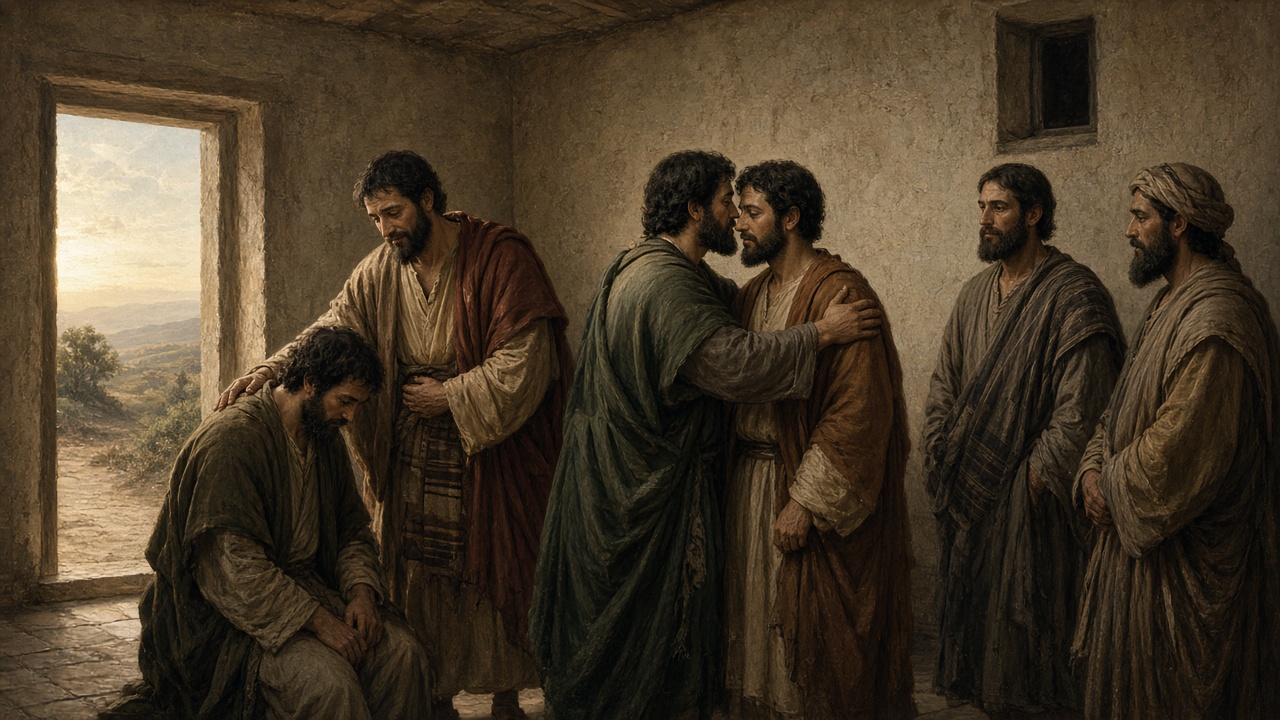
- The closing words ask the brothers to acknowledge those who work diligently among them, preside over them, and instruct them, holding them in highest regard because of their work. They are urged to admonish the unruly, encourage the fainthearted, help the weak, be patient with everyone, and not repay evil for evil. They are also told not to extinguish the Spirit or treat prophecies with contempt, but to test all things, to greet all the brothers with a holy kiss, and to have this letter read to all the brothers.Sources: the Bible text itself
Notes written with AI assistance from open sources (Theographic Bible Metadata, CC BY-SA 4.0; Easton’s Bible Dictionary, public domain) and reviewed before publishing.
Credits and license for this translation
Dios oca gotirituti
New Testament in Barasana-Eduria (CO:bsn:Barasana-Eduria)
copyright © 2010 Wycliffe Bible Translators, Inc.
Language: Barasana-Eduria
Translation by: Wycliffe Bible Translators, Inc.
Copyright Information
© 2010, Wycliffe Bible Translators, Inc. All rights reserved.
This translation text is made available to you under the
terms of the Creative Commons License: Attribution-Noncommercial-No Derivative Works.
( http://creativecommons.org/licenses/by-nc-nd/3.0/ )
In addition, you have permission to port the text to different file formats, as long as you
do not change any of the text or punctuation of the Bible.
You may share, copy, distribute, transmit, and extract portions
or quotations from this work, provided that you include the above copyright
information:
You must give Attribution to the work.
You do not sell this work for a profit.
You do not make any derivative works that change any of the actual words or punctuation of the Scriptures.
Permissions beyond the scope of this license may be
available if you contact
us with your request.
The New Testament
in Barasana-Eduria
© 2010, Wycliffe Bible Translators, Inc. All rights reserved.
This translation is made available to you under the terms of the
Creative Commons Attribution-Noncommercial-No Derivatives license 4.0.
You may share and redistribute this Bible translation or extracts from it in any format, provided that:
You include the above copyright and source information.
You do not sell this work for a profit.
You do not change any of the words or punctuation of the Scriptures.
Pictures included with Scriptures and other documents on this site are licensed just for use with those Scriptures and documents.
For other uses, please contact the respective copyright owners.
2014-04-22
Source: http://ebible.org/bsnNT/ · eBible.org