1 Corinthians 10
Dios oca gotirituti · Tap a verse to see its cross-references.
“Rʉ̃cʉbʉorʉarã ĩna quẽnorujeoriarãre rʉ̃cʉbʉobesa”, yire
1Adire masiritibesa mʉa: Jud'io masa yʉa ñicʉa, Moisés ñamasir'ire sʉyamasiriarã ĩna bajimasirere masiritibesa. “Egiptoana ĩnare sĩabeticõato” yigʉ, Dios ĩ masise rãca buerine yʉa ñicʉare buebibecõamasiñuju. To ĩ yijare, jediro jẽacoamasiñujarã riaga, Oco Sũarisa vãme cʉtiya, gajejacatʉajʉ ĩnare rudirã. 2To bajiro ĩna bajijama, “Moisére ajitirʉ̃nʉrã ñaja yʉa” yiĩorã bajimasiñujarã ĩna. 3Ĩna jẽaro bero, ĩna jediro õ vecaye maná vãme cʉti Dios ĩ cõarere barũgũmasiñujarã. 4To yicõari, ĩna idicatirotire yigʉ, gʉ̃tajʉre oco budirotimasiñuju Dios. Ti oco ĩna idise quẽnase ñamasiñuju. Jesucristo quẽne, gʉ̃tare bajiro ñagʉ̃ quẽnasere cõagʉ̃ ñacoayumi. To bajicõari, gʉ̃ta sʉorine ĩna catijama, Cristo, ruyubetiboarine, ĩnare ĩ ĩatirʉ̃nʉjare, ĩna jedirone quẽnaro ñacoayuma. 5Quẽnaro ĩnare ĩ ĩatirʉ̃nʉboarone, jãjarã rojose ĩna yijare, ĩnare ĩavariquẽnabetimasiñuju Dios. To bajiro ĩna yisere ĩavariquẽnabecʉ ñari, “Ʉjorʉcʉja” ĩnare ĩ yiboaria sitajʉ ĩna ejabetone, “Yucʉ́ manojʉne bajireacõaña mʉa”, ĩnare yimasiñuju Dios.
6To bajiro ĩna bajimasire ñajare, “Dios ĩ bojabetire mani yijama, ĩnare ĩ yimasiriarore bajiro manire quẽne yiromi Dios” yimasirã ñari, mani yibetijama, quẽnaja. 7To bajiri yʉa ñicʉa sĩgʉ̃ri, “Ado bajigʉ ñagʉ̃mi” yiquẽnorujeocõari, ĩna rʉ̃cʉbʉomasiriarore bajiro rʉ̃cʉbʉobesa mʉa. Yʉa ñicʉa, ĩna rʉ̃cʉbʉomasirere ado bajiro gotiaja Dios ocare Moisés ĩ ucamasire: “‘Ado bajigʉ ñagʉ̃mi’ yiquẽnorujeocõari, ‘Ĩre rʉ̃cʉbʉorã yaja’ yirã, barujiyuma. To yicõari, idiyuma. To yigajanocõari, basavariquẽnacama”, yigotiaja Dios ocare Moisés ĩ ucamasire, Dios ĩ bojabetire ĩna yimasirere gotiro. 8To yicõari, gajeye yʉa ñicʉa sĩgʉ̃ri, rõmia rãca gãmerã ĩna ajeriarã cʉtimasire ũnire yibetiroti ñaja manire. To bajiro ĩna yijaise vaja, cojorʉ̃mʉne veintitres mil ñarãre bajirearotimasiñuju Dios. To bajiri ĩnare ĩ yimasiriarore bajiro, “Manire quẽne yiromi” yirã, yibetiroti ñaja. 9“Rojose mani yijama, rojose manire yirʉcʉmi” yitʉoĩaboarine, rojose yitʉjamena ñari, ãña cũnieco, bajireacoamasiñujarã ĩna. To bajiri, “Rojose tãmʉorobe” yirã, ĩna yimasiriarore bajiro yibetiroti ñaja manire. 10Yʉa ñicʉa sĩgʉ̃ri Diore ñagõmacamasiñujarã. To bajiro ĩna yise sʉorine ĩ tʉagʉre ĩnare sĩarearoticõamasiñuju Dios. To bajiri ángeljʉa ĩnare sĩareacõamasiñuju. “Manire quẽne to bajiro yirotiromi Dios” yirã, ĩre ñagõmacabetiroti ñaja.
11“To bajise rojose yʉa ñicʉa ĩna yimasiriarore bajiro mani yijama, ĩnare ti bajimasiriarore bajiro bajirʉaroja manire quẽne”, yimasiaja mani. Adirodoriana, mani tʉoĩamasirotire yigʉ, ĩna bajimasirere Moisére ucarotimasiñumi Dios. 12To bajiri, Cristore quẽnaro ajitirʉ̃nʉgʉ̃ma, quẽnaro tʉoĩamasiri ñato, “Jud'io masa rojose ĩna bajimasiriarore bajiro yʉre bajirobe” yigʉ. 13Quẽnaro tʉoĩaroti ti ñaboajaquẽne, “‘Rojose yirʉabeaja’ yicõaboarine, rojose yicõaroti ñaja”, yitʉoĩaroti me ñaja mʉare. “Yʉare rojose ĩ rotirore bajiro mʉare rotibecʉmi Satanás”, yiroti me ñaja. Gãjerãre rojose ĩ yirotirore bajiro rĩne manire yirotirũgũami. Rojose manire ĩ yirotiboajaquẽne, “Tire yibeticõari, yʉ bojasejʉare yirã ñato” yigʉ, manire ejarẽmorʉcʉmi Dios.
14To bajiri yʉ mairã, “Jud'io masa rojose ĩna bajimasiriarore bajiro manire bajirobe” yirã, quẽnaro tʉoĩamasiri ñaña mʉa. “Ado bajirã ñarãma”, ĩna masune yiquẽnorujeocõari, ĩna rʉ̃cʉbʉorãre rʉ̃cʉbʉobeticõaña. 15Quẽnaro tʉoĩamasirã ñari, mʉare yʉ gotisere ajicõari, “Riojo gotiami Pablo”, yitʉoĩamasirʉarãja mʉa. 16Cristo manire ĩ rijabosarere tʉoĩarã, ʉye ocore mani idiroto rĩjoro, “Quẽnaja” Diore yicõari, mani idijama, ¿Cristo ri'ire idirã me yatique mani? Pan mani baroto rĩjoro, “Quẽnaja” Diore yicõari mani bajama, ¿Cristo rujʉ riire barã me yatique mani? To bajiro mani yijama, “Manire ejarẽmogʉ̃mi”, yitʉoĩaja mani. To bajiro mani yisere ĩacõari, bʉtobʉsa manire ejarẽmogʉ̃mi, “Yʉre ajitirʉ̃nʉato” yigʉ. 17Jãjarã ñaboarine, pan cojane batecõari, baja mani. To bajiro yirã ñari, ĩ yarã ñaja mani jediro.
18Jud'io masa, Diore rʉ̃cʉbʉorã, vaibʉcʉrãre sĩacõari, mojoroaca soemʉorãma. To yicõari, rʉyasere barãma. Tire ĩna bajama, “Manire ejarẽmogʉ̃mi”, yitʉoĩaama ĩna. To bajiro ĩna yisere ĩacõari, “Bʉtobʉsa yʉre ajitirʉ̃nʉato” yigʉ, ĩnare ejarẽmogʉ̃mi Dios. To bajirone tʉoĩarãma, “Ado bajirã ñarãma” ĩna masune yiquẽnorujeocõari, rʉ̃cʉbʉorã quẽne. 19To bajiro yʉ yijama, “Catirã ñarãma ĩna quẽnorujeoriarã” yigʉ me yaja. To yicõari, “Ĩnare rʉ̃cʉbʉorã vaibʉcʉ rii ĩna cũse ñamasuse ñaja” yigʉ me yaja. 20Ado bajirojʉa yigʉ yaja yʉ: Diore masimena, ĩna quẽnorujeoriarãre ĩna rʉ̃cʉbʉojama, vãtiajʉare rʉ̃cʉbʉorã yirãma. To bajiri, vãtiare mʉa ejarẽmosere, to yicõari, vãtiajʉa quẽne, ĩnare mʉa ajitirʉ̃nʉrotire yirã, mʉare ĩna ejarẽmorotire bojabeaja yʉ. 21To bajiri mani ʉjʉre rʉ̃cʉbʉocõa, vãtiare quẽne rʉ̃cʉbʉo mani yijama, quẽnabetoja. To bajiro yibetiroti ñaja manire.
22To bajiro mani yijama, ĩajũnisinirʉcʉmi mani ʉjʉ. Ĩ rẽtoro masirã me ñaja mani. To bajiri, “Rojose mani yise vaja, rojose ĩ yijama, rudimasibetirʉarãja mani”, yimasiaja.
“Mani ñaroti rĩne tʉoĩaroti me ñaja”, yire queti
23Ado bajiro yisere ajirũgũaja mʉa: “Mani bojarore bajiro yimasiaja”, yigotiaja. To bajirone bajiaja, bajirojʉma. Jediro mani yise manire ejarẽmobeaja. To bajiro mani yijama, “Gãjerã, Dios ĩ bojarore bajiro yirã ñato” yirã me, yirãja mani. 24Mani masu quẽnaro mani ñaroti rĩne tʉoĩaroti me ñaja. Gãjerã quẽnaro ĩna ñarotire quẽne tʉoĩarũgũrʉarãja mani.
25Vaibʉcʉ rii ĩna ĩsirijʉ ñasere vaja yicõari, “Rojose ñaroja” yitʉoĩamenane, mʉa bajama, quẽnaja. “¿Ĩna quẽnorujeor'ire rʉ̃cʉbʉorã ĩna cũrʉare ñati adi?”, yisẽniĩabeja. Dios ocare masa ĩna ucamasire ado bajiro ti gotijare, “Sẽniĩabetiroti ñaja”, mʉare yaja yʉ: 26Adi macarʉcʉroaye jediro Dios ĩ rujeore ti ñajare, bare ñaro cõrone mani bajama, quẽnaja.
27Cristore ajitirʉ̃nʉbecʉ, “Yʉ tʉ barã vayá” yicõari, no bojase ĩ ecasere mʉa bajama, quẽnaja. “¿Ĩna quẽnorujeor'ire rʉ̃cʉbʉorã vaibʉcʉ rii ĩna cũrʉare ñati adi?” yisẽniĩamenane, mʉa bajama, quẽnaja. 28“Tire mani bajama, quẽnaja” mʉa yitʉoĩajama, gãji magʉ̃mi, “Rojose yirã yaja mʉa” yigʉ. Ĩna quẽnorujeor'i tʉjʉ ĩna cũrʉare riire, “Quẽnaja” Diore mʉa yisẽniro bero mʉa bajama, rojose yirã me yirãja mʉa. To bajiboarine, Cristore ajitirʉ̃nʉgʉ̃, “Ĩna quẽnorujeor'i tʉjʉ ĩna cũrʉare rii ñaja, mani babeti” ĩ yigotijama, babeja. 31To bajiri mani bajama, mani babetijaquẽne, mani idijama, mani idibetijaquẽne, no bojase mani yijama, Dios ĩ bojarore bajiro yirʉarãja mani, ĩre rʉ̃cʉbʉorã. 32Gãjerãre ĩamaimenane mani bojarore bajiro mani yisere ĩacõari, “Ĩna quẽne rojose yiroma” yirã, yibetiroti ñaja. 33Tire mʉare yʉ gotirore bajiro yirũgũaja yʉ. To bajiro yigʉ ñari, yʉ masu yʉ bojasere yibecʉne, yʉ rãcana jediro ĩnare yʉ ejarẽmorotijʉare tʉoĩacõari, yirũgũaja yʉ, “Yʉ yise sʉorine Cristore ajitirʉ̃nʉcõari, rojose tãmʉotʉjabetiriarojʉ ĩ yirẽtobosarã ñato” yigʉ.
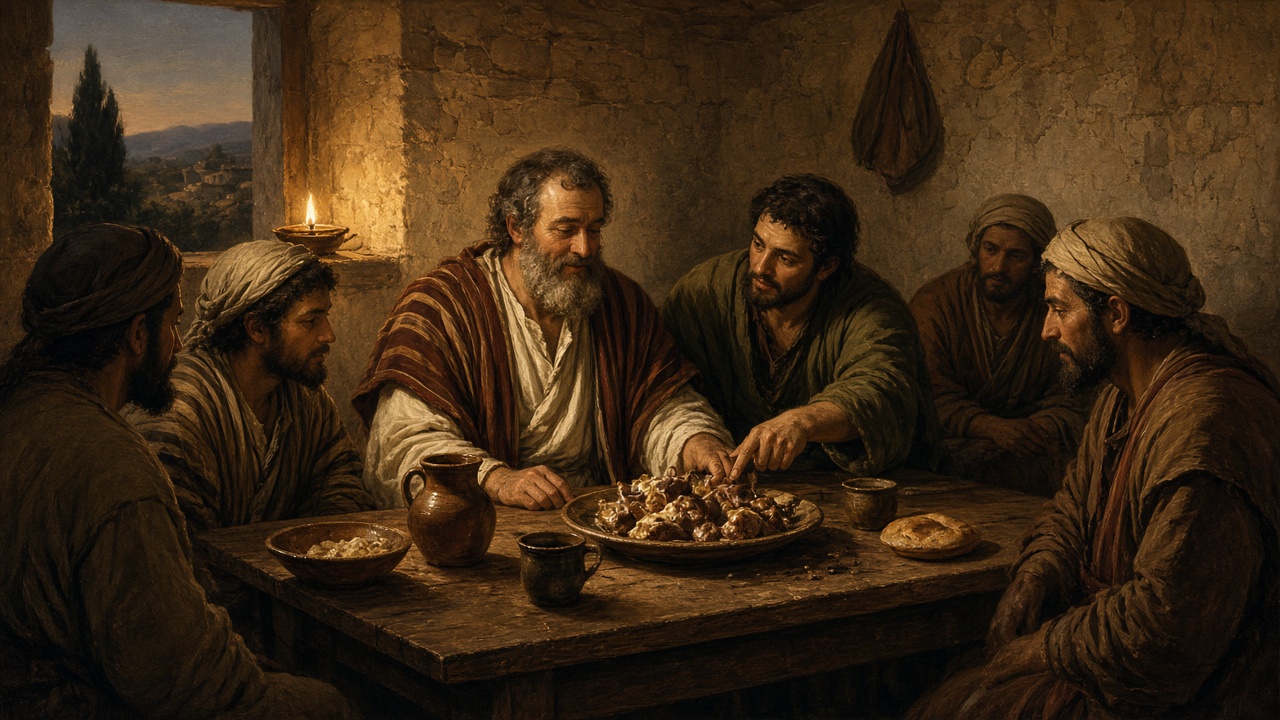
Did you know?
Wilderness Warnings and the Lord's Table
- Paul says he does not want the Corinthians unaware that the forefathers were all under the cloud and all passed through the sea, and that they were baptized into Moses in the cloud and in the sea. They all ate the same spiritual food and drank the same spiritual drink from the spiritual rock that accompanied them, and he says that rock was Christ.Sources: the Bible text itself
- Paul says God was not pleased with most of them, for they were struck down in the wilderness. He lists idolatry, sexual immorality in which twenty-three thousand died in one day, testing Christ, which brought death by snakes, and complaining, punished by the destroying angel, and calls these events examples written down as warnings.Sources: the Bible text itself
- He calls the cup of blessing and the bread that is broken a participation in the blood and body of Christ, and says pagan sacrifices are offered to demons, not to God, so the two tables cannot be shared. Food sold in the meat market may be eaten without raising questions of conscience, for "The earth is the Lord's, and the fullness thereof," but if someone says it was offered to idols, it should be refused for that person's conscience.Sources: the Bible text itself
Notes written with AI assistance from open sources (Theographic Bible Metadata, CC BY-SA 4.0; Easton’s Bible Dictionary, public domain) and reviewed before publishing.
Credits and license for this translation
Dios oca gotirituti
New Testament in Barasana-Eduria (CO:bsn:Barasana-Eduria)
copyright © 2010 Wycliffe Bible Translators, Inc.
Language: Barasana-Eduria
Translation by: Wycliffe Bible Translators, Inc.
Copyright Information
© 2010, Wycliffe Bible Translators, Inc. All rights reserved.
This translation text is made available to you under the
terms of the Creative Commons License: Attribution-Noncommercial-No Derivative Works.
( http://creativecommons.org/licenses/by-nc-nd/3.0/ )
In addition, you have permission to port the text to different file formats, as long as you
do not change any of the text or punctuation of the Bible.
You may share, copy, distribute, transmit, and extract portions
or quotations from this work, provided that you include the above copyright
information:
You must give Attribution to the work.
You do not sell this work for a profit.
You do not make any derivative works that change any of the actual words or punctuation of the Scriptures.
Permissions beyond the scope of this license may be
available if you contact
us with your request.
The New Testament
in Barasana-Eduria
© 2010, Wycliffe Bible Translators, Inc. All rights reserved.
This translation is made available to you under the terms of the
Creative Commons Attribution-Noncommercial-No Derivatives license 4.0.
You may share and redistribute this Bible translation or extracts from it in any format, provided that:
You include the above copyright and source information.
You do not sell this work for a profit.
You do not change any of the words or punctuation of the Scriptures.
Pictures included with Scriptures and other documents on this site are licensed just for use with those Scriptures and documents.
For other uses, please contact the respective copyright owners.
2014-04-22
Source: http://ebible.org/bsnNT/ · eBible.org