Acts 2
Bangwinji · Tap a verse to see its cross-references.
1Kambo kume fentikos co bouwori, kwarubce ciin mwerum fiye win. 2Nawo nawo diro kange wi dikwama na yuwako dur, yiram dim luweu cii yim wiyeu. 3labiyondo kange na biyen kiret layiron cilnenti dor. 4Ciin dimki yuwa tangbe kwama lacin ter tokka kereki nyini kangum kambo yuwa tangbe kwamako dang cinenneu. 5Ki kwama co Yahudawa kangum wi yim wursalima, nob kwamabo fo dorbitiner. 6Kambo cii nuwa diroweri, nubo gwam mwerum cii mor ciin nuwa nubo tikkan keroti kin yici. 7Ciin to diker nyimankar laciiki, kibi chom birombo kebo Galiliyawaka? 8manyi bi nuwa citi wiyak wuyakce cii tok nyowo cii bombotiye? 9Fisiyawa kange mediyawa kange Elimawa, kange Yahudawa kange Kafadokiya, mor Pontus kange Asia. 10Phrygia kange Pamphylia, mor Masar kange sunga libiya wo sur receu, kange fabubbo Roma. 11Yahudawa kange proselyte, cretans kange arabian, be nuwa tokkeroti kin nyibo dor nangebdo durembo kwama maneu. 12Gwam ciin nyimangi ciin yi bwiticeu, Yewo toktiye? 13Kan nyumbo buwocii ki, ciin diim ki nyom. 14Dila Bitrus kweni kange sulombo yobem, kundiro tok kerki “Nubo yahuda kange kom kwarub kom yim wursalima, kom nyimomwo, ko suwatuu ker mironin. 15Nubowo ci dimbo diye ki nyom kambo kom kwatiyeu, wori kene Teer na burice koni. 16dila won co dike toki ywel neneu nii ker dukumer. 17Kwama ki nyo a yilati cwile kume, man coru yuwatangbeko dor nuber, bi biyolokumeu bayilob kange natub ciyan tokker dukumer. 18Nyo tak dor caan yabmib bayilob kange natub, kikuke tindowe man corum yuwatangbe miko, laciyan tok ker dukumer. 19man madiker nyimakar dii kwama kange dor bitiner, bwiyale kange kira, kange yilom. 20kakokko an yilam kumtachile, chuwakko ayilam bwiyale nanyime kume durkowo kwamaceu nabou. 21an yilam woco den kwama an fiya fuloka. 22Nubo Israila kom cuwatuu kero birombonen. Yesu banzared niwo kwama nekom wuro kwama ma nangen durem more kume fiyeci wuyeu, nawo komki bwikom kanyimeu. 23Nii wo ciin neken co kan nage kange yobka kwama cii neken co kom keneu kang nubo yombo ker kwamareu cii twalum ki kuldange. 24Wo kwama kungun co cokeinen twirak buwareko cinenneu, wo mani natamce. 25Dauda tokker donce ki kwamati kami ngir wori cin wi cunga kange cattiyeri katin mikannge. 26Lanyori nermiro ma fuwer nerti biyel miro ti bilenke. Labwimiu anyi kibi kwan. 27mani mu minang dumemitiwi manu do wucakke mweti a to fuyenin. 28Dang men nure dumeu, nawo tikob mwebo adim yeti ki fuwor nereu. 29Keb mibo man yikom ker nyanglang dor Tee Dauda: buyam ciin furomco dila tuweceu wifo wari kange bo di duwenokowo. 30Nyori wori cin nii ker dukumer dila nyimom kwama macinen nor kiweri ki, mor tuwe luwe mwe man yoti kange kutile liyar cero nen. 31Cin tou dikero wo dila tok kero dor kwentka kriti mani cii ma bilankiya kange co fiye morka dumek, bwiceu tobo fuyeka. 32Wo Yesu wo kwama kunco wuro wuyakbe bin nyimom. 33Nyori kambo cii kunco yaken kanka cattiyere kwamau dila nyo mor yuwa tangbe kwamako fiye Tee wiyeu coci corbinenneu wo komtoti takri kom nuwatiyeu. 34Dauda kwibo dii dila yiki kwama dila toki kwama nyi Teeluwemiu yiken kango cattiyeremi. 35Dila man yoken nob kiyeb mwebbo diker fuwaka namwek. 36La nyori, naweu lo Israila a nyomom kang Yesu wo cii kulkenen kwama yoken co kwama kange kritti. 37Cii nuwa nyori la kwerci nercer cii yi Bitrus kange tannineu nob tomangeb cebo. “Keb mibo ye ba matiye?”. 38La Bitrus yiki Kom dubom bwiranker kumero nakom yumbom, mor den Yesu kristi na wam bwirangker kumero tak kan yo neken yuwatangbek kwama ko. 39Wor noro ki kom kange bibeyo lokume, kwarub kange birombo kutaneu, gwam nubo tee be kwama a coutiyeu”. 40Kero ducce cii ne warke naci chuwaci ki cii nayiki, “Kom fulom dor kumero mor kalewo bwiranyeu.” 41Lakom yo kercero nacii yukumen mwembo, kume ciin fiyaten nubo cabten bikate taar. 42Lacii ca kaba ki merangka no tomangebbo kange yimbo winneu, mor caka tiilita kange dilo. 43Taito bou dorcir la cin ma diker nyimankaro kan ya yiromboti kila fiye nob tomangebo wiyeu. 44Gwam nubo nebilinker cii mwerum fiye win diker ciro na bwiticiyece. 45La cii tokang dike cii cikeu kang dike cii ciko wiyakkeu laci kabkange dong dong kange cii cwitiyeu cii cikeu. 46Fini win cii ca kabati ki nero mor lo wabe cii kiyan tiilita lonice cii kabkang caritoti bwitice mor fuwor nerer kange kungne necer. 47Cii caklang kwamati ciin fiya yokati kabum nubem gwam. kwama cob cinenten nubowuro fiya dumetiyeu.
Did you know?
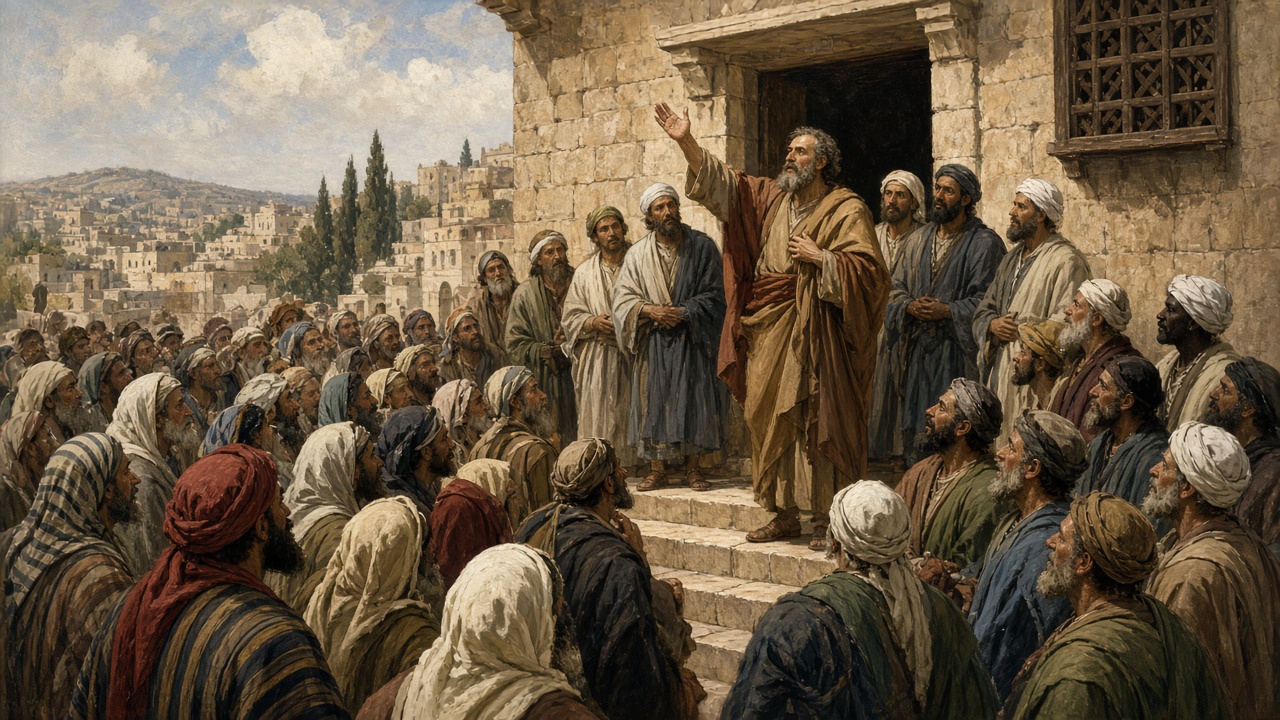
The Spirit Comes at Pentecost
- God-fearing Jews from every nation under heaven were already living in Jerusalem when a sound like a mighty rushing wind came from heaven and filled the house, and the speakers began to declare God’s wonders in other languages. In this chapter, “Asia” is the Roman province of Proconsular Asia, in the western part of Asia Minor, whose capital was Ephesus—not the continent of that name. Pontus, along the southern coast of the Euxine Sea, was a Roman province in the apostles’ time and a resort of many Jews of the Dispersion; Cappadocia was the easternmost and largest province of Asia Minor.Sources: the Bible text itself · Asia · Pontus · Cappadocia
- The crowd was amazed that the speakers were Galileans. The one who stood with the Eleven and addressed them was Simon Peter, originally called Simon—that is, Simeon, meaning “hearing”—a fisherman from Bethsaida, on the western coast of the Sea of Galilee, whom his younger brother Andrew first brought to Jesus.Sources: the Bible text itself · Simon Peter
- Peter said this was what the prophet Joel had spoken. Joel, the second of the twelve minor prophets, was the son of Pethuel, and his personal history is known only from his book. Peter also quoted David, the eighth and youngest son of Jesse of Bethlehem, and told the crowd that this patriarch had died and been buried, and that his tomb was still with them in Jerusalem.Sources: the Bible text itself · Joel · David
Notes written with AI assistance from open sources (Theographic Bible Metadata, CC BY-SA 4.0; Easton’s Bible Dictionary, public domain) and reviewed before publishing.
Places in this chapter
- Jerusalem · 31.777, 35.234 · verses 5, 14
- Galilee · 32.760, 35.527 · verse 7
- Asia · 38.400, 28.300 · verse 9
- Cappadocia · 38.671, 34.839 · verse 9
- Judea · Today: Judea 1 · 31.777, 35.234 · verses 9, 14
- Mesopotamia · Today: Aram-naharaim · 36.864, 39.033 · verse 9
- Pontus · 40.680, 37.830 · verse 9
- Cyrene · 32.821, 21.851 · verse 10
- Egypt · 30.129, 31.308 · verse 10
- Libya · 32.821, 21.851 · verse 10
- Pamphylia · 37.000, 31.000 · verse 10
- Phrygia · 39.000, 31.000 · verse 10
- Rome · 41.892, 12.485 · verse 10
- Nazareth · 32.702, 35.298 · verse 22
Only places identified with high confidence are shown (90% or more according to the scholarly sources compiled by OpenBible). Period map: DARE (Digital Atlas of the Roman Empire), CC BY 4.0; modern map: © OpenStreetMap contributors; places: OpenBible.info (CC BY 4.0).
Credits and license for this translation
Bangwinji
The New Testament in the Bangwinji language of Nigeria
copyright © 2020 Door43 Worldwide Mission Community
Language: Bangunji (Bangwinji)
Translation by: Door43 Worldwide Mission Community
Contributor: Bangunji, RUMTONG, Bangwinji, Kunini
This translation is made available to you under the terms of the
Creative Commons Attribution Share-Alike license 4.0.
You have permission to share and redistribute this Bible translation in any format and to make reasonable revisions and adaptations of this translation, provided that:
You include the above copyright and source information.
If you make any changes to the text, you must indicate that you did so in a way that makes it clear that the original licensor is not necessarily endorsing your changes.
If you redistribute this text, you must distribute your contributions under the same license as the original.
Pictures included with Scriptures and other documents on this site are licensed just for use with those Scriptures and documents.
For other uses, please contact the respective copyright owners.
Note that in addition to the rules above, revising and adapting God's Word involves a great responsibility to be true to God's Word. See Revelation 22:18-19.
2024-05-01
Source: http://ebible.org/bsj/ · eBible.org