Psalms 27
Luda yã takada kũ Bisã yão · Tap a verse to see its cross-references.
Dikirimɛ ma gupura ũ
Dauda lɛ̀ɛ.
1Dikirimɛ ma gupura ũ kũ ma surabariio,
dín mani vĩna kɛnɛɛ?
Dikirimɛ ma utɛki ũ,
dí vĩnan mani kɛɛ?
2Tó gbɛ̃ vãninↄ sìmagu de ò ma kɛ yákiyaki
ke tó ma ibɛrɛnↄ kũ ma zãngurinↄ lɛ̀tɛma,
ò gɛ̃̀ sí ò lɛ́tɛ.
3Bee tó zĩ̀karinↄ lìkamai,
ma kù ni vĩro,
bee tó gbɛ̃nↄ fùtɛma kũ zĩ̀io,
ma laakari nigↄ̃ kpatɛna.
4Yã mɛ̀n don matɛn gbɛka Dikiria,
yã pìn matɛn wɛtɛ manamana.
Má ye màgↄ̃ kú Dikiri ↄnn ari ma wɛ̃̀ndi lɛ́n,
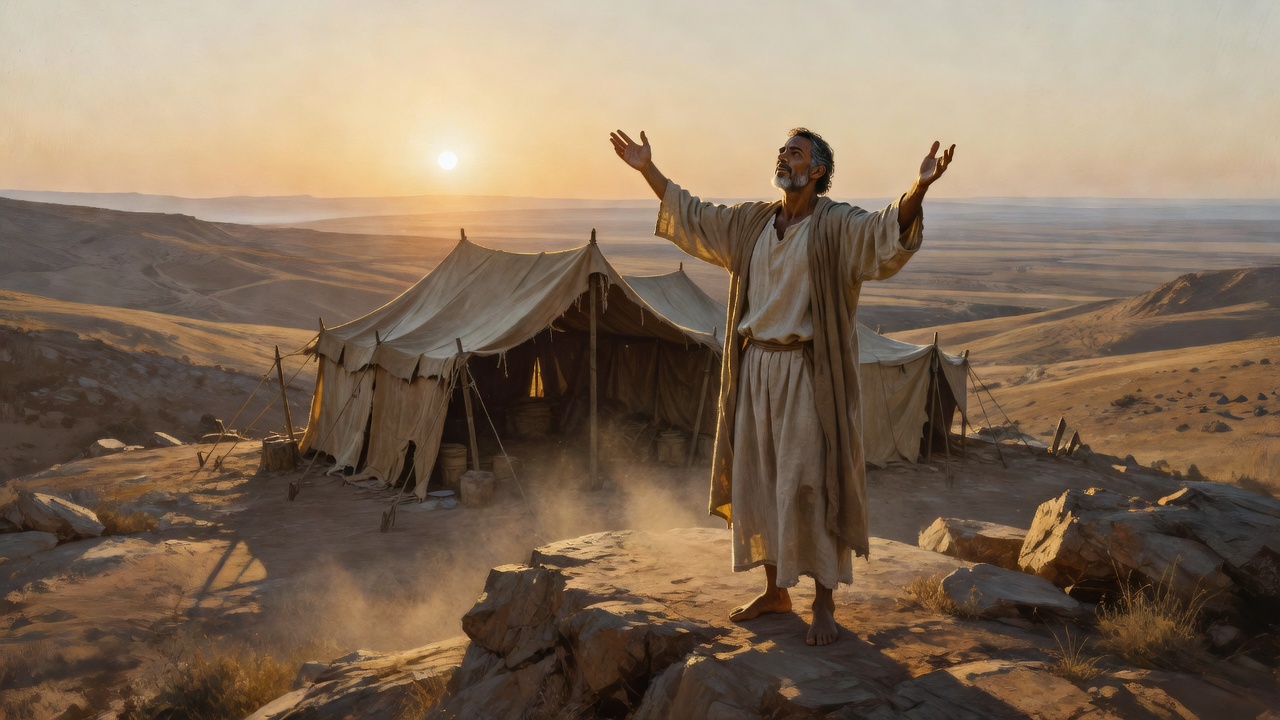
de mà le màgↄ̃ a arɛ wɛtɛ a kpɛ́n gwe,
má wɛ́ dↄ a manakɛnaai.
5Ani ma utɛ a kpɛ́n warikɛgↄrↄa,
ani ma gwa a bizakutan,
ani ma zɛ gbɛ̀ɛ musu aafia.
6Ma mì ni bo ma ibɛrɛ kũ ò likamainↄ pↄ́la,
má sa o Dikiri ↄnn kũ ayuwiikɛnaao,
má lɛ̀ sí mà a sáabu kpá.
7Tó ma n sisi Dikiri, ǹ wema,
ǹ ma wɛ̃nda gwa, ń ma yã ma.
8Ma nɛ̀sɛ tɛn lɛ́ dama mà n arɛ wɛtɛ,
Dikiri, matɛni n arɛ wɛtɛ.
9Ǹsun n mìkpɛrɛ zu makũ n zↄ̀bleriinɛro,
ǹsun kpɛ dↄmɛnɛ kũ pↄfɛ̃oro.
Ma kpanyĩriimɛ n ũ, ǹsun ma zukũnaro,
Luda ma surabarii, ǹsun ma tónlo.
10Tó ma de kũ ma dao pã kpàmai,
Dikiri ni ↄ likamai.
11Dikiri, ǹ ma da n zɛ́a,
ǹ domɛnɛ arɛ zɛ́ súsu gũn ma wɛ́tãmmarinↄ yãi.
12Ǹsun tó ma ibɛrɛnↄ pↄyeina kɛmɛnɛro,
zaakũ sèeda ɛ́kɛdenↄ tɛn yã dima,
gbɛ̃ pãsĩnↄ tɛn yĩ fɛ̃ma.
13Má yã díkĩna náanikɛna,
kũ Dikiri ni yã mana kɛmɛnɛ andunia díkĩna gũn.
14Ǹ wɛ́ dↄ Dikirii,
ǹ zɛ gbãna, ń laakari kpátɛ,
ǹ wɛ́ dↄ Dikirii.
Did you know?
Confidence in God's Protection and Presence
- The psalm repeatedly associates divine security with sacred space, portraying God's presence as a shelter, a tent, and a house where the worshiper can gaze upon God's beauty and offer joyful sacrifices with music.Sources: the Bible text itself
- The threats described range from besieging armies and violent warfare to personal legal peril, specifically false witnesses who rise up breathing violence against the psalmist.Sources: the Bible text itself
- The expression to seek God's face is central to the psalmist's plea, representing a desire for direct relational communion and favor rather than divine concealment or abandonment.Sources: the Bible text itself
Notes written with AI assistance from open sources (Theographic Bible Metadata, CC BY-SA 4.0; Easton’s Bible Dictionary, public domain) and reviewed before publishing.
Credits and license for this translation
Luda yã takada kũ Bisã yão
Portions of the Holy Bible in the Busa language of Nigeria
copyright © 2005 SIM International
Language: Bisã (Busa)
Translation by: SIM
This translation text is made available to you under the
terms of the Creative Commons License: Attribution-Noncommercial-No Derivative Works.
( http://creativecommons.org/licenses/by-nc-nd/3.0/ )
In addition, you have permission to port the text to different file formats, as long as you
do not change any of the text or punctuation of the Bible.
You may share, copy, distribute, transmit, and extract portions
or quotations from this work, provided that you include the above copyright
information:
You must give Attribution to the work.
You do not sell this work for a profit.
You do not make any derivative works that change any of the actual words or punctuation of the Scriptures.
Permissions beyond the scope of this license may be
available if you contact
us with your request.
This translation is made available to you under the terms of the
Creative Commons Attribution-Noncommercial-No Derivatives license 4.0.
You may share and redistribute this Bible translation or extracts from it in any format, provided that:
You include the above copyright and source information.
You do not sell this work for a profit.
You do not change any of the words or punctuation of the Scriptures.
Pictures included with Scriptures and other documents on this site are licensed just for use with those Scriptures and documents.
For other uses, please contact the respective copyright owners.
2014-10-10
Source: http://ebible.org/bqp/ · eBible.org