Numbers 11
Luda yã takada kũ Bisã yão · Tap a verse to see its cross-references.
Dikiri tɛ́ futɛnaa
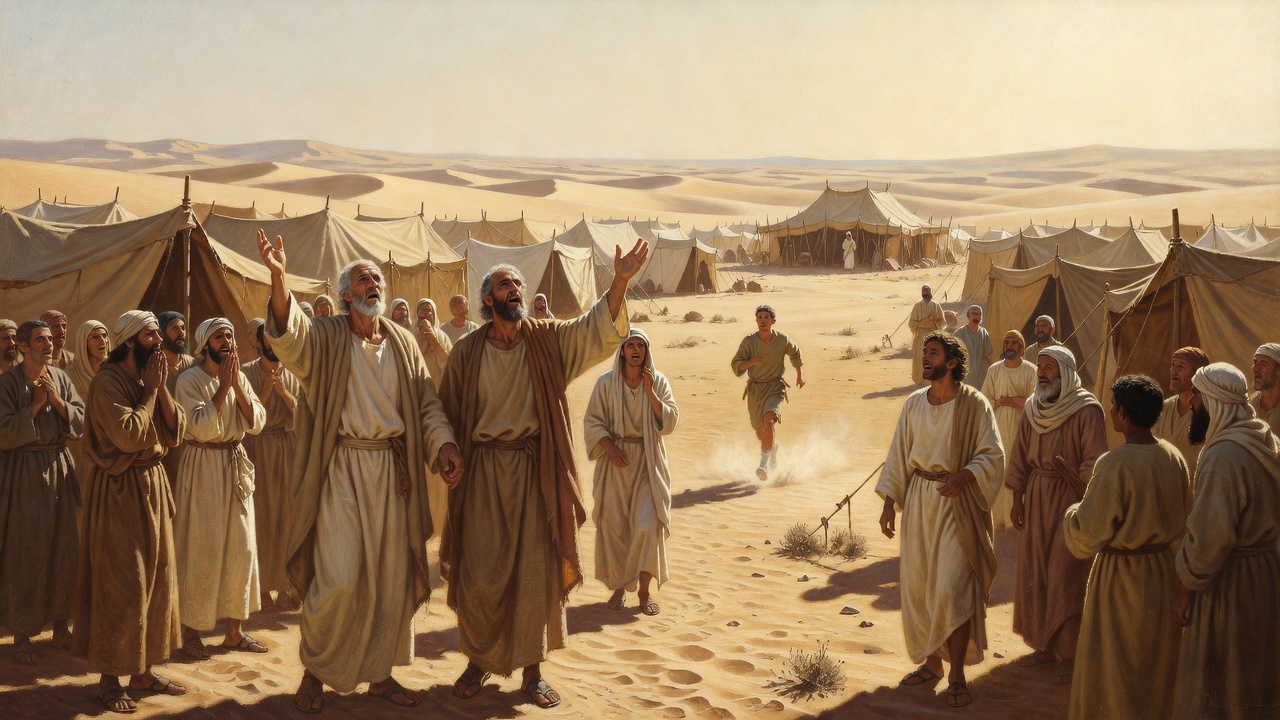
1Isarailanↄ zuka kà Dikirii ń warikɛna yãi. Kũ Dikiri mà, à pↄ fɛ̃̀, akũ a tɛ́ fùtɛ ń tɛ́, ń bùra kpado tɛ́ kũ̀. 2Akũ gbɛ̃nↄ wiki lɛ̀ Musaa. Kũ à wɛ́ kɛ̀ Dikiria, akũ tɛ́ pìi zɛ̀. 3Akũ ò tↄ́ kpà gu pìinɛ Tabera, kũ Dikiri tɛ́ fùtɛ ń tɛ́ gwe yãi.
Dikiri kpɛkpɛrɛwinↄ gbarɛnaa
4Buri pãndenↄn kú Isarailanↄ tɛ́, òtɛn pↄ́ble pãnde ni dɛ, akũ Isarailanↄn tɛn ↄ́ↄ dↄ se ò pì: Mán óni nↄ̀bↄ len ò sóo? 5Ótɛn kpↄ̀ kũ o sò Misila ó pↄyeinaaa bɛgɛ kɛ kũ plɛ̃̀nↄ kũ gbɛzɛnↄ kũ ɛfↄnↄ kũ arubasanↄ kũ arubasa gizonↄo. 6Tera sà ó lɛ́ gà, zaakũ odì pↄ́ke lero, séde mana dí baasiro.
7Manaa pì wɛ́ kete, à de lán lí'ↄ bàmɛ. 8Isarailanↄ dì sɛ́tɛ ò lↄ́ gbɛ̀n ke òdi zↄ̃ gón. Òdi disa ò kàra kɛo. A nna lán kàra asãnaa bà. 9Tó plí kpà bùran gwãani, akũ manaa pìi dì kↄ́tɛ se.
10Musa mà òtɛn ↄ́ↄ dↄ ↄnlɛ kũ ↄnlɛo. Dikiri pↄ fɛ̃̀ manamana, akũ à kɛ̀ Musanɛ ĩni 11à pìnɛ: Bↄ́yãin ntɛn wɛ́ tãmaii? Ma yã kpate mɛ́ à kɛ̀nnɛ vãni, akũ n gbɛ̃ pìnↄ gwana aso dìmɛnɛɛ? 12Makũ mɛ́ ma gbɛ̃ pìnↄ nↄ̀ↄ sì yá? Makũ mɛ́ ma ń í yá? Bↄ́yãi n pìmɛnɛ mà ń kú kpɛ lán nɛ́rande bà mà gɛ́ kũńwo bùsu kũ n la dà ń dizinↄnɛnn? 13Mákpan mani nↄ̀bↄ len mà kpá gbɛ̃ pìnↄa ń pínkii? Zaakũ òtɛn ↄ́ↄ dↄmɛnɛ òtɛn pi mà ń gba nↄ̀bↄↄ ò só. 14Mani fↄ̃ mà gbɛ̃ pìnↄ aso sɛ́ ń pínki madoro, zaakũ ń aso demala. 15Tó lɛn ĩni kɛmɛnɛ lɛ, ǹ tó ma n pↄnna le ǹ ma dɛ gↄ̃̀nↄ. Ǹsun tó mà wari pì kɛ doro. 16Akũ Dikiri pìnɛ: Ǹ Isaraila gbɛ̃ zↄ̃kↄ̃ kũ ń ń dↄ̃ don'arɛde ũnↄ kakara gbɛ̃nↄn baaakↄ̃ akuri ǹ su kũńwo dakarɛki kuta kia ògↄ̃ kú kũnwo gwe. 17Mani kipa mà yã onnɛ gwe mà a Nini kũ à kúmma kpado go mà dińnɛ, oni gbɛ̃nↄ gwana aso sɛ́ kũnwo de ǹsungↄ̃ ń sɛna ndo doro yãi. 18Ǹ o gbɛ̃nↄnɛ ò gbã̀ bo ń zĩdanɛ zia yãi, oni nↄ̀bↄ le ò só. Zaakũ ò ↄ́ↄ dↄ̀mɛnɛ ò pì, mán óni nↄ̀bↄ len la ò sóo? Ò pì ò sã̀na Misila. Abire yãin mani ń gba nↄ̀bↄ ò só. 19Oni só adi kɛ gↄrↄ donlo, gↄrↄ planlo, gↄrↄ sↄↄronlo, gↄrↄ kurinlo, gↄrↄ baronlo. 20Oni só mↄ do gbãngbãn ari à bo ń yĩn a ni bo ń pↄn. Zaakũ makũ Dikiri má kú ń tɛ́, akũ ò pã kpàmai. Ò zuka dↄ̀ma ò pì, bↄ́yãi ò bò Misilai? 21Akũ Musa pì: Gↄ̃gbɛ̃nↄn kú kũmao tá gũn gbɛ̃nↄn dúbu wàa aakↄ̃, akũ n pì ĩni nↄ̀bↄ kpáḿma ò só ari mↄ do gbãngbãn yá? 22Bee tó ò sãnↄ kũ zùnↄ dɛ̀dɛ dasidasi, ani mↄ́ḿma yá? Tó ò ísira kpↄ̀nↄ sɛ̀tɛ pínki, ani mↄ́ḿma yá? 23Dikiri wèa à pì: Ma gbãna ni kánloo? Ĩni e tera, tó yã kũ ma ònnɛ ni kɛ ke ani kɛro.
24Musa bò à Dikiri yã pìnↄ òńnɛ. À Isaraila gbɛ̃ zↄ̃kↄ̃nↄ kàkara gbɛ̃nↄn baaakↄ̃ akuri à ń zɛ́ ò lìka kuta pìii. 25Akũ Dikiri kìpa tɛ́luku gũn à yã ò kãao. À a Nini kũ à kúa kpado gò à dì gbɛ̃ zↄ̃kↄ̃ gbɛ̃nↄn baaakↄ̃ akurii pìnↄnɛ. Kũ à a Nini pìi dìńnɛ lɛ, ò annabikɛyã ò, abire gbɛra odi ɛra ò kɛ̀ doro. 26Gbɛ̃ kũ Musa ń sɛ́ gbɛ̃nↄn planↄ gↄ̃̀ bùran, gbɛ̃ do tↄ́n Ɛlɛdada, gbɛ̃ do sↄ̃ Mɛdada. Odi gɛ́ kuta kĩnaaro, ama Nini pìi sùḿma se, akũ ò annabikɛyã ò bùran. 27Kɛfɛnna ke bàa lɛ̀ à gɛ̀ɛ à pì Musanɛ: Ɛlɛdada kũ Mɛdadao tɛn annabikɛyã o bùran. 28Nuni nɛ́ Yↄsuamɛ Musa kpàasi ũ zaa a kɛfɛnnakɛgↄrↄa, akũ à pì: Baa Musa, ǹ gíńnɛ. 29Akũ Musa pìnɛ: Ntɛn nɛ̀sɛgↄ̃ba kɛ kũńwo ma yã musun yá? Tó Dikiri a Nini dì a gbɛ̃nↄnɛ ò gↄ̃̀ annabinↄ ũ ń pínki, à manaroo? 30Akũ Musa ɛ̀ra bùran kũ Isarailanↄ gbɛ̃ zↄ̃kↄ̃ↄ pìnↄo.
31Dikiri tò ĩa bò ísira kpa à sù kũ kpɛkpɛrɛwinↄ, ò dà bùrala. Ò lìka bùraai gu sĩnda pínki à kà tágↄrↄ do ũ, akũsↄ̃ ń vurana lei kà gã̀sãkuru pla. 32Fãnantɛ̃ birea kũ gwãanio kũ a gu làa dↄnaao ò fùtɛ ò gɛ̀ɛ ò kpɛkpɛrɛwinↄ kũ̀kũ. Gbɛ̃ kũ adi kũkũ dasiro kũ̀kũ bùruma baro. Akũ ò fã̀tɛ à kori kɛ̀. 33Kũ ò a nↄ̀bↄↄ dà ń lɛ́n gↄ̃̀nↄ, odi le ò só dasiro, akũ Dikiri pↄ fɛ̃̀ńyĩ à gagagyã kàńgu. 34Akũ ò tↄ́ kpà gu pìinɛ Lɛ́'idenↄ Mira, zaakũ gwen ò gbɛ̃ kũ nↄ̀bↄ lɛ́'i ń kũnↄ vĩ̀n. 35Akũ Isarailanↄ fùtɛ gwe ò gɛ̀ɛ Azero ò gↄrↄ pla kɛ̀ gwe.
Did you know?
Complaints, Quail, and the Spirit in the Camp
- The places mentioned in this chapter derive their names from events during the journey: Taberah means "burning," named after fire consumed the outskirts of the camp, while Kibroth-hattaavah means "graves of longing" or "graves of lust," where those who craved meat were buried.Sources: Taberah · Kibroth-hattaavah · the Bible text itself
- Although seventy elders were selected to help Moses bear the responsibility of leadership, Eldad and Medad remained in the camp instead of going to the Tent of Meeting, yet the Spirit rested on them and they prophesied. When Joshua urged Moses to stop them, Moses replied that he wished all the Lord's people were prophets.Sources: Eldad · Joshua · the Bible text itself
- The text describes manna as resembling coriander seed and resin, which the Israelites gathered, ground with handmills or crushed in mortars, and boiled in pots or baked into cakes tasting like pastry prepared with fine oil.Sources: the Bible text itself
Notes written with AI assistance from open sources (Theographic Bible Metadata, CC BY-SA 4.0; Easton’s Bible Dictionary, public domain) and reviewed before publishing.
Places in this chapter
Only places identified with high confidence are shown (90% or more according to the scholarly sources compiled by OpenBible). Period map: DARE (Digital Atlas of the Roman Empire), CC BY 4.0; modern map: © OpenStreetMap contributors; places: OpenBible.info (CC BY 4.0).
Credits and license for this translation
Luda yã takada kũ Bisã yão
Portions of the Holy Bible in the Busa language of Nigeria
copyright © 2005 SIM International
Language: Bisã (Busa)
Translation by: SIM
This translation text is made available to you under the
terms of the Creative Commons License: Attribution-Noncommercial-No Derivative Works.
( http://creativecommons.org/licenses/by-nc-nd/3.0/ )
In addition, you have permission to port the text to different file formats, as long as you
do not change any of the text or punctuation of the Bible.
You may share, copy, distribute, transmit, and extract portions
or quotations from this work, provided that you include the above copyright
information:
You must give Attribution to the work.
You do not sell this work for a profit.
You do not make any derivative works that change any of the actual words or punctuation of the Scriptures.
Permissions beyond the scope of this license may be
available if you contact
us with your request.
This translation is made available to you under the terms of the
Creative Commons Attribution-Noncommercial-No Derivatives license 4.0.
You may share and redistribute this Bible translation or extracts from it in any format, provided that:
You include the above copyright and source information.
You do not sell this work for a profit.
You do not change any of the words or punctuation of the Scriptures.
Pictures included with Scriptures and other documents on this site are licensed just for use with those Scriptures and documents.
For other uses, please contact the respective copyright owners.
2014-10-10
Source: http://ebible.org/bqp/ · eBible.org