Mark 12
Luda yã takada kũ Bisã yão · Tap a verse to see its cross-references.
Geepi líkpɛ arukɛrinↄ
1Akũ Yesu fùtɛ àtɛn yãlɛkↄ̃ańnɛ à pì: Gbɛ̃ke mɛ́ à geepi líkpɛ bà à karaa lìkai, à wɛ̀ɛɛ yↄ̃̀ geepi'ifɛ̃ki ũ à búdãkpãgbaa kɛ̀, akũ à bú pìi nà arukɛrinↄnɛ ń ↄĩ, akũ à fùtɛ kũ táo. 2Kũ geepizↄ̃gↄrↄ kà, akũ à a zĩ̀rii zĩ̀ arukɛrii pìnↄa de à a geepi nɛ́ sí. 3Akũ arukɛrii pìnↄ a kũ̀ ò a gbɛ̃̀, ò a gbàrɛ ↄkori. 4Akũ à ɛ̀ra à zĩ̀ri pãnde zĩ̀ dↄ. Akũ ò gbɛ̃ bire lɛ̀ a mìia ò wé'i dàa. 5A ɛ̀ra à gbɛ̃ pãnde zĩ̀ dↄ, akũ ò gbɛ̃ bire dɛ̀. Lɛn à gbɛ̃ pãndenↄ zĩ̀ lɛ dasi, ò ń gbɛ̃kenↄ gbɛ̃̀ ò ń gbɛ̃kenↄ dɛ̀. 6À nɛ́gↄ̃gbɛ̃ mɛ̀n do yenyĩde mɛ́ à gↄ̃̀nɛ sà, akũ à a zĩ̀ zã à pì: Oni ma nɛ́ yã da. 7Akũ arukɛrii pìnↄ pìkↄ̃nɛ: Túbibleriimɛ dí. À tó ò a dɛ, a túbi ni gↄ̃ ó pↄ́ ũ. 8Akũ ò a kũ̀ ò a dɛ̀, akũ ò a gɛ̀ɛ sɛ̀ ò bòo bura gũn. 9Tↄ̀! Bↄ́n burade pì ni kɛɛ? Ani su à arukɛrii pìnↄ dɛdɛ à bura pì na gbɛ̃ pãndenↄnɛ ń ↄĩ. 10Ádi Luda yã dí kyó kɛroo?
Gbɛ̀ kũ kpɛ́borinↄ pã kpài
mɛ́ à gↄ̃̀ kpɛ́ kusuru gbɛ̀ mìde ũ.
11Dikiri mɛ́ à abirekũ kɛ̀,
akũ à kɛ̀wɛrɛ yãbonsarɛ ũ.
12Akũ ò zɛ́ wɛ̀tɛ ò a kũ, zaakũ ò dↄ̃̀ kũ ń yãin à yãlɛkↄ̃anaa pìi ò, ama ò vĩna kɛ̀ parinɛ, akũ ò a tò gwe ò tà.
Bɛ'ↄgↄkpana Sizaa yã
13Akũ ò Farisi kenↄ kũ Hɛrↄdu gbɛ̃nↄ zĩ̀ Yesu kĩnaa kũ ↄ̃ndↄ̃o, de ò a kũ a yã'onaa gũn. 14Kũ ò kà, akũ ò pìnɛ: Dannɛri, ó dↄ̃ kũ gbɛ̃ yãpurademɛ n ũ. Ndì gbɛ̃ wɛ́ gwaro, ndì gbɛ̃ gwena gwaro, ndì Luda zɛ́ dańnɛ súsu. À zɛ́ vĩ ò bùsu'ↄgↄ kpá Sizaa yá, ke à zɛ́ vĩro? Ò kpáan yá, ke òsun kpáaro? 15Yesu ń manafikikɛ dↄ̃̀ḿma, akũ à pìńnɛ: Bↄ́yãin átɛni ń lɛ́ átɛn gwaa? À mↄ́ kↄ̃n ↄgↄ pì doo mà gwa. 16Kũ ò kpàa, akũ à pìńnɛ: Dí mì wãnzãn dí kũ a tↄ́oo? Ò wèa ò pì: Siza pↄ́mɛ. 17Akũ Yesu pìńnɛ: À pↄ́ kũ à de Siza pↄ́ ũ kpá Sizaa, à pↄ́ kũ à de Luda pↄ́ ũ kpá Ludaa. A yã bò ń sarɛ.
Gɛ̀nↄ vuna yã
18Akũ Sadusi kũ òdi pi gɛ̀nↄ dì vuronↄ sù Yesu kĩnaa, ò a gbɛ̀ka ò pì: 19Dannɛri, Musa òwɛrɛ a takada gũn à pì, tó gbɛ̃ gà à a nanↄ tòn nɛ́'isari, a dakũna gyaanↄ pì sɛ́, de à nɛ́ buri dato a vĩ̀ninɛ. 20Tↄ̀! Dedokↄ̃nↄnↄn kun gbɛ̃nↄn suppla. Woru nↄ sɛ̀, akũ à gà nɛ́'isari. 21Akũ Sabi nↄ pìi sɛ̀ dↄ, akũ à gà à nↄ pìi tò nɛ́'isari. Akũ Biↄ kɛ̀ lɛ dↄ 22ari à gɛ̀ɛ à pɛ̀ ń suppladea. Ń pínki ò gà nɛ́'isari. Ń pínki gbɛran nↄ pìi gà se. 23Gɛ̀nↄ vuna gↄrↄ zĩ ń dí mɛ́ anigↄ̃ nↄ pì vĩi? Zaakũ ń gbɛ̃nↄn suppla ń pínki ò a dↄ̃̀ nↄ ũmɛ. 24Akũ Yesu wèḿma à pì: Á Luda yã kũ a gbãnao dↄ̃nasari yãin a sãtɛroo? 25Tó gɛ̀nↄ fùtɛ, oni nↄ sɛ́ro, oni zã kɛro, onigↄ̃ kun lán malaikanↄn kun nà ludambɛmɛ. 26Gɛ̀vuna yã musu, ádi Musa takada kyó kɛroo? Gu kũ à lɛ̀kara yã òn Luda pìnɛ akãamɛ Ibrahĩ kũ Isaakuo kũ Yakubuo Luda ũ. 27Luda dì kɛ gɛ̀nↄ Luda ũro, gbɛ̃ bɛ̃nɛnↄ Ludamɛ a ũ. A sãtɛ à kɛ̀ zↄ̃kↄ̃.
Dokayã kũ à deńla
28Ludayãdannɛri ke kú gwe, à lɛ́kpakↄ̃a kũ òtɛn kɛ mà. Kũ à è Yesu yã wèḿma manamana, akũ à nài à a là à pì: Dokayã kpate mɛ́ à de a kparanↄla pínkii? 29Yesu wèa à pì: Yã kũ à deńlan dí: Isarailanↄ à sã kpá. Dikiri ó Ludamɛ Dikiri ũ ado. 30Ǹgↄ̃ ye Dikiri n Ludai kũ nɛ̀sɛ mɛ̀n doo kũ n ninio pínki kũ n laasunnwo pínki n gbãna lɛ́n. 31A pladen dí: Ǹgↄ̃ ye n gbɛ̃dakei lán n zĩda wɛ̃̀ndii bà. Dokayã ke de abirenↄlaro. 32Akũ ludayãdannɛrii pìi pìnɛ: Yã manamɛ, dannɛri. N yãpura ò, n pì Luda mɛ̀n domɛ, a pãnde kunlo, sé àpii. 33Yena Ludai kũ nɛ̀sɛ mɛ̀n doo kũ n laasunnwo pínki n gbãna lɛ́n kũ yena n gbɛ̃dakei lán n zĩda wɛ̃̀ndi bàao de sa'opↄ kũ òdi ká tɛ́n à tɛ́ kũla kũ sa'ona buri sĩnda pínkio. 34Kũ Yesu è à yã wèawa kũ laakariio, à pìnɛ: Gɛ̃na kpata kũ bò Luda kĩnaa gũn zã̀ kũnworo. Zaa gↄrↄ birea gbɛ̃ke dí sù a yãke laa doro.
Arumasihu buri yã
35Yesu ɛ̀ra àtɛn yã dańnɛ Luda ↄnn, akũ à gbɛ̃nↄ là à pì: À kɛ̀ dera ludayãdannɛrinↄ dì pi Dauda burin Arumasihu ũu? 36Kũ Luda Nini dìdi Daudaa, à pì:
Dikiri pì ma dikirinɛ à vutɛ a ↄplai
ari àgↄ̃ a ibɛrɛnↄ kátɛnɛ a gbá gbáru.
37Lákũ Dauda pìnɛ Dikiri ũ, à kɛ̀ dera anigↄ̃ de a buri ũ dↄↄ?
Ludayãdannɛrinↄ kũ Farisinↄ manafiki
Akũ pari tɛni a yã ma kũ pↄnnao. 38A yãdannɛnaa gũn à pì: À laakari kɛ ludayãdannɛrinↄi. Òdigↄ̃ ye kurenaai kũ uta zↄ̃kↄ̃nↄ dana, de ògↄ̃ fↄ kpákpaḿma ɛtɛnↄa. 39Òdigↄ̃ wɛtɛ ò vutɛ aduakɛkpɛ vutɛki mananↄ gũn kũ dikpɛ vutɛki mananↄ. 40Òdi adua gbã̀na kɛ de gbɛ̃nↄ ń e yãi, akũ òdi gyaanↄnↄ kpɛ́ síḿma. Ń wɛ́tãmma nigↄ̃ pãsĩpãsĩ de gbɛ̃ sĩnda pínki pↄ́la.
Gyaanↄ takaside gba
41Akũ Yesu vùtɛ Luda ↄnn ↄgↄdakia arɛ, àtɛn gbɛ̃nↄ gwa lákũ òtɛn ↄgↄ dan nà. Ɔgↄdasidenↄ tɛn ↄgↄ zↄ̃kↄ̃ dan. 42Akũ gyaanↄ takaside sù à kↄbↄ pla dàn, adi ká sisiro. 43Akũ Yesu a ìbanↄ kàkara à pìńnɛ: Yãpuran matɛn oárɛ, gyaanↄ takaside dí ↄgↄ dà ↄgↄdaki gũn de gbɛ̃ sĩnda pínkila. 44Zaakũ ń ↄgↄ dasi gũnn ò bòn ò kàn ń pínki. Nↄgbɛ̃ dí sↄ̃, a takasikɛ gũnn pↄ́ kũ à vĩ à pↄ́ bleon à dàn pínki.
Did you know?
Debates in the Temple
- The Sadducees, who say there is no resurrection, question Jesus about seven brothers and one widow, appealing to what Moses wrote. He points them to the burning bush in the Book of Moses, where God says, “I am the God of Abraham, the God of Isaac, and the God of Jacob.” Abraham, “father of a multitude,” was Terah’s son; Isaac was Abraham’s only son by Sarah; and Jacob was the second-born of the twin sons of Isaac and Rebekah.Sources: the Bible text itself · Abraham · Isaac · Jacob (Israel)
- Asked which commandment is the most important, Jesus begins, “Hear, O Israel, the Lord our God, the Lord is One,” and adds, “Love your neighbor as yourself.” Israel is another name for Jacob, the second-born twin son of Isaac and Rebekah; Jacob’s name is explained as one who follows on another’s heels, or supplanter.Sources: the Bible text itself · Jacob (Israel)
- Teaching in the temple courts, Jesus asks how the scribes can say that the Christ is the Son of David if David himself calls him “Lord.” David, whose name means “Beloved,” was the eighth and youngest son of Jesse, a citizen of Bethlehem, and his early occupation was tending his father’s sheep on the uplands of Judah.Sources: the Bible text itself · David
Notes written with AI assistance from open sources (Theographic Bible Metadata, CC BY-SA 4.0; Easton’s Bible Dictionary, public domain) and reviewed before publishing.
Credits and license for this translation
Luda yã takada kũ Bisã yão
Portions of the Holy Bible in the Busa language of Nigeria
copyright © 2005 SIM International
Language: Bisã (Busa)
Translation by: SIM
This translation text is made available to you under the
terms of the Creative Commons License: Attribution-Noncommercial-No Derivative Works.
( http://creativecommons.org/licenses/by-nc-nd/3.0/ )
In addition, you have permission to port the text to different file formats, as long as you
do not change any of the text or punctuation of the Bible.
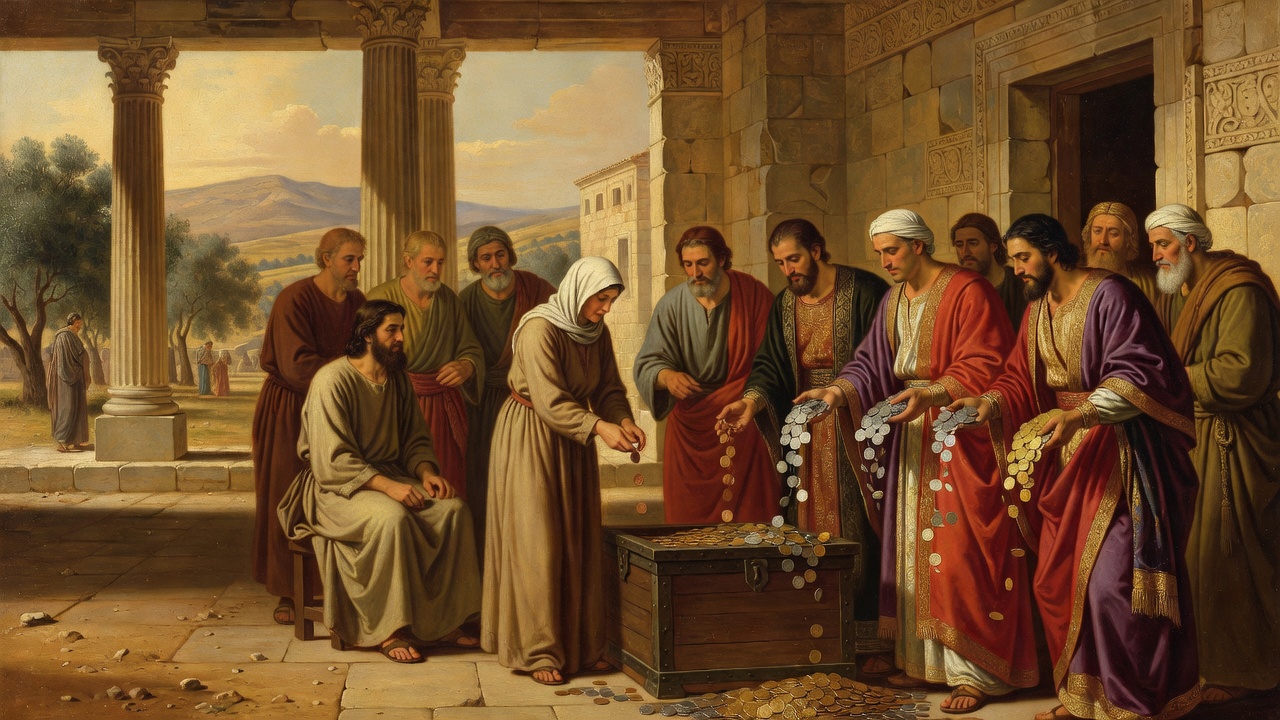
You may share, copy, distribute, transmit, and extract portions
or quotations from this work, provided that you include the above copyright
information:
You must give Attribution to the work.
You do not sell this work for a profit.
You do not make any derivative works that change any of the actual words or punctuation of the Scriptures.
Permissions beyond the scope of this license may be
available if you contact
us with your request.
This translation is made available to you under the terms of the
Creative Commons Attribution-Noncommercial-No Derivatives license 4.0.
You may share and redistribute this Bible translation or extracts from it in any format, provided that:
You include the above copyright and source information.
You do not sell this work for a profit.
You do not change any of the words or punctuation of the Scriptures.
Pictures included with Scriptures and other documents on this site are licensed just for use with those Scriptures and documents.
For other uses, please contact the respective copyright owners.
2014-10-10
Source: http://ebible.org/bqp/ · eBible.org