Matthew 6
Luda yã takada kũ Bisã yão · Tap a verse to see its cross-references.
Gbadanaa
1À laakari kɛ á donyĩyãkɛna gupuraai. Àsun kɛ bisãsiri wɛ́ yãiro. Tó átɛn kɛ lɛ, áni láada le á De kũ à kú musu kĩnaaro. 2Tó ntɛn gba da takasidenↄnɛ, ǹsun a kpàkpa kɛ lán manafikidenↄ bàro. Òdi kɛ aduakɛkpɛnↄ gũn kũ gãnulɛanↄ de gbɛ̃nↄ ń tↄ́ nna sí yãimɛ. Yãpuran matɛn oárɛ, ò ń láada lèn gwe kↄ̀! 3Mↄkↄ̃n, tó ntɛn gba da takasidenↄnɛ, ǹsun tó n ↄzɛ dↄ̃ lán n ↄpla tɛn kɛ nàro. 4Ǹ tó n gbadana kɛ asiriyã ũ, n De kũ à asiriyã dↄ̃ ni a fĩna bonnɛ.
Aduakɛnaa
5Tó átɛn adua kɛ, àsungↄ̃ de lán manafikidenↄ bàro. Òdigↄ̃ ye ò adua kɛ zɛna aduakɛkpɛn kũ zɛ́rankpakↄ̃anↄ de gbɛ̃nↄ ń e yãi. Yãpuran matɛn oárɛ, ò ń láada lèn gwe kↄ̀! 6Mↄkↄ̃n, tó ntɛn adua kɛ, ǹ gɛ̃ n kpɛ́ gũn, ǹ gbà tata, ǹ wɛ́ kɛ n De kũ à kú gwe asiri gũnwa, n De kũ à asiriyã dↄ̃ ni sí kũnwo. 7Tó átɛn adua kɛ, àsun yã bↄtɛ dasi lán kifirinↄ bàro. Òdigↄ̃ da ń yãbↄtɛna dasi gũn Luda ni sí kũńwo. 8Àsungↄ̃ de lán ń bàro, zaakũ á De pↄ́ kũ á a ni vĩ dↄ̃ ari àgↄ̃ gɛ́ gbɛkaa. 9Àgↄ̃ adua kɛ lán dí bà:
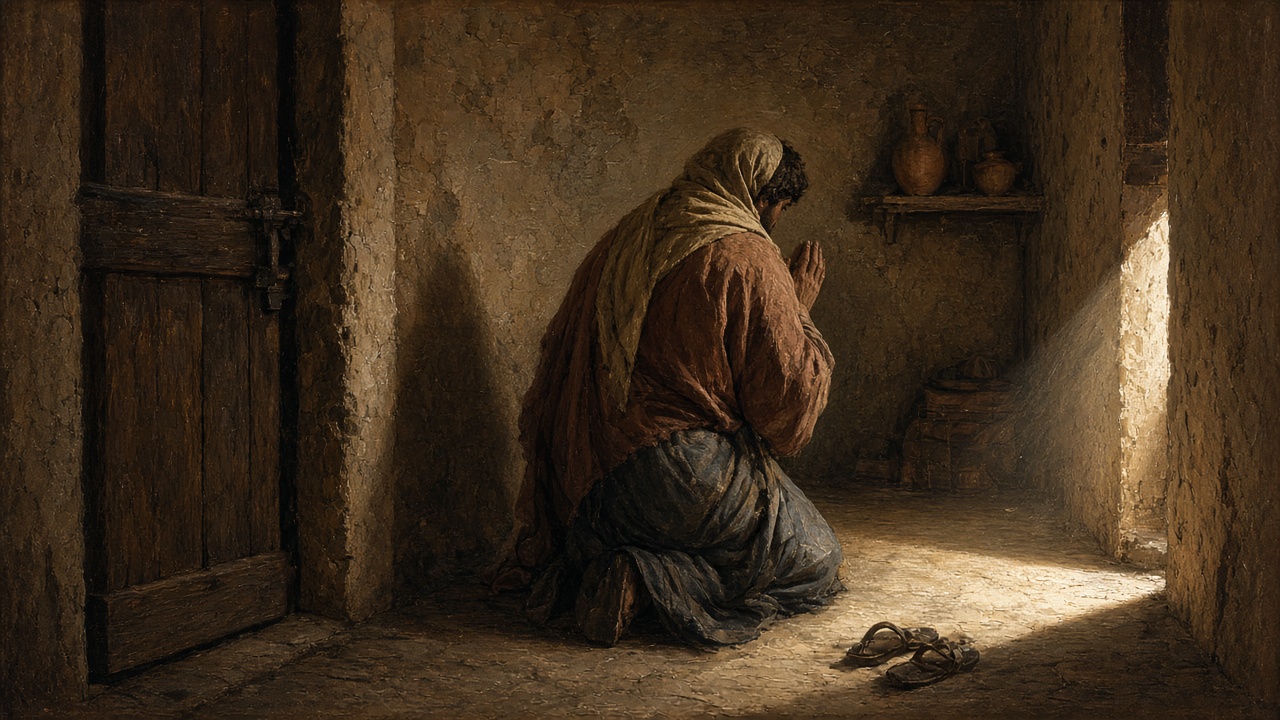
Ó De kũ à kú musu,
ǹ tó ògↄ̃ dↄ̃ kũ n tↄ́ adona,
10Ǹ tó kpata kũ à bò n kĩnaa bo gupuraa,
ò n pↄyenyĩna kɛ andunia gũn,
lákũ òdi kɛ zaa musu nà.
11Ǹ ó gba ú kũ óni ble gbãra.
12Ǹ ó taarinↄ kɛ̃wá,
lákũ odì kɛ̃ gbɛ̃ kũ ò taari kɛ̀wɛrɛnↄnɛ nà.
13Ǹsun tó ò fu yↄ̃ogwanaaaro,
ǹ ó sí a vãnia.
14Tó a gbɛ̃nↄ taari kɛ̃̀ńnɛ, á De kũ à kú musu ni á pↄ́ kɛ̃árɛ se. 15Tó adi gbɛ̃nↄ taarinↄ kɛ̃ńnɛ sↄ̃ro, á De ni á taarinↄ kɛ̃árɛro.
Lɛ́yĩnaa
16Tó á lɛ́yĩna sↄ̃, àsun ãn sisi lán manafikidenↄ bàro. Òdi ń ãn yãkatɛ de gbɛ̃nↄ gↄ̃ dↄ̃ kũ ò lɛ́yĩna yãi. Yãpuran matɛn oárɛ, ò ń láada lèn gwe kↄ̀! 17Mↄkↄ̃n, tó ń lɛ́yĩna, ǹ ãn pípi, ǹ nísi mámamma, 18de gbɛ̃nↄ sún dↄ̃ ń lɛ́yĩnaro, sé n De kũ à kú asiri gũn baasiro. N De kũ à asiriyã dↄ̃ ni a fĩna bonnɛ.
Aruzɛkɛ yã
19Àsun aruzɛkɛ kakaraái andunia gũn laro, gu kũ kↄ̀kↄnↄ dì pↄ́ yakan, pↄ́nↄ dì dã̀a kpán akũsↄ̃ kpãninↄ dì gu fↄ̃ ò pↄ́nↄ sɛ́tɛn. 20À á aruzɛkɛ kakara ludambɛ, gu kũ kↄ̀kↄnↄ dì pↄ́ yakanlo, pↄ́nↄ dì dã̀a kpánlo akũsↄ̃ kpãninↄ dì gu fↄ̃ ò pↄ́nↄ sɛ́tɛnlo. 21Zaakũ gu kũ n aruzɛkɛ kún, gwen n laakarii dìgↄ̃ kún se.
22Wɛ́mɛ mɛ̀ fitila ũ. Tó n wɛ́ aafia, n mɛ̀ pínki nigↄ̃ gupura ũ. 23Tó n wɛ́ manaro sↄ̃, n mɛ̀ pínki nigↄ̃ gusira ũ. Tó gupura kũ ń kũna de gusira ũ, gusira pì zↄ̃kↄ̃. 24Gbɛ̃ke dì fↄ̃ à zↄ̀ ble dikiri mɛ̀n planɛro, zaakũ ani zã gbɛ̃ don àgↄ̃ ye gbɛ̃ doi, kesↄ̃ ani na gbɛ̃ doa à gbɛ̃ do gya bo. Áni fↄ̃ àgↄ̃ zↄ̀ ble Ludanɛ kũ ↄgↄo lɛɛlɛro.
Ludanaanikɛnaa
25Abire yãi matɛn oárɛ, àsun á wɛ̃̀ndi damu kɛ à pi bↄ́n óni ble ke bↄ́n óni miro. Àsun mɛ̀ damu kɛ à pi bↄ́n óni daro. Wɛ̃̀ndi de pↄ́blelaroo? Mɛ̀ de pↄ́kasalaroo? 26À gwa bãnↄa. Òdi pↄ́ tↄ̃ro, òdi pↄ́ kɛ̃ro, òdi pↄ́ ká dↄ̃̀ↄ gũnlo, ama á De kũ à kú musu dì pↄ́ble kpáḿma. Á bɛ̀ɛrɛ vĩ manamana de bãnↄlaroo? 27Á tɛ́, dí mɛ́ ani fↄ̃ à a wɛ̃̀ndi gbã̀na kara, bee gↄrↄ do, a damukɛnaa gũnn?
28Bↄ́yãin adì pↄ́kasa damu kɛɛ? À lávunↄ gwa sɛ̃̀n lákũ ò de nà. Òdi zĩ kɛro, òdi buu tãro, 29ama matɛn oárɛ, bee Sulemanu kũ a aruzɛkɛo, adi uta da a mana kà ń ke ũro. 30Sɛ̃̀la kũ à kun gbãra ani tɛ́ kũ zia, lákũ Luda dì pↄ́ nai lɛ nà, ákↄ̃nↄ ludanaanikĩanadenↄ, oni á pↄ́ o dↄ yá? 31Abire yãi àsun pↄ́ke damu kɛ à pi bↄ́n óni ble ke bↄ́n óni mi ke bↄ́n óni daro. 32Kifirinↄn pↄ́ pìnↄ pínki yã dì dońnɛ arɛ. Zaakũ á De kũ à kú musu dↄ̃ kũ pↄ́ pìnↄ kↄ̃ sì kãáo, 33à tó kpata kũ à bò a kĩnaa kũ a yãzɛdeo doárɛ arɛ gĩa, ani á pↄ́ pìnↄ karaárɛ pínki. 34Abire yãi àsun zia damu kɛro, zaakũ zia a zĩda yã dↄ̃. Gↄrↄ sĩnda pínki yã'ũmmanaa mↄ̀a.
Did you know?
Secret righteousness and trust
- This chapter is part of the Sermon on the Mount. An event listing dates that sermon to AD 28 and records it as lasting one day.Sources: Sermon on the Mount · the Bible text itself
- Jesus says not to sound a trumpet in the synagogues and streets when giving to the needy, as the hypocrites do in order to be honored. He also warns against praying on street corners to be seen and against fasting with a disfigured face; instead, he describes praying in an inner room with the door shut, and fasting with an anointed head and a washed face.Sources: the Bible text itself
- Jesus says that not even Solomon in all his glory was adorned like one of the lilies of the field. A dictionary entry explains that his Hebrew name, Shelomoh, means “Peaceful,” that he was David’s son by Bathsheba, and that Nathan called him Jedidiah, “beloved of the Lord”; his reign is recorded in 1 Kings 1–11 and 2 Chronicles 1–9.Sources: the Bible text itself · Solomon
Notes written with AI assistance from open sources (Theographic Bible Metadata, CC BY-SA 4.0; Easton’s Bible Dictionary, public domain) and reviewed before publishing.
Credits and license for this translation
Luda yã takada kũ Bisã yão
Portions of the Holy Bible in the Busa language of Nigeria
copyright © 2005 SIM International
Language: Bisã (Busa)
Translation by: SIM
This translation text is made available to you under the
terms of the Creative Commons License: Attribution-Noncommercial-No Derivative Works.
( http://creativecommons.org/licenses/by-nc-nd/3.0/ )
In addition, you have permission to port the text to different file formats, as long as you
do not change any of the text or punctuation of the Bible.
You may share, copy, distribute, transmit, and extract portions
or quotations from this work, provided that you include the above copyright
information:
You must give Attribution to the work.
You do not sell this work for a profit.
You do not make any derivative works that change any of the actual words or punctuation of the Scriptures.
Permissions beyond the scope of this license may be
available if you contact
us with your request.
This translation is made available to you under the terms of the
Creative Commons Attribution-Noncommercial-No Derivatives license 4.0.
You may share and redistribute this Bible translation or extracts from it in any format, provided that:
You include the above copyright and source information.
You do not sell this work for a profit.
You do not change any of the words or punctuation of the Scriptures.
Pictures included with Scriptures and other documents on this site are licensed just for use with those Scriptures and documents.
For other uses, please contact the respective copyright owners.
2014-10-10
Source: http://ebible.org/bqp/ · eBible.org