Malachi 3
Luda yã takada kũ Bisã yão · Tap a verse to see its cross-references.
Dikiri yãkpatɛkɛgↄrↄ zĩ
1Makũ Dikiri Zĩ̀karide ma pì: À ma! Mani ma Zĩ̀ri gbarɛ à domɛnɛ arɛ à zɛ́ kɛkɛmɛnɛ. Dikiri kũ adì a kĩnaa wɛtɛ ni gɛ̃ a kpɛ́n kãnto. À ma, ma bàka kunna kãáo Malaika kũ á pↄ dↄaa pì tɛn su! 2Ama dí mɛ́ ani a sugↄrↄ fↄ̃ↄ? Tó à bò gupuraa, dí mɛ́ ani fↄ̃ à zɛɛ? Zaakũ anigↄ̃ de lán mↄ̀baasari tɛ́ bàmɛ, lán pↄ́pipirii mↄsↄnↄ gbãna bà. 3Ani vutɛ à gbɛ̃nↄ baasa à gbãsĩ bońnɛ. Ani gbãsĩ bo Levi burinↄnɛ lákũ òdi kɛ wura kũ andurufuuoonɛ nà, gbɛ̃nↄ ni gbasa ò su Dikirinɛ kũ gbanↄ a zɛ́a. 4Gↄrↄ birea Yurusalɛmudenↄ kũ Yudanↄ ń pínki gba ni ká Dikirigu lán yã bà, lán a zĩ bà.
5Makũ Dikiri Zĩ̀karide ma pì: Mani suái yãkpatɛkɛkia manigↄ̃ wãna mà gbɛ̃ kũ ò ma vĩna vĩronↄ bobo ń dàn: Pↄ́dammarinↄ kũ zinakɛrinↄ kũ gbɛ̃ kũ òdi la da ɛ́kɛyã musunↄ kũ gbɛ̃ kũ òdi gbãna mↄ ń zĩkɛrinↄnɛ kũ gyaanↄnↄ kũ tonɛnↄ kũ bòasunↄ.
Kpãni'ona Ludaa
6Makũ Dikiri madì litɛro. Abire yãin ákↄ̃nↄ Yakubu burinↄ ádi kakatɛro. 7Makũ Dikiri Zĩ̀karide ma pì: Zaa á dizinↄ gↄrↄa a pã ma yãnɛ á tɛ́iro. À arɛ dↄma, mani arɛ dↄáwa. Adì pi, deran óni arɛ dↄmmaa?
8Bisãsiri dì kpãni o Ludaa yá? Ama átɛni kpãni oma. Adì pi, bↄ́ musun átɛn kpãni omaa? Á pↄ́ kuride kũ á gbanↄ yã musumɛ. 9Á buri sĩnda pínki gↄ̃̀ láari pↄ́ ũ kũ átɛn kpãni oma yãi. 10À su kũ pↄ́ kurideo pínki à ká ma aruzɛkɛkatɛkin, de pↄ́ble gↄ̃ kú ma kpɛ́n. Makũ Dikiri Zĩ̀karide makũ mɛ́ ma ò. À ma lɛ́ abire musu à gwa, tó mádi musu zɛ́ wɛ̃ ma arubarikaa pìsiárɛ a kura a kákakiiro. 11Makũ Dikiri Zĩ̀karide ma pì: Mani kpá á burapↄ yàkarinↄnɛ de òsun á pↄ́nↄ kakatɛro. Á geepi línↄ nɛ́ ni wororo. 12Buri sĩnda pínki ni pi arubarikadenↄn á ũ, zaakũ á bùsu nigↄ̃ nna. Makũ Dikiri Zĩ̀karide makũ mɛ́ ma ò.
13Makũ Dikiri ma pì: A yã pãsĩ ò ma musu. Adì pi, bↄ́ yãn o ò n musuu? 14A pì zↄ̀blena Ludanɛ bi yã pãmɛ. Kũ o zĩ kɛ̀ Dikiri Zĩ̀karide yãa akũsↄ̃ o uta kasanↄ dà a yãi, bↄ́ àreen o lèe? 15Tera lán dí bà adì pi ĩadãrinↄn arubarikadenↄ ũ. Átɛn da yãvãnikɛrinↄ mɛ́ òtɛn zĩni pɛ́tɛ, gbɛ̃ kũ àdi pi Luda kipa ò ↄsi ká sↄ̃, yãke dì a lero.
16Akũ gbɛ̃ kũ ò Dikiri vĩna vĩnↄ yã ò kũ kↄ̃o, akũ à sã kpà ń yãi à mà. Akũ ò gbɛ̃ kũ ò Dikiri vĩna vĩ kũ òdi laasun lɛ́anↄ tↄ́ kɛ̃̀ dↄngu takadan a arɛ. 17Makũ Dikiri Zĩ̀karide ma pì gↄrↄ kũ ma bo kũ yão, onigↄ̃ de ma pↄ́ ũ ma aruzɛkɛ ũ. Mani sùru kɛ kũńwo lákũ gbɛ̃ dì sùru kɛ kũ a nɛ́ kũ àtɛn zĩ kɛnɛɛo nà. 18Áni gbɛ̃ mananↄ kũ gbɛ̃ vãninↄ dↄ̃kↄ̃nɛ sà, gbɛ̃ kũ òtɛn do Ludainↄ kũ gbɛ̃ kũ òtɛn doironↄ.
Did you know?
The Messenger of the Covenant and the Refiner's Fire
- The prophecy describes the coming messenger of the covenant acting like a refiner's fire and launderer's soap to purify the descendants of Levi, the third son of Jacob whose lineage served as priests. This purification was intended to restore righteous offerings from Judah and Jerusalem.Sources: the Bible text itself · Levi (patriarch) · Jerusalem
- The chapter addresses the withholding of tithes and offerings as robbing God. The people are challenged to bring the full tithe into the temple storehouse, with the promise that heaven's windows would open and the devourer would be rebuked from ruining their fields and vines.Sources: the Bible text itself
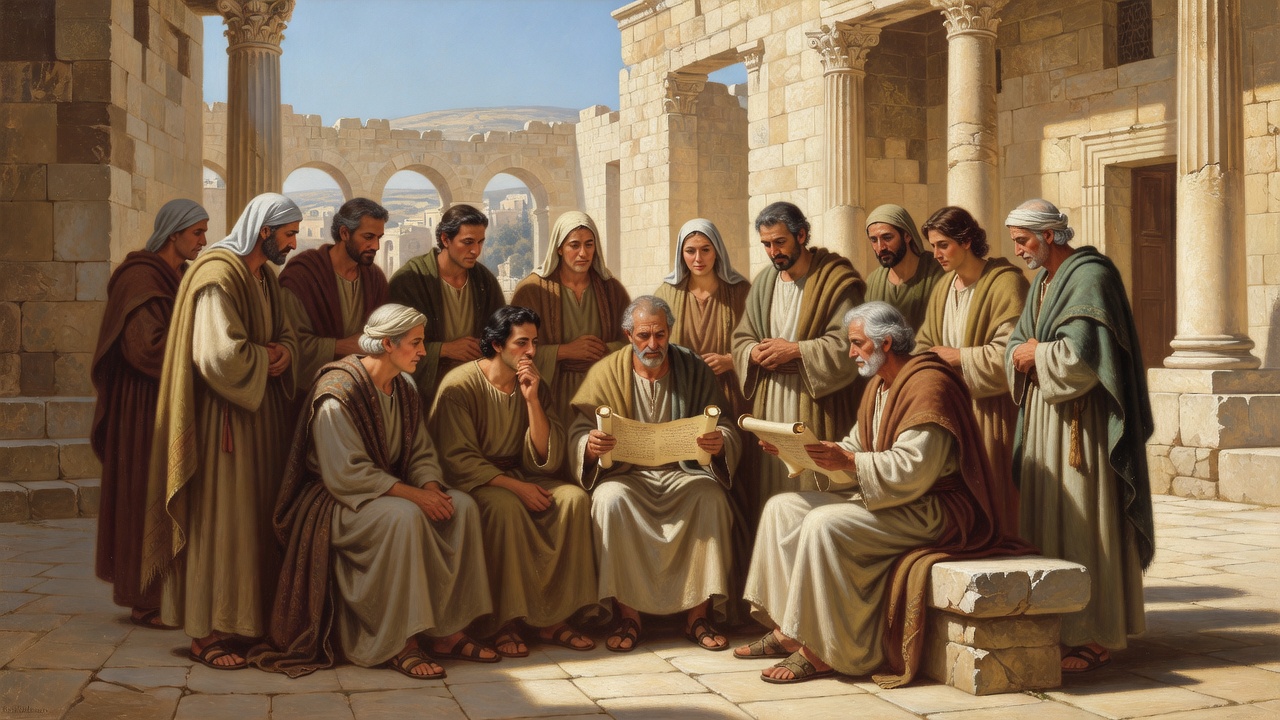
- When skeptics complained that keeping God's requirements yielded no profit while wrongdoers prospered, those who feared the Lord gathered to speak with one another. In response, a scroll of remembrance was written before Him to honor those who revere His name.Sources: the Bible text itself
Notes written with AI assistance from open sources (Theographic Bible Metadata, CC BY-SA 4.0; Easton’s Bible Dictionary, public domain) and reviewed before publishing.
Places in this chapter
- Jerusalem · 31.777, 35.234 · verse 4
Only places identified with high confidence are shown (90% or more according to the scholarly sources compiled by OpenBible). Period map: DARE (Digital Atlas of the Roman Empire), CC BY 4.0; modern map: © OpenStreetMap contributors; places: OpenBible.info (CC BY 4.0).
Credits and license for this translation
Luda yã takada kũ Bisã yão
Portions of the Holy Bible in the Busa language of Nigeria
copyright © 2005 SIM International
Language: Bisã (Busa)
Translation by: SIM
This translation text is made available to you under the
terms of the Creative Commons License: Attribution-Noncommercial-No Derivative Works.
( http://creativecommons.org/licenses/by-nc-nd/3.0/ )
In addition, you have permission to port the text to different file formats, as long as you
do not change any of the text or punctuation of the Bible.
You may share, copy, distribute, transmit, and extract portions
or quotations from this work, provided that you include the above copyright
information:
You must give Attribution to the work.
You do not sell this work for a profit.
You do not make any derivative works that change any of the actual words or punctuation of the Scriptures.
Permissions beyond the scope of this license may be
available if you contact
us with your request.
This translation is made available to you under the terms of the
Creative Commons Attribution-Noncommercial-No Derivatives license 4.0.
You may share and redistribute this Bible translation or extracts from it in any format, provided that:
You include the above copyright and source information.
You do not sell this work for a profit.
You do not change any of the words or punctuation of the Scriptures.
Pictures included with Scriptures and other documents on this site are licensed just for use with those Scriptures and documents.
For other uses, please contact the respective copyright owners.
2014-10-10
Source: http://ebible.org/bqp/ · eBible.org