Luke 11
Luda yã takada kũ Bisã yão · Tap a verse to see its cross-references.
Aduakɛnaa
1Zĩkea Yesu tɛn adua kɛ gukea. Kũ à làka, a ìba ke pìnɛ: Dikiri, ǹ aduakɛnaa dadawɛrɛ, lákũ Yahaya dà a ìbanↄnɛ nà. 2Akũ à pìńnɛ: Tó átɛn adua kɛ, àgↄ̃ pi:
Baa, ǹ tó ògↄ̃ dↄ̃ kũ n tↄ́ adona.
Ǹ tó kpata kũ à bò n kĩnaa bo gupuraa.
3Ǹ ó gba pↄ́ kũ ónigↄ̃ ble lákũ gu dìgↄ̃ dↄ nà.
4Ǹ ó durunnanↄ kɛ̃wá,
zaakũ odì kɛ̃ gbɛ̃ kũ ò durunna kɛ̀wɛrɛnↄnɛ ń pínki.
Ǹsun tó ò fu yↄ̃ogwanaaaro.
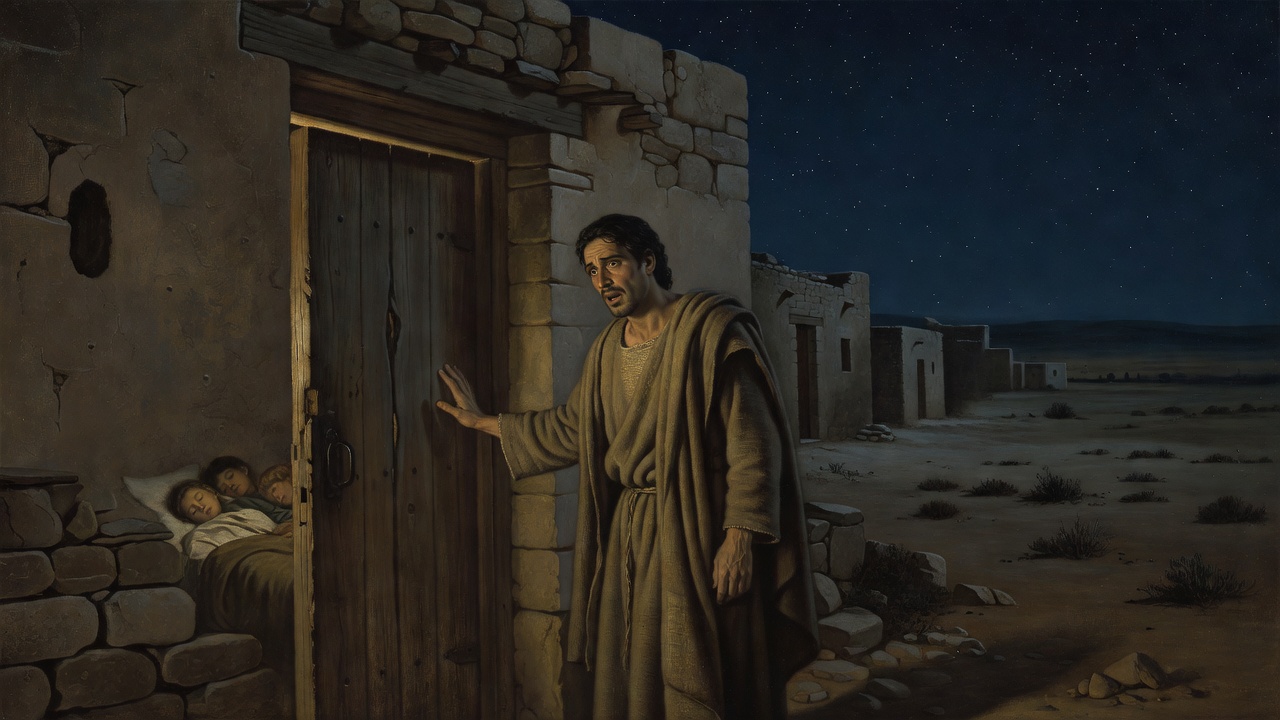
5Akũ à pìńnɛ: Ò pì á gbɛ̃ke mɛ́ à gbɛ̃nna vĩ, akũ à gɛ̀ɛ a kĩnaa lizãndo à pìnɛ: Ma su n kĩnaamɛ, ǹ burodi sãkãmɛnɛ mɛ̀n aakↄ̃. 6Nibↄↄ kìpama tera dí, má pↄ́ke vĩ mà kpáaro. 7Akũ a gbɛ̃nna pìi wèa zaa kpɛ́ gũn à pì: Ǹsun wari dↄmaro, ma gbàa tà kↄ̀. Ma gɛ̃ kpɛ́n kũ ma nɛ́nↄ, mani fↄ̃ mà futɛ mà pↄ́ke kpámmaro. 8Matɛn oárɛ, bee tó adi futɛ à kpàa gbɛ̃nnakɛ yãiro, ani futɛ à pↄ́ kũ à yei kpáa, kũ à zɛ̀i dãndãn yãi. 9Makũ sↄ̃ matɛn oárɛ, à wɛ́ kɛ, Luda ni kpááwa. À wɛtɛ, áni le. À gbà lɛ́, Luda ni wɛ̃árɛ. 10Zaakũ gbɛ̃ kũ à wɛ́ kɛ̀ɛn òdi kpáa, gbɛ̃ kũ à wɛ̀tɛ sↄ̃ àdi le, gbɛ̃ kũ à gbàa lɛ̀ɛn oni wɛ̃nɛ. 11Ákↄ̃nↄ kũ á nɛ́nↄ vĩ, tó á nɛ́ kpↄ̀ wɛ́ kɛ̀áwa, á dí mɛ́ ani mlɛ̃̀ sɛ́ à kpáaa? 12Ke tó à nɛ́ konɛgbĩni wɛ́ kɛ̀áwa, á dí mɛ́ ani fí sɛ́ à kpáaa? 13Bee kũ á vãnikɛo á pↄ mana kpana á nɛ́nↄa dↄ̃. Oni á De kũ à kú musu Nini kpana gbɛ̃ kũ ò wɛ́ kɛ̀anↄa pↄ́ o dↄ yá?
Tãnagona gbɛ̃nↄa
14Yesu tɛn tãna sãto kpáturuku go gbɛ̃a. Kũ tãna pìi gòa, sãto pìi nà yã'onaaa, akũ yã pìi bò pari sarɛ. 15Akũ ń gbɛ̃kenↄ pì: Àdi tãna goḿma kũ tãnanↄ kína Bɛlɛzɛbubu gbãnaomɛ. 16Akũ gbɛ̃ pãndenↄ a yↄ̃̀ ò gwà, ò a gbɛ̀ka à sèeda ke kɛńnɛ kũ Luda gbãnao. 17Kũ Yesu ń laasun dↄ̃̀, akũ à pìńnɛ: Kpata kũ a gbɛ̃nↄ ibɛrɛɛ sɛ̀ kũ kↄ̃o ni kakatɛ. Ɔn kũ a gbɛ̃nↄ ibɛrɛɛ sɛ̀ kũ kↄ̃o ni gↄ̃ bɛzĩ ũmɛ. 18Tó Setan ibɛrɛɛ sɛ̀ kũ a gbɛ̃nↄo, deran a kpata ni gì kɛɛ? Ma ò lɛ kũ átɛn pi madì tãna goḿma kũ Bɛlɛzɛbubu gbãnao yãimɛ. 19Tó Bɛlɛzɛbubu gbãnan madì tãna gooḿma, á gbɛ̃nↄ dì goḿma kũ dí gbãnaomɛɛ? Lɛmɛ á zĩda gbɛ̃nↄ á ɛ́kɛ bò lɛ. 20Tó ma tãnagoḿmana bi Luda ↄgbɛɛmɛ, àgↄ̃ dↄ̃ kũ kína kũ Luda kàa sù à á lén gwe. 21Tó gↄ̃sa gbãna zĩ̀kabↄnↄ kũna àtɛni a ↄn dãkpão, a aruzɛkɛnↄ dìgↄ̃ aafiaamɛ. 22Ama tó gbɛ̃ kũ a gbãna deala sù à gɛ̃̀i à gbãna mↄ̀nɛ, ani a gↄ̃kɛbↄ kũ à a náani vĩnↄ sɛ́tɛ, ani a aruzɛkɛ kpaatɛtɛńnɛ. 23Gbɛ̃ kũ à kú kũmaoro bò ma kpɛ. Gbɛ̃ kũ àdi pↄ́ kakara kũmaoro dì fãkↄ̃amɛ.
24Tó ò tãna gò gbɛ̃a, àdigↄ̃ likara zↄ̃ gukorin àgↄ̃ vutɛki wɛtɛ. Tó adi lero, akũ àdi pi: Mani ɛra mà tá ma bɛ zĩamɛ. 25Tó à kà gwe, àdi le à warana swáswa zɛ́azɛa, 26akũ àdi gɛ́ tãna kũ ń pãsĩ dealanↄ sɛ́tɛ mɛ̀n suppla à su kũńwo, òdi gɛ̃ ò vutɛn. Lɛmɛ ade gwena kpɛkpɛ vãni dìgↄ̃ de a káakupↄla.
Arubarika yã
27Kũ Yesu tɛn o lɛ, nↄgbɛ̃ ke pũ̀tã zàa gũn à pì: Nↄgbɛ̃ kũ à n i à yↄ̃ kpàmma arubarika vĩ. 28Akũ Yesu pì: Oi! Arubarikadenↄn gbɛ̃ kũ ò Luda yã mà ò kũnanↄ ũ.
Sèeda gbɛkana Yesua
29Kũ pari tɛn kara, akũ Yesu pì: Gbãragbɛ̃nↄn zara. Òdi sèeda gbɛkama, ama mani sèeda ke kɛńnɛro, sé Inusa pↄ́. 30Lákũ Inusa de sèeda ũ Ninɛvadenↄnɛ nà, lɛn Bisãsiri Nɛ́ nigↄ̃ de sèeda ũ gbãragbɛ̃nↄnɛ lɛ. 31Yãkpatɛkɛgↄrↄ zĩ gɛ̀nↄmidↄki kpa saraunia ni vu à yã dí gbãragbɛ̃nↄa, zaakũ à bò zaa andunia lɛ́a, à sù Sulemanu ↄ̃ndↄ̃yã ma, akũ gbɛ̃ kũ à de Sulemanula kú la sà. 32Yãkpatɛkɛgↄrↄ zĩ Ninɛvadenↄ ni futɛ ò yã da gbãragbɛ̃nↄla, zaakũ kũ Ninɛvadenↄ Inusa waazi mà ò nɛ̀sɛɛ lìtɛ, akũ gbɛ̃ kũ à zↄ̃kↄ̃ de Inusala kú la sà.
Wɛ́mɛ mɛ̀ fitila ũ
33Òdi fitila na ò ditɛ gukpado ke ò gbaka kútɛaro. Òdi di a dibↄↄ musumɛ, de gbɛ̃ kũ òtɛn gɛ̃nↄ gupura e yãi. 34N wɛ́mɛ n mɛ̀ fitila ũ. Tó n wɛ́ aafia, n mɛ̀ pínki nigↄ̃ gupura ũ. Tó n wɛ́ gbãnaro sↄ̃, n mɛ̀ pínki nigↄ̃ gusira ũ. 35Abire yã mɛ́ à tò, ǹ laakari kɛ, de gupura kũ ntɛn da ń vĩ súngↄ̃ de gusira ũro. 36Tó n mɛ̀ pínki gupura vĩ, a ke kú gusira gũnlo, anigↄ̃ gu pura kũ swáswa lándↄ̃ fitila'i dↄmma bà.
Yesu ludayãdannɛrinↄ kũ Farisinↄ bobona ń dàn
37Kũ Dikiri yã ò à làka, akũ Farisi ke a sìsi à mↄ́ à pↄ́ ble kãao, akũ à gɛ̃̀ à vùtɛ. 38Kũ Farisi pìi è adi ↄ da ín gbasa ò pↄ́ blero, à bò a sarɛ. 39Akũ Dikiri pìnɛ: Ákↄ̃nↄ Farisinↄ adì gbãsĩ bo tokonↄ kpɛ kũ tanↄ, ama wãkũ kũ yãvãnikɛnaao mɛ́ à á nɛ̀sɛɛ pà. 40Yↄ̃nkↄnↄ! Luda kũ à pↄ́ kpɛ kɛ̀ mɛ́ à a gũn kɛ̀ seroo? 41À pↄ́ kũ à kú á tanↄ gũn dã wɛ̃ndadenↄnɛ, á ta pìnↄ ni gↄ̃árɛ gbãsĩ sari.
42Waiyoo ákↄ̃nↄ Farisinↄ! Adì tofenↄ tↄkↄtɛdo kũ kpè'akão kũ dò pↄ́nↄ pínki kuride kpá Ludaa, akũ adì pã kpá yãzɛdei kũ yena Ludaiio. Yã birenↄ mɛ́ à de àgↄ̃ kũna pãkpana a kparanↄi sari. 43Waiyoo ákↄ̃nↄ Farisinↄ! Adìgↄ̃ ye à vutɛ aduakɛkpɛ vutɛki mananↄn, adìgↄ̃ ye ògↄ̃ fↄ kpákpaáwa ɛtɛnↄn. 44Waiyoo ákↄ̃nↄ! Á de lán mira kũ òdigↄ̃ táa oa a yãdↄ̃naa sari bàmɛ.
45Akũ dokadↄ̃ri ke pìnɛ: Dannɛri, tó n ò lɛ, ntɛni ó sↄ̃sↄ̃mɛ se. 46Yesu pì: Waiyoo ákↄ̃nↄ dokadↄ̃rinↄ sↄ̃! Adì gbɛ̃nↄ da asosɛna zĩ'ũn, akũ adì ↄ daḿma kũ a sɛnaaoro, bee ↄnɛɛ. Waiyoo ákↄ̃nↄ! 47Adì pↄ́ bo annabi kũ á dizinↄ ń dɛdɛnↄ miranↄa ń yã dↄngu yãi. 48Lɛmɛ a sì kũ a zɛ kũ á dizinↄ yãkɛnanↄomɛ. Ò annabinↄ dɛ̀dɛ, akũ adì pↄ́ bo ń miranↄa. 49Abire yãi Luda wɛ́zɛ̃ gũn à pì, áni annabinↄ kũ zĩ̀rinↄ zĩáwa. Áni ń gbɛ̃kenↄ dɛdɛ, áni wɛ́ tã ń gbɛ̃kenↄa. 50Lɛmɛ annabi kũ ò ń dɛdɛ zaa andunia naanagↄrↄ ari gbãranↄ yã ni wí teradenↄ musu lɛ, 51sɛna zaa Habila dɛna ari à gɛ̀ɛ pɛ́ Zakari kũ ò a dɛ̀ sa'oki kũ Luda kpɛ́o daguraa. Ee, matɛn oárɛ, yã birenↄ pínki ni wí teradenↄ musumɛ. 52Waiyoo ákↄ̃nↄ dokadↄ̃rinↄ! A dↄ̃naa gbà mↄ̀nɛ wòto. Ádi gɛ̃ a gũnlo, akũ a kpa gbɛ̃ kũ ò ye ò gɛ̃ a gũnnↄnɛ. 53Kũ Yesu bò gwe, ludayãdannɛrinↄ kũ Farisinↄ nàkaraa gbãngbãn, òtɛn yã lalaa dasi, 54òtɛni a kpákpa, de ò a kũ yã kũ àtɛn o gũn.
Did you know?
Prayer, Signs, and Woes
- Jesus speaks of the blood of all the prophets, from the blood of Abel to the blood of Zechariah, who was killed between the altar and the sanctuary. Abel was the second son of Adam and Eve and was killed by his brother Cain. Easton's Bible Dictionary (1897) identifies this Zechariah as the son or grandson of the high priest Jehoiada, stoned at the king's command in the court of the house of the Lord after he condemned the king and the people, and notes that Jesus alludes to that murder in this chapter.Sources: the Bible text itself · Abel · Zacharias
- Jesus says this generation will be given no sign except the sign of Jonah: as Jonah was a sign to the Ninevites, so the Son of Man will be a sign to this generation, and the men of Nineveh, who repented at his preaching, will condemn it at the judgment, because someone greater than Jonah is here. Easton's Bible Dictionary (1897) describes Jonah, son of Amittai of Gath-hepher, as a prophet of Israel and a missionary to Nineveh, and calls him a type of the Son of Man. It describes Nineveh as a great and populous city, the flourishing capital of the Assyrian empire.Sources: the Bible text itself · Jonah · Nineveh
- After Jesus drives out a demon that was mute, some say he does it by Beelzebul, the prince of the demons. Easton's Bible Dictionary (1897) explains the name Satan as adversary or accuser, says the New Testament uses it interchangeably with the devil, and lists Beelzebub among his titles. Jesus answers that every kingdom divided against itself will be laid waste, and asks how Satan's kingdom can stand if Satan is divided against himself.Sources: the Bible text itself · Satan
Notes written with AI assistance from open sources (Theographic Bible Metadata, CC BY-SA 4.0; Easton’s Bible Dictionary, public domain) and reviewed before publishing.
Places in this chapter
Only places identified with high confidence are shown (90% or more according to the scholarly sources compiled by OpenBible). Period map: DARE (Digital Atlas of the Roman Empire), CC BY 4.0; modern map: © OpenStreetMap contributors; places: OpenBible.info (CC BY 4.0).
Credits and license for this translation
Luda yã takada kũ Bisã yão
Portions of the Holy Bible in the Busa language of Nigeria
copyright © 2005 SIM International
Language: Bisã (Busa)
Translation by: SIM
This translation text is made available to you under the
terms of the Creative Commons License: Attribution-Noncommercial-No Derivative Works.
( http://creativecommons.org/licenses/by-nc-nd/3.0/ )
In addition, you have permission to port the text to different file formats, as long as you
do not change any of the text or punctuation of the Bible.
You may share, copy, distribute, transmit, and extract portions
or quotations from this work, provided that you include the above copyright
information:
You must give Attribution to the work.
You do not sell this work for a profit.
You do not make any derivative works that change any of the actual words or punctuation of the Scriptures.
Permissions beyond the scope of this license may be
available if you contact
us with your request.
This translation is made available to you under the terms of the
Creative Commons Attribution-Noncommercial-No Derivatives license 4.0.
You may share and redistribute this Bible translation or extracts from it in any format, provided that:
You include the above copyright and source information.
You do not sell this work for a profit.
You do not change any of the words or punctuation of the Scriptures.
Pictures included with Scriptures and other documents on this site are licensed just for use with those Scriptures and documents.
For other uses, please contact the respective copyright owners.
2014-10-10
Source: http://ebible.org/bqp/ · eBible.org