Job 31
Luda yã takada kũ Bisã yão · Tap a verse to see its cross-references.
Ayuba zɛna kũ a taarisarikɛo
1Ma la dà kũ ma wɛ́ nigↄ̃ kú nↄkparearo.
2Bↄ́ mɛ́ ani gↄ̃ bisãsiri baka ũ Luda kĩnaa zaa musuu?
Bↄ́ túbin ani le Gbãnasĩndapinkide kĩnaa zaa ludambɛɛ?
3Gbɛ̃ vãninↄn kisira dì ń leroo?
Vãnikɛrinↄn kakatɛnaa dì gɛ̃ńyĩroo?
4À de Luda tɛni ma yãkɛnanↄ e
à ma gɛ̀sɛsɛna lɛ́ dↄ̃roo?
5Madìgↄ̃ táa o kũ manafikion yá?
Madì wã mà gbɛ̃ sãtɛn yá?
6Luda ma yↄ̃ a zɛ́a à gwa,
ani dↄ̃ kũ má taari vĩro.
7Tó ma pã zɛ́nɛ,
akũsↄ̃ pↄ́ kũ ma wɛ́ ènↄ mɛ́ àtɛni ma swɛ̃̀ ble,
ke tó ma ↄ kú yã vãni ke gũn,
8tó lɛmɛ, mà pↄ́ tↄ̃ gbɛ̃ pãndenↄ ble,
ò pↄ́ kũ ma bànↄ wowo.
9Tó gbɛ̃ke nↄ ni gɛ̃̀ ma swɛ̃̀n,
tó ma nagui ma gbɛ̃dake nↄ yãi,
10tó lɛmɛ, gbɛ̃ pãnde gbá di ma nanↄa,
àgↄ̃ kĩni kɛ dakenↄnɛ.
11Zaakũ tó ma yã pìi kɛ̀, dà vãnimɛ,
durunna kũ à kà ò a yã gↄ̃gↄ̃mɛ.
12Yã pì bi tɛ́ pↄ́kakatɛriimɛ,
kũ à de à dↄ ma burapↄnↄa à tɛ́ kũ kororo.
13Tó ma gↄ̃gbɛ̃ ke nↄgbɛ̃ zĩkɛri yã vĩ kũmao,
tó mádi gↄ̃gↄ̃ a zɛ́aro,
14mani kɛ deramɛ, tó Luda fùtɛmaii?
Tó à sùmai, mani pinɛ deramɛɛ?
15Luda kũ à ma í kàsa nɛ́'isↄn mɛ́ à ade í kàsa seroo?
Luda mɛ̀n do pì mɛ́ à ó baadi kɛ̀ a da gbɛrɛnloo?
16Tó ma takaside tɛ̃̀ pↄ́ kũ àtɛni a ni dɛ,
tó ma gi gyaanↄ wɛ̃nda gwai,
17tó ma pↄ́ blè,
ma tonɛ kũ à gwàri vĩro tɛ̃̀ sↄ̃, tↄ̀!
18Lɛnlo! Zaa ma kɛfɛnnakɛgↄrↄa
tonɛnↄ demɛ ma ũ.
Zaa lákũ ma bo ma da nɛ́'isↄn nà
gyaanↄnↄ kpànyĩriimɛ ma ũ.
19Tó ma gbɛ̃ke è kũ ĩa tɛni a dɛ,
ke tó ma takaside è kũ à biza vĩ à kúalaro,
20tó adi ma sáabu kpá
kũ ma a sãkã biza kùala a mɛ̀ɛ kɛ̀ lↄ́gↄlↄgↄro,
21tó ma gbãna mↄ̀ tonɛnɛ,
kũ má dↄ̃ kũ oni zɛ kũmao yãkpatɛkɛnan yãi,
22ma gã̀ bokũn,
ma gã̀sã wó a pɛ́kia.
23Má Luda wɛ́tãmmanaa vĩna vĩ,
a zↄ̃kↄ̃kɛ yãi mani fↄ̃ mà yã dí taka kɛro.
24Tó wuraan ma gbãna lèa,
tó ma pì wura atɛ̃nɛ má náanikɛna,
25tó ma aruzɛkɛ zↄ̃kↄ̃ↄn ma pↄ dↄa,
ↄgↄda kũ à gɛ̃̀ ma ↄĩ pìi,
26tó ifãntɛ̃ tɛ́kɛnaan má tɛ́i,
ke mↄvura táa'ona kũ a manakɛo,
27akũ ń yã tɛni ma swɛ̃̀ ble busɛbusɛ,
ari ma lɛ́ pɛ̀ ma ↄa ma fↄ kpàoḿma,
28abirekũ bi durunna kũ à kà ò a yã gↄ̃gↄ̃mɛ,
manafikikɛna Luda Musudenɛn gwe.
29Mádi pↄnna kɛ ma zãnguri kũ kisira a lè yã musuro,
mádi a yáa dↄ kũ yã a lè yãiro.
30Mádi we ma durunna kɛ̀ ma a kàro.
31Dí mɛ́ à kìpama kũ adi pↄ́ ble à kã̀roo?
Ma bedenↄmɛ ma sèedadenↄ ũ.
32Ma bɛ zɛ́ dìgↄ̃ wɛ̃na nibↄnↄnɛ,
madì we nibↄ gɛ̃̀zɛla ì batunlo.
33Ma a taarinↄ ùtɛ gbɛ̃nↄnɛ yá?
Ma lá kù ma durunnanↄan yá?
34Pari vĩna ma kũ ari ma fua mà yã o yá?
Kũ oni ma gya bo yãin ma gi bo kpɛ́nyĩ yá?
35O'o! Dí mɛ́ ani ma yã díkĩna mamaa?
Ma zɛo. Gbãnasĩndapinkide wema sà.
Luda kũ à yã vĩ kũmao pì kɛ̃ takadan.
36Mani takada pì sɛ́ mà da ma gã̀n,
mani kú fùra ũ,
37mani gɛ́ mà yã kũ ma kɛ̀nↄ babanɛ pínki,
mani nai lán kínɛ bà.
38Tó ma bura tɛn gímai,
akũsↄ̃ a dↄ̀rↄnↄn tɛn wiki lɛ́ma,
39tó ma burapↄ blè akũsↄ̃ mádi zĩtɛ pìi fĩna boro,
ke tó ma gbɛ̃ kũ ò vĩ yãnↄ dɛ̀dɛ,
40tó lɛmɛ, lɛ̀kara butɛ gbado gɛ̃nɛ ũ,
pampara sↄ̃ à butɛ ése gbɛ̀n.
Ayuba yã lɛ́n gwe.
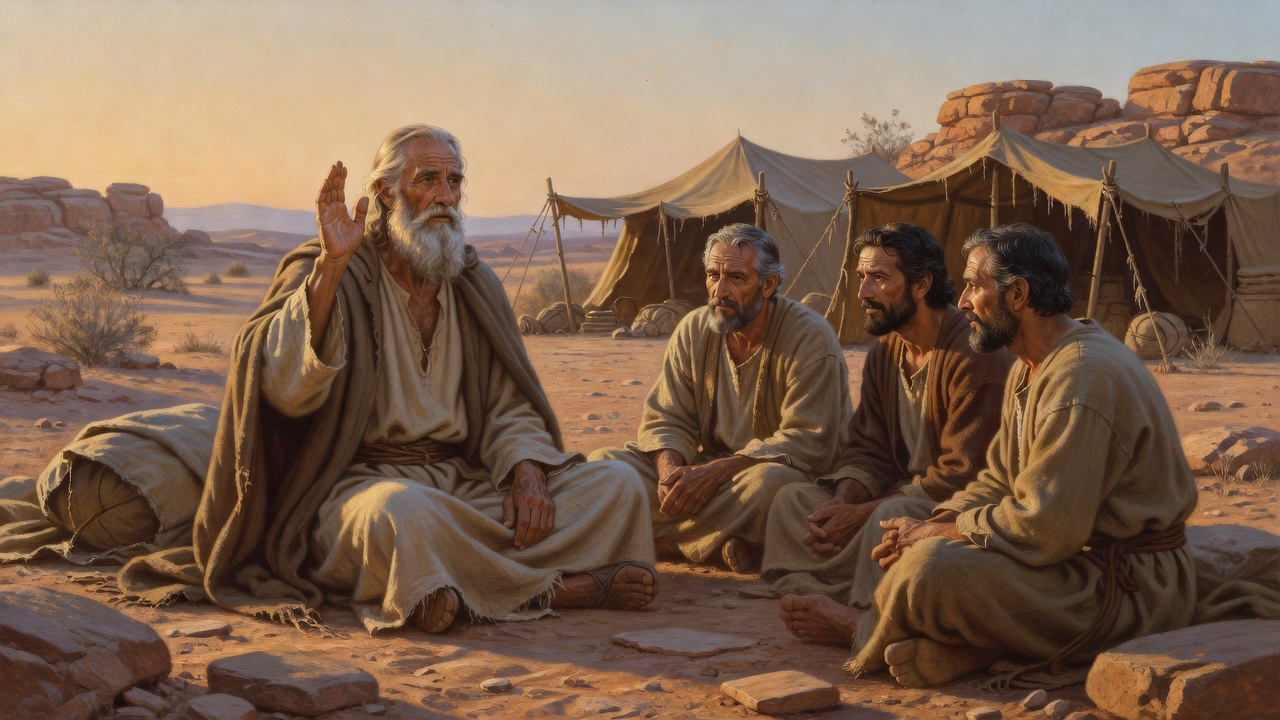
Did you know?
Job's Final Oath of Innocence
- Job frames his defense using a series of conditional self-curses, swearing that if he has committed specific moral or social sins, severe punishments should fall upon him. His ethical code extends beyond external deeds to internal motives, demanding fairness even for his servants because both master and slave were formed by the same God in the womb.Sources: the Bible text itself
- Job disavows the ancient practice of throwing a kiss with his hand toward the radiant sun or the moon in splendor. In the ancient Near East, kissing one's hand toward celestial bodies was a widespread form of astral worship, which Job regards as an offense that denies God on high.Sources: the Bible text itself
- The chapter marks the conclusion of Job's speeches with a formal legal appeal. He presents his written mark or signature, asking the Almighty to answer him and declaring that he would proudly carry any formal indictment on his shoulder like a crown, approaching God with the dignity of a prince.Sources: the Bible text itself · Job
Notes written with AI assistance from open sources (Theographic Bible Metadata, CC BY-SA 4.0; Easton’s Bible Dictionary, public domain) and reviewed before publishing.
Credits and license for this translation
Luda yã takada kũ Bisã yão
Portions of the Holy Bible in the Busa language of Nigeria
copyright © 2005 SIM International
Language: Bisã (Busa)
Translation by: SIM
This translation text is made available to you under the
terms of the Creative Commons License: Attribution-Noncommercial-No Derivative Works.
( http://creativecommons.org/licenses/by-nc-nd/3.0/ )
In addition, you have permission to port the text to different file formats, as long as you
do not change any of the text or punctuation of the Bible.
You may share, copy, distribute, transmit, and extract portions
or quotations from this work, provided that you include the above copyright
information:
You must give Attribution to the work.
You do not sell this work for a profit.
You do not make any derivative works that change any of the actual words or punctuation of the Scriptures.
Permissions beyond the scope of this license may be
available if you contact
us with your request.
This translation is made available to you under the terms of the
Creative Commons Attribution-Noncommercial-No Derivatives license 4.0.
You may share and redistribute this Bible translation or extracts from it in any format, provided that:
You include the above copyright and source information.
You do not sell this work for a profit.
You do not change any of the words or punctuation of the Scriptures.
Pictures included with Scriptures and other documents on this site are licensed just for use with those Scriptures and documents.
For other uses, please contact the respective copyright owners.
2014-10-10
Source: http://ebible.org/bqp/ · eBible.org