Jeremiah 7
Luda yã takada kũ Bisã yão · Tap a verse to see its cross-references.
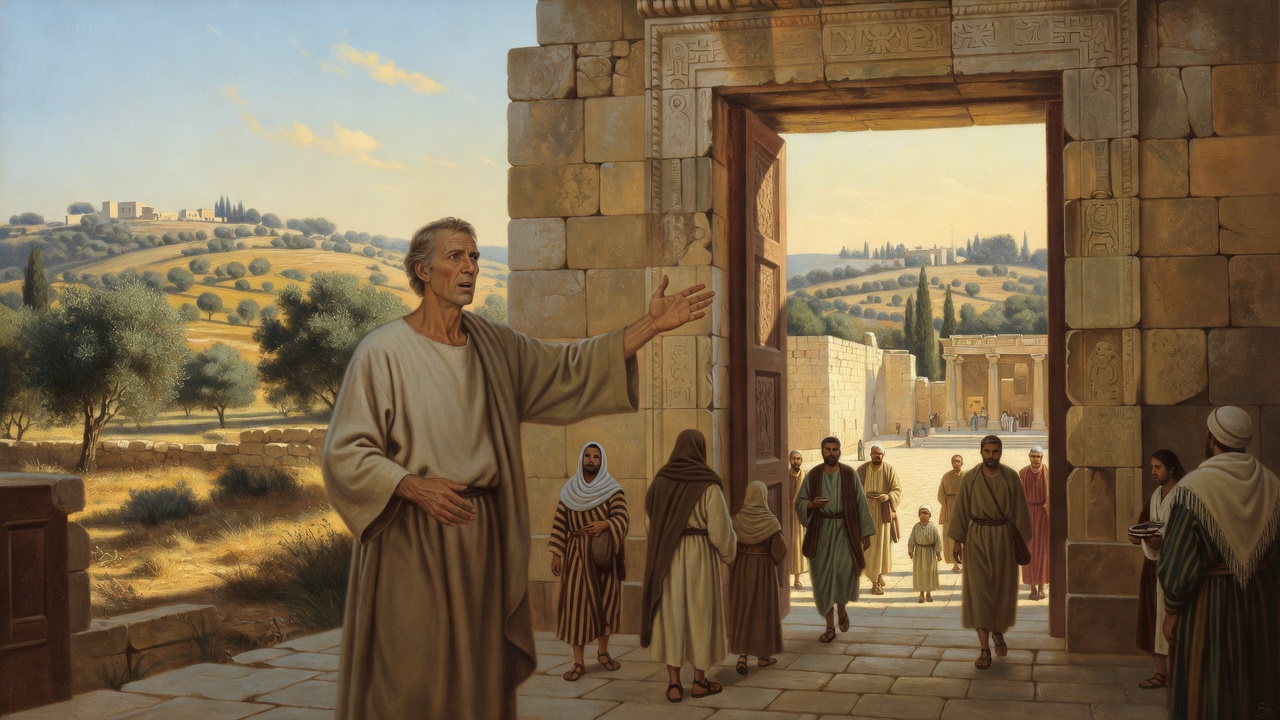
1Yinni Gusunɔ u Yeremi sɔ̃ɔwɑ u nɛɛ, 2ɑ doo ɑ yɔ̃rɑ nɛn sɑ̃ɑ yerun kɔnnɔwɔ ɑ nɛɛ, yeniwɑ nɛ, Yinni Gusunɔ nɑ geruɑ. Nɑ nɛɛ, be Yudɑbɑ, be, be bɑ rɑ gesi du sɑɑ kɔnnɔ minin di bu kɑ mɑn sɑ̃, bu swɑɑ dɑkio bu nɔ. 3Nɛ, Gusunɔ Isirelibɑn Yinni, nɛ wi nɑ wɔllu kɑ tem mɔ, nɑ geruɑ nɑ nɛɛ, bu ben sɑnu sɑnusu kɑ ben dɑɑ kɔsio. Sɑɑ yerɑ kon de bɑ n wɑ̃ɑ tem mɛ sɔɔ. 4Bu ku ben nɑɑnɛ doke dii teni sɔɔ bɑ n mɔ̀, nɛ, Yinni Gusunɔn sɑ̃ɑ yerɑ mi! 5Bɑ̀ n ben sɑnu sɑnusu kɑ ben dɑɑ kɔsɑ, mɑ bɑ geɑ kuɑnɑmmɛ, 6mɑ bɑ kun sɔbu kɑ gɔminibu kɑ gobekubɑ dɑm dɔremɔ, mɑ bɑ kun mɑɑ tɔnu wi u kun gɑ̃ɑnu kuen yɛm yɑrimɔ, mɑ bɑ kun bũnu sɑ̃ɑmɔ ni nu koo de bu kɑm ko, 7sɑɑ yerɑ kon de bɑ n wɑ̃ɑ tem mɛ sɔɔ mɛ nɑ ben bɑɑbɑbɑ wɛ̃, bɑ n mɔ sere kɑ bɑɑdommɑɔ.
8Adɑmɑ wee gɑri weesugiiyɑ bɑ nɑɑnɛ sɑ̃ɑ yi yi ǹ ɑrufɑɑni gɑɑ mɔ. 9Bɑ rɑ n gbɛnimɔ, bɑ rɑ n tɔmbu goomɔ, bɑ rɑ n sɑkɑrɑru mɔ̀, kpɑ bɑ n nɔɔ mwɛɛ weesuginu mɔ̀, kpɑ bɑ n bũu wi bɑ mɔ̀ Bɑɑli turɑre dɔ̃ɔ dokeɑmmɛ, kpɑ bɑ n mɑɑ bũu sɑ̃ɑru mɔ̀ te bɑ ku rɑ rɑɑ ko. 10Kɔ̃si yiniwɑ bɑ rɑ n mɔ̀, kpɑ bu sere nɑ bu yɔ̃rɑ dii tèn mi bɑ rɑ mɑn sɑ̃ bɑ n mɔ̀, sɑ yɑkiɑrɑ yibɛrɛbɑn nɔmɑn di. 11Bɑ tɑmɑɑ dii tèn mi bɑ rɑ mɑn sɑ̃ tɑ sɑ̃ɑwɑ gbɛnɔbun wɑ̃ɑ yeru? Domi mɛsumɑ nɑ wɑɑmɔ.
12Ǹ n mɛn nɑ, bu doo Siloɔ bu yɑm mi nɑ rɑɑ gɔsɑ bu kɑ mɑn sɑ̃ mɛɛri. Kpɑ bu wɑ nge mɛ nɑ mu kuɑ nɛn tɔmbu Isirelibɑn dɑɑ kɔ̃sɑn sɔ̃. 13Tɛ̃, yèn sɔ̃ bɑ kookoo sinin bweseru kuɑ, mɑ nɑ bu gerusi kpeetim sɑri ɑdɑmɑ bɑ ǹ mɑn swɑɑ dɑki, nɑ bu sokɑ mɑ bɑ ǹ mɑn wurɑri, 14yen sɔ̃nɑ kon nɛn sɑ̃ɑ yee tè sɔɔ bɑ ben nɑɑnɛ doke kɑ tem mɛ nɑ be kɑ ben bɑɑbɑbɑ wɛ̃ kɑm koosiɑ nge mɛ nɑ Silo kuɑ. 15Kon bu girɑ bu tondɑ nɛn wuswɑɑn di nge mɛ nɑ ben mɛro bisibu Isirelibɑ girɑ.
Gusunɔ u Yeremin
kɑnɑru yinɑ Yudɑbɑn sɔ̃
16Wunɛ Yeremi, ɑ ku mɑn suuru kɑnɑ Yudɑbɑn sɔ̃. A ku bu kɑnɑru gɑru kuɑ. Domi nɑ ǹ nun swɑɑ dɑkimɔ. 17A ǹ wɑɑmɔwɑ ye bɑ mɔ̀ Yudɑbɑn wuu mɑrosɔ kɑ sere Yerusɑlɛmun swɛɛ sɔɔ? 18Bibu bɑ dɑ̃ɑ gurɑmɔ bũu yɑ̃kunun sɔ̃. Mɑ ben bɑɑbɑbɑ bɑ kɑ ye dɔ̃ɔ sɔ̃rumɔ bũu sɑ̃ɑ yenɔ. Tɔn kurɔbɑ pɛ̃ɛ som burimɔ bu kɑ kirɑnu ko ni bɑ koo kɑ bũu wi bɑ mɔ̀ Asitɑɑte kɑ sere mɑɑ bũnu gɑnu sɑ̃, kpɑ bu kɑ mɑn torɑri. 19Adɑmɑ kɑ gem, n ǹ nɛ bɑ torɑrimɔ, beyɑ bɑ tii sekuru dokemɔ.
20Yen sɔ̃nɑ nɑ nɛɛ, kon de nɛn mɔru yu wɔri nɛn sɑ̃ɑ yee te sɔɔ, kɑ tɔmbu sɔɔ, kɑ yɑɑ sɑbenu sɔɔ, kɑ dɑ̃ɑɔ kɑ sere mɑɑ dĩɑnu sɔɔ. Nɛn mɔru ye, yɑ ko n gbisimɔwɑ, yɑ ǹ suremɔ.
Yudɑbɑn mɛm nɔɔbu sɑriru
21Wee ye nɛ, Gusunɔ Isirelibɑn Yinni, nɛ wi nɑ wɔllu kɑ tem mɔ nɑ geruɑ nɑ nɛɛ, i rɑ yɑ̃kunu ko ńn sukum i rɑ di, kɑ yɑ̃ku dɔ̃ɔ mwɑɑrɑruginu, ɑdɑmɑ n burɑm bo i ni kpuro mɛnnɑ i bɛɛyɑm di. 22Domi nɑ ǹ bɛɛn bɑɑbɑbɑ yɑ̃kuru gɑru yiire dɔmɑ te nɑ bu yɑrɑ sɑɑ Egibitin di. 23Ye nɑ bu yiire yerɑ, bu nɛn gɑri nɔɔwɔ, kpɑ nɑ n sɑ̃ɑ ben Yinni, kpɑ be, bɑ n mɑɑ sɑ̃ɑ nɛn tɔmbu. Bu nɛn woodɑ kpuro swĩiyɔ ye nɑ bu wɛ̃, kpɑ ben wɑ̃ɑru tu wɛ̃rɑ. 24Adɑmɑ bɑ ǹ swɑɑ tem kpĩ bu nɛn gɑri nɔ. Ben tiin gɔ̃ru kĩrɑ bɑ swĩi, mɑ ben dɑɑ kɔ̃sɑ yɑ sosi. 25Sɑɑ dɔmɑ tèn di bɛɛn bɑɑbɑbɑ bɑ yɑrɑ Egibitin di sere n kɑ gisɔ girɑri, nɑ rɑ n bɛɛ nɛn sɔmɔbu gɔriɑmmɛwɑ sɑɑ bɑɑyere. 26Adɑmɑ i swɑɑ tɑɑyɑ i ǹ mɑn swɑɑ dɑki. Mɑ i kɔ̃sɑ kuɑ n kere ye bɛɛn bɑɑbɑbɑ bɑ kuɑ.
27Wunɛ Yeremi, ɑ̀ n yenibɑ kpuro geruɑ, bɑ ǹ nun swɑɑ dɑkimɔ. À n mɑɑ bu sokɑ, bɑ ǹ nun wurɑrimɔ. 28Kɑ mɛ, ɑ bu sɔ̃ɔwɔ ɑ nɛɛ, bɑ sɑ̃ɑwɑ bwese te tɑ ku rɑ Gusunɔ ten Yinnin gɑri nɔ. Torɑ tee teyɑ bɑ rɑ n mɔ̀ bɑɑ ù n bu sɛɛyɑsiɑ. Gem ku rɑ n mɑɑ wɑ̃ɑ ben nɔsɔ.
Durum ye Yudɑbɑ bɑ kuɑ
Bɛni Hinɔmun wɔwɑɔ
29Yinni Gusunɔ u nɛɛ,
Yudɑbɑ bu ben seri buro bu kɔ̃
yi yi sɔ̃ɔsimɔ mɑ bɑ sɑ̃ɑ nɛgibu.
Bu yɔɔwo guuru wɔllɔ,
kpɑ bu gɔɔ swĩ.
Wee bɑ nɛn mɔru seeyɑ,
mɑ nɑ bu biru kisi.
30Domi be, Yudɑbɑ bɑ kɔ̃sɑ kuɑ nɛn nɔni sɔɔ. Bɑ kɑ bũnu duɑ diru mi bɑ rɑ mɑn sɑ̃, bɑ tu disi doke. 31Mɑ bɑ bũu turɑnu bɑnɑ Tofɛtiɔ, Bɛni Hinɔmun wɔwɑɔ bu kɑ ben bibu yɑ̃ku dɔ̃ɔ mwɑɑrɑruginu ko mi, yɑ̃ku nìn bweseru nɑ ǹ mɑm gɔ̃ru doke n bu sɔ̃ bu ko.
32Yen sɔ̃nɑ tɔ̃nu gɑnu sisi nì sɔɔ bɑ ǹ mɑɑ wɔwɑ ye sokumɔ Tofɛti ǹ kun mɛ Bɛni Hinɔmu. Bɑ koo ye sokuwɑ tɔn goo yeru. Miyɑ bɑ koo tɔmbu sike yèn sɔ̃ ɑyeru mɑɑ sɑri gɑm. 33Gunɔsu kɑ yɛɛ yi koo tɔn gonu di. Goo sɑri wi u koo yi yinɑri. 34Kon de Yerusɑlɛmu kɑ Yudɑbɑn wusu su mɑri sɔ̃ɔ sɔ̃ɔ, bɑ ǹ mɑɑ nuku dobun kuuki mɔ̀ wuu si sɔɔ. Mɛyɑ bɑ ǹ mɑɑ kurɔ kpɑɑrun womusu nɔɔmɔ mi. Domi tem mɛ, mu koo kowɑ bɑnsu.
Did you know?
The Temple Sermon and False Security
- The people of Judah believed the presence of the temple in Jerusalem guaranteed divine protection. Jeremiah countered this assumption by pointing to Shiloh, an earlier sanctuary in the territory of Ephraim that God had abandoned because of the people's wickedness.Sources: the Bible text itself · Shiloh · Ephraim
- The chapter depicts idolatry as a full family endeavor in the streets of Jerusalem, where children gathered wood, fathers kindled fires, and women baked cakes for foreign deities alongside offerings made to Baal.Sources: the Bible text itself · Baal · Jerusalem
- Jeremiah condemned the practice of child sacrifice at Topheth in the Valley of Hinnom, announcing that the site of these rites would be renamed the Valley of Slaughter due to the coming judgment.Sources: the Bible text itself · Topheth · Valley of the Son of Hinnom · Valley of Slaughter
Notes written with AI assistance from open sources (Theographic Bible Metadata, CC BY-SA 4.0; Easton’s Bible Dictionary, public domain) and reviewed before publishing.
Places in this chapter
- Shiloh · Today: Khirbet Seilun · 32.056, 35.290 · verses 12, 14
- Jerusalem · 31.777, 35.234 · verses 17, 29, 34
- Egypt · 30.129, 31.308 · verses 22, 25
- Topheth · Today: in the Hinnom Valley · 31.769, 35.228 · verses 31, 32
- Valley of Hinnom · Today: Hinnom Valley · 31.769, 35.228 · verses 31, 32
Only places identified with high confidence are shown (90% or more according to the scholarly sources compiled by OpenBible). Period map: DARE (Digital Atlas of the Roman Empire), CC BY 4.0; modern map: © OpenStreetMap contributors; places: OpenBible.info (CC BY 4.0).
Credits and license for this translation
Luda yã takada kũ Bisã yão
Portions of the Holy Bible in the Busa language of Nigeria
copyright © 2005 SIM International
Language: Bisã (Busa)
Translation by: SIM
This translation text is made available to you under the
terms of the Creative Commons License: Attribution-Noncommercial-No Derivative Works.
( http://creativecommons.org/licenses/by-nc-nd/3.0/ )
In addition, you have permission to port the text to different file formats, as long as you
do not change any of the text or punctuation of the Bible.
You may share, copy, distribute, transmit, and extract portions
or quotations from this work, provided that you include the above copyright
information:
You must give Attribution to the work.
You do not sell this work for a profit.
You do not make any derivative works that change any of the actual words or punctuation of the Scriptures.
Permissions beyond the scope of this license may be
available if you contact
us with your request.
This translation is made available to you under the terms of the
Creative Commons Attribution-Noncommercial-No Derivatives license 4.0.
You may share and redistribute this Bible translation or extracts from it in any format, provided that:
You include the above copyright and source information.
You do not sell this work for a profit.
You do not change any of the words or punctuation of the Scriptures.
Pictures included with Scriptures and other documents on this site are licensed just for use with those Scriptures and documents.
For other uses, please contact the respective copyright owners.
2014-10-10
Source: http://ebible.org/bqp/ · eBible.org