Jeremiah 49
Luda yã takada kũ Bisã yão · Tap a verse to see its cross-references.
Gɑri yi Yinni Gusunɔ u geruɑ
Amɔnibɑn sɔ̃
1Wee ye Yinni Gusunɔ u geruɑ Amɔnibɑn sɔ̃. U nɛɛ,
mbɑn sɔ̃nɑ bũu wi bɑ mɔ̀ Mɑlikɔmu u Gɑdin tem mwɑ.
Mbɑn sɔ̃nɑ win tɔmbu Amɔnibɑ bɑ Isirelibɑn wusu wɔrɑ.
Isirelibɑ bɑ ǹ bibu mɔwɑ be bɑ koo mu tubi di?
2Yen sɔ̃ tɛ̃, kon de tɑbun wurenu nu nɔɔrɑ ben wuu mɑroɔ ge bɑ mɔ̀ Rɑbɑ.
Rɑbɑ ye, yɑ koo bɑnsu ko,
kpɑ yen bɑru kpɑɑnu nu dɔ̃ɔ mwɑɑkirɑ.
Nge mɛyɑ Isirelibɑ bɑ koo bu girɑ be, be bɑ rɑɑ bu girɑ.
Nɛ, Yinni Gusunɔwɑ nɑ yeni geruɑ.
3Bɛɛ, Hɛsibonigibu, i gɔɔ swĩiyɔ.
Domi bɑ koo Ayi kɑm koosiɑ.
Rɑbɑn bɑru kpɑɑnugibu, i nɔɔgiru suo i somiru kɑnɑ.
I sɑɑki deewo nuku sɑnkirɑnun sɔ̃,
kpɑ i n sirenɛ i n gɔɔ sumɔ.
Domi bɑ koo bɛɛn bũu wi bɑ mɔ̀ Mɑlikɔmu suɑ,
kɑ win yɑ̃ku kowobu kɑ win wirugibu bu kɑ doonɑ.
4Bɛɛ Rɑbɑgibu, bɛɛ be i ku rɑ mɛm nɔ,
wee i tii sue bɛɛn wɔwɑ ye yɑ tem gem mɔn sɔ̃.
Mɑ i bɛɛn dukiɑ nɑɑnɛ sɑ̃ɑ.
Mɑ i mɔ̀, wɑrɑ u koo kpĩ u bɛɛ wɔrimɑ.
5Gusunɔ, wɔllu kɑ tem Yinni u nɛɛ,
wee kon bɛɛ nɔni swɑ̃ɑru suremɑ.
Tɑ koo nɑwɑ sɑɑ bɑɑmɑn di,
kpɑ i yɑrinɑ.
Goo mɑɑ sɑri wi u koo bɛɛ mɛnnɑ.
6Adɑmɑ ɑmɛn biru kon de be bɑ yɑrinɛ mi, bu wurɑmɑ.
Nɛ, Yinni Gusunɔwɑ nɑ yeni geruɑ.
Gɑri yi Yinni Gusunɔ u geruɑ
Edɔmubɑn sɔ̃
7Wee ye Gusunɔ, wɔllu kɑ tem Yinni u geruɑ Edɔmubɑn sɔ̃. U nɛɛ,
bwisi yi kpɑwɑ Temɑniɔ?
Ben bwisigibun bwisi yi kpɑwɑ?
Mɑnɑ yi kpuro yi doonɑ.
8Bɛɛ Dedɑnigibu, i gɔsiro,
i duki yɑkuro i dɑ i kuke kpee bɑɑbɑ sɔɔ.
Domi kon Esɑugibu nɔni swɑ̃ɑru kpɛ̃ɛ
sɑnɑm mɛ kon bu sɛɛyɑsiɑ.
9Be bɑ rɑ resɛm sɔri bɑ̀ n nɑ bɛɛn mi,
bɑ rɑ fiiko deri.
Gbɛnɔbu bɑ̀ n tɔmbu wɔri,
bɑ rɑ suewɑ ye bɑ koo kpĩ.
10Adɑmɑ nɛ, Yinni Gusunɔ,
kon Esɑun bweseru kpuron yɑ̃nu gurɑwɑ.
Kon bu sikiɑmɑ ben kuku yenun di.
Bɑ ǹ kpɛ̃ bu kuke.
Ben bibu kɑ ben dusibu kɑ be bɑ kɑ bu sikerenɛ kpuro bɑ koo gbiwɑ.
Goo kun tiɑrɑmɔ.
11Bɑɑ bɑ̀ n ben bibu deri bɑ kuɑ gobekubɑ,
nɛnɑ kon de bɑ n wɑ̃ɑ,
kpɑ ben gɔminibu bu mɑn nɑɑnɛ ko.
12Nɑ mɑɑ nɛɛ, be nɑ ǹ dɑɑ sɛɛyɑsiɑmɔ, kon bu sɛɛyɑsiɑ. Yerɑ bɛɛ, Edɔmubɑ, i tɑmɑɑ i yɑrɑ min di? Aɑwo, kon bɛɛ sɛɛyɑsiɑwɑ. 13Nɑ bɔ̃rumɔ sere kɑ nɛn wɑ̃ɑru mɑ bɛɛn wuu mɑro Bɔtisirɑ gɑ koo bɑnsu ko kpɑ n sɑ̃ɑ sekuru, kpɑ tɔmbu bɑ n dɑ gu sie bɑ̀ n goo bɔ̃rusimɔ. Mɛyɑ mɑɑ bɛɛn wuu si su tie su koo ko bɑnsu sere kɑ bɑɑdommɑɔ. Nɛ, Yinni Gusunɔwɑ nɑ yeni geruɑ.
14Yinni Gusunɔ u Yeremi lɑbɑɑri yeni sɔ̃ɔwɑ u nɛɛ,
bɑ sɔmɔ goo gɔrɑ bwesenun suunu sɔɔ u nu sɔ̃ u nɛɛ,
nu mɛnnɑmɑ nu Edɔmubɑ wɔri,
nu seewo nu bu tɑbu wɔri.
15Domi nɛ, Yinni Gusunɔ, kon bu ko dɑ̃ɑkobu bwesenu kpuro sɔɔ,
be tɔmbɑ ko n gɛmɑ.
16Ben tii suɑbu kɑ ben nɔnigiru tɑ derɑ bɑ kɔ̃ɔrɑ.
Be bɑ wɑ̃ɑ kpee bɑɑbɑ sɔɔ, kɑ sere gungunun wii kpiinɔ,
bɑɑ bɑ̀ n wɑ̃ɑ yenu kuɑ sere wɔllun sɔɔ sɔɔwɔ, nge gunɔ bɑkeru,
kon bu surɑmɑ min di.
Nɛ, Yinni Gusunɔwɑ nɑ yeni geruɑ.
17Edɔmu yɑ koo kowɑ bɑnsu. Be bɑ sɑrɔ mi, bɑ̀ n ye wɑ, biti yɑ koo bu mwɑ kpɑ bu wiɑ ko ɑsɔrɔ yen sɔ̃. 18Domi yɑ ko n sɑ̃ɑwɑ nge mɛ bɑ Sodomu kɑ Gomɔrɑ kpeerɑsiɑ kɑ yen bɑru kpɑɑnɔ. Goo kun mɑɑ sinɑmɔ mi.
19Ko nɑ n sɑ̃ɑwɑ nge gbee sunɔ
ge gɑ yɑrimɑ Yuudɛnin gbee surorun di gɑ dɔɔ gu nim nɔ.
Kpɑ n tɔmbu kpuro yɑrinɑsiɑ subɑru sɔɔ.
Sɑɑ ye sɔɔrɑ kon Edɔmubɑ sunɔ kpɑo wɛ̃ wi nɛn tii nɑ gɔsɑ.
Nge wɑrɑ u kɑ mɑn nɛ.
Wɑrɑ u koo kpĩ u mɑn woodɑ wɛ̃.
Sinɑ boko wɑrɑ u koo kpĩ u yɔ̃rɑ nɛn wuswɑɑɔ.
20Yen sɔ̃, i swɑɑ dɑkio i nɔ himbɑ ye nɑ kuɑ Edɔmubɑn sɔ̃,
kɑ sere kpunɑɑ ye nɑ yi Temɑnigibun sɔ̃.
Nɑ nɛɛ, kɑm kɑm, kon de bu be kpuro mwɛɛriwɑ nge yɑ̃ɑnu
bu kɑ dɑ tem tukumɔ.
Bɑ koo ben tem kpuro kɑm koosiɑwɑ.
21Kɑm koo bin wurenu sɔɔ, tem mu koo yĩiri.
Tɔmbɑ koo nɔɔgiru suɑ bu somiru kɑnɑ,
kpɑ ben nɔsu su nɔɔrɑ sere nim wɔ̃kuɔ, ge bɑ mɔ̀ Sɔ̃ɔ.
22Wee, yibɛrɛbɑ bɑ koo Botisirɑ wukiri nge mɛ yɑberekunu nu rɑ yɑɑ gonu kunisi. Yen dɔmɑ te, Edɔmun tɑbu durɔ dɑmgibu bɑ ko n kpɑsɑ wɔri mɔ̀wɑ nge tɔn kurɔ wi u yiire u kĩ u mɑ.
Gɑri yi Yinni Gusunɔ u geruɑ
Dɑmɑsin sɔ̃
23Wee ye Yinni Gusunɔ u geruɑ Dɑmɑsin sɔ̃. U nɛɛ,
yen wuu sini, Hɑmɑti kɑ Aɑpɑdi,
sin tɔmbɑ wɑ̃ɑ sekuru sɔɔ.
Bɑ lɑbɑɑri kɔ̃sɑ nuɑ, mɑ bɑ diirimɔ.
Ben lɑɑkɑri yɑ burisinɑ nge nim wɔ̃kun nim,
sere yɑ ǹ kpĩɑ yɑ wurɑmɛ.
24Dɑmɑsigibu bɑ mwiɑ kpɑnɑ bɑ gɔsirɑ bu kɑ duki su,
ɑdɑmɑ bɑ bɛrum soore.
Mɑ nuku sɑnkirɑnu kɑ wuriribu bu nɛni
nge tɔn kurɔ wi u yiire u kĩ u mɑ.
25Wuu gèn sɔ̃ nɑ rɑ n nuku dobu mɔ,
mbɑn sɔ̃nɑ gen tɔmbu bɑ ǹ kpikiru suɑ.
Wuu bɔkɔ ge, ge gɑ yĩsiru yɑrɑ mi,
mbɑn sɔ̃nɑ gen tɔmbu bɑ ǹ gu deri.
26Sɔ̃ɔ teeru bɑ koo gen ɑluwɑɑsibɑ go gen swɛɛ sɔɔ. Bɑ koo mɑɑ gen tɑbu kowobu kpuro kpeerɑsiɑ, kpɑ n de bu gu dɔ̃ɔ mɛni kɑ Bɛni Hɑdɑdin sinɑ kpɑɑru. Nɛ, Gusunɔ, wɔllu kɑ tem Yinniwɑ nɑ yeni geruɑ.
Gɑri yi Yinni Gusunɔ
u geruɑ Kedɑɑgibu
kɑ Hɑsorigibun sɔ̃
28Wee ye Yinni Gusunɔ u geruɑ Kedɑɑgibun sɔ̃ kɑ bwese ni nu wɑ̃ɑ Hɑsoriɔn sɔ̃, ni Bɑbilonin sinɑ boko Nɛbukɑnɛsɑɑ u kɑmiɑ. U nɛɛ,
i seewo i Kedɑɑgibu wɔri.
I be, sɔ̃ɔ yɑri yerugii be kpuro goowo.
29I ben kuu bekunuginu kɑ ben yɑɑ sɑbenu kpuro guro,
kɑ ben bekɑ kɑ ben sɔmunu kɑ ben yooyoosu,
kpɑ i kuuki ko bɑɑmɑ i bu bɛrum tiɑ.
30Bɛɛ Hɑsorigibu i seewo i duki su fuuku,
kpɑ i dɑ i kuke wɔrusu sɔɔ.
Domi Bɑbilonin sinɑ boko Nɛbukɑnɛsɑɑ u kpunɑɑ kuɑ u kɑ bɛɛ wɔri.
Nɛ, Yinni Gusunɔwɑ nɑ yeni geruɑ.
31U mɑɑ nɛɛ,
i doo i bu wɔri be, be bɑ wɑ̃ɑ bɔri yɛndu sɔɔ, bɑ sɔ̃ sɛ̃ɛ ben yɛnusɔ.
Ben wusu su ǹ gɑmbobɑ kɑ kɔkɔrɔbɑ mɔ,
mɑ bɑ kɑ tɔmbu dɛsire.
32Yibɛrɛbɑ bɑ koo ben yooyoosu mwɛɛri
kɑ sere mɑɑ ben yɑɑ sɑbenu yɑ n dɑbi.
Kon bu yɑrinɑsiɑ bɑɑmɑ,
be, be bɑ rɑ ben wii bɑɑnu kɔni beri berikɑ.
Kon de yibɛrɛbɑ bu nɑ bɑɑmɑn di bu bu kɑm koosiɑ.
Nɛ, Yinni Gusunɔwɑ nɑ yeni geruɑ.
33Hɑsorin wuu gɑ koo ko bɑnsu,
kpɑ gɑ n sɑ̃ɑ gbeeku bɔ̃nun wɑ̃ɑ yeru sere kɑ bɑɑdommɑɔ.
Goo kun mɑɑ sinɑmɔ mi.
Gɑri yi Yinni Gusunɔ u geruɑ
Elɑmun sɔ̃
34Wee ye Yinni Gusunɔ u win sɔmɔ Yeremi sɔ̃ɔwɑ Elɑmun sɔ̃. Sɑɑ ye sɔɔ, Sedesiɑsi, Yudɑbɑn sinɑ bokon bɑndun torewɑ mi. 35Gusunɔ, wɔllu kɑ tem Yinni u nɛɛ,
wee, kon Elɑmugibun tɛnnu bɔɔku
ni nu sɑ̃ɑ ben dɑm nuuru.
36Kon bu hɑnduniɑn goonu nnɛ kpuron woo kpɑremɑ, kpɑ n bu yɑrinɑsiɑ bɑɑmɑ. Tem gɑm sɑri mi bɑ ǹ ko n wɑ̃ɑ.
37Kon de Elɑmugibu bu diiri
ben yibɛrɛbɑ kɑ be bɑ kɑsu bu bu gon wuswɑɑɔ.
Nɛn mɔrun sɑɑbu kon bu nɔni swɑ̃ɑ bɑkɑru kpɛ̃ɛ.
Tɑbɑ kon kɑ bu go n kpe,
38kpɑ n ben sinɑmbu kɑ ben wirugibu go
kpɑ n nɛn tiin bɑndu swĩi.
Nɛ, Yinni Gusunɔwɑ nɑ yeni geruɑ.
39Adɑmɑ tɔ̃ru gɑrɑ wee tè sɔɔ kon de
be bɑ rɑɑ yɑrinɑ mi, bu wurɑmɑ.
Did you know?
Judgments on Neighboring Nations
- Jeremiah addresses the Ammonites for occupying territory east of the Jordan River that had been allotted to the tribe of Gad. Their chief city, Rabbah, is warned of destruction and the exile of their deity Milcom and their leaders.Sources: the Bible text itself · Gad · Rabbah
- The prophecy against Edom reflects its rugged, mountainous geography, where inhabitants built strongholds in high rock clefts. It also specifically mentions Teman, a southern district renowned for the reputed wisdom of its people.Sources: the Bible text itself · Edom · Teman
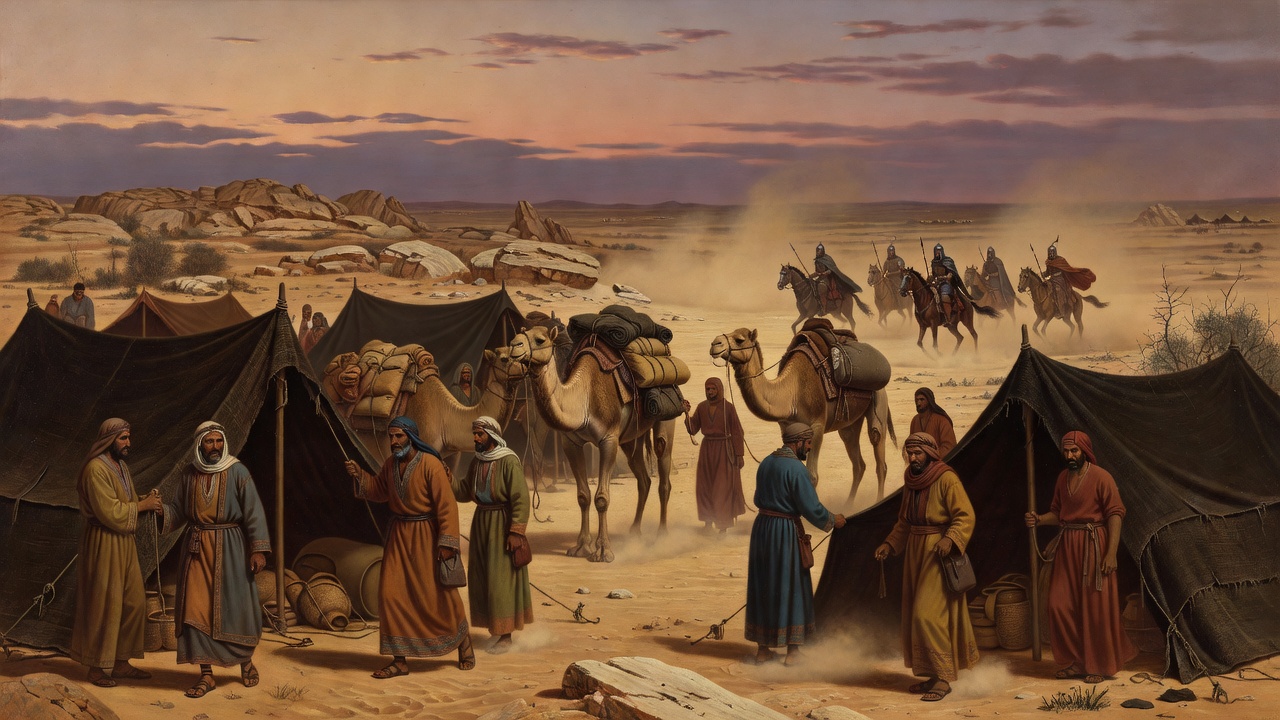
- Kedar refers to nomadic Arabian tribes who lived in tents and moved across the desert with their camels and flocks. The chapter foretells their plunder and defeat by the Babylonian king Nebuchadnezzar.Sources: the Bible text itself · Kedar · Nebuchadnezzar
Notes written with AI assistance from open sources (Theographic Bible Metadata, CC BY-SA 4.0; Easton’s Bible Dictionary, public domain) and reviewed before publishing.
Places in this chapter
- Ammon · 31.955, 35.934 · verses 1, 2, 3, 4, 6
- Rabbah · Today: Amman · 31.955, 35.934 · verses 2, 3
- Edom · 30.746, 35.604 · verses 7, 8, 10, 14, 15, 17, 18, 19, 20, 21, 22
- Jordan · Today: Jordan River · 31.761, 35.558 · verse 19
- Red Sea · Today: Gulf of Aqaba · 28.750, 34.750 · verse 21
- Damascus · 33.511, 36.306 · verses 23, 24, 27
- Hamath · Today: Hama · 35.136, 36.750 · verse 23
- Babylon · 32.543, 44.422 · verses 28, 30, 31
- East · Today: region around Amman · 31.955, 35.934 · verse 28
- Kedar · 29.811, 39.868 · verse 28
- Elam · 32.189, 48.258 · verses 34, 35, 36, 37, 38, 39
Only places identified with high confidence are shown (90% or more according to the scholarly sources compiled by OpenBible). Period map: DARE (Digital Atlas of the Roman Empire), CC BY 4.0; modern map: © OpenStreetMap contributors; places: OpenBible.info (CC BY 4.0).
Credits and license for this translation
Luda yã takada kũ Bisã yão
Portions of the Holy Bible in the Busa language of Nigeria
copyright © 2005 SIM International
Language: Bisã (Busa)
Translation by: SIM
This translation text is made available to you under the
terms of the Creative Commons License: Attribution-Noncommercial-No Derivative Works.
( http://creativecommons.org/licenses/by-nc-nd/3.0/ )
In addition, you have permission to port the text to different file formats, as long as you
do not change any of the text or punctuation of the Bible.
You may share, copy, distribute, transmit, and extract portions
or quotations from this work, provided that you include the above copyright
information:
You must give Attribution to the work.
You do not sell this work for a profit.
You do not make any derivative works that change any of the actual words or punctuation of the Scriptures.
Permissions beyond the scope of this license may be
available if you contact
us with your request.
This translation is made available to you under the terms of the
Creative Commons Attribution-Noncommercial-No Derivatives license 4.0.
You may share and redistribute this Bible translation or extracts from it in any format, provided that:
You include the above copyright and source information.
You do not sell this work for a profit.
You do not change any of the words or punctuation of the Scriptures.
Pictures included with Scriptures and other documents on this site are licensed just for use with those Scriptures and documents.
For other uses, please contact the respective copyright owners.
2014-10-10
Source: http://ebible.org/bqp/ · eBible.org