Judges 2
Luda yã takada kũ Bisã yão · Tap a verse to see its cross-references.
Dikiri Malaika bo à suna Isarailanↄa zaa Bokimu
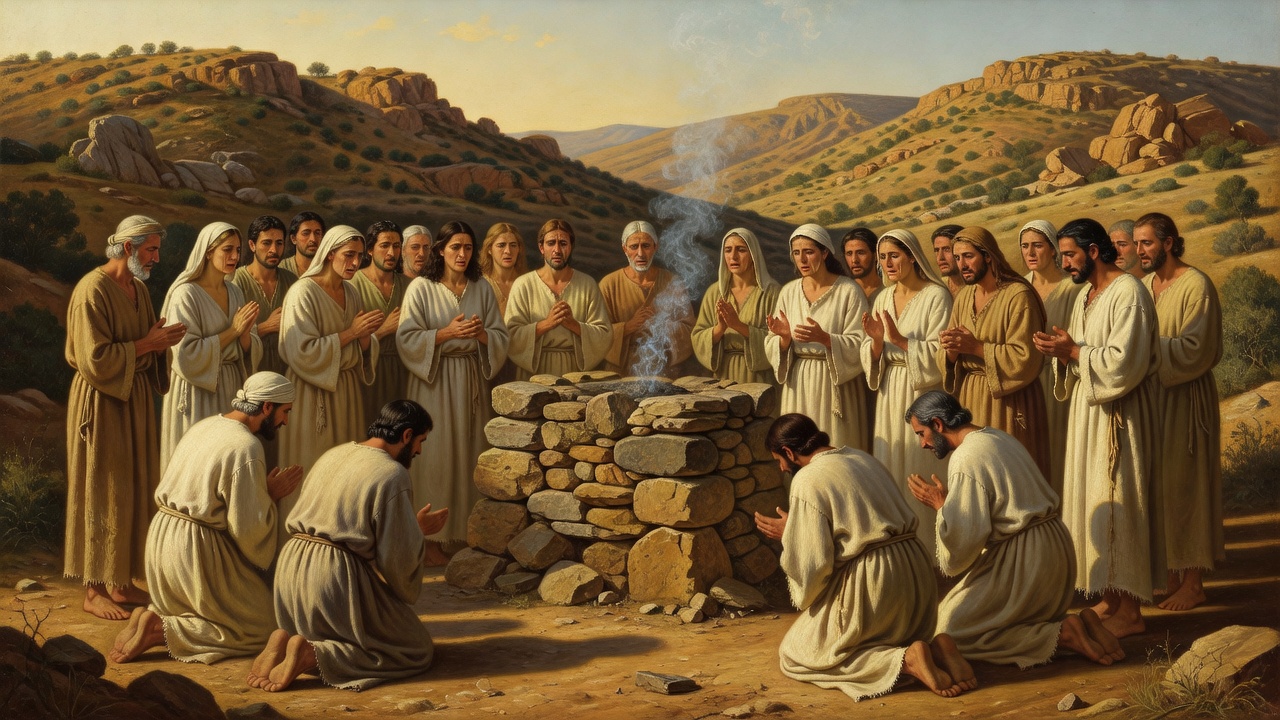
1Dikiri Malaikaa bò Giligala à gɛ̀ɛ Bokimu à pì: Ma á bↄ́tɛ Misila, ma gɛ̃ kãáo bùsu kũ ma la dà á dizinↄnɛ dí gũn. Ma pì mani ma bàka kunna kãáo yã gboro zikiro. 2Ma òárɛ á yã sún kakara kũ bùsu dí denↄoro. Ma òárɛ à ń sa'okinↄ gboro, akũ ádi ma yã maro. À kɛ̀ dera a kɛ̀ lɛɛ? 3Tↄ̀! Matɛn oárɛ, mani pɛ́ḿmaárɛ doro. Onigↄ̃ deárɛ lɛ̀ ũ á gbã̀ntɛrɛɛa akũsↄ̃ ń tãnanↄ nigↄ̃ deárɛ tankutɛ ũ. 4Kũ Dikiri Malaika yã pìi ò Isarailanↄnɛ, ò ↄ́ↄ dↄ̀ gbãnagbãna. 5Akũ ò tↄ́ kpà gu pìinɛ Bokimu, akũ ò sa ò Dikiria gwe.
Isarailanↄ kpɛlina Ludanɛ
6Yↄsua gbɛ̃nↄ gbarɛna gbɛra baadi gɛ̀ɛ à gu kũ ò kpàa túbi ũ kũ̀. 7Ò dò Dikirii Yↄsua gↄrↄa pínki kũ gbɛ̃ zↄ̃kↄ̃ kũ ò kun a gbɛranↄ gↄrↄo dↄ. Gbɛ̃ zↄ̃kↄ̃ↄ pìnↄ wɛ́ sì yã zↄ̃kↄ̃ kũ Dikiri kɛ̀ Isarailanↄnɛlɛ pínki. 8Kũ Dikiri zↄ̀bleri Nuni nɛ́ Yↄsua kɛ̀ wɛ̃̀ basↄↄro akuri, akũ à gà. 9Ò a vĩ̀ gu kũ à de a túbi ũ gũn zaa Timina Ɛrɛsi, Ɛflaimunↄ gukpiden, Gaasi kpi gugbãnduru kpa.
10Kũ Yↄsua gↄrↄ gbɛ̃nↄ gàga ń pínki, nɛ́ kũ ò fùtɛ ń gbɛranↄ Dikiri dↄ̃ro, akũsↄ̃ ò yã kũ à kɛ̀ ń dizinↄnɛ dↄ̃ro. 11Akũ ò yã kũ à vãni Dikirinɛɛ kɛ̀ ò dò tãnanↄi. 12Ò pã kpà Dikiri ń dizinↄ Luda kũ à ń bↄ́tɛ Misilai, ò tɛ̀ buri kũ ò likańyĩnↄ tãnanↄi ò donyĩ kɛ̀ńnɛ, akũ ò Dikiri pↄ fɛ̃̀. 13Ò pã kpài ò dò Baalii kũ Asatorɛo. 14Akũ Dikiri pↄ fɛ̃̀ńyĩ à ń ná ń wɛ́tãmmarinↄnɛ ń ↄĩ ò ń wára. À ń kpá ń ibɛrɛ kũ ò likańyĩnↄa, akũ odi fↄ̃ ò gì kũ ń zĩdao ń ibɛrɛɛ pìnↄ ↄĩro. 15Gↄrↄ kũ ò gɛ̀ɛ zĩ̀ ká pínki, Dikiri dì bo ń kpɛ de yã sún bo kũńwo nnaro yãi, lákũ à dàńnɛ ń sãn nà, akũ ò gↄ̃̀ wɛ́tãmma zↄ̃kↄ̃ↄ gũn.
16Akũ Dikiri yãgↄ̃gↄ̃rinↄ bòbo ń tɛ́ de ò ń sí ń wɛ́tãmmarinↄa. 17Ama òdi ń yãgↄ̃gↄ̃rii pìnↄ yã maro, ò pãpã kɛ̀ ò donyĩ kɛ̀ tãnanↄnɛ. Ò kɛ̃̀ zɛ́ kũ ń dizinↄ sɛ̀ɛa likalika, òdigↄ̃ yã kũ Dikiri dìtɛńnɛnↄ kũna lán ń dizi pìnↄ bàro. 18Tó Dikiri yãgↄ̃gↄ̃rii bò ń tɛ́, àdigↄ̃ kú kũ yãgↄ̃gↄ̃rii pìio, akũ àdigↄ̃ ń sí ń ibɛrɛnↄ ↄĩ ari yãgↄ̃gↄ̃rii pìi wɛ̃̀ndi lɛ́n, zaakũ tó ò ǹ dà gbɛ̃ kũ òtɛn ↄ tↄ̃ḿma òtɛn wari dↄḿmanↄ yãi, Dikiri dì ń wɛ̃nda gwamɛ. 19Tó yãgↄ̃gↄ̃rii gà sↄ̃, òdi ɛra ò yaka de ń denↄla. Òdi do tãnanↄi, òdi ń gbagba, òdi donyĩ kɛńnɛ. Òdi ń yãvãnikɛnaa pìnↄ kũ ń sãgbãnao tóro.
20Akũ Dikiri pↄ fɛ̃̀ńyĩ à pì: Zaakũ buri dí ma bàka kunna kũ ń dizinↄ yã gbòro odi ma yã maro, 21mani pɛ́ńnɛ buri kũ Yↄsua gà à ń tó ń bùsunnↄ kea doro. 22Mani ń suu kɛ Isarailanↄa de mà ń yↄ̃ mà gwa, tó oni ma zɛ́ sɛ́ ògↄ̃ ma yã kũna lákũ ń dizinↄ kũ̀ nà, ke tó oni kɛ lɛro. 23Abire yãin Dikiri buri pìnↄ tò gwe. Adi ń na Yↄsuanɛ a ↄĩ à pɛ̀ḿma gↄ̃̀nↄro.
Did you know?
Israel's Cycle of Disobedience and the Judges
- The name Bochim means "weepers." The site, likely situated between Gilgal and Shiloh, received this name after the Israelites wept aloud when the angel of the Lord rebuked them for making compromises with the inhabitants of the land.Sources: Bochim · the Bible text itself
- Joshua was buried at Timnath-heres, which means "portion of the sun," located north of the hill of Gaash in the hill country of Ephraim. He had led the Israelites following the death of Moses and died at the age of 110.Sources: Timnath-heres · Gaash · Joshua · the Bible text itself
- The term Baalim is the plural form referring to local manifestations of Baal, the principal male deity of the Phoenicians. Judges 2 establishes the book's recurring cycle: Israel abandons the Lord for regional gods, suffers under enemies, and is delivered when God raises up a judge.Sources: Baal · the Bible text itself
Notes written with AI assistance from open sources (Theographic Bible Metadata, CC BY-SA 4.0; Easton’s Bible Dictionary, public domain) and reviewed before publishing.
Places in this chapter
Only places identified with high confidence are shown (90% or more according to the scholarly sources compiled by OpenBible). Period map: DARE (Digital Atlas of the Roman Empire), CC BY 4.0; modern map: © OpenStreetMap contributors; places: OpenBible.info (CC BY 4.0).
Credits and license for this translation
Luda yã takada kũ Bisã yão
Portions of the Holy Bible in the Busa language of Nigeria
copyright © 2005 SIM International
Language: Bisã (Busa)
Translation by: SIM
This translation text is made available to you under the
terms of the Creative Commons License: Attribution-Noncommercial-No Derivative Works.
( http://creativecommons.org/licenses/by-nc-nd/3.0/ )
In addition, you have permission to port the text to different file formats, as long as you
do not change any of the text or punctuation of the Bible.
You may share, copy, distribute, transmit, and extract portions
or quotations from this work, provided that you include the above copyright
information:
You must give Attribution to the work.
You do not sell this work for a profit.
You do not make any derivative works that change any of the actual words or punctuation of the Scriptures.
Permissions beyond the scope of this license may be
available if you contact
us with your request.
This translation is made available to you under the terms of the
Creative Commons Attribution-Noncommercial-No Derivatives license 4.0.
You may share and redistribute this Bible translation or extracts from it in any format, provided that:
You include the above copyright and source information.
You do not sell this work for a profit.
You do not change any of the words or punctuation of the Scriptures.
Pictures included with Scriptures and other documents on this site are licensed just for use with those Scriptures and documents.
For other uses, please contact the respective copyright owners.
2014-10-10
Source: http://ebible.org/bqp/ · eBible.org