Genesis 4
Luda yã takada kũ Bisã yão · Tap a verse to see its cross-references.
Kainu kũ Habilao
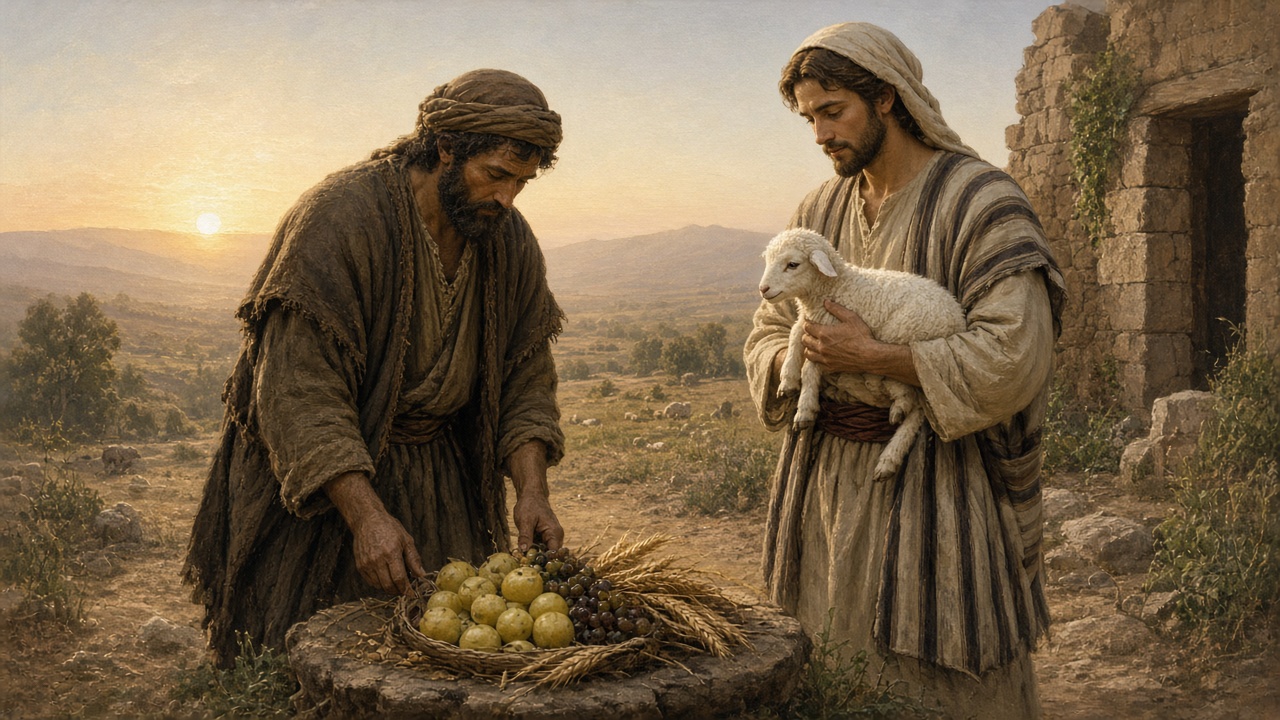
1Adamu a nanↄ Awau dↄ̃̀ nↄgbɛ̃ ũ, akũ à nↄ̀ↄ sì à Kainu ì. Akũ à pì: Ma gↄ̃gbɛ̃ ì kũ Dikiri gbãnao. 2Akũ à a dakũna Habila ì dↄ. Habila kɛ̀ sãdãri ũ, Kainu sↄ̃ à kɛ̀ búbari ũ. 3Zĩkea Kainu sù kũ a burapↄnↄo gba ũ Dikirinɛ. 4Habila sↄ̃ à sù kũ a sãnɛ káaku mɛ̀kpanaao. Habila yã kà Dikirigu, akũ à a gba sì. 5Kainu sↄ̃ a yã dí kɛ Dikirinɛro, akũ adi a gba síro. Akũ Kainu pↄ fɛ̃̀ manamana a ãnn sìsi. 6Akũ Dikiri pì Kainunɛ: Bↄ́yãi n pↄ fɛ̃̀ɛ? À kɛ̀ dera n ãnn yàkaa? 7Tó n yã mana kɛ̀, mani n síroo? Tó ńdi yã mana kɛ sↄ̃ro, durunna natɛnnɛ n kpɛ́lɛlɛa. N ni tɛni a dɛ, séde ǹ zĩ̀ blea.
8Akũ Kainu pì a dakũna Habilanɛ: Ò gɛ́ sɛ̃̀n. Kũ ò kà gwe, akũ à fùtɛ a dakũnai à a dɛ̀. 9Dikiri Kainu là à pì: Mán n dakũna Habila kunn? À wèa à pì: Má dↄ̃ro. Ma dakũna dãkpãriin ma ũ yá? 10Akũ Dikiri pì: Bↄ́n n kɛ̀ɛ? N dakũna aru tɛn lɛ́ zumai zaa zĩtɛ gũn mà zɛ kãao. 11Tera sà ĩnigↄ̃ láari pↄ́ ũmɛ, ĩnigↄ̃ zã̀ kũ zĩtɛ kũ à n dakũna aru mì n ↄĩo. 12Tó n bú bà, zĩtɛ ni kararo. Ĩnigↄ̃ sↄ̃sↄ̃ gu kũ guo ǹgↄ̃ likara andunia gũn. 13Akũ Kainu pì Dikirinɛ: Wari bire gbãna demala, mani fↄ̃ro. 14Ntɛn pɛ́ma zĩtɛ la gbãramɛ sà. Mani kɛ̃kↄ̃a kũnwo sà. Manigↄ̃ sↄ̃sↄ̃ gu kũ guo màgↄ̃ likara andunia gũn, gbɛ̃ kũ à kpàkũn kũmao ni ma dɛ. 15Akũ Dikiri pìnɛ: Lɛnlo! Tó gbɛ̃ n dɛ, oni mↄra káa gɛ̃̀n supplamɛ. Akũ Dikiri wãnzãn ke kɛ̃̀ Kainua, de gbɛ̃ kũ à kpàkũn kãao sún a dɛro yãi. 16Akũ Kainu dà zɛ́n à kɛ̃̀ Dikiria. À gɛ̀ɛ à vùtɛ Nↄdu bùsun Ɛdɛni ifãboki kpa.
17Kainu wùtɛ kũ a nanↄo, akũ à nↄ̀ↄ sì à Ɛnↄku ì. A gbɛra Kainu wɛ̃tɛ kàtɛ, akũ à a nɛ́ pì tↄ́ kpà wɛ̃tɛ pìinɛ. 18Ɛnↄku Irada ì, Irada Mɛuyaɛli ì, Mɛuyaɛli Mɛtusaɛli ì, Mɛtusaɛli Lamɛki ì. 19Lamɛki nↄ sɛ̀ mɛ̀n pla, a do tↄ́n Ada, a do Zila. 20Ada Yabala ì. Àkũmɛ pↄ́dãri kũ òdigↄ̃ kú bizakuta gũnnↄ dizi káaku ũ. 21A dakũna tↄ́n Yubala. Àkũmɛ mↄrↄlɛrinↄ kũ úrapɛrinↄ dizi káaku ũ. 22Zila sↄ̃, akũ mɛ́ à Tubala Kainu ì. Siaamɛ a ũ. Àdi pↄ pínki pi kũ mↄ̀sio kũ mↄ̀gotɛ̃o. A dãre tↄ́n Naama. 23Akũ Lamɛki pì a nↄnↄnɛ:
Ada kũ Zilao, à ma yã ma,
ma nↄnↄ, à sã kpá ma yãi.
Gbɛ̃ke ma kĩnna, akũ ma a dɛ̀,
kɛfɛnna pì ma lɛmɛ, akũ ma a wɛ̃̀ndii bò.
24Tó oni Kainu fĩna bonɛ gɛ̃̀n suppla,
makũ Lamɛki ma pↄ́ sↄ̃,
gɛ̃̀n baaakↄ̃ akuri awɛɛsupplamɛ.
25Adamu wùtɛ kũ a nanↄo dↄ, akũ à nɛ́gↄ̃gbɛ̃ ì. À tↄ́ kpànɛ Sɛti à pì, Luda a gba nɛ́ pãnde Habila kũ Kainu a dɛ̀ gɛ̃nɛ ũmɛ. 26Sɛti sↄ̃ à nɛ́gↄ̃gbɛ̃ ì, akũ à tↄ́ kpànɛ Ɛnↄsu. Zaa zĩ birean ò nà Dikiri sísinaaa.
Did you know?
Cain, Abel, and Life East of Eden
- Abel’s Hebrew name means “breath” or “vanity.” He kept sheep, while his brother Cain tilled the soil: Abel brought the best portions of the firstborn of his flock, and Cain brought fruit of the ground. Easton's Bible Dictionary (1897) reads the phrase “in process of time” (margin, “at the end of days”) as probably referring to the Sabbath.Sources: Abel · Cain · the Bible text itself
- After Abel’s death, Cain settled in the land of Nod, east of Eden, a name meaning exile, wandering, or unrest. There he built a city and named it after his son Enoch. Easton's Bible Dictionary notes that this is the first city mentioned in Scripture.Sources: Nod · Enoch (son of Cain) · the Bible text itself
- Lamech, fifth in descent from Cain, married two women, Adah and Zillah. Easton's Bible Dictionary calls his address to them the only extant example of antediluvian poetry, sometimes known as “Lamech’s sword-song.” Their children are tied to early ways of life: Jabal with tents and livestock, Jubal with the harp and flute, and Tubal-cain with forging bronze and iron.Sources: Lamech (descendant of Cain) · Adah (wife of Lamech) · Zillah · the Bible text itself
Notes written with AI assistance from open sources (Theographic Bible Metadata, CC BY-SA 4.0; Easton’s Bible Dictionary, public domain) and reviewed before publishing.
Credits and license for this translation
Luda yã takada kũ Bisã yão
Portions of the Holy Bible in the Busa language of Nigeria
copyright © 2005 SIM International
Language: Bisã (Busa)
Translation by: SIM
This translation text is made available to you under the
terms of the Creative Commons License: Attribution-Noncommercial-No Derivative Works.
( http://creativecommons.org/licenses/by-nc-nd/3.0/ )
In addition, you have permission to port the text to different file formats, as long as you
do not change any of the text or punctuation of the Bible.
You may share, copy, distribute, transmit, and extract portions
or quotations from this work, provided that you include the above copyright
information:
You must give Attribution to the work.
You do not sell this work for a profit.
You do not make any derivative works that change any of the actual words or punctuation of the Scriptures.
Permissions beyond the scope of this license may be
available if you contact
us with your request.
This translation is made available to you under the terms of the
Creative Commons Attribution-Noncommercial-No Derivatives license 4.0.
You may share and redistribute this Bible translation or extracts from it in any format, provided that:
You include the above copyright and source information.
You do not sell this work for a profit.
You do not change any of the words or punctuation of the Scriptures.
Pictures included with Scriptures and other documents on this site are licensed just for use with those Scriptures and documents.
For other uses, please contact the respective copyright owners.
2014-10-10
Source: http://ebible.org/bqp/ · eBible.org