Genesis 21
Luda yã takada kũ Bisã yão · Tap a verse to see its cross-references.
Isaaku inaa
1Dikiri arubarikaa dà Saragu lákũ à ò nà, à kɛ̀nɛ lákũ à lɛ́ sɛ̀nɛ nà. 2Akũ à nↄ̀ↄ sì à nɛ́ ì kũ Ibrahĩo gↄ̃gbɛ̃ ũ a zĩkũnaa gũn gↄrↄ kũ Luda dìtɛnɛɛa. 3Ibrahĩ tↄ́ kpà nɛ́ pìinɛ Isaaku. 4À tↄ̃̀ↄ zↄ̃̀nɛ a gↄrↄ sↄraakↄ̃de zĩ lákũ Luda dìtɛnɛ nà. 5À kà wɛ̃̀ basↄↄro a nɛ́ pì igↄrↄa. 6Akũ Sara pì: Luda yáadↄyã kɛ̀mɛnɛ, gbɛ̃ kũ à mà pínki ni yáa dↄ kũmao. 7À pì dↄ: Oni we ò pi Ibrahĩnɛ yã mani gↄ̃ nɛ́rande ũ yá? Akũ ma nɛ́gↄ̃gbɛ̃ ì kãao a zĩkũnaa gũn.
8Kũ nɛ́ pì zↄ̃kↄ̃ kũ̀ à kɛ̃̀ yↄ̃a, akũ Ibrahĩ a kɛ̃na yↄ̃a pↄnna kɛ̀. 9Sara è nɛ́ kũ Misila nↄgbɛ̃ Hazara ì kũ Ibrahĩo dìgↄ̃ Isaaku yáa dↄmɛ, 10akũ à pì Ibrahĩnɛ: Ǹ pɛ́ zↄ̀ↄ pìia kũ a nɛ́o, zaakũ zↄ̀ nɛ́ pì ni túbi ble kũ ma nɛ́ Isaakuoro. 11Yã pìi Ibrahĩ pↄ yàka manamana, zaakũ a nɛ́mɛ, 12akũ Luda pìnɛ: Ǹsun tó n pↄ yaka n nɛ́ kũ n zↄ̀nↄgbɛ̃ pìio yã musuro. Yã kũ Sara tɛn onnɛ pínki ǹ ma, zaakũ Isaaku burinↄn onigↄ̃ pińnɛ n burinↄ ũ. 13Mani tó zↄ̀ nɛ́ pìi buri kɛ se, zaakũ n nɛ́mɛ. 14Akũ Ibrahĩ fùtɛ kↄnkↄkↄnkↄ, à pↄ́ble sɛ̀ kũ í tùruuo à kpà Hazaraa. À dìnɛ, akũ à a nɛ́ kpàa dↄ. À a gbàrɛ, akũ à gɛ̀ɛ àtɛn likara zↄ̃ Bɛsɛba gbárannan. 15Kũ í làkaḿma, à kɛfɛnna pìi tò lí gbáru, 16akũ à gɛ̀ɛ à vùtɛ arɛ kàzulɛtɛki zã̀ lɛ́n, zaakũ à pì á ye à a nɛ́ gana ero. Kũ à gɛ̀ɛ à vùtɛ zã̀ lɛ, akũ à nà ↄ́ↄdↄnaaa.
17Luda kɛfɛnna pì ↄ́ↄ dↄ mà, akũ Luda Malaika lɛ́ zù Hazarai zaa musu à pì: Bↄ́ mɛ́ à n lee Hazara? Ǹsun vĩna kɛro, zaakũ Luda nɛ́ pì ↄ́ↄ dↄ mà gu kũ à kunwa. 18Ǹ futɛ ǹ n nɛ́ pì sɛ́ ǹ a kũ a ↄa, zaakũ mani tó à gↄ̃ buri zↄ̃kↄ̃ ũ. 19Luda nↄgbɛ̃ pì wɛ́ kɛ̃̀nɛ, akũ à lↄ̀gↄↄ è. À gɛ̀ɛ à í tↄ̀ a tùru pa, akũ à sù à kpà a nɛ́ pìia à mì.
20Luda kú kũ nɛ́ pìio ari à zↄ̃kↄ̃ kũ̀. Àdigↄ̃ kú gbárannan, akũ à gↄ̃̀ tofekari ũ. 21Gↄrↄ kũ à kú Parani gbáranna pìi gũnn a da Misila bùsu nↄ sɛ̀nɛ.
Ibrahĩ kũ Abimɛlɛkio lɛ́dokↄ̃nↄkɛnaa
22Gↄrↄ birea Abimɛlɛki kũ a zĩ̀karinↄ gbɛ̃ zↄ̃kↄ̃ Fikↄluo gɛ̀ɛ Ibrahĩ kĩnaa ò pìnɛ: Luda kú kũnwo yã kũ ntɛn kɛ gũn pínki. 23Ǹ la damɛnɛ la gↄ̃̀nↄ ǹ sì kũ Ludao kũ ĩni bo ma kpɛro ke ma nɛ́nↄ ke ma burinↄ. Lákũ ma gbɛ̃kɛ kɛ̀nnɛ nà, ǹ kɛmɛnɛ lɛ kũ bùsu kũ ń kú a gũn gbɛ̃ zĩ̀tↄ ũo. 24Akũ Ibrahĩ pìnɛ: Ma la dànnɛ. 25Akũ Ibrahĩ lↄ̀gↄ kũ Abimɛlɛki gbɛ̃nↄ sìa yã sɛ̀tɛ à ònɛ. 26Abimɛlɛki pì: Má gbɛ̃ kũ ò yã bire kɛ̀nↄ dↄ̃ro, ńdi omɛnɛ yãro, gbãran ma mà. 27Akũ Ibrahĩ sãnↄ kũ zùnↄ kũ̀ à kpà Abimɛlɛkia, akũ ò lɛ́dokↄ̃nↄ kɛ̀ kũ kↄ̃o. 28Akũ Ibrahĩ sãnunu mɛ̀n supplanↄ bò à kàtɛ ńdona. 29Abimɛlɛki a là à pì: Sã mɛ̀n suppla kũ n ń kátɛ ńdona pìnↄ yã de deramɛɛ? 30Akũ à wèa à pì: Ǹ sã mɛ̀n suppla pìnↄ sí sèeda ũ kũ makũ mɛ́ ma lↄ̀gↄↄ pìi yↄ̃̀. 31A yã mɛ́ à tò ò tↄ́ kpà gu pìinɛ Bɛsɛba, zaakũ gwen ò la dànkↄ̃nɛ. 32Lɛn ò lɛ́dokↄ̃nↄ kɛ̀ Bɛsɛba lɛ, akũ Abimɛlɛki kũ a zĩ̀karinↄ gbɛ̃ zↄ̃kↄ̃ Fikↄluo ɛ̀ra ò tà Filisitini bùsun. 33Ibrahĩ sãma lí tↄ̃̀ Bɛsɛba, akũ à Dikiri Luda Gↄrↄsĩndapinkide sìsi gwe. 34Akũ à gↄrↄ pla kɛ̀ Filisitini bùsuu pìi gũn.
Did you know?
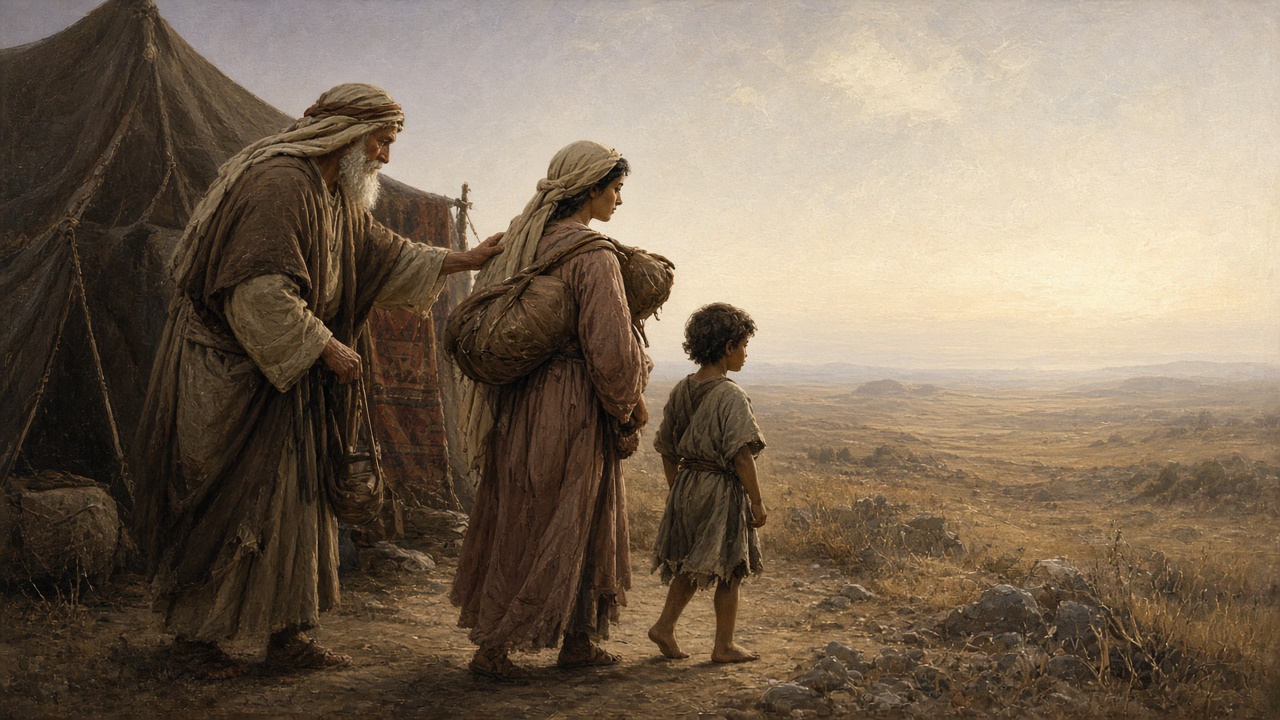
Isaac’s birth, Hagar’s departure, and Beersheba
- Abraham was a hundred years old when Sarah bore him Isaac, their only son together, and he circumcised the child at eight days old, as God had commanded. Sarah said that God had made her laugh, and that everyone who heard of this would laugh with her. Easton's Bible Dictionary (1897) notes that a great feast was held when Isaac was weaned, probably when he was about two years old.Sources: the Bible text itself · Isaac
- Hagar, whose name is explained as “flight” or, according to others, “stranger,” was an Egyptian and Sarah’s handmaid, whom Sarah gave to Abraham as a secondary wife. After Isaac’s birth, Abraham sent Hagar and their son Ishmael into the Wilderness of Beersheba with bread and a skin of water. Ishmael later settled in the Wilderness of Paran, a desert tract in the northeastern Sinai Peninsula between the Arabah on the east and the wilderness of Shur on the west, became a great archer, and his mother got him a wife from Egypt.Sources: the Bible text itself · Hagar · Paran
- Beersheba, “well of the oath” or “well of seven,” was named when Abraham and Abimelech swore an oath there over a well that Abraham said he had dug; he set apart seven ewe lambs as a witness, and the two made a covenant. Phicol, chief captain of the army of Abimelech, the Philistine king of Gerar, entered that alliance with Abraham. Abraham then planted a tamarisk at Beersheba and lived for a long time in the land of the Philistines.Sources: the Bible text itself · Beersheba · Phichol
Notes written with AI assistance from open sources (Theographic Bible Metadata, CC BY-SA 4.0; Easton’s Bible Dictionary, public domain) and reviewed before publishing.
Places in this chapter
Only places identified with high confidence are shown (90% or more according to the scholarly sources compiled by OpenBible). Period map: DARE (Digital Atlas of the Roman Empire), CC BY 4.0; modern map: © OpenStreetMap contributors; places: OpenBible.info (CC BY 4.0).
Credits and license for this translation
Luda yã takada kũ Bisã yão
Portions of the Holy Bible in the Busa language of Nigeria
copyright © 2005 SIM International
Language: Bisã (Busa)
Translation by: SIM
This translation text is made available to you under the
terms of the Creative Commons License: Attribution-Noncommercial-No Derivative Works.
( http://creativecommons.org/licenses/by-nc-nd/3.0/ )
In addition, you have permission to port the text to different file formats, as long as you
do not change any of the text or punctuation of the Bible.
You may share, copy, distribute, transmit, and extract portions
or quotations from this work, provided that you include the above copyright
information:
You must give Attribution to the work.
You do not sell this work for a profit.
You do not make any derivative works that change any of the actual words or punctuation of the Scriptures.
Permissions beyond the scope of this license may be
available if you contact
us with your request.
This translation is made available to you under the terms of the
Creative Commons Attribution-Noncommercial-No Derivatives license 4.0.
You may share and redistribute this Bible translation or extracts from it in any format, provided that:
You include the above copyright and source information.
You do not sell this work for a profit.
You do not change any of the words or punctuation of the Scriptures.
Pictures included with Scriptures and other documents on this site are licensed just for use with those Scriptures and documents.
For other uses, please contact the respective copyright owners.
2014-10-10
Source: http://ebible.org/bqp/ · eBible.org