Genesis 2
Luda yã takada kũ Bisã yão · Tap a verse to see its cross-references.
1Lɛn Luda musu kũ zĩtɛo kɛ̀ lɛ kũ a pↄ́nↄ pínki. 2Ari a gↄrↄ supplade zĩ gↄ̃ ká, à zĩ kũ àtɛn kɛ pìi làka. A gↄrↄ supplade pì zĩ à kámma bò kũ zĩ kũ a kɛ̀nↄ pínki. 3Akũ à arubarikaa dà gↄrↄ supplade pìn à dìtɛ a pↄ́ ũ, kũ gↄrↄ bire à kámma bò kũ zĩ kũ a kɛ̀nↄ pínki yãi.
Ɛdɛni swadakoo
4Musu kũ zĩtɛo naana yãn dí. Gↄrↄ kũ Dikiri Luda zĩtɛ kũ musuoo kɛ̀, 5pↄ́wɛ ke dí butɛ zĩtɛ kↄ̀ro, bee sɛ̃̀ɛ, zaakũ Dikiri Luda dí tó legũ màro, akũsↄ̃ gbɛ̃ke kun à bura zĩ kɛro. 6Suka mɛ́ àdi kpá andunia gũn, akũ àdi mↄtↄ pisi zĩtɛa pínki.
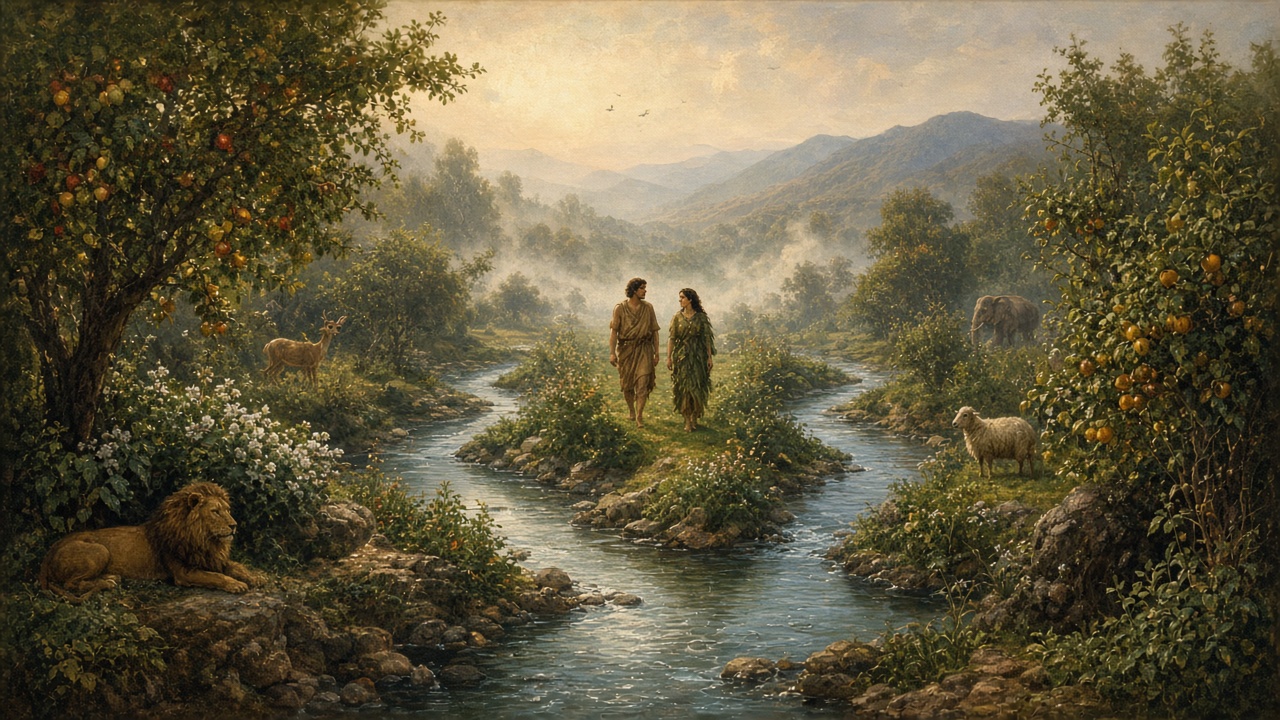
7Dikiri Luda gↄ̃gbɛ̃ í kàsa kũ bùsutitio, akũ à ĩa wɛ̃̀ndide vù a yĩn, akũ gↄ̃gbɛ̃ pìi gↄ̃̀ gbɛ̃ bɛ̃nɛ ũ. 8Dikiri Luda swadakoo kɛ̀kɛ ifãboki kpa gu kũ òdi pi Ɛdɛni, akũ à gↄ̃gbɛ̃ kũ à kɛ̀ɛ pìi dà gwe. 9Dikiri Luda tò lí buri sĩnda pínki bùtɛ zĩtɛ. Lí pìnↄ kɛ̀ mana, akũsↄ̃ ń nɛ́ blena nna. Lí wɛ̃̀ndide kú dàkoo pìi dagura. Lí kũ àdi dↄ̃na mana kũ a vãnio ińnɛ kú gwe dↄ.
10Swa kú Ɛdɛni àdigↄ̃ mↄtↄ pisi dàkoo pìia. Bona gwe à ↄnɛ kɛ̀ siikↄ̃. 11A káaku tↄ́n Pisↄ̃, àkũ mɛ́ à lika Avila bùsuui pínki. Wura kú bùsuu pìi gũn, 12wuraa pì mana. Gbɛ̀ bɛ̀ɛrɛdenↄn kú gwe dↄ. 13Swa pì ↄnɛ plade tↄ́n Giↄ̃, à lika Kusu bùsuui pínki. 14A ↄnɛ aakↄ̃de tↄ́n Tigiri, a dↄ̀rↄↄ tà Asiria bùsu ifãboki kpa. Swa pì ↄnɛ siikↄ̃de tↄ́n Yuflati.
15Dikiri Luda gↄ̃gbɛ̃ pìi dìtɛ Ɛdɛni dàkoo pìi gũn de àgↄ̃ a zĩ kɛ àgↄ̃ gwa. 16Akũ à yã dìtɛnɛ à pì: Ĩni fↄ̃ ǹ dàkoo pì lí nɛ́nↄ ble pínki, 17ama ǹsun lí kũ àdi dↄ̃na mana kũ a vãnio ińnɛ nɛ́ blero. Tó n blè, ĩni gamɛ.
18Dikiri Luda pì: Gↄ̃gbɛ̃ kunna ado manaro. Mani kpanyĩri kɛnɛ a gbɛ̃ndo ũ. 19Akũ Dikiri Luda bùsuu sɛ̀ à nↄ̀bↄnↄ kɛ̀o pínki kũ bãnↄ pínki, akũ à sù kũńwo gↄ̃gbɛ̃ pì kĩnaa de à e deran ani tↄ́ kpáńnɛ nà. Tↄ́ kũ gↄ̃gbɛ̃ pìi kpà pↄ́ wɛ̃̀ndide pìnↄnɛ pínki gↄ̃̀ ń tↄ́ ũ. 20Gↄ̃gbɛ̃ pì tↄ́ kpà bɛ pↄ́kãdenↄnɛ pínki kũ bãnↄ kũ nↄ̀bↄsɛ̃ntɛnↄ pínki, ama adi kpanyĩri e ń tɛ́ a gbɛ̃ndo ũro. 21Akũ Dikiri Luda i zↄ̃kↄ̃ↄ dà gↄ̃gbɛ̃ pìla. Kũ àtɛn i o, akũ à a gbã̀ntɛrɛwa mɛ̀n do bò, akũ à a mɛ̀baasi tàta a gbɛ̀n. 22Akũ à gↄ̃gbɛ̃ gbã̀ntɛrɛwa kũ à bòo pìi lìtɛ nↄgbɛ̃ ũ, akũ à gɛ̀ɛ kãao a kĩnaa. 23Akũ gↄ̃gbɛ̃ pìi pì:
Adikĩna wá bò ma wá gũmmɛ,
a mɛ̀ sↄ̃ à bò ma mɛ̀ɛ gũmmɛ.
Oni a sísi nↄgbɛ̃,
kũ Luda a bò gↄ̃gbɛ̃ gũn yãi.
24A yã mɛ́ à tò gↄ̃gbɛ̃ dì bo a de kũ a dao bɛa, àdi nakↄ̃a kũ a nanↄo ò gↄ̃ mɛ̀ do ũ. 25Gↄ̃gbɛ̃ kũ a nanↄo kú pótompo ń pla ń pínki, wé'i sↄ̃ àdi ń kũro.
Did you know?
Adam, Eden, and the Four Rivers
- Adam, meaning “red,” is a Babylonian word and the ordinary name for a human being, with the same sense in Hebrew and in Assyrian. It was given to the first man. He was formed from the dust of the ground—hence the name—and God breathed into his nostrils the breath of life.Sources: Adam · the Bible text itself
- A river flowed out of Eden and divided into four headwaters: the Pishon, the Gihon, the Hiddekel, and the Euphrates. Some identify the Pishon with the Phasis or the Halys, others with the Indus, the Ganges, or still other rivers; the Gihon has been identified with the Nile, and others regard it as the Oxus, the Araxes, or the Ganges. The Hiddekel is the Tigris, called by the Accadians the river of Idikla; Gesenius understood the name as “the rapid Tigris.”Sources: the Bible text itself · Pison · Gihon · Hiddekel
- The site of Eden, the garden in which the first parents lived, has been discussed more than almost any other geographical question. It has been placed in Armenia, in the region west of the Caspian Sea, in Media, near Damascus, in Palestine, in southern Arabia, and in Babylonia. Easton's Bible Dictionary (1897) seeks it along the Tigris and the Euphrates of western Asia, in the land of Shinar, or Babylonia.Sources: Eden
Notes written with AI assistance from open sources (Theographic Bible Metadata, CC BY-SA 4.0; Easton’s Bible Dictionary, public domain) and reviewed before publishing.
Places in this chapter
- Assyria · 36.359, 43.153 · verse 14
- Euphrates · Today: Euphrates River · 31.004, 47.442 · verse 14
- Tigris · Today: Tigris River · 31.004, 47.442 · verse 14
Only places identified with high confidence are shown (90% or more according to the scholarly sources compiled by OpenBible). Period map: DARE (Digital Atlas of the Roman Empire), CC BY 4.0; modern map: © OpenStreetMap contributors; places: OpenBible.info (CC BY 4.0).
Credits and license for this translation
Luda yã takada kũ Bisã yão
Portions of the Holy Bible in the Busa language of Nigeria
copyright © 2005 SIM International
Language: Bisã (Busa)
Translation by: SIM
This translation text is made available to you under the
terms of the Creative Commons License: Attribution-Noncommercial-No Derivative Works.
( http://creativecommons.org/licenses/by-nc-nd/3.0/ )
In addition, you have permission to port the text to different file formats, as long as you
do not change any of the text or punctuation of the Bible.
You may share, copy, distribute, transmit, and extract portions
or quotations from this work, provided that you include the above copyright
information:
You must give Attribution to the work.
You do not sell this work for a profit.
You do not make any derivative works that change any of the actual words or punctuation of the Scriptures.
Permissions beyond the scope of this license may be
available if you contact
us with your request.
This translation is made available to you under the terms of the
Creative Commons Attribution-Noncommercial-No Derivatives license 4.0.
You may share and redistribute this Bible translation or extracts from it in any format, provided that:
You include the above copyright and source information.
You do not sell this work for a profit.
You do not change any of the words or punctuation of the Scriptures.
Pictures included with Scriptures and other documents on this site are licensed just for use with those Scriptures and documents.
For other uses, please contact the respective copyright owners.
2014-10-10
Source: http://ebible.org/bqp/ · eBible.org