Daniel 5
Luda yã takada kũ Bisã yão · Tap a verse to see its cross-references.
Bɛɛsɑsɑɑ u tɔmbu dim sokɑ
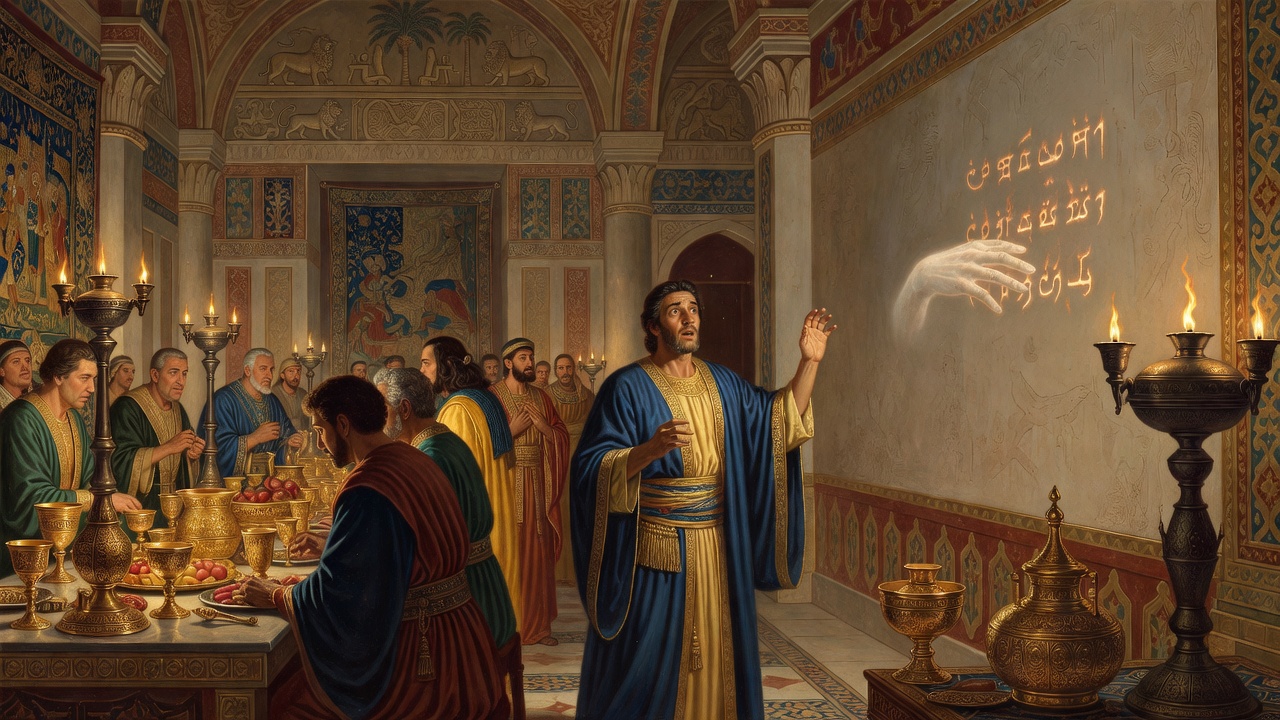
1Nɛbukɑnɛsɑɑn biru, sinɑ boko Bɛɛsɑsɑɑ u bɑndu di. Yerɑ sɔ̃ɔ teeru u win sinɑ ɑsɑkpɔbu nɔrɔbu (1.000) dim sokɑ. Mɑ bɑ tɑm nɔrumɔ wi kɑ be sɑnnu. 2Ye tɑm mɛ, mu Bɛɛsɑsɑɑ nukɑ, yerɑ u gɔrɑ u nɛɛ, bu win nɔri wurɑgii kɑ sii geesugii yɑrɑmɑ yi win bɑɑbɑ Nɛbukɑnɛsɑɑ u gurɑmɑ sɑɑ Gusunɔn sɑ̃ɑ yerun di te tɑ wɑ̃ɑ Yerusɑlɛmuɔ. Kpɑ wi kɑ win sinɑ ɑsɑkpɔbu kɑ win kurɔbu kɑ win sinɑnibu bu kɑ yi tɑm nɔ. 3Yerɑ bɑ kɑ nɔri wurɑgii yi nɑ, bɑ kɑ yi tɑm nɔrumɔ wi kɑ win tɔn be kpuro. 4Tɑm nɔru bi sɔɔ, bɑ ben bũnu siɑrɑmɔ nìn bwɑ̃ɑrokunu bɑ kuɑ kɑ wurɑ kɑ sii geesu kɑ sii gɑndu kɑ sii wɔ̃kusu kɑ dɑ̃ɑ kɑ kpenu.
5Sɑɑ ye sɔɔrɑ sinɑ boko u nɔmu gɑgu wɑ gɑ yɑrimɑ mi fitilɑn yɑm bururɑm mu sɔ̃ɔsire, mɑ gɑ yorumɔ sinɑ kpɑɑrun gɑnɑ wɔllɔ mi bɑ soo kpikɑ tɛɛni. 6Yerɑ u nɑndɑ, win wuswɑɑ burisinɑ. Win tororɑ kɑrɑ, u diirimɔ sere win dũu winu soonɑmɔ. 7Yerɑ u nɔɔgiru suɑ kɑ dɑm u nɛɛ, bu nùn sɔrobu kɑ Bɑbilonin bwisigibu kɑ bũu sinɑmbu sokuɑmɑ. Ye bɑ nɑ, yerɑ u nɛɛ, wi u kpĩɑ u yorɑ yeni gɑrɑ u ye tubusiɑ u koo yɛ̃ro wurɑn sɑbɑ dokeɑ kpɑ u nùn gurumusuru sebusiɑ u nùn win bɑndun dɑm sukum wɛ̃ u n kɑ sɑ̃ɑ tɔnu itɑse win bɑndu sɔɔ.
8Sinɑ bokon bwisigii be kpuro bɑ duɑ mi yorɑ ye, yɑ wɑ̃ɑ. Adɑmɑ bɑ kpɑnɑ bu ye gɑri bu sere mɑm nɛɛ, bɑ koo ye tubusiɑ. 9Mɑ yɑ sinɑ boko nɑndɑ too sere win wuswɑɑ burisinɑ. Mɑ win sinɑ ɑsɑkpɔbun tii bɑ biti soorɑ.
Dɑniɛli u yorɑ ye gɑrɑ
u tubusiɑ
10Sinɑ bokon mɛro u sunɔ kɑ win sinɑ ɑsɑkpɔbun gɑri yi nuɑ. Yerɑ u duɑ mi bɑ mɛnnɛ bɑ tɔ̃ɔ bɑkɑru dimɔ. U nɛɛ, sinɑ boko, wunɛn hunde yu dɑkɑɑ dɑ! A ku nɑndɑ sere wunɛn wuswɑɑ yɑ n burisinɛ. 11Domi goo u wɑ̃ɑ wunɛn tem mɛ sɔɔ, wi u bũu geebun hunde mɔ. U bwisi kɑ lɑɑkɑri mɔ nge bũnu. Yen sɔ̃nɑ wunɛn bɑɑbɑ Nɛbukɑnɛsɑɑn wɑɑti sɔɔ, u nùn kuɑ sɔrobu kɑ dobo dobogibu kɑ Bɑbilonin bwisigibun wirugii. 12Durɔ win yĩsirɑ Dɑniɛli. Wiyɑ sinɑ boko Nɛbukɑnɛsɑɑ u yĩsiru kɑ̃ Bɛlitɑsɑɑ. Bɑ wɑ mɑ u bwisi kɑ yɛ̃ɛ bɑkɑru mɔ, mɑ u sukɑ kɑ dosusu kɑ gɑ̃ɑ ni nu sɛ̃n tubusiɑnun kɛ̃ru mɔ. Ǹ n mɛn nɑ, ɑ nùn sokusio, u koo nun yorɑ ye tubusiɑ.
13Yerɑ bɑ kɑ Dɑniɛli dɑ sinɑ bokon wuswɑɑɔ. Mɑ sinɑ boko u nùn bikiɑ u nɛɛ, wunɑ Dɑniɛli wi? A sɑ̃ɑwɑ Yuu ben turo be nɛn bɑɑbɑ sinɑ boko u mwɛɛrimɑ Yudɑn tem di? 14Bɑ mɑn wunɛn gɑri sɔ̃ɔwɑ mɑ bũu geebɑ kɑ nun wɑ̃ɑ. Yen biru, ɑ bwisi kɑ lɑɑkɑri geɑ mɔ ɑ kɑ tɔnu gɑ̃ɑ sɛ̃sɔginu tubusiɑ. 15Wee bɑ kɑ mɑn bwisigibu kɑ sɔrobu nɑɑwɑ bu kɑ mɑn yorɑ yeni gɑriɑ kpɑ bu mɑn yen tubusiɑnu sɔ̃. Adɑmɑ bɑ kpɑnɑ. 16Nɑ mɑɑ nuɑ mɑ ɑ rɑ tɔmbu gɑ̃ɑnu tubusie ni nu bu bitɑni mɔ̀ kpɑ ɑ dosu tubusiɑ. Tɛ̃, ɑ̀ n kpĩɑ ɑ yorɑ yeni gɑrɑ mɑ ɑ mɑn yen tubusiɑnu sɔ̃ɔwɑ, kon nun gurumusuru sebusiɑ kpɑ n nun wurɑn sɑbɑ dokeɑ n nun nɛn bɑndun dɑm sukum wɛ̃. Kpɑ ɑ ko tɔnu itɑse nɛn bɑndu sɔɔ.
17Yerɑ Dɑniɛli u nùn wisɑ u nɛɛ, yinni, ɑ wunɛn kɛ̃ɛ ni tii yiiyo, ǹ kun mɛ ɑ goo wɛ̃. Adɑmɑ kon nun yorɑ ye gɑriɑ kpɑ n nun yen gɑri tubusiɑ. 18Ǹ n mɛn nɑ, yinni, ɑ swɑɑ dɑkio ɑ nɔ. Wɔrukoo u wunɛn tundo Nɛbukɑnɛsɑɑ bɑndu wɛ̃ kɑ bɛɛrɛ kɑ girimɑ kɑ yiiko. 19Dɑm mɛ u nùn wɛ̃n sɔ̃, bwesenu kpuro nu nùn nɑsie sere nu rɑ n diirimɔ win wuswɑɑɔ. Ye u kĩ, yerɑ u rɑ kɑ tɔnu ko. U koo kpĩ u nùn go, ǹ kun mɛ u nùn deri, ǹ kun mɛ u nùn wɔlle suɑ, ǹ kun mɛ u nùn tɑɑre. 20Adɑmɑ sɑɑ ye sɔɔ, u tii suɑ u gɔ̃ru bɔbiɑ, yerɑ Gusunɔ u nùn yɑrɑ bɑndun di mɑ u ginɑ nùn yiiko ye mwɑɑri. 21U nùn wunɑ tɔmbun suunu sɔɔn di. Mɑ win bwisikunu gɔsiɑ nge gbeeku yɑɑginu. U dɑ u wɑ̃ɑ kɑ kɛtɛ gbeekinu sɑnnu mɑ u yɑkɑsu dimɔ nge nɑɑ u dirum soore sere u kɑ wurɑ mɑ Wɔrukoowɑ u bɑnnu kpuro nɛni. Wi u kĩwɑ u rɑ mɑɑ nu wɛ̃. 22Wee, wunɛ mɑɑ Bɛɛsɑsɑɑ, wunɛ wi ɑ sɑ̃ɑ win bii, bɑɑ mɛ ɑ ye kpuro yɛ̃, ɑ yinɑ ɑ tii kɑwɑ. 23Mɑ ɑ tii sue Yinni Wɔrukoon wuswɑɑɔ. A derɑ bɑ kɑ win sɑ̃ɑ yerun nɔri nɑ i kɑ tɑm nɔrɑ wunɛ kɑ wunɛn sinɑ ɑsɑkpɔbu kɑ wunɛn kurɔbu kɑ wunɛn sinɑnibu. Mɑ ɑ seewɑ ɑ wunɛn bũnu siɑrɑmɔ nìn bwɑ̃ɑrokunu bɑ kuɑ kɑ sii geesu kɑ wurɑ kɑ sii gɑndu kɑ sii wɔ̃kusu kɑ dɑ̃ɑ kɑ kpenu, bɑɑ mɛ nu ǹ gɑri nɔɔmɔ, nu ǹ yɑm wɑɑmɔ, nu ǹ mɑɑ gɑ̃ɑnu yɛ̃. Adɑmɑ Gusunɔ wi u wunɛn wɑ̃ɑru nɛni, ɑ ǹ nùn bɛɛrɛ wɛ̃. 24Yen sɔ̃nɑ u nɔmu ge gɔrimɑ ge gɑ yorɑ ye kuɑ. 25Ye bɑ yoruɑ mi wee, bɑ gɑrɑ, bɑ gɑrɑ, bɑ yĩirɑ, bɑ bɔnu kuɑ. 26Yen tubusiɑnu wee. Bɑ gɑrɑ, yɑ gerumɔwɑ Gusunɔ u wunɛn bɑndun sɑnɑm gɑrɑ mɑ u tu nɔru koosiɑ. 27Bɑ yĩirɑ, yɑ gerumɔwɑ bɑ wunɛn bunum yĩirɑ bɑ deemɑ ɑ ǹ bunu. 28Bɑ bɔnu kuɑ, yɑ mɑɑ gerumɔwɑ bɑ wunɛn bɑndu bɔnu kuɑ. Mɑ bɑ tu Mɛdibɑ kɑ Pɛɛsibɑ wɛ̃.
29Yɑnde mi kɔ, Bɛɛsɑsɑɑ u nɛɛ, bu Dɑniɛli gurumusuru sebusio kpɑ bu nùn wurɑn sɑbɑ dokeɑ kpɑ bu kpɑrɑ mɑ u kuɑ tɔnu itɑse win bɑndu sɔɔ.
30Dɔmɑ ten wɔ̃kurɑ bɑ Bɛɛsɑsɑɑ Bɑbilonin sinɑ boko wi go.
Did you know?
The Writing on the Wall and the Fall of Babylon
- Although the text repeatedly calls Nebuchadnezzar Belshazzar's father, in ancient Semitic usage the term could denote a predecessor or grandfather. Historical records note that Belshazzar was the son of King Nabonidus and a grandson of Nebuchadnezzar through his mother Nitocris.Sources: Belshazzar · the Bible text itself
- Belshazzar offered to elevate whoever could interpret the mysterious inscription to the third highest ruler in the kingdom. Because Belshazzar was coregent under his father Nabonidus, the third position was the highest royal office available for him to bestow.Sources: Belshazzar · the Bible text itself
- The desecration of the sacred gold and silver vessels brought from the temple in Jerusalem provoked the divine omen on the palace plaster. Daniel interpreted the inscription as a declaration that the Babylonian kingdom had been weighed, found deficient, and handed over to the Medes and Persians.Sources: Belshazzar · the Bible text itself
Notes written with AI assistance from open sources (Theographic Bible Metadata, CC BY-SA 4.0; Easton’s Bible Dictionary, public domain) and reviewed before publishing.
Places in this chapter
- Jerusalem · 31.777, 35.234 · verses 2, 3
- Babylon · 32.543, 44.422 · verses 7, 11
- Chaldea · 30.962, 46.104 · verses 7, 11
Only places identified with high confidence are shown (90% or more according to the scholarly sources compiled by OpenBible). Period map: DARE (Digital Atlas of the Roman Empire), CC BY 4.0; modern map: © OpenStreetMap contributors; places: OpenBible.info (CC BY 4.0).
Credits and license for this translation
Luda yã takada kũ Bisã yão
Portions of the Holy Bible in the Busa language of Nigeria
copyright © 2005 SIM International
Language: Bisã (Busa)
Translation by: SIM
This translation text is made available to you under the
terms of the Creative Commons License: Attribution-Noncommercial-No Derivative Works.
( http://creativecommons.org/licenses/by-nc-nd/3.0/ )
In addition, you have permission to port the text to different file formats, as long as you
do not change any of the text or punctuation of the Bible.
You may share, copy, distribute, transmit, and extract portions
or quotations from this work, provided that you include the above copyright
information:
You must give Attribution to the work.
You do not sell this work for a profit.
You do not make any derivative works that change any of the actual words or punctuation of the Scriptures.
Permissions beyond the scope of this license may be
available if you contact
us with your request.
This translation is made available to you under the terms of the
Creative Commons Attribution-Noncommercial-No Derivatives license 4.0.
You may share and redistribute this Bible translation or extracts from it in any format, provided that:
You include the above copyright and source information.
You do not sell this work for a profit.
You do not change any of the words or punctuation of the Scriptures.
Pictures included with Scriptures and other documents on this site are licensed just for use with those Scriptures and documents.
For other uses, please contact the respective copyright owners.
2014-10-10
Source: http://ebible.org/bqp/ · eBible.org