Daniel 10
Luda yã takada kũ Bisã yão · Tap a verse to see its cross-references.
Dɑniɛli u tɔnu wɑ
Tigirin dɑɑrɔ kɑ̃siru sɔɔ
1Sirusi, Pɛɛsin sinɑ bokon bɑndun wɔ̃ɔ itɑse sɔɔ, Yinni Gusunɔ u kɑ Dɑniɛli gɑri kuɑ wi, wi bɑ mɑɑ mɔ̀ Bɛlitɑsɑɑ. Gɑri yi, yi sɑ̃ɑwɑ gem. Yi kɑ nɔni swɑ̃ɑ bɑkɑru yɑ̃ te tɑ koo nɑ. Mɑ gɑri yi, yi nùn yeeri. Sɑɑ ye sɔɔrɑ u kɑ̃si te tubɑ.
2N deemɑ u wɑ̃ɑ nuku sɑnkirɑru sɔɔ ɑlusumɑ itɑ. 3Alusumɑ itɑ ye sɔɔ, u ǹ dĩɑ geenu gɑnu diire. U ǹ yɑɑ tende. Tɑm kun mɑɑ win nɔɔ duure. Mɛyɑ u ǹ mɑɑ tii gum sɑwɑre. 4Wɔ̃ɔn suru gbiikoon sɔ̃ɔ yɛndɑ nnɛse sɔɔ, u wɑ̃ɑ u yɔ̃ dɑɑ te bɑ mɔ̀ Tigirin bɔkuɔ. 5Yerɑ u nɔni suɑ u durɔ goo wɑ u yɑ̃nu doke ni bɑ kuɑ kɑ wɛ̃ɛ dɑmgii mɑ u kpɑkɑ sɛ̃ke ye bɑ kuɑ kɑ wurɑ ye yɑ wee Ufɑsin di. 6Win wɑsi yi bɑllimɔ nge kpee ni nu wuru beku nɔni mɔ, mɑ win wuswɑɑ yɑ bɑllimɔ nge guru mɑɑkinu. Mɑ win nɔni yi bɑllimɔ nge dɔ̃ɔ yɑri, mɑ win gɑ̃senu kɑ win nɑɑsu sɑ̃ɑ nge sii gɑn te bɑ wɔriɑsiɑ. Mɑ win nɔɔ gɑ nɔɔrɑ nge tɔn dɑbinun nɔɔ. 7Dɑniɛli turowɑ u kɑ̃si te wɑ. Tɔn be bɑ kɑ nùn wɑ̃ɑ mi, bɑ ǹ tu wɑ. Adɑmɑ bɑ nɑndɑ bɑ duki suɑ bu kɑ kuke. 8Wi turowɑ u yɔ̃rɑ mɑ u kɑ̃si te wɑ. Win wuswɑɑ yɑ burisinɑ. Mɑ win gɔmɑ dwiiyɑ u dɑm biɑ. 9U durɔ win nɔɔ nuɑ mɑ u nɑndɑ u wiru tem girɑri. 10Yerɑ nɔmu gɑgɑ nùn bɑbɑ mɑ u diirɑ u dũu winu kɑ nɔm tɑrɑnu soonɑmɔ. 11Mɑ u nɛɛ, kĩnɑsi Dɑniɛli, ɑ de gɑri yi, yi kon nun sɔ̃, yi nun yeeri, kpɑ ɑ se ɑ yɔ̃rɑ mi ɑ wɑ̃ɑ mi. Domi bɑ mɑn gɔrimɑwɑ wunɛn mi. Ye u nùn gɑri yi sɔ̃ɔwɑ u kpɑ, yerɑ Dɑniɛli u seewɑ u yɔ̃rɑ mɑ u diirɑ. 12Durɔ wi, u geruɑ u nɛɛ, Dɑniɛli, ɑ ku bɛrum ko. Domi sɑɑ dɔmɑ tèn di gɑri yi, yi nun yeeri, mɑ ɑ tii kɑwɑ Gusunɔ wunɛn Yinnin wuswɑɑɔ, sɑɑ dɔmɑ ten diyɑ Gusunɔ u wunɛn kɑnɑru nuɑ. Yen sɔ̃nɑ nɑ nɑ. 13Pɛɛsibɑn sinɑ boko u mɑn seesi sɔ̃ɔ yɛndɑ tiɑ mɑ nɑ sinɑ win bɔkuɔ. Adɑmɑ wee Misɛli wɔllun tɑbu kowobun sunɔ turo u nɑ u mɑn somi. 14Tɛ̃, nɑ nɑwɑ n kɑ nun tubusiɑ ye n koo wunɛn tɔmbu deemɑ siɑ. Domi siɑn gɑriyɑ kɑ̃si te, tɑ kɑ yɑ̃.
15Sɑɑ ye u nùn gɑri yi sɔ̃ɔmɔ, yerɑ wi, Dɑniɛli u tukɑ mɑ u mɑri. 16Yerɑ u gɑ̃ɑnu wɑ nu kɑ tɔnu weenɛ mɑ nu nɑ nu win nɔɔ bɑbɑ. Mɑ u nɔɔ wukiɑ u nɛɛ, nɛn Yinni, nɛn wuswɑɑ yɑ burisinɑ, nɑ ǹ mɑɑ dɑm gɑm mɔ kɑ̃si te nɑ wɑn sɔ̃. 17Nɛ wi nɑ sɑ̃ɑ wunɛn sɔm kowo, ɑmɔnɑ kon kɑ kpĩ n kɑ nun gɑri ko. Domi nɑ ǹ dɑm gɑm mɔ. 18Wi u kɑ tɔnu weenɛ mi, u mɑɑ nùn bɑbɑ u dɑm kɑ̃. 19Yerɑ u nùn sɔ̃ɔwɑ u nɛɛ, ɑ ku bɛrum ko durɔ kĩnɑsi, ɑlɑfiɑ yɑ n kɑ nun wɑ̃ɑ. A tii dɑm kɛ̃ɛyɔ. Ye u kɑ nùn gɑri mɔ̀, yerɑ u dɑm wɑ u nɛɛ, Yinni, ɑ de ɑ kɑ mɑn gɑri ko. Domi ɑ mɑn dɑm kɑ̃. 20Durɔ wi, u nùn bikiɑ u nɛɛ, ɑ yɛ̃ yèn sɔ̃ nɑ nɑ wunɛn mi? Tɛ̃, kon dɑ n Pɛɛsibɑn sinɑ boko tɑbu wɔri. Nɑ̀ n doonɑ, Gɛrɛkibɑn sinɑ boko u koo nɑ. 21Adɑmɑ kon nun sɔ̃ ye yɑ yoruɑ gem tireru sɔɔ. Goo kun mɑn somimɔ tɔn ben sɔ̃, mɑ n kun mɔ Misɛli bɛɛ Isirelibɑn kɔ̃so,
Did you know?
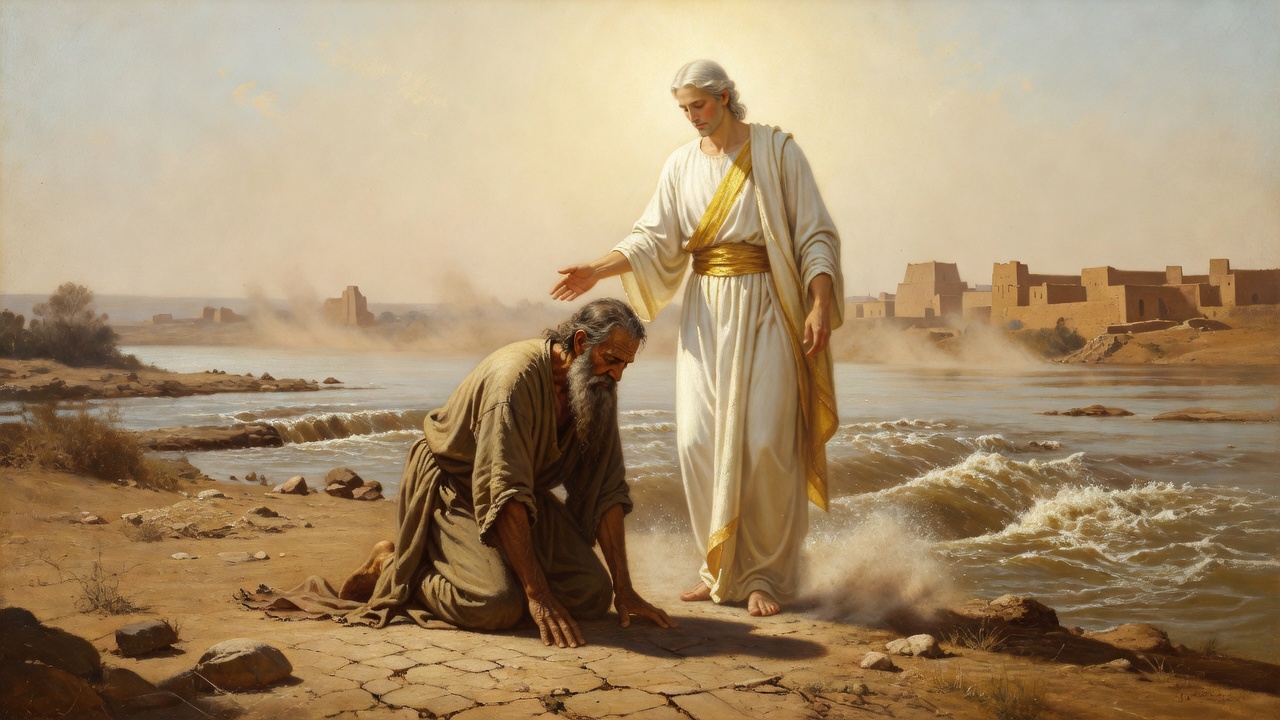
A Vision by the Tigris
- The vision takes place in the third year of Cyrus, the Persian ruler who conquered Babylon and issued the decree allowing the Jewish exiles to return. Daniel receives the revelation beside the Tigris River, anciently known in Hebrew as Hiddekel.Sources: the Bible text itself · Cyrus · Hiddekel
- The heavenly messenger wears a belt of fine gold from Uphaz. Biblical commentators frequently identify Uphaz with Ophir or associate it with regions renowned in the ancient world for gold trade.Sources: the Bible text itself · Uphaz
- The messenger mentions Michael, designating him as one of the chief princes and the protector of Daniel's people. In biblical tradition, Michael is an angelic leader with a special charge over the nation of Israel.Sources: the Bible text itself · Michael
Notes written with AI assistance from open sources (Theographic Bible Metadata, CC BY-SA 4.0; Easton’s Bible Dictionary, public domain) and reviewed before publishing.
Places in this chapter
- Persia · 34.806, 48.516 · verses 1, 13, 20
- Tigris · Today: Tigris River · 31.004, 47.442 · verse 4
- Greece · 37.972, 23.727 · verse 20
Only places identified with high confidence are shown (90% or more according to the scholarly sources compiled by OpenBible). Period map: DARE (Digital Atlas of the Roman Empire), CC BY 4.0; modern map: © OpenStreetMap contributors; places: OpenBible.info (CC BY 4.0).
Credits and license for this translation
Luda yã takada kũ Bisã yão
Portions of the Holy Bible in the Busa language of Nigeria
copyright © 2005 SIM International
Language: Bisã (Busa)
Translation by: SIM
This translation text is made available to you under the
terms of the Creative Commons License: Attribution-Noncommercial-No Derivative Works.
( http://creativecommons.org/licenses/by-nc-nd/3.0/ )
In addition, you have permission to port the text to different file formats, as long as you
do not change any of the text or punctuation of the Bible.
You may share, copy, distribute, transmit, and extract portions
or quotations from this work, provided that you include the above copyright
information:
You must give Attribution to the work.
You do not sell this work for a profit.
You do not make any derivative works that change any of the actual words or punctuation of the Scriptures.
Permissions beyond the scope of this license may be
available if you contact
us with your request.
This translation is made available to you under the terms of the
Creative Commons Attribution-Noncommercial-No Derivatives license 4.0.
You may share and redistribute this Bible translation or extracts from it in any format, provided that:
You include the above copyright and source information.
You do not sell this work for a profit.
You do not change any of the words or punctuation of the Scriptures.
Pictures included with Scriptures and other documents on this site are licensed just for use with those Scriptures and documents.
For other uses, please contact the respective copyright owners.
2014-10-10
Source: http://ebible.org/bqp/ · eBible.org