Acts 7
Luda yã takada kũ Bisã yão · Tap a verse to see its cross-references.
Sitivĩ yã'ona gbãnadenↄnɛ
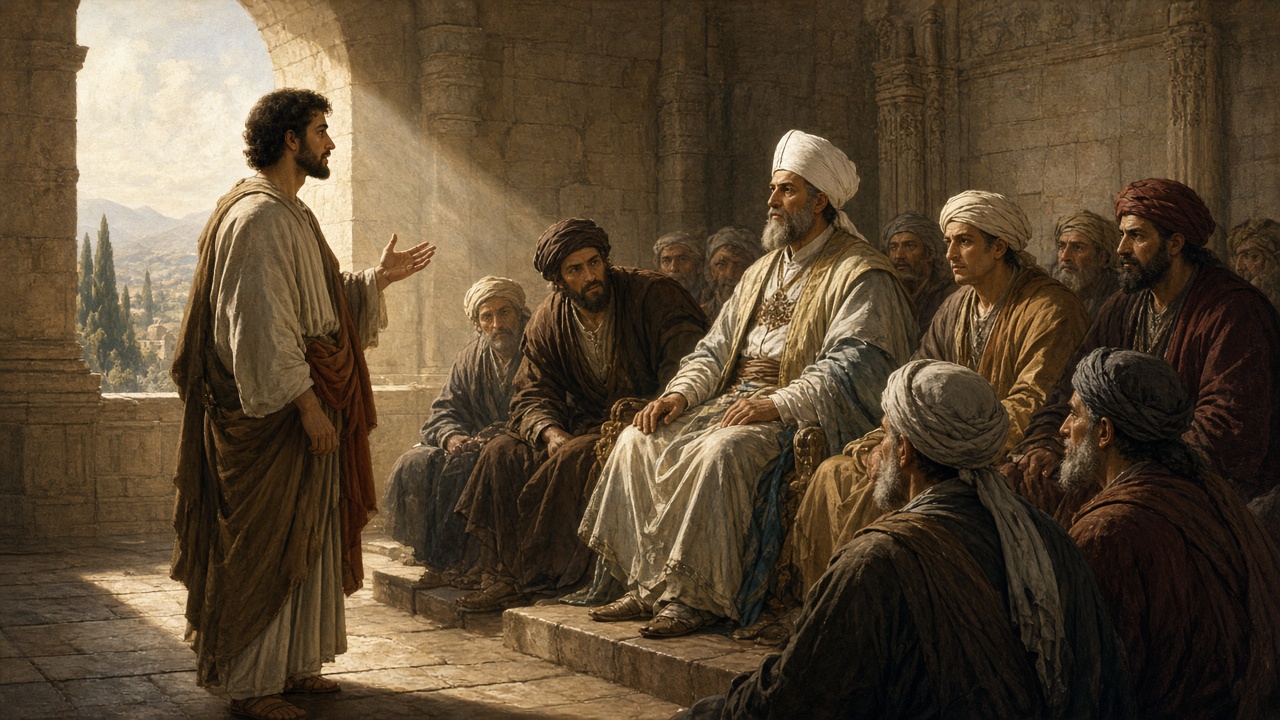
1Akũ sa'oriki Sitivĩ là à pì: N yã pìnↄ ò yãpuran yá? 2Akũ à pì: Ma gbɛ̃nↄ kũ ma denↄ, à ma! Luda Gakuride bò à sù ó dizi káaku Ibrahĩa gↄrↄ kũ à kú Mɛsↄpↄtamia bùsun, zaade à kpɛ́ à gɛ́ vutɛ Arana. 3À pìnɛ: Ǹ bo n bùsun n danɛnↄ tɛ́ ǹ tá bùsu kũ mani mↄnnɛn. 4Akũ à bò Kaladia bùsuu pìi gũn à gɛ̀ɛ à vùtɛ Arana. A de ga gbɛra Luda sù kãao bùsu kũ á kun tera dí pìn. 5Luda dí bùsuu pì zĩtɛ ke kpáa bee gɛ̀sɛ doro, ama à a lɛ́ sɛ̀nɛ à pì ani gↄ̃ a pↄ́ ũ kũ a burinↄ. Gↄrↄ birea sↄ̃ Ibrahĩ nɛ́ vĩro. 6Luda pìnɛ lán dí bà: N burinↄ ni nibↄ ble bùsu pãnden. Gwen oni zↄ̀ blen, oni wɛ́ tãḿma ari wɛ̃̀ wàa pla. 7Luda pì áni wari dↄ buri kũ oni zↄ̀ bleńnɛnↄa, Ibrahĩ buri pìnↄ ni bↄtɛ ò su ò donyĩ kɛarɛ gu dí pìn. 8Akũ Luda tↄ̃̀zↄ̃yã dà Ibrahĩnɛ a bàka kunna kãao sèeda ũ. Kũ à Isaaku ì, à tↄ̃̀ↄ zↄ̃̀nɛ a gↄrↄ sↄraakↄ̃de zĩ. Lɛn Isaaku kɛ̀ Yakubunɛ lɛ dↄ, akũ Yakubu kɛ̀ ó dizi káaku gbɛ̃nↄn kuri awɛɛplanↄnɛ lɛ se dↄ. 9Akũ ó dizi káaku pìnↄ nɛ̀sɛgↄ̃baa kpà kũ ń gbɛ̃ndo Yusufuo, ò a yìa ò tà kãao Misila. Luda kú kãao, 10à a bò a wari sĩnda pínki gũn. Luda Yusufu pìi gbà ↄ̃ndↄ̃ à tò à nna kũ Misila kína Firi'aunao, akũ à a dìtɛ Misila bùsu gbɛ̃ zↄ̃kↄ̃ ũ kũ a bɛ ↄnnwo. 11Akũ nàa kà Misila kũ Kanaanↄ bùsuuo pínki. Wari kɛ̀ zↄ̃kↄ̃, ó dizi pìnↄ dí pↄ́ke le ò blèro. 12Kũ Yakubu mà pↄ́blewɛ kú Misila, à ó dizi pìnↄ zĩ̀ gwe. Ń gɛna káakuden gwe. 13A gɛ̃̀n pladen Yusufu a zĩda mↄ̀ a vĩ̀ninↄnɛ, akũ Firi'auna Yusufu danɛnↄ dↄ̃̀. 14Akũ Yusufu gbɛ̃ zĩ̀ a de Yakubua à mↄ́ kũ a danɛnↄ ń pínki. Ń pínki gbɛ̃nↄn baaakↄ̃ akuri awɛɛsↄↄromɛ. 15Akũ Yakubu gɛ̀ɛ Misila. Gwen à gàn kũ ó dizi pìnↄ ń pínki. 16Ò sù kũ ń gɛ̀nↄo Sɛkɛmu, akũ ò ń vĩ gbɛ̀wɛɛ kũ Ibrahĩ lù mira ũ gũn Amↄ nɛ́nↄa à fĩnaa bòńnɛ kũ andurufuuo.
17Kũ lɛ́ kũ Luda sɛ̀ Ibrahĩnɛ gↄrↄ ye à ká, ó buri dasi kũ̀ à kàra Misila manamana. 18Akũ kína dufu kũ à Yusufu dↄ̃ro kpata blè Misila. 19À pãsĩ kũ ó burio à wɛ́ tã̀ ó dizinↄa, à tò ò ń nɛ́nↄ kↄ̀tɛ ò gàga. 20Gↄrↄ birean ò Musa ì a àlesi mana. Ò a gwà a de bɛa mↄ aakↄ̃mɛ. 21Kũ ò a zùkũna, akũ Firi'auna nɛ́nↄgbɛ̃ a sɛ̀ a a gwà a zĩda nɛ́ ũ. 22Ò Misilanↄ ↄ̃ndↄ̃ dà Musanɛ pínki, à gↄ̃̀ gbɛ̃ zↄ̃kↄ̃ ũ yã'ona kũ yãkɛnaao gũn.
23Kũ à kà wɛ̃̀ bupla, à dà a nɛ̀sɛɛ gũn à gɛ́ a Isaraila dakenↄ gwa. 24Kũ à è Misila gbɛ̃ tɛn wari dↄ a gbɛ̃ mɛ̀n doa, akũ à yã sì a gbɛ̃nɛ à fĩna bòa à a dɛ̀. 25Kũ Luda ye à a gbɛ̃nↄ sura ba a gãi, àtɛn da ò dↄ̃mɛ, ama ò dↄ̃ro. 26Kũ gu dↄ̀, Isaraila gbɛ̃nↄn planↄ tɛn fìti kɛ, akũ a sù à ń kpaatɛ à kútɛ kɛ̀ńnɛ à pì: Ma gbɛ̃nↄ, à kɛ̀ dera átɛn wari dↄkↄ̃a átɛ̃nɛɛ? 27Akũ gbɛ̃ kũ àtɛn wari dↄ a gbɛ̃ndoa ↄ sↄ̃̀ Musai à pì: Dí mɛ́ à n kɛ kína yãgↄ̃gↄ̃ri ũwɛrɛɛ? 28Ń ye ǹ ma dɛ lákũ n Misila gbɛ̃ dɛ̀ nà gĩan yá? 29Kũ Musa yã pìi mà, à bàa lɛ̀ à tà Midiã bùsun. Gwen à nɛ́gↄ̃gbɛ̃nↄ ìn gbɛ̃nↄn pla.
30Wɛ̃̀ bupla gbɛran malaika bò à sùa gbárannan Sinai kpi sarɛ tariankpã tɛ́ gũn. 31Kũ Musa daboyã bire è, à bò a sarɛ. Kũ à nài à gwa, à Dikiri kòtoo mà à pì: 32Makũmɛ n dizinↄ Ibrahĩ kũ Isaakuo kũ Yakubuo Luda ũ. Vĩna Musa kũ̀ àtɛn lukaluka, adi fↄ̃ à wɛ́ sɛ̀ à gwàro. 33Akũ Dikiri pìnɛ: Ǹ n kyate bobo, zaakũ gu kũ ń zɛn kú adonamɛ. 34Ma wɛ́tãmma kũ òtɛn mↄ ma gbɛ̃ kũ ò kú Misilanↄnɛ è sãnsãn ma ń ndanaa mà, akũ ma su mà ń sura ba. Mani n zĩ Misila sà. 35Musa kũ ò gìnɛ yã ò pì dí mɛ́ à a kɛ̀ kína yãgↄ̃gↄ̃ri ũńnɛ pìin Luda yã ònɛ malaika kũ à bò à sùa tariankpã gũn gãi, à a zĩ̀ kína kũ ani ń gbarɛ ũ. 36Àkũ mɛ́ à bò kũńwo à yãbonsarɛnↄ kũ daboyãnↄ kɛ̀ Misila kũ Isira Tɛ̃rao kũ gbáranna gũnwo wɛ̃̀ bupla. 37Musa pì mɛ́ à pì Isarailanↄnɛ, Luda ni ń gbɛ̃ke sɛ́ annabi ũ lán a bà. 38Musa pì kú kũ gbɛ̃ kũ ò kakarana pìnↄo gbárannan, à kú gwe kũ ó dizinↄ kũ malaika kũ à yã ònɛ Sinai kpi musuo. Àkũ mɛ́ à yã wɛ̃̀ndidenↄ sì à kpáwá.
39Ó dizinↄ dí a yã maro, akũ ò gìi ń laasun ɛ̀ra à tà Misila. 40Ò pì Harunanɛ: Ǹ tãna kenↄ kɛwɛrɛ ò dowɛrɛ arɛ, zaakũ Musa kũ à ó bↄ́tɛ Misila, ó dↄ̃ yã kũ à a lèro. 41Gↄrↄ birean ò tãna pì lán zùsanɛ bↄ̀rↄↄ bà, akũ ò sa òa ò dikpɛ kɛ̀ pↄ́ kũ ò kɛ̀ ń zĩdanɛ pì yã musu. 42Akũ Luda kpɛ lìńnɛ à tò ò donyĩ kɛ̀ ludambɛ pↄ́nↄnɛ lákũ ò kɛ̃̀ annabinↄ takada gũn nà ò pì:
Isarailanↄ, adi kɛ makũ a sa òma gbárannan wɛ̃̀ buplaro.
43Tãna Mↄlɛki bizakutan á sɛna
kũ susunɛ tãna Rɛfã kũ a zɛo takao.
Dikiri kũ a pì a donyĩ kɛ̀ńnɛnↄ yãin
mani tó ò tá kãáo Babilↄnu dire kpa.
44Ó dizinↄ Luda bàka kunna kũńwo kuta vĩ gbárannan. Luda a taka mↄ̀ Musanɛ, akũ ò kɛ̀ lákũ Luda ònɛ nà. 45Kuta pìi gↄ̃̀ Yↄsuanɛ kũ ó dizinↄ, akũ ò sù ò buri kũ Luda pɛ̀ḿmańnɛnↄ bùsuu sìḿma. Kuta pì kú gwe ari Dauda gↄrↄa. 46Dauda pì nna kũ Ludao, akũ à wɛ́ kɛ̀a de à le à kpɛ́ bo Yakubu Ludanɛ. 47Sulemanu mɛ́ à kpɛ́ pìi bònɛ. 48Ama Luda Musude dìgↄ̃ kú kpɛ́ kũ bisãsirinↄ bòo gũnlo, lákũ annabii ò nà:
49Dikiri pì:
Musu bi ma kíblegbaamɛ,
zĩtɛ bi ma tìntimmmɛ.
Kpɛ́ kpate takan áni bomɛnɛɛ?
Mákpan ma kipaki kunn?
50Makũ mɛ́ ma pↄ́ sĩnda pínki kɛ̀roo?
51Ludayãdarisarinↄn á ũ! Á nɛ̀sɛ vĩro! Á sã gbãnamɛ! Adìgↄ̃ gí Luda Ninii adìgↄ̃ kɛ lán á dizinↄ bà. 52Annabi kpaten á dizinↄ gì wɛ́ tãaii? Ò gbɛ̃ kũ ò gĩnakɛ ò Gbɛ̃ Mana suna yã òo pìnↄ dɛ̀dɛ. Ade pìin a bo a kpɛ a a dɛ̀ sà. 53A doka kũ malaikanↄ sùoo sì, ama ádi zĩ kɛ a yãaro.
Sitivĩ papana kũ gbɛ̀ɛo
54Kũ ò yã pìi mà, ń pↄ fɛ̃̀i ò saka sòi. 55Akũ Luda Nini dìdi Sitivĩa à wɛ́ pɛ̀ ludambɛa, akũ à Luda gakuri è kũ Yesuo zɛna a ↄplai. 56Akũ à pì: À ma! Ma ludambɛ è wɛ̃na, Bisãsiri Nɛ́ zɛna Luda ↄplai. 57Akũ ò ↄ tàta ń sãa ò wiki gbãna lɛ̀, akũ ò kùsia lɛɛlɛlɛɛlɛ. 58Ò a gàtɛ ò bò kãao wɛ̃tɛ kpɛ, akũ òtɛni a pápa kũ gbɛ̀ɛo de ò a dɛ. Ò ń uta zↄ̃kↄ̃nↄ bò ò kàtɛ kɛfɛnna kũ òdi pinɛ Solu sarɛ. 59Kũ òtɛn Sitivĩ pápa kũ gbɛ̀ɛo lɛ, à adua kɛ̀ à pì: Dikiri Yesu, ǹ ma nini sí. 60Akũ à kùtɛ à wiki gbãna lɛ̀ à pì: Dikiri, ǹsun ń durunna díkĩna daro. Yã bire onaa gbɛran à gà.
Did you know?
Stephen retells Israel's story
- Stephen opens his speech with Abraham still in Mesopotamia, before he settled in Haran, when he was told to leave his country and his kindred. Mesopotamia—Hebrew Aram-naharaim, “Syria of the two rivers”—was the name Greeks and Romans gave the region between the Euphrates and the Tigris; the Old Testament also calls it Padan-aram, “the plain of Aram,” and the north of that plateau was the early home of the Hebrews’ ancestors. Easton's Bible Dictionary (1897) notes that this first call is not mentioned in the Old Testament, though Genesis 12 implies it, and that Abraham left Ur in Chaldea and traveled about 300 miles north to Haran.Sources: the Bible text itself · Mesopotamia · Abraham
- Stephen says the bones of Jacob and the fathers were carried back to Shechem and placed in the tomb Abraham had bought from the sons of Hamor. Easton's Bible Dictionary (1897) identifies Hamor as a Hivite whose name means “he-ass,” notes that Acts 7:16 calls him Emmor, and says Jacob bought from him the plot at Shechem in which Joseph was later buried. The entry adds that Hamor’s son Shechem founded the city that took his name.Sources: the Bible text itself · Hamor
- Stephen places the burning bush in the desert near Mount Sinai and says Moses received living words there from the angel who spoke to him on the mountain. Easton's Bible Dictionary (1897) treats Sinai—a name linked with Sin, a moon god—as the same mountain district also called Horeb. The entry says the Hebrews reached that region in the third month after the Exodus, after a journey of about 150 miles from the Red Sea, including all the windings of the route, and remained encamped for about a year.Sources: the Bible text itself · Mount Sinai
Notes written with AI assistance from open sources (Theographic Bible Metadata, CC BY-SA 4.0; Easton’s Bible Dictionary, public domain) and reviewed before publishing.
Places in this chapter
- Haran · Today: Harran · 36.864, 39.033 · verses 2, 4
- Mesopotamia · Today: Aram-naharaim · 36.864, 39.033 · verse 2
- Chaldea · 30.962, 46.104 · verse 4
- Egypt · 30.129, 31.308 · verses 9, 10, 11, 12, 14, 15, 17, 18, 34, 36, 39, 40
- Canaan · 32.767, 35.333 · verse 11
- Shechem · Today: Tell Balatah · 32.214, 35.282 · verse 16
- Nile · Today: Nile River · 31.465, 30.367 · verse 19
- Midian · 28.495, 35.012 · verse 29
- Babylon · 32.543, 44.422 · verse 43
Only places identified with high confidence are shown (90% or more according to the scholarly sources compiled by OpenBible). Period map: DARE (Digital Atlas of the Roman Empire), CC BY 4.0; modern map: © OpenStreetMap contributors; places: OpenBible.info (CC BY 4.0).
Credits and license for this translation
Luda yã takada kũ Bisã yão
Portions of the Holy Bible in the Busa language of Nigeria
copyright © 2005 SIM International
Language: Bisã (Busa)
Translation by: SIM
This translation text is made available to you under the
terms of the Creative Commons License: Attribution-Noncommercial-No Derivative Works.
( http://creativecommons.org/licenses/by-nc-nd/3.0/ )
In addition, you have permission to port the text to different file formats, as long as you
do not change any of the text or punctuation of the Bible.
You may share, copy, distribute, transmit, and extract portions
or quotations from this work, provided that you include the above copyright
information:
You must give Attribution to the work.
You do not sell this work for a profit.
You do not make any derivative works that change any of the actual words or punctuation of the Scriptures.
Permissions beyond the scope of this license may be
available if you contact
us with your request.
This translation is made available to you under the terms of the
Creative Commons Attribution-Noncommercial-No Derivatives license 4.0.
You may share and redistribute this Bible translation or extracts from it in any format, provided that:
You include the above copyright and source information.
You do not sell this work for a profit.
You do not change any of the words or punctuation of the Scriptures.
Pictures included with Scriptures and other documents on this site are licensed just for use with those Scriptures and documents.
For other uses, please contact the respective copyright owners.
2014-10-10
Source: http://ebible.org/bqp/ · eBible.org