2 Samuel 3
Luda yã takada kũ Bisã yão · Tap a verse to see its cross-references.
1Zĩ̀ kũ Solu bedenↄ kà kũ Dauda bedenↄ gìi kɛ̀. Dauda gbãna tɛn kara, Solu bedenↄ sↄ̃, ń gbãna tɛn lago.
Dauda nɛ́gↄ̃gbɛ̃nↄ
2Nɛ́gↄ̃gbɛ̃ kũ Dauda ì Ɛblↄnunↄ tↄ́n dí. A káaku tↄ́n Aminↄ. A da tↄ́n Ainↄama, Yɛzɛrili gbɛ̃mɛ. 3A plade tↄ́n Kiliabu. A da tↄ́n Abigaili, Nabala gyaanↄ Kaamɛli gbɛ̃mɛ. A aakↄ̃de tↄ́n Abusalomu. A da tↄ́n Maaka, Gesuru kína Talamai nɛ́mɛ. 4A siikↄ̃de tↄ́n Adonia. A da tↄ́n Agi. A sↄↄrode tↄ́n Sefatia. A da tↄ́n Abitali. 5A suddode tↄ́n Itiriamu. A da tↄ́n Egela. Dauda nↄnↄ nɛ́ pìnↄ ì Ɛblↄnumɛ.
Abana nana Daudaa
6Gↄrↄ kũ Solu bedenↄ tɛn zĩ̀ ká kũ Dauda bedenↄ, Abana tɛn gbãna kũ Solu bedenↄ gũn. 7Solu nↄ yìgisaride vĩ yã, a tↄ́n Rizipa, Aya nɛ́mɛ. Isibosɛ pì Abananɛ: À kɛ̀ dera n wutɛ kũ ma de nↄoo? 8Abana pↄ fɛ̃̀ manamana Isibosɛ yã pì yãi à pì: Gbɛ̃dan ma ũ Yudanↄ kpa yá? Matɛn gbɛ̃kɛ kɛ n de Solu bedenↄnɛ kũ a dakũnanↄ kũ a gbɛ̃nnanↄ ari kũ a gbãrao. Mádi n na Daudanɛ a ↄĩro, akũ ntɛni ma taari e nↄgbɛ̃ pì yã musu sàa? 9Tó mádi lɛ́ kũ Dikiri sɛ̀ Daudanɛ kɛnɛro, Luda yã kɛmɛnɛ pãsĩpãsĩ. 10Mani kpata sí Solu bedenↄa mà tó Dauda gↄ̃ Isarailanↄ kũ Yudanↄ kína ũ sɛna zaa Dani ari à gɛ́ pɛ́o Bɛsɛbaa. 11Isibosɛ dí we à wè Abanaa doro, kũ àtɛn vĩna kɛnɛ yãi.
12Abana gbɛ̃nↄ zĩ̀ Daudaa kũ a tↄ́o à pìnɛ: Dí mɛ́ à bùsu vĩi? Ò lɛ́dokↄ̃nↄ kɛ, mani kpányĩ de Isarailanↄ bàka le àgↄ̃ kú kũnwo ń pínki. 13Akũ Dauda pì: À mana, mani lɛ́dokↄ̃nↄ kɛ kũnwo, ama yã mɛ̀n don matɛn gbɛkamma. Tó ntɛn su ma gwa, tó ńdi sumɛnɛ kũ Solu nɛ́nↄgbɛ̃ Mikalaoro, ǹsun tó ó wɛ́ sikↄ̃lɛro. 14Dauda lɛ́gbãzã kɛ̀ Solu nɛ́ Isibosɛnɛ à pì: Ǹ ma nanↄ Mikala sukpamɛnɛ. Ma anzure blè kũ Filisitininↄ gyↄfↄrↄo mɛ̀n basↄↄro. 15Akũ Isibosɛ gbɛ̃nↄ zĩ̀, ò nↄgbɛ̃ pìi sì a zã Palatiɛli, Laisi nɛ́a. 16Akũ a zã pì tɛn gɛ́ kãao à tɛ́i ari Bahurimu, àtɛn ↄ́ↄ dↄ. Akũ Abana ònɛ à ɛra à tá, akũ à ɛ̀ra.
17Abana yã ò kũ Isaraila gbɛ̃ zↄ̃kↄ̃nↄ à pì: Zaa zĩ átɛn wɛtɛ Dauda gↄ̃ de á kína ũ. 18À a ká sà, zaakũ Dikiri lɛ́ sɛ̀nɛ à pì, áni a gbɛ̃ Isarailanↄ bo Filisitininↄ kũ ń ibɛrɛnↄ ↄĩ ń pínki a zↄ̀bleri Dauda pìi gãimɛ. 19Abana yã pìi dà Biliaminu burinↄnɛ ń sãn dↄ. Akũ à gɛ̀ɛ Ɛblↄnu, de à yã kũ à kɛ̀ Biliaminu burinↄnɛ kũ Isarailanↄoo pì o Daudanɛ. 20Kũ à kà Dauda kĩnaa zaa Ɛblↄnu kũ gbɛ̃nↄn baro kũ ò kú kãaonↄ, akũ Dauda pↄnna pↄ́ble kɛ̀ńnɛ. 21Akũ Abana pì Daudanɛ: Ma dikiri kína, ǹ tó mà futɛ mà gɛ́ mà Isarailanↄ kakarannɛ ń pínki, de ò lɛ́dokↄ̃nↄ kɛ kũnwo, ĩnigↄ̃ de bùsu kũ n pↄ yei pínki kína ũ. Akũ Dauda Abana gbàrɛ, à tá aafia.
Abana dɛnaa
22Zĩ birea Yoabu kũ Dauda gbɛ̃nↄ sù kũ lɛ́tɛmmanaao. Ò pↄ́nↄ sì gbɛ̃nↄa manamana ò sùo. Abana kú kũ Daudao gwe doro, zaakũ à a gbàrɛ, à tá aafia. 23Kũ Yoabu kũ zĩ̀kari kũ ò kú kãaonↄ kà, ò ònɛ Nɛrɛ nɛ́ Abana sù kína gwa, akũ à a gbàrɛ à tá aafia. 24Akũ Yoabu gɛ̀ɛ à kína lè à pì: Bↄ́ yãn n kɛ̀ gwee? Kũ Abana sù n kĩnaa, bↄ́yãi n tò à tàa? 25Ń Nɛrɛ nɛ́ Abana dↄ̃roo? À sù ↄ̃ndↄ̃ kɛnnɛ, de à le àgↄ̃ n gɛ́gↄrↄ kũ n sugↄrↄo dↄ̃ kũ n yãkɛnanↄ pínki. 26Kũ Yoabu bò Dauda kĩnaa, akũ à gbɛ̃nↄ zĩ̀, ò pɛ̀tɛ Abanai. Ò a lè Sira lↄ̀gↄ kĩnaa, akũ òtɛn su kãao, ama Dauda a yã dↄ̃ro. 27Kũ ò kà kũ Abanao Ɛblↄnu wɛ̃tɛ bĩnilɛa, akũ Yoabu a sìsi lándↄ̃ à ye à asiriyã onɛ bà, akũ à a zↄ̃̀ a gbɛrɛa à a dɛ̀. A dakũna Asahɛli dɛna fĩnaan à bòa gwe.
28Abire gbɛra kũ Dauda mà, à pì: Makũ kũ ma kíkɛo, manigↄ̃ taari vĩ Dikirinɛ Nɛrɛ nɛ́ Abana dɛna yã musuro. 29Yã pì ni wí Yoabu musumɛ kũ a de bedenↄ ń pínki. Yoabu bedenↄ nigↄ̃ kun kɛntude ke kusu ke ɛrɛ ke gbɛ̃ kũ zĩ̀ a blè ke nàdɛrii sariro. 30Yoabu kũ Abisaio Abana dɛ̀, kũ àkũ mɛ́ à ń dakũna Asahɛli dɛ̀ zĩ̀lan zaa Gibiↄ̃ yãi. 31Akũ Dauda pì Yoabunɛ kũ gbɛ̃ kũ ò kú kãaonↄ ń pínki: À á pↄ́kasanↄ gága à kɛ̃kɛ̃, à uta kasanↄ daála, àgↄ̃ tɛ́ arɛ kũ Abana gɛ̀ɛo kũ ↄ́ↄdↄo. Kína Dauda sↄ̃ à tɛ́ ń kpɛ. 32Akũ ò a vĩ̀ Ɛblↄnu gwe. Kína wɛ̃nda ↄ́ↄ dↄ̀ gbãnagbãna Abana miraa, akũ gbɛ̃ sĩnda pínki ↄ́ↄ dↄ̀ se. 33Akũ kína wɛ̃ndalɛ díkĩna sì Abana yã musu à pì:
Abana gana lán mìsaride bà manan gwe yá?
34Òdi n gã̀ yĩnnɛ n kpɛ kparo,
òdi mↄ̀kakↄ̃ana kánnɛro,
n ga lán gbɛ̃ kũ à gɛ̃̀ yãvãnikɛrinↄ ↄĩ bà.
Akũ gbɛ̃ sĩnda pínki ɛ̀ra ò ↄ́ↄ dↄ̀ dↄ. 35Gbɛ̃ sĩnda pínki sù ò ò Daudanɛ à pↄ́ ble ari gu gↄ̃ gɛ́ si, ama à la dà à pì: Tó ma burodi ke pↄ́ble ke dà ma lɛ́n ifãntɛ̃ gɛ̃na kpɛ́n sari, Luda yã kɛmɛnɛ pãsĩpãsĩ. 36Gbɛ̃ sĩnda pínki wɛ́ tɛ̀ yã pìii, akũ à kɛ̀ńnɛ mana. Yã kũ kína tɛn kɛ pínki dì kɛ gbɛ̃nↄnɛ manamɛ. 37Zĩ birea Dauda gbɛ̃nↄ kũ Isarailanↄ pínki dↄ̃̀ sà kũ kína lɛ́ kú Nɛrɛ nɛ́ Abana dɛna yãnlo. 38Akũ à pì a gbɛ̃ pìnↄnɛ: Á dↄ̃ kũ Isaraila don'arɛde zↄ̃kↄ̃ↄ gà gbãraroo? 39Makũ sↄ̃, bee kũ Luda ma ka kína ũ, ma busa gbãra. Zeruya nɛ́ pìnↄ yãkɛna pãsĩ de ma pↄ́la. Dikiri mɛ́ ani fĩna bo vãnikɛriinɛ a vãni lɛ́n.
Did you know?
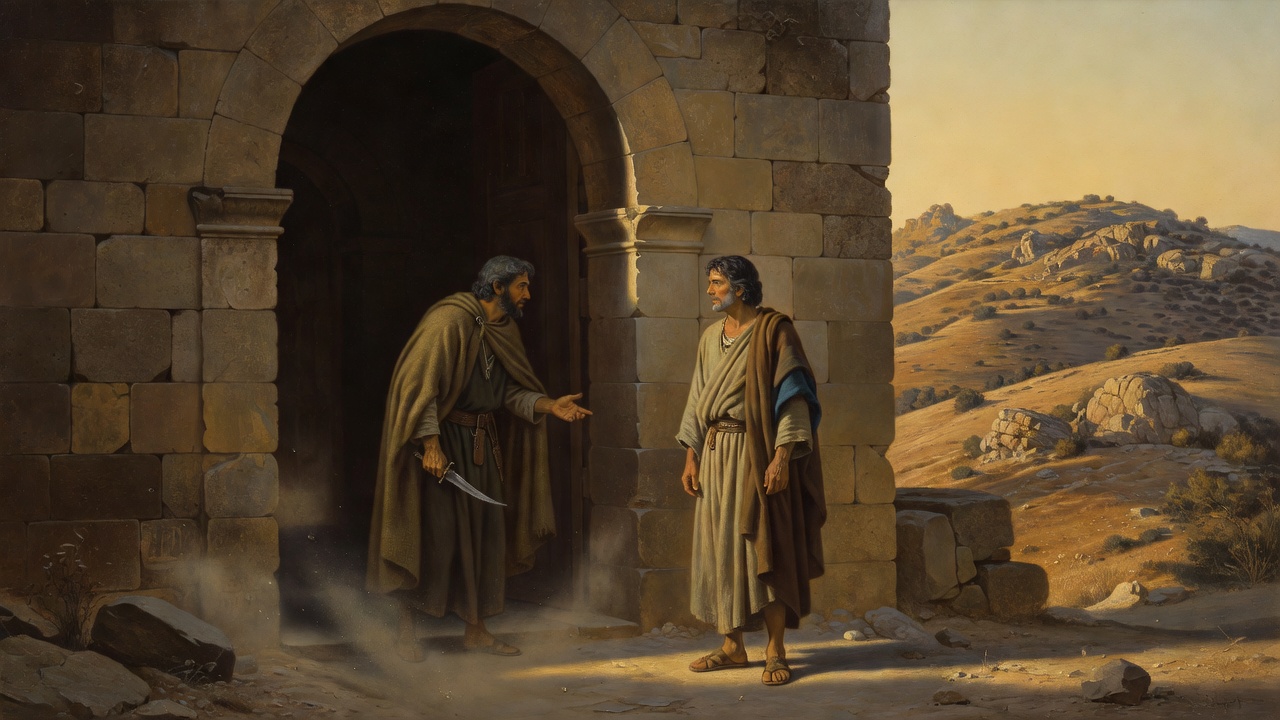
Abner's Defection and Death
- When Abner broke ties with Ish-bosheth, he pledged to unite the entire realm under David from Dan to Beersheba. This geographical phrase was the traditional way to describe the whole Promised Land, spanning approximately 144 miles from its northernmost region to its southern boundary.Sources: the Bible text itself · Beersheba · Dan
- Before concluding a covenant with Abner, David required the return of Saul's daughter Michal, who had been given in marriage to Paltiel after David fled from Saul. Reclaiming Michal reinforced David's lawful marriage and preserved his political and dynastic link to the house of Saul.Sources: the Bible text itself · Michal
- Joab murdered Abner in the gateway of Hebron as blood vengeance for his brother Asahel, whom Abner had slain during the battle at Gibeon. To prove to Israel that he had no part in the assassination, King David publicly mourned, composed a funeral lament, and fasted until sunset.Sources: the Bible text itself · Joab · Asahel · Hebron
Notes written with AI assistance from open sources (Theographic Bible Metadata, CC BY-SA 4.0; Easton’s Bible Dictionary, public domain) and reviewed before publishing.
Places in this chapter
- Hebron · Today: Tel Rumeida · 31.525, 35.102 · verses 2, 5, 12, 19, 20, 22, 27, 32
- Geshur · 32.767, 35.700 · verse 3
- Dan · Today: Tel Dan · 33.249, 35.652 · verse 10
- Gibeon · Today: El Jib · 31.847, 35.183 · verse 30
Only places identified with high confidence are shown (90% or more according to the scholarly sources compiled by OpenBible). Period map: DARE (Digital Atlas of the Roman Empire), CC BY 4.0; modern map: © OpenStreetMap contributors; places: OpenBible.info (CC BY 4.0).
Credits and license for this translation
Luda yã takada kũ Bisã yão
Portions of the Holy Bible in the Busa language of Nigeria
copyright © 2005 SIM International
Language: Bisã (Busa)
Translation by: SIM
This translation text is made available to you under the
terms of the Creative Commons License: Attribution-Noncommercial-No Derivative Works.
( http://creativecommons.org/licenses/by-nc-nd/3.0/ )
In addition, you have permission to port the text to different file formats, as long as you
do not change any of the text or punctuation of the Bible.
You may share, copy, distribute, transmit, and extract portions
or quotations from this work, provided that you include the above copyright
information:
You must give Attribution to the work.
You do not sell this work for a profit.
You do not make any derivative works that change any of the actual words or punctuation of the Scriptures.
Permissions beyond the scope of this license may be
available if you contact
us with your request.
This translation is made available to you under the terms of the
Creative Commons Attribution-Noncommercial-No Derivatives license 4.0.
You may share and redistribute this Bible translation or extracts from it in any format, provided that:
You include the above copyright and source information.
You do not sell this work for a profit.
You do not change any of the words or punctuation of the Scriptures.
Pictures included with Scriptures and other documents on this site are licensed just for use with those Scriptures and documents.
For other uses, please contact the respective copyright owners.
2014-10-10
Source: http://ebible.org/bqp/ · eBible.org