2 Samuel 18
Luda yã takada kũ Bisã yão · Tap a verse to see its cross-references.
Abusalomu ganaa
1Dauda gbɛ̃ kũ ò kú kãaonↄ kàkara, akũ à gbɛ̃ zↄ̃kↄ̃nↄ dìtɛditɛ gbɛ̃nↄn wàa sↄsↄↄronↄnɛ kũ gbɛ̃nↄn basↄsↄↄronↄ. 2Akũ à a zĩ̀karii pìnↄ kpàatɛtɛ gã̀ aakↄ̃. À gã̀ do nà Zeruya nɛ́ Yoabunɛ a ↄĩ, a do sↄ̃ Yoabu dakũna Abisai ↄĩ, a do sↄ̃ Gata gbɛ̃ Itai ↄĩ. Akũ kína pì a zĩ̀karinↄnɛ: Makũmɛ mani doárɛ arɛ. 3Akũ gbɛ̃nↄ pì: Ǹsun gɛ́ro. Tó o sù o bàa lɛ̀, oni ó yã daro. Bee tó ó gbɛ̃ kpadonↄ gàga, oni ó yã daro. Mↄkↄ̃n òtɛni n gwa de gbɛ̃nↄn dúbu kurinↄla. N kpanawái wɛ̃tɛ gũn mɛ́ à mana. 4Akũ kína pìńnɛ: Lákũ à kɛ̀árɛ mana nàn mani kɛ. Kína gɛ̀ɛ à zɛ̀ bĩnilɛ sarɛ, akũ zĩ̀karinↄ bↄ̀tɛ gã̀ kũ gã̀ao gbɛ̃nↄn basↄsↄↄronↄ kũ gbɛ̃nↄn wàa sↄsↄↄronↄo. 5Akũ kína yã dìtɛ Yoabunɛ kũ Abisaio kũ Itaio à pì: À kɛ kɛfɛnna Abusalomunɛ busɛbusɛ ma yãi. Zĩ̀karinↄ yã kũ kína dìtɛ gbɛ̃ zↄ̃kↄ̃nↄnɛ Abusalomu yã musu mà ń pínki. 6Zĩ̀karinↄ bↄ̀tɛ ò gɛ̀ɛ lákpɛn, de ò zĩ̀ ká kũ Isarailanↄ, akũ ò sì kↄ̃ tɛ́ Ɛflaimu dàkon. 7Dauda zĩ̀karinↄ zĩ̀i blè Isarailanↄa. Gbɛ̃ kũ ò gàga zĩ bireanↄn dasi, gbɛ̃nↄn dúbu baromɛ. 8Zĩ̀i pìi dà bùsuu pìla pínki, akũ zĩ birea sɛ̃̀ntɛ gbɛ̃nↄ blè dasi de fɛ̃nɛdala.
9Kũ Abusalomu kpàkũ kũ Dauda gbɛ̃nↄ, à dina baragbãsↄ̃ kpɛ. Akũ baragbãsↄ̃ pìi gɛ̀ɛ gbiri lí zↄ̃kↄ̃ gã̀nↄ gbáru, akũ a wakaa kpà lígãn gíngin, akũ a sↄ̃ pìi gɛ̃̀ zɛ́la, à gↄ̃̀ lokona lígãn gwe. 10Kũ gbɛ̃ke a è, à gɛ̀ɛ à pì Yoabunɛ: Ma Abusalomu è lokona lígãn. 11Akũ Yoabu pì gbɛ̃ kũ à baaruu pìi kpàarɛnɛ: Bↄ́ↄↄ? N a è yá? Bↄ́yãin ńdi a lɛ́ n dɛ̀roo? De yã ma n gba andurufu kuri kũ zĩ̀ka'asaao. 12Akũ gbɛ̃ pìi wè Yoabua à pì: Bee tó ò andurufu wàa sↄↄro yↄ̃̀ ò kà ma ↄn, mani fↄ̃ mà ↄ pá kína nɛ́ pìiaro, zaakũ kína yã dìtɛnnɛ kũ Abisaio kũ Itaio ó sã mà, à pì ò kɛ kɛfɛnna Abusalomunɛ busɛbusɛ. 13Tó ma a dɛ̀, de ma ásaru kɛ̀ ma zĩdanɛmɛ. A ke utɛna kínanɛro, mↄkↄ̃n sↄ̃ ĩni zɛ kũmaoro. 14Yoabu pì: Mani n dã doro. Akũ à sári sↄ̃ntɛ sɛ̀ mɛ̀n aakↄ̃, à gɛ̀ɛ à Abusalomu zↄ̃̀o a swɛ̃̀n gↄrↄ kũ à lokona lígãn bɛ̃nɛ. 15Akũ Yoabu zĩ̀kapↄnↄsɛri gbɛ̃nↄn kurinↄ lìkai ò a dɛ̀.
16Akũ Yoabu kuru pɛ̀ à a zĩ̀karinↄ dã̀dã, akũ ò kámma bò kũ pɛtɛna Isarailanↄiio. 17Ò Abusalomu gɛ̀ɛ sɛ̀ ò zù wɛ̀ɛ zↄ̃kↄ̃ↄ gũn lákpɛn gwe, akũ ò gbɛ̀ɛ kàkaraa, à gↄ̃̀ gbɛ̀didikↄ̃ana zↄ̃kↄ̃ ũ. Isarailanↄ sↄ̃ ò bàa lɛ̀, ń baadi tà a bɛa.
18Gↄrↄ kũ Abusalomu kun, à gbɛ̀ɛ pɛ̀tɛ a zĩdanɛ Kína guvutɛn, zaakũ à pì á nɛ́gↄ̃gbɛ̃ vĩro, akũ á ye a tↄ́ garo. À a zĩda tↄ́ kpà gbɛ̀ kũ à pɛ̀tɛ pìinɛ, akũ òdigↄ̃ gwe sísi Abusalomu Dↄngupↄ ari kũ a gbãrao.
Dauda Abusalomu ga baarumanaa
19Zadↄki nɛ́ Aimaza pì: Ǹ tó mà bàa lɛ́ mà gɛ́ baaru kpá kínanɛ, lákũ Dikiri yã nna kpàa nà à a bò a ibɛrɛnↄ ↄĩ. 20Akũ Yoabu pìnɛ: Ĩni le ǹ baaru kpá gbãraro, sé gↄrↄ pãnde zĩ. Gbãra pↄ́ dín ĩni kpáro, kũ kína nɛ́ gà yãi. 21Akũ Yoabu pì Etiopia burinɛ: Ǹ gɛ́ ǹ yã kũ n è o kínanɛ. Akũ Etiopia buri pìi kùtɛ Yoabunɛ à fùtɛ kũ bàao. 22Zadↄki nɛ́ Aimaza ɛ̀ra à pì Yoabunɛ: Bee deramɛɛ, ǹ tó mà bàa lɛ́ màgↄ̃ tɛ́ Etiopia buri pì kpɛ. Akũ Yoabu pìnɛ: Nɛ́, bↄ́yãi ń ye ǹ gɛ́ɛ? Baaruu pì nigↄ̃ àre vĩnnɛro. 23Akũ Aimaza pì: Bee deramɛɛ, má ye mà gɛ́mɛ. Akũ Yoabu pìnɛ: Ǹ gɛ́! Akũ à bàa lɛ̀ à gɛ̀ɛ à bↄ̀tɛ kũ swa sarɛ zɛ́o, à Etiopia buri pìi kɛ̃̀.
24Dauda vutɛna wɛ̃tɛ bĩnilɛ gbà mɛ̀n planↄ dagura. Gudãkpãrii dìdi bĩnia ari gãnu pìi musu. Kũ à wɛ́ zù, à gbɛ̃ke è à tɛ́ kũ bàao. 25À lɛ́ zù kínai à ònɛ. Akũ kína pì: Lákũ à tɛ́ ado nà, àtɛn su kũ baaru nnaomɛ. Kũ àtɛn su, à kà kãni. 26Akũ gudãkpãrii pì gbɛ̃ pãnde è dↄ, àtɛn bàa lɛ́. À lɛ́ zù zɛ́dãkpãriii à pì: Gbɛ̃ pãnde tɛ́ a kpɛ dire kũ bàao, àtɛn su dↄ. Akũ kína pì: Àtɛn su kũ baaru nnaomɛ dↄ se. 27Akũ gudãkpãrii pìi pì: Ma è gbɛ̃ káaku bàasina de lán Zadↄki nɛ́ Aimaza bàasinaa bà. Akũ kína pì: Gbɛ̃ manamɛ, baaru nnan àtɛn suo. 28Aimaza lɛ́ zù kínai à pì: Aafia kun! Akũ à kùtɛ kínanɛ à mìi pɛ̀tɛ zĩtɛ à pì: Ò Dikiri n Luda sáabu kpá, à gbɛ̃ kũ ò kùsɛɛ bìrimmanↄ kpàmma, ma dikiri kína. 29Akũ kína a là à pì: Kɛfɛnna Abusalomu kun kũ aafiaao yá? Aimaza wèa à pì: Kũ Yoabu tɛni n zↄ̀bleri zĩ kũ makũ n zↄ̀bleriio, ma mà zuka fùtɛ manamana, ama má dↄ̃ tó bↄ́ mɛ́ à sùro. 30Kína pì: Ǹ zɛ kpado la gĩa. Akũ à zɛ̀ gwe.
31Kũ Etiopia buri sù, à pì: Ma dikiri kína, ma sunnɛ kũ baaru nnaomɛ. Dikiri yã nna kpàmma gbãra, à n bo gbɛ̃ kũ ò bò n kpɛnↄ ↄĩ. 32Akũ kína a là à pì: Kɛfɛnna Abusalomu kun kũ aafiaao yá? Etiopia buri pìi wèa à pì: Ma dikiri kína, Luda tó n ibɛrɛnↄ kũ gbɛ̃ kũ ò fùtɛ òtɛn wari dↄmmanↄ gↄ̃ lán kɛfɛnna pìi bà. 33Swɛ̃̀ɛ kɛ̃̀ kínagu, à dìdi à gɛ̃̀ kpɛ́ kũ à kú gãnu pìi musu, akũ à ↄ́ↄ dↄ̀ gwe. Gↄrↄ kũ àtɛn didi gwe à pì: O'o ma nɛ́ Abusalomu! Ma nɛ́ Abusalomu! Ma gana n gɛ̃nɛ ũ sã̀na yã! Abusalomu ma nɛ́! Ma nɛ́!
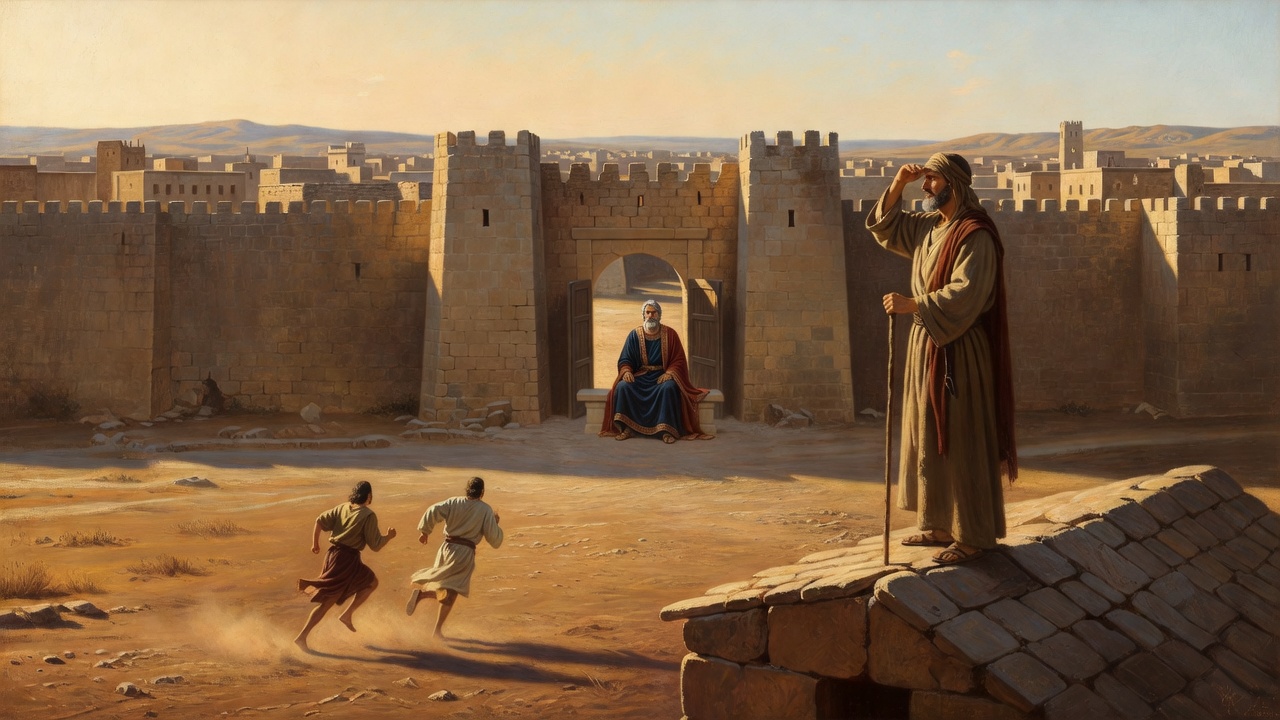
Did you know?
The Defeat and Death of Absalom
- David organized his forces into three divisions led by Joab, Joab's brother Abishai, and Ittai the Gittite, a commander from the Philistine city of Gath. Despite David's explicit instruction to spare Absalom, Joab killed the trapped prince in the forest of Ephraim.Sources: Joab · Abishai · Ittai · the Bible text itself
- During his life, Absalom had erected a memorial pillar for himself in the King's Valley (also known as the Valley of Shaveh) because he had no surviving sons to preserve his name. After his death, however, he was hastily buried in a forest pit covered by a large heap of stones.Sources: Valley of Shaveh · the Bible text itself
- Ahimaaz, the son of the high priest Zadok, was swift of foot and recognizable from afar by his running style. Although he outran the Cushite messenger to bring word of the battle's outcome, he avoided directly telling David about Absalom's death.Sources: Ahimaaz · Zadok · the Bible text itself
Notes written with AI assistance from open sources (Theographic Bible Metadata, CC BY-SA 4.0; Easton’s Bible Dictionary, public domain) and reviewed before publishing.
Places in this chapter
- Ephraim · Today: Ephraim 3 · 32.381, 35.765 · verse 6
- Ethiopia · 16.935, 33.751 · verses 21, 31
- Jordan Valley · 32.317, 35.570 · verse 23
Only places identified with high confidence are shown (90% or more according to the scholarly sources compiled by OpenBible). Period map: DARE (Digital Atlas of the Roman Empire), CC BY 4.0; modern map: © OpenStreetMap contributors; places: OpenBible.info (CC BY 4.0).
Credits and license for this translation
Luda yã takada kũ Bisã yão
Portions of the Holy Bible in the Busa language of Nigeria
copyright © 2005 SIM International
Language: Bisã (Busa)
Translation by: SIM
This translation text is made available to you under the
terms of the Creative Commons License: Attribution-Noncommercial-No Derivative Works.
( http://creativecommons.org/licenses/by-nc-nd/3.0/ )
In addition, you have permission to port the text to different file formats, as long as you
do not change any of the text or punctuation of the Bible.
You may share, copy, distribute, transmit, and extract portions
or quotations from this work, provided that you include the above copyright
information:
You must give Attribution to the work.
You do not sell this work for a profit.
You do not make any derivative works that change any of the actual words or punctuation of the Scriptures.
Permissions beyond the scope of this license may be
available if you contact
us with your request.
This translation is made available to you under the terms of the
Creative Commons Attribution-Noncommercial-No Derivatives license 4.0.
You may share and redistribute this Bible translation or extracts from it in any format, provided that:
You include the above copyright and source information.
You do not sell this work for a profit.
You do not change any of the words or punctuation of the Scriptures.
Pictures included with Scriptures and other documents on this site are licensed just for use with those Scriptures and documents.
For other uses, please contact the respective copyright owners.
2014-10-10
Source: http://ebible.org/bqp/ · eBible.org