2 Kings 15
Luda yã takada kũ Bisã yão · Tap a verse to see its cross-references.
Yudanↄ kína Uzia
1Isarailanↄ kína Yeroboamu kíblena wɛ̃̀ baraasↄↄro awɛɛplade gũn Amazia nɛ́ Uzia kɛ̀ Yudanↄ kína ũ. 2A wɛ̃̀ gɛ̃ro awɛɛdode gũnn à kí blè, akũ à kú kín Yurusalɛmu wɛ̃̀ bupla akuri awɛɛpla. A da bi Yurusalɛmu gbɛ̃mɛ, a tↄ́n Yɛkↄlia. 3À yã kũ Dikiri yeii kɛ̀ lákũ a de Amazia kɛ̀ nà. 4Ama adi tãnagbagbaki kũ ò bònↄ gbororo, ò kpɛ́ òtɛn sa o gwe òtɛn turaretiti kpátan. 5Dikiri tò a kusu kũ̀, à kúo ari à gɛ̀ɛ à gào. À kpɛ́ kúki ado. A nɛ́ Yotamu mɛ́ à kínabɛ ↄn kũna, àkũmɛ Yudanↄ don'arɛde ũ. 6Uzia yã kparanↄn kú Yudanↄ kínanↄ gĩayãkɛnanↄ takadan kũ yã kũ à kɛ̀nↄ pínki. 7Kũ à gà, ò a vĩ̀ kũ a dizinↄ Dauda wɛ̃tɛn, akũ a nɛ́ Yotamu vùtɛ a gɛ̃nɛ ũ.
Isarailanↄ kína Zakari
8Yudanↄ kína Uzia kíblena wɛ̃̀ bupla plansaride gũnn Yeroboamu nɛ́ Zakari kɛ̀ Isarailanↄ kína ũ Samaria, à kí blè mↄ suddo. 9À yã kũ Dikiri yeiro kɛ̀ lákũ a dizinↄ kɛ̀ nà. Adi kpɛ li durunna kũ Nɛbati nɛ́ Yeroboamu Isarailanↄ dà a kɛnannɛro. 10Akũ Yabɛsi nɛ́ Salumu lɛ́ kpàkũsũi kũ gbɛ̃nↄ à a dɛ̀ zaa Ibleamu, akũ à a gɛ̃nɛ blè. 11Zakari yã kparanↄn kú Isarailanↄ kínanↄ gĩayãkɛnanↄ takadan. 12Lɛn yã kũ Dikiri ò Yehunɛɛ kɛ̀ lɛ, à pì a burinↄ mɛ́ onigↄ̃ Isarailanↄ kí ble ari à gɛ́ pɛ́ a nasionↄa.
Isarailanↄ kína Salumu
13Yabɛsi nɛ́ Salumu kɛ̀ kína ũ Yudanↄ kína Uzia kíblena wɛ̃̀ bupla donsaride gũn, à kí blè Samaria mↄ do. 14Akũ Gadi nɛ́ Mɛnahɛmu bò Tiza à gɛ̀ɛ Samaria, akũ à Yabɛsi nɛ́ Salumu lɛ̀ à dɛ̀ gwe, akũ à a gɛ̃nɛ blè. 15Salumu yã kparanↄ kũ lɛ́ kũ à kpàkũsũ kũ gbɛ̃nↄ Zakariiio kú Isarailanↄ kínanↄ gĩayãkɛnanↄ takadan. 16Gↄrↄ birean Mɛnahɛmu bò Tiza à gɛ̀ɛ à lɛ̀tɛ Tifisaa kũ gbɛ̃ kũ ò kú a gũnnↄ kũ gu kũ à lìkainↄ pínki, zaakũ ò gì zɛ́ wɛ̃nɛi. À nↄ̀sindarenↄ nɛ̀sɛɛ pàrapara ń pínki dↄ.
Isarailanↄ kína Mɛnahɛmu
17Yudanↄ kína Uzia kíblena wɛ̃̀ bupla donsaride gũnn Gadi nɛ́ Mɛnahɛmu kɛ̀ Isarailanↄ kína ũ, akũ à kí blè Samaria wɛ̃̀ kuri. 18À yã kũ Dikiri yeiro kɛ̀ ari a wɛ̃̀ndi lɛ́n. Adi kpɛ li durunna kũ Nɛbati nɛ́ Yeroboamu Isarailanↄ dà a kɛnannɛro.
19Kũ Asiria kína Tigila Pilɛsa lɛ̀tɛ Isarailanↄ bùsuua, akũ Mɛnahɛmu a gbà andurufu tↄn baraakuri awɛɛsiikↄ̃, de Tigila Pilɛsa le à ↄ daawa, à kpata zĩni le à pɛ́tɛ yãi. 20Mɛnahɛmu tò Isarailanↄ andurufuu pì fĩnaa bò, akũ ↄgↄdenↄ andurufu ↄgↄ kpà ń mìiamiia mɛ̀n bupla akurikuri Asiria kína pↄ́ ũ. Akũ Asiria kína pìi ɛ̀ra à tà, adi zɛ ń bùsun doro. 21Mɛnahɛmu yã kparanↄn kú Isarailanↄ kínanↄ gĩayãkɛnanↄ takadan kũ yã kũ à kɛ̀nↄ pínki. 22Kũ à gà, akũ a nɛ́ Pekaya a gɛ̃nɛ blè.
Isarailanↄ kína Pekaya
23Yudanↄ kína Uzia kíblena wɛ̃̀ bupla akuride gũnn Mɛnahɛmu nɛ́ Pekaya kɛ̀ Isarailanↄ kína ũ, à kí blè Samaria wɛ̃̀ pla. 24À yã kũ Dikiri yeiro kɛ̀, adi kpɛ li durunna kũ Nɛbati nɛ́ Yeroboamu Isarailanↄ dà a kɛnannɛro. 25A zĩ̀kari gbɛ̃ zↄ̃kↄ̃ Rɛmalia nɛ́ Pɛka lɛ́ kpàkũsũi kũ gbɛ̃nↄ. Akũ à Giliada bùsudenↄ sɛ̀ gbɛ̃nↄn bupla akuri à sì kũńwo kína pìii a zɛki gbãnan Samaria, à a dɛ̀ kũ Agobuo kũ Ariɛo, akũ à a gɛ̃nɛ blè. 26Pekaya yã kparanↄn kú Isarailanↄ kínanↄ gĩayãkɛnanↄ takadan kũ yã kũ à kɛ̀nↄ pínki.
Isarailanↄ kína Pɛka
27Yudanↄ kína Uzia kíblena wɛ̃̀ bupla akuri awɛɛplade gũnn Rɛmalia nɛ́ Pɛka kɛ̀ Isarailanↄ kína ũ, à kí blè Samaria wɛ̃̀ baro. 28À yã kũ Dikiri yeiro kɛ̀, adi kpɛ li durunna kũ Nɛbati nɛ́ Yeroboamu Isarailanↄ dà a kɛnannɛro. 29Pɛka gↄrↄan Asiria kína Tigila Pilɛsa sù à Iyon sì kũ Abɛli Bɛtɛmakao kũ Yanↄao kũ Kɛdɛsio kũ Azoo. À Nafatali burinↄ gu sì dↄ, Giliada kũ Galilio pínki, akũ à gupidenↄ kũ̀kũ à tà kũńwo Asiria. 30Ela nɛ́ Osea lɛ́ kpàkũsũ kũ gbɛ̃nↄ Pɛkai, akũ à a dɛ̀ à a gɛ̃nɛ blè Uzia nɛ́ Yotamu kíblena wɛ̃̀ barode gũn. 31Pɛka yã kparanↄn kú Isarailanↄ kínanↄ gĩayãkɛnanↄ takadan kũ yã kũ à kɛ̀nↄ pínki.
Yudanↄ kína Yotamu
32Isarailanↄ kína Rɛmalia nɛ́ Pɛka kíblena wɛ̃̀ plade gũnn Uzia nɛ́ Yotamu kɛ̀ Yudanↄ kína ũ. 33A wɛ̃̀ baraasↄↄrode gũnn à kí blè, akũ à kú kín Yurusalɛmu wɛ̃̀ gɛ̃ro awɛɛdo. A da tↄ́n Yɛrusa, Zadↄki nɛ́mɛ. 34À yã kũ Dikiri yeii kɛ̀ lákũ a de Uzia kɛ̀ nà. 35Ama adi tãnagbagbaki kũ ò bònↄ gbororo, ò kpɛ́ òtɛn sa o gwe òtɛn turaretiti kpátan. Àkũ mɛ́ à Dikiri ↄn gãnu kũ à kú musu kɛ̀kɛ. 36Yotamu yã kparanↄn kú Yudanↄ kínanↄ gĩayãkɛnanↄ takadan kũ yã kũ à kɛ̀nↄ pínki. 37Gↄrↄ birean Dikiri tò Siria kína Rezĩ kũ Rɛmalia nɛ́ Pɛkao nà lɛtɛna Yudanↄaaa. 38Kũ Yotamu gà, ò a mira kpàkũsũ kũ a dizinↄ Dauda wɛ̃tɛn, akũ a nɛ́ Aza vùtɛ a gɛ̃nɛ ũ.
Did you know?
Chaos in Israel and Stability in Judah
- While Judah maintained relative stability under the long reigns of Uzziah and his son Jotham, the northern kingdom of Israel experienced extreme political turmoil. Within a short span of time, four kings—Zechariah, Shallum, Pekahiah, and Pekah—were assassinated by conspirators seizing the throne.Sources: the Bible text itself · Shallum · Menahem · Pekah
- This chapter marks the intensifying aggression of the Assyrian Empire against Israel. King Menahem paid Pul one thousand talents of silver raised from wealthy Israelites to secure his rule, and later Tiglath-pileser captured Gilead, Galilee, and Naphtali, carrying their inhabitants into captivity.Sources: the Bible text itself · Menahem · Pekah
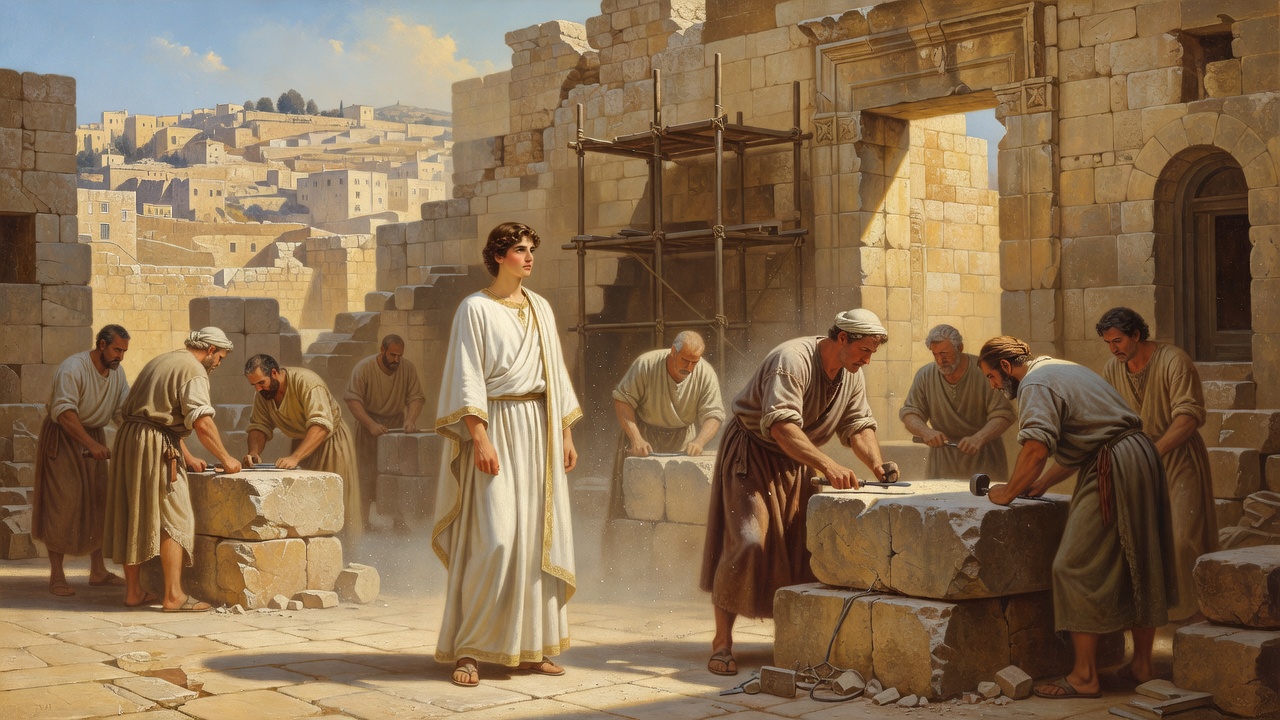
- King Uzziah of Judah, also referred to as Azariah, was afflicted with leprosy during his reign. Because of this illness, he lived in a separate house while his son Jotham administered the royal palace and governed the people of the land as coregent.Sources: the Bible text itself · Uzziah · Jotham
Notes written with AI assistance from open sources (Theographic Bible Metadata, CC BY-SA 4.0; Easton’s Bible Dictionary, public domain) and reviewed before publishing.
Places in this chapter
- Jerusalem · 31.777, 35.234 · verses 2, 33
- City of David · 31.774, 35.236 · verses 7, 38
- Samaria · 32.276, 35.195 · verses 8, 13, 14, 17, 23, 25, 27
- Assyria · 36.359, 43.153 · verses 19, 20, 29
- Gilead · Today: Gilead 1 · 32.187, 35.692 · verses 25, 29
- Galilee · 32.760, 35.527 · verse 29
- Hazor · Today: Tel Hazor · 33.018, 35.569 · verse 29
- Syria · Today: Aram · 33.511, 36.306 · verse 37
Only places identified with high confidence are shown (90% or more according to the scholarly sources compiled by OpenBible). Period map: DARE (Digital Atlas of the Roman Empire), CC BY 4.0; modern map: © OpenStreetMap contributors; places: OpenBible.info (CC BY 4.0).
Credits and license for this translation
Luda yã takada kũ Bisã yão
Portions of the Holy Bible in the Busa language of Nigeria
copyright © 2005 SIM International
Language: Bisã (Busa)
Translation by: SIM
This translation text is made available to you under the
terms of the Creative Commons License: Attribution-Noncommercial-No Derivative Works.
( http://creativecommons.org/licenses/by-nc-nd/3.0/ )
In addition, you have permission to port the text to different file formats, as long as you
do not change any of the text or punctuation of the Bible.
You may share, copy, distribute, transmit, and extract portions
or quotations from this work, provided that you include the above copyright
information:
You must give Attribution to the work.
You do not sell this work for a profit.
You do not make any derivative works that change any of the actual words or punctuation of the Scriptures.
Permissions beyond the scope of this license may be
available if you contact
us with your request.
This translation is made available to you under the terms of the
Creative Commons Attribution-Noncommercial-No Derivatives license 4.0.
You may share and redistribute this Bible translation or extracts from it in any format, provided that:
You include the above copyright and source information.
You do not sell this work for a profit.
You do not change any of the words or punctuation of the Scriptures.
Pictures included with Scriptures and other documents on this site are licensed just for use with those Scriptures and documents.
For other uses, please contact the respective copyright owners.
2014-10-10
Source: http://ebible.org/bqp/ · eBible.org