2 Chronicles 28
Luda yã takada kũ Bisã yão · Tap a verse to see its cross-references.
1Akɑsi u mɔwɑ wɔ̃ɔ yɛndu sɑnɑm mɛ u bɑndu di. U kuɑwɑ wɔ̃ɔ wɔkurɑ nɔɔbu kɑ tiɑ bɑndu sɔɔ Yerusɑlɛmuɔ. U ǹ sĩɑ dee dee Yinni Gusunɔn wuswɑɑɔ. U ǹ win sikɑdo Dɑfidin yirɑ swĩi. 2Isirelibɑn sinɑmbun yirɑ u swĩi. U mɑm bũu wi bɑ mɔ̀ Bɑɑlin bwɑ̃ɑroku sii gɑnduguu kuɑ. 3U turɑre dɔ̃ɔ doke Hinɔmun bibun bweserun wɔwɑɔ. Mɑ u kɑ win tiin bibu yɑ̃ku dɔ̃ɔ mwɑɑrɑruginu kuɑ nge mɛ bwese tukunu nu rɑ ko ni Yinni Gusunɔ u girɑ Isirelibɑn wuswɑɑn di. 4U rɑ bũu yɑ̃kunu ko kpɑ u nu turɑre dɔ̃ɔ dokeɑ gungunɔ kɑ guunɔ kɑ sere dɑ̃ɑ kubenɔ.
5Gusunɔ wi, Akɑsin Yinni u nùn Sirin sinɑ boko nɔmu bɛriɑ. Mɑ bɑ nùn kɑmiɑ bɑ win tɔn dɑbinu mwɛɛrɑ bɑ kɑ dɑ Dɑmɑsiɔ. Yen biru, Gusunɔ u mɑɑ nùn bɛri Isirelibɑn nɔmɑɔ. Mɑ Isireli be, bɑ nùn kɑmiɑ. 6Pekɑ, Remɑliɑn bii, u tɔmbu nɔrɔbun subɑ wunɑɑ teeru (120.000) go sɔ̃ɔ teerun sɔ̃ɔ, yèn sɔ̃ bɑ Gusunɔ ben bɑɑbɑbɑn Yinni deri. Tɔn be bɑ go mi, be kpuro bɑ sɑ̃ɑwɑ tɑbu durɔ wɔrugɔbɑ. 7Sikiri, Efɑrɑimubɑn tɑbu durɔ u Mɑɑseyɑ, sinɑ bokon bii go kɑ Asirikɑmu wi u sɑ̃ɑ sinɑ bokon yɛnun sɔm kowobun wirugii kɑ sere Ɛlikɑnɑ sinɑ bokon sinɑ ɑsɑkpɔ gbiikoo. 8Isirelibɑ bɑ ben mɛro bisibu Yudɑbɑ yoru mwɑ tɔmbu nɔrɔbun subɑ goobu (200.000), kurɔbu kɑ bibu. Mɑ bɑ ben yɑ̃ɑ dɑbinu gurɑ bɑ kɑ dɑ Sɑmɑriɔ.
9N deemɑ Yinni Gusunɔn sɔmɔ goo u wɑ̃ɑ mi. Win yĩsirɑ Odɛdi. Yerɑ u tɑbu kowo be sennɔ dɑ. U nɛɛ, wee Gusunɔ bɛɛn bɑɑbɑbɑn Yinni u kɑ Yudɑbɑ mɔru kuɑ, mɑ u bɛɛ bu nɔmu bɛriɑ, mɑ i bu go kɑ wɔnwɔndu sɑriru sere ben wuri yi nùn girɑri. 10Yerɑ i kĩ tɛ̃, Yudɑ be, kɑ Yerusɑlɛmugii be, bu ko bɛɛn yobu? I ǹ tɑmɑɑ i Gusunɔ bɛɛn Yinni torɑri? 11I swɑɑ dɑkio i nɔ. I yoo be i mwɛɛrɑ bɛɛn mɛro bisibu sɔɔ mi yɔ̃suo bu wurɑ ben yɛnusɔ. Domi Yinni Gusunɔ u kɑ bɛɛ mɔru bɑkɑ mɔ̀.
12Efɑrɑimubɑn wirugibu gɑbu, Asɑriɑ, Yokɑnɑnin bii kɑ Berekiɑ, Mɛsilemɔtun bii kɑ Esekiɑsi, Sɑlumun bii kɑ Amɑsɑ, Adilɑin bii, berɑ bɑ tɑbu kowobu seesi be bɑ wee tɑbu gberun di. 13Bɑ bu sɔ̃ɔwɑ bɑ nɛɛ, i ǹ kɑ yoo be duɔ mini. I kĩ i bɛsɛn tɑɑrɛ sosiwɑ Yinni Gusunɔn mi. Domi sɑ tore kɔ. Mɑ Yinni Gusunɔ u kɑ sun mɔru sɑ̃ɑ.
14Yerɑ tɑbu kowo be, bɑ yoo be yɔ̃su, bɑ bu ben yɑ̃nu wesiɑ Isirelibɑ kɑ ben wirugibun wuswɑɑɔ. 15Wirugii be bɑ sokɑ kɑ ben yĩsɑ bɑ yoo be suɑ, bɑ ben be bɑ wɑ̃ɑ tereru yɑ̃nu dokeɑ ni tɑbu kowobɑ mwɛɛrimɑ. Bɑ bu yɑ̃nu kɑ bɑrɑnu wɛ̃. Bɑ derɑ bɑ di mɑ bɑ nɔrɑ. Mɑ bɑ ben mɛɛrɑn bosu bɔkuɑ. Mɑ bɑ yoo be sɔɔ be bɑ kun kpɛ̃ bu sĩ kɛtɛkunu sɔndi bɑ kɑ dɑ Yerikoɔ mi kpɑkpɑ bɛ̃ɛ wɑ̃ɑ. Yen biru, Isireli be bɑ kɑ bu dɑ bɑ wurɑmɑ Sɑmɑriɔ.
Akɑsi u somiru kɑsu
Asirigibun mi
16Sɑɑ ye sɔɔrɑ sinɑ boko Akɑsi u gɔrɑ Asirin sinɑmbun mi, u bu somiru kɑnɑ. 17Edɔmubɑ bɑ nɑ bɑ kpɑm Yudɑbɑ wɔri bɑ kɑmiɑ, mɑ bɑ Yudɑ be, yoru mwɛɛrɑ bɑ kɑ doonɑ. 18Filisitibɑ bɑ wɔrɑɑ nɑ wuu si su wɑ̃ɑ Sefɑlɑn wɔwɑɔ kɑ si su wɑ̃ɑ Yudɑn tem sɔ̃ɔ yɛ̃sɑn nɔm dwɑru giɑ. Mɑ bɑ Bɛti Semɛsi kɑ Ayɑloni mwɑ kɑ Gederɔtu kɑ Soko kɑ yen bɑru kpɑɑnu kɑ Tinnɑ kɑ yen bɑru kpɑɑnu kɑ Gimuso kɑ yen bɑru kpɑɑnu. Mɑ bɑ sinɑ wuu si sɔɔ. 19Domi Yinni Gusunɔ u Yudɑbɑ sekuru doke ben sinɑ boko Akɑsin sɔ̃. Akɑsi wi, u kom bɛrɛtɛkɛ kuɑwɑ Yudɑɔ, u Yinni Gusunɔ mɛm nɔɔbu sɑriru koosiwɑ mɑm mɑm.
20Mɑ Asirin sinɑ boko Tigilɑti Pilesɛɛ u nɑ u nùn wɔri nge yibɛrɛ. U ǹ nùn somi. 21Domi Akɑsi u Yinni Gusunɔn sɑ̃ɑ yeru kɑ sinɑ kpɑɑru kɑ win tem wirugibun ɑrumɑni gurɑ u Asirin sinɑ boko wɛ̃. Adɑmɑ kɑ mɛ, yen gɑɑ kun nùn yɑre. 22Sɑnɑm mɛ u wɑ̃ɑ nuku sɑnkirɑnu sɔɔ, kɑ mɛ, u Yinni Gusunɔ mɛm nɔɔbu sɑriru koosimɔwɑ u dɔɔ. 23U Dɑmɑsin bũnu yɑ̃kuru kuɑ ni nu nùn kɑmiɑ mi. Domi u nɛɛ, wee Sirin sinɑ bokon bũnu nu rɑ bu somi. Tɛ̃, win tii u koo mɑɑ nu yɑ̃kuru kuɑ kpɑ nu wɑ nu nùn somi. Adɑmɑ nu ǹ nùn somi. Nu nùn kɑm kuɑwɑ wi kɑ Isirelibɑ kpuro. 24Akɑsi u Yinni Gusunɔn sɑ̃ɑ yerun dendi yɑ̃nu kpɑɑsinɑ u kɔsukɑ. Mɑ u derɑ bɑ tu kɛnuɑ. Mɑ u bũu yɑ̃ku yenu kuɑ beri berikɑ kpuro Yerusɑlɛmuɔ. 25Yerɑ u gungunu kuɑ Yudɑn wusu kpuro sɔɔ bu kɑ bũnu yɑ̃kuru kuɑ kpɑ bu mɑɑ nu turɑre dɔ̃ɔ dokeɑ mi. Nge mɛyɑ u kuɑ u kɑ Gusunɔ win bɑɑbɑbɑn Yinnin mɔru seeyɑ.
26Akɑsin kookoosun sukum gbiikisu kɑ dɑ̃ɑkisu si kpuro su yoruɑ Yudɑbɑ kɑ Isirelibɑn sinɑmbun fɑɑgin tireru sɔɔ. 27Yen biru, Akɑsi u kpunɑ u gu, mɑ bɑ nùn sikuɑ Yerusɑlɛmuɔ. Adɑmɑ bɑ ǹ nùn sikuɑ Isirelibɑn sinɑmbun sikɑɔ. Yen biru, win bii Esekiɑsi u bɑndu kɔsire kuɑ.
Esekiɑsi u bɑndu di Yudɑɔ
Did you know?
The Reign and Crises of King Ahaz
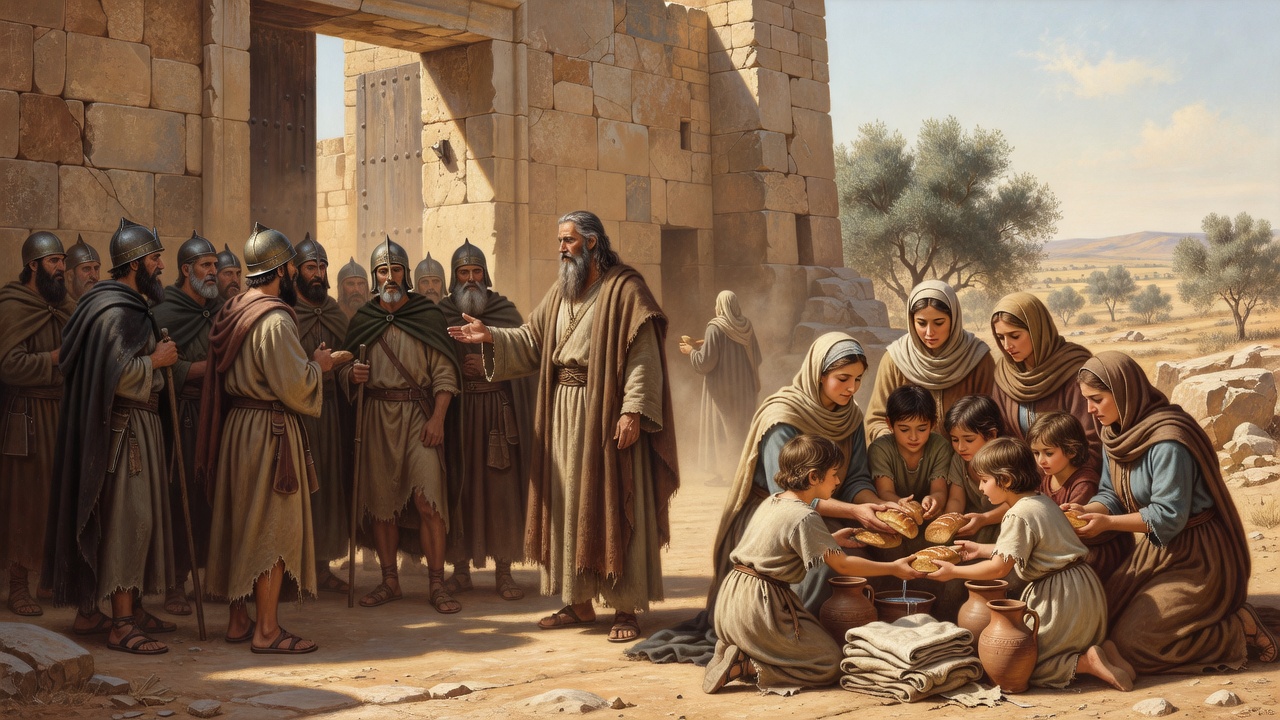
- After the northern kingdom of Israel defeated Judah and brought 200,000 captives to Samaria, a prophet named Oded and several Ephraimite leaders intervened. Reminding the army that the captives were their kinsmen, they refused to enslave them, provided them with food, clothes, and donkeys, and escorted them safely back to Jericho.Sources: the Bible text itself
- Pressured by invasions from Aram, Israel, Edom, and the Philistines, King Ahaz sent tribute taken from the temple and royal palace to King Tiglath-pileser of Assyria. Rather than providing lasting support, the Assyrian alliance brought further distress to Judah.Sources: the Bible text itself · Ahaz
- Following military defeats against Damascus, Ahaz began sacrificing to the gods of Aram, reasoning that they had helped his enemies. He went on to cut apart the temple furnishings, shut the doors of the house of the LORD, and erect pagan altars on every street corner of Jerusalem.Sources: the Bible text itself · Ahaz · Damascus
Notes written with AI assistance from open sources (Theographic Bible Metadata, CC BY-SA 4.0; Easton’s Bible Dictionary, public domain) and reviewed before publishing.
Places in this chapter
- Jerusalem · 31.777, 35.234 · verses 1, 10, 24, 27
- Valley of Hinnom · Today: Hinnom Valley · 31.769, 35.228 · verse 3
- Damascus · 33.511, 36.306 · verses 5, 23
- Syria · Today: Aram · 33.511, 36.306 · verses 5, 23
- Samaria · 32.276, 35.195 · verses 8, 9, 15
- City of Palms · Today: Tell es Sultan · 31.872, 35.445 · verse 15
- Jericho · Today: Tell es Sultan · 31.872, 35.445 · verse 15
- Assyria · 36.359, 43.153 · verses 16, 20, 21
- Edom · 30.746, 35.604 · verse 17
- Negeb · 31.245, 34.841 · verse 18
- Shephelah · 31.692, 34.875 · verse 18
- Socoh · Today: Tel Socho · 31.682, 34.975 · verse 18
Only places identified with high confidence are shown (90% or more according to the scholarly sources compiled by OpenBible). Period map: DARE (Digital Atlas of the Roman Empire), CC BY 4.0; modern map: © OpenStreetMap contributors; places: OpenBible.info (CC BY 4.0).
Credits and license for this translation
Luda yã takada kũ Bisã yão
Portions of the Holy Bible in the Busa language of Nigeria
copyright © 2005 SIM International
Language: Bisã (Busa)
Translation by: SIM
This translation text is made available to you under the
terms of the Creative Commons License: Attribution-Noncommercial-No Derivative Works.
( http://creativecommons.org/licenses/by-nc-nd/3.0/ )
In addition, you have permission to port the text to different file formats, as long as you
do not change any of the text or punctuation of the Bible.
You may share, copy, distribute, transmit, and extract portions
or quotations from this work, provided that you include the above copyright
information:
You must give Attribution to the work.
You do not sell this work for a profit.
You do not make any derivative works that change any of the actual words or punctuation of the Scriptures.
Permissions beyond the scope of this license may be
available if you contact
us with your request.
This translation is made available to you under the terms of the
Creative Commons Attribution-Noncommercial-No Derivatives license 4.0.
You may share and redistribute this Bible translation or extracts from it in any format, provided that:
You include the above copyright and source information.
You do not sell this work for a profit.
You do not change any of the words or punctuation of the Scriptures.
Pictures included with Scriptures and other documents on this site are licensed just for use with those Scriptures and documents.
For other uses, please contact the respective copyright owners.
2014-10-10
Source: http://ebible.org/bqp/ · eBible.org