1 Samuel 2
Luda yã takada kũ Bisã yão · Tap a verse to see its cross-references.
Ana aduakɛnaa
1Akũ Ana aduaa kɛ̀ à pì:
Ma nɛ̀sɛ tɛn yáa dↄ Dikiria,
ma mì dana ía Dikiri yãi.
Matɛn woo kɛ ma ibɛrɛnↄa,
ma pↄ kɛ̀ nna, kũ à ma sura bà.
2Gbɛ̃ke kú adona lán Dikiri bàro,
gbɛ̃ke kun lán a bàro,
gbɛ̀si ke kun lán ó Luda bàro.
3Àsun yã bↄtɛ kũ yↄ̃nkↄoro,
àsun tó zĩda bina yã bo á lɛ́nlo,
zaakũ Dikiri Ludamɛ yãdↄ̃ri ũ,
àkũ mɛ́ àdi ó yãkɛnanↄ yↄ̃ à gwa.
4Gↄ̃sa gbãnanↄ sá ɛ̀'ɛ,
ama gbɛ̃ funanↄ gbãna asa dↄ̀ ń pi.
5Gbɛ̃ kãna tɛn a zĩda aya kɛ pↄ́ble yãi,
ama nà tɛn gbɛ̃ kũ àtɛni a dɛ yã dɛ doro.
Para nɛ́ ì mɛ̀n suppla,
ama nɛ́dasi'irii gↄ̃̀ wɛ̃nda.
6Dikiri mɛ́ àdi tó gbɛ̃ ga,
akũsↄ̃ àdi tó gbɛ̃ gↄ̃ kun.
Àkũ mɛ́ àdi tó gbɛ̃ gɛ̃ bùsuu gũn,
akũsↄ̃ àdi gɛ̀ vu.
7Dikiri mɛ́ àdi su kũ takasio kũ kunna nnao,
àdi ↄ tↄ̃ gbɛ̃kenↄa, àdi gbɛ̃kenↄ sɛ́ lei.
8Àdi wɛ̃ndadenↄ bo bùsutitin,
àdi takasidenↄ bo tuburan.
Àdi ń vutɛ gu dokↄ̃nↄ kũ kínɛnↄ,
àdi tó ò kpata ble kũ gakurio.
Zaakũ zĩtɛ pɛ́tɛkinↄ bi Dikiri pↄ́mɛ,
akũ à andunia kàtɛa.
9Àdi a gbɛ̃nↄ gbápɛtɛki dãkpãńnɛ,
àdi yãvãnikɛrinↄ dúgu zↄ̃ gusiran.
Gbɛ̃ke ni fↄ̃ à ↄsi nɛ kũ a zĩda gbãnaoro.
10Dikiri ni a ibɛrɛnↄ ú lↄ́,
ani pata a ibɛrɛnↄa zaa musu,
ani yãkpatɛ kɛ kũńwo ari andunia lɛ́zɛkia.
Ani kína kũ à kàa gba gbãna,
ani gbɛ̃ kũ à sɛ̀ɛ pìi mì da ía.
11Akũ Ɛlɛkana tà a bɛ wɛ̃tɛa Rama, akũ nɛ́gↄ̃gbɛ̃ pìi gↄ̃̀, àtɛn zĩ kɛ Dikirinɛ kũ sa'ori Ɛlio.
Ɛli nɛ́gↄ̃gbɛ̃nↄ
12Ɛli nɛ́gↄ̃gbɛ̃nↄ bi nɛ́ pãsĩnↄmɛ, òdi Dikiri daro. 13Yã kũ sa'orii pìnↄ dì kɛńnɛn dí. Tó gbɛ̃ sa ò, gↄrↄ kũ àtɛn nↄ̀bↄↄ pì fùfu kɛ, sa'ori ìba ke dì su kũ saka gã̀nɛ aakↄ̃deo kũna. 14Akũ àdi sí ta gũn ke oro ke mↄ̀'oro, akũ sa'ori dì pↄ́ kũ saka pìi bòo sɛ́ a pↄ́ ũ pínki. Lɛn òdi kɛ Isaraila kũ ò sù Silonↄnɛ lɛ ń pínki. 15Bee ari ògↄ̃ gɛ́ nↄ̀bↄ kpá tɛ́a a nísi láka, sa'ori ìba ke dì su à pi gbɛ̃ kũ à sa òo pìinɛ: Ǹ nↄ̀bↄ kpá sa'oria à kpá tɛ́a, zaakũ ani we à nↄ̀bↄ fùfukɛna símmaro, sé a búsu. 16Tó gbɛ̃ pìi pìnɛ áni nↄ̀bↄ kpá tɛ́a gĩa a nísi láka, gbasa pↄ́ kũ à yei à sɛ́ sà, akũ ìbaa pìi dì pi: Oi! Ǹ kpáma gↄ̃̀nↄ! Tó n gi, mani bo kũ gbãnao. 17Kɛfɛnna pìnↄ durunna zↄ̃kↄ̃ Dikirinɛ manamana, zaakũ òtɛni a sa'onↄbↄ gya bomɛ.
18Nɛ́gↄ̃gbɛ̃ Samuɛli sↄ̃ àdigↄ̃ zĩ kɛ Dikirinɛ kũ uta lokommao dana. 19A da dì uta gyaba fítinna zↄ̃nɛ. Tó àtɛn su sa o kũ a zão wɛ̃̀ kũ wɛ̃̀ɛo, akũ àdi suonɛ. 20Ɛli dì sa mana o Ɛlɛkananɛ kũ a nↄ pìio à pi: Dikiri n gba nɛ́ dↄ kũ n nↄ pìio, nɛ́ kũ à a wɛ́ kɛ̀ akũ à kpà Dikiriaa pìi gɛ̃nɛ ũ. Akũ òdi tá ń bɛa. 21Akũ Dikiri arubarikaa dà Ananɛ, à ɛ̀ra à nɛ́ ì mɛ̀n sↄↄro, gↄ̃gbɛ̃ aakↄ̃, nↄgbɛ̃ pla. Nɛ́gↄ̃gbɛ̃ Samuɛli sↄ̃ àtɛn zↄ̃kↄ̃ kũ Dikiri ↄĩ.
22Ɛli zĩ kũ̀ yúkuyuku, à yã kũ a nɛ́nↄ tɛn kɛ Isarailanↄnɛ mà pínki kũ lákũ òdi wútɛ kũ nↄgbɛ̃ kũ òdigↄ̃ zĩ kɛ dakarɛki kuta kpɛ́lɛlɛanↄo nà. 23Akũ à ń lá à pì: Bↄ́ mɛ́ à tò átɛn yã kɛ lɛɛ? Ma mà gbɛ̃ sĩnda pínki tɛni á yãvãnikɛna o. 24Àsun kɛ lɛro ma nɛ́nↄ! Baaru kũ ma mà kũ àtɛn dagula Dikiri gbɛ̃nↄ tɛ́ pì manaro. 25Tó gbɛ̃ durunna kɛ̀ a gbɛ̃dakenɛ, Luda ni a yã gↄ̃gↄ̃, ama tó gbɛ̃ durunna kɛ̀ Dikirinɛ, dí mɛ́ ani kútɛ kɛnɛɛ? Akũ ò gì ń de yã mai, zaakũ Dikiri zɛ̀ kũ ń dɛdɛna yãomɛ. 26Nɛ́gↄ̃gbɛ̃ Samuɛli sↄ̃, àtɛn zↄ̃kↄ̃ kũ àtɛn kara. Àdigↄ̃ nna kũ Dikirio kũ gbɛ̃ sĩnda pínkio.
Àlesi bɛ̃̀nɛ dↄna Ɛli bedenↄa
27Akũ Luda gbɛ̃ke sù à pì Ɛlinɛ: Dikiri pì, gↄrↄ kũ n dizi Haruna bedenↄ tɛn zↄ̀ ble Firi'aunanɛ zaa Misila, a bo a suḿma tɛ̃tɛ̃ntɛ̃, 28Isaraila burinↄ tɛ́ pínki n dizi Harunan a sɛ̀ a gbàgbari ũ. Akũ à a gbagba, à turaretiti kàarɛ tɛ́n kũ sa'o'utao dana. Dikiri pì, a sa'opↄ kũ Isarailanↄ dì kpáta kpà a burinↄa pínki. 29Dikiri pì, bↄ́ mɛ́ à tò adì a sa'ona nↄ̀bↄ zↄ̃ kũ gbáo kũ gba kũ a dìtɛ ò suoarɛ a kpɛ́ gũnwoo? À pì, bↄ́yãi ndì n nɛ́nↄ ditɛ deala, akũ átɛn mɛ̀ kpá kũ a gbɛ̃ Isarailanↄ sa'ona nↄ̀bↄ manaoo? 30Abire yãi Dikiri Isarailanↄ Luda pì, a dìtɛ yã n burinↄ kũ n dizi burinↄ mɛ́ ògↄ̃ a gbagba ari gↄrↄ sĩnda pínki, ama tera adì we abirekũi doro. À pì, gbɛ̃ kũ à a kpe tàn áni bɛ̀ɛrɛ línɛ, gbɛ̃ kũ à a gya bò áni kɛ pↄ́ ũro. 31Ǹ ma! À pì, gↄrↄke ni su, áni n bɛ gbãna símma kũ n de bɛ pↄ́o. Mare zĩ ke nigↄ̃ kú n ↄnn doro. 32Ĩni wari e a bɛa. Bee tó a arubarikaa pìsi Isarailanↄa ń pínki, mare zĩ ke nigↄ̃ kú n ↄnnlo ari gↄrↄ sĩnda pínki. 33N ↄndenↄ ni gaga zɛ́gbãn ń pínki. N gbɛ̃ kũ adi a bo a gbagbazĩ gũnlo ni tó n wɛ́ bobo kũ ↄ́ↄdↄo, n pↄ ni sira kũ. 34N nɛ́ gbɛ̃nↄn pla Ɔfini kũ Finɛasio ni gaga gↄrↄ dokↄ̃nↄ zĩ ń pínki. Abirekũ nigↄ̃ dennɛ sèeda ũ kũ yã kũ a ò ni kɛ pínki. 35Dikiri pì, áni gbɛ̃ sɛ́ sa'ori náanide ũ, ani a pↄyenyĩna kɛ lákũ á yei nà. Áni a burinↄ gba gbãna gíngin, anigↄ̃ zĩ kɛ kína kũ áni kánɛ ari gↄrↄ sĩnda pínki. 36N buri kũ ò gↄ̃̀nↄ ni su ò kútɛ kɛnɛ ↄgↄ ke burodi yãi ò pi: Ǹ sa'ori zĩ ke dawɛrɛ ò kɛ, de ò pↄ́ fítinna le ògↄ̃ ble.
Did you know?
Hannah's Song and the Priesthood at Shiloh
- Eli's sons, Hophni and Phinehas, violated sanctuary customs by demanding raw meat before the fat was burned on the altar and by using a three-pronged fork to seize meat directly from the cooking pots. Their aggressive demands treated the Lord's sacrifices with contempt.Sources: the Bible text itself · Hophni · Phinehas
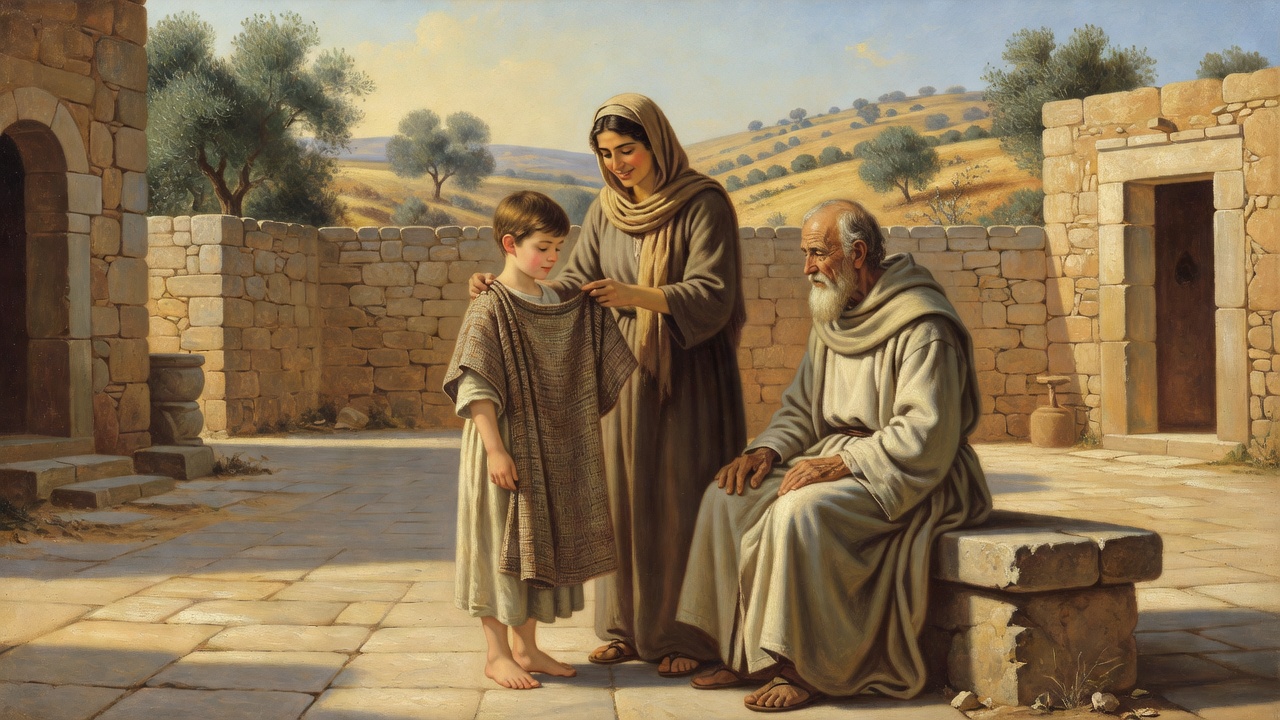
- While serving before Eli at Shiloh, the young boy Samuel wore a linen ephod. Each year when his parents came to offer the annual sacrifice, his mother Hannah brought him a small robe she had made for him.Sources: the Bible text itself · Samuel · Hannah
- A man of God announced judgment against the house of Eli for profaning the sacrifices and honoring his corrupt sons above God. The prophecy warned that Eli's priestly line would be cut short, marked by the sign that both Hophni and Phinehas would die on the same day.Sources: the Bible text itself · Eli · Hophni
Notes written with AI assistance from open sources (Theographic Bible Metadata, CC BY-SA 4.0; Easton’s Bible Dictionary, public domain) and reviewed before publishing.
Places in this chapter
Only places identified with high confidence are shown (90% or more according to the scholarly sources compiled by OpenBible). Period map: DARE (Digital Atlas of the Roman Empire), CC BY 4.0; modern map: © OpenStreetMap contributors; places: OpenBible.info (CC BY 4.0).
Credits and license for this translation
Luda yã takada kũ Bisã yão
Portions of the Holy Bible in the Busa language of Nigeria
copyright © 2005 SIM International
Language: Bisã (Busa)
Translation by: SIM
This translation text is made available to you under the
terms of the Creative Commons License: Attribution-Noncommercial-No Derivative Works.
( http://creativecommons.org/licenses/by-nc-nd/3.0/ )
In addition, you have permission to port the text to different file formats, as long as you
do not change any of the text or punctuation of the Bible.
You may share, copy, distribute, transmit, and extract portions
or quotations from this work, provided that you include the above copyright
information:
You must give Attribution to the work.
You do not sell this work for a profit.
You do not make any derivative works that change any of the actual words or punctuation of the Scriptures.
Permissions beyond the scope of this license may be
available if you contact
us with your request.
This translation is made available to you under the terms of the
Creative Commons Attribution-Noncommercial-No Derivatives license 4.0.
You may share and redistribute this Bible translation or extracts from it in any format, provided that:
You include the above copyright and source information.
You do not sell this work for a profit.
You do not change any of the words or punctuation of the Scriptures.
Pictures included with Scriptures and other documents on this site are licensed just for use with those Scriptures and documents.
For other uses, please contact the respective copyright owners.
2014-10-10
Source: http://ebible.org/bqp/ · eBible.org