1 Kings 1
Luda yã takada kũ Bisã yão · Tap a verse to see its cross-references.
About this book
About 1 Kings
- Easton's Bible Dictionary (1897) treats the authorship of the books of Kings as uncertain. A tradition that Jeremiah wrote them is, in Easton's view, supported by passages almost identical with parts of Jeremiah and by events Jeremiah knew personally, yet Easton thinks it more probable that Ezra, after the Captivity, compiled the books from earlier documents, perhaps written by David, Solomon, Nathan, Gad, and Iddo. Easton dates the composition between 561 B.C., when Jehoiachin was released from captivity by Evil-merodach, and 538 B.C., the decree of Cyrus.Sources: Easton: Kings, The Books of
- Easton says these books contain the annals of the kingdom from Solomon's accession until Nebuchadnezzar and the Babylonians subdued it, a period he estimates at about 453 years. 1 Kings opens while David is dying: Adonijah, his fourth son, who had become heir-apparent to the throne after the deaths of Amnon and Absalom, has himself proclaimed king, but Nathan and Bathsheba persuade David to enthrone Solomon at once. Solomon, David's son by Bathsheba, whose history is recorded in 1 Kings 1-11, came to the throne, Easton suggests, at about sixteen or eighteen.Sources: Easton: Kings, The Books of · Adonijah · Solomon
- In the Hebrew Scriptures the two books of Kings originally formed one book; the Septuagint first divided them and, with the Vulgate, numbers them as the third and fourth books of Kings, the books of Samuel being the first and second. Easton notes that Chronicles gives greater prominence to the priestly or Levitical office, while Kings gives greater prominence to the royal office, and that in the threefold division of the Scriptures by the Jews these books are ranked among the Prophets. The narrative points to earlier sources: the book of the acts of Solomon and the chronicles of the kings of Judah and of Israel.Sources: Easton: Kings, The Books of
- After Solomon's death the ten tribes revolted and invited Jeroboam, son of Nebat, to be their king; Easton calls him the first king of those tribes and dates his reign from 976 to 945 B.C. He had fled to Egypt under the protection of Shishak I, and later moved his residence from Shechem, his first capital, to Tirzah, which remained the chief residence of Israel's kings until Omri bought the hill of Shomeron from Shemer for two talents of silver and built Samaria. The later narrative includes Ahab, Omri's son and the seventh king of Israel, whose wife was Jezebel: to the calf worship introduced by Jeroboam he added the worship of Baal, and he was severely admonished by the prophet Elijah.Sources: Jeroboam · Tirzah · Samaria · Ahab
Notes written with AI assistance from open sources (Theographic Bible Metadata, CC BY-SA 4.0; Easton’s Bible Dictionary, public domain) and reviewed before publishing.
Adonia a zĩda kana kína ũ
1Kũ kína Dauda zĩ kũ̀ yúkuyuku, bee tó ò bizanↄ kùala, ĩa dì gí àgↄ̃ a dɛmɛ. 2Akũ a ìbanↄ pìnɛ: Ó dikiri kí, ǹ tó ò nↄkpare wɛtɛnnɛ, àgↄ̃ zĩ kɛnnɛ àgↄ̃ n gwa, àgↄ̃ wutɛ n sarɛ de ĩa sún n dɛ doro. 3Akũ ò gɛ̀ɛ ò kpátɛ kɛ̀ nↄkpare manai Isarailanↄ bùsun pínki, akũ ò bò Sunɛmu nↄgbɛ̃ Abisagaa, ò a sɛ̀ ò sù kãao kínanɛ. 4Nↄkpare pì bi nↄ manamɛ. Àdigↄ̃ kína gwa àgↄ̃ zĩ kɛnɛ, ama kína dí a dↄ̃ nↄgbɛ̃ ũro.
5Dauda nanↄ Agi nɛ́ Adonia a zĩda dìtɛ kũ a ka, akũ à pì ákãa mɛ́ áni kí ble sà. Akũ à sↄ̃gonↄ sɛ̀ kũ sↄ̃denↄ kũ gↄ̃gbɛ̃ gbɛ̃nↄn bupla akuri kũ onigↄ̃ bàa lɛ́ ògↄ̃ tɛ́nɛ arɛnↄ. 6A de dí kpãkɛ̃i ziki à pi, à kɛ̀ dera ntɛn kɛ lɛɛro. Àpi sↄ̃ bi kɛfɛnna manamɛ. Abusalomu mɛ́ à yↄ̃ mì à kpàa. 7Akũ à lɛ́dokↄ̃nↄ kɛ̀ kũ Zeruya nɛ́ Yoabuo kũ sa'ori Abiatao, akũ ò zɛ̀ kãao. 8Ama sa'ori Zadↄki kũ Yoyada nɛ́ Bɛnayao kũ annabi Natão kũ Simɛio kũ Dauda gbɛ̃nnanↄ kũ a dogarinↄ dí zɛ kãaoro. 9Adonia sa ò kũ sãnↄ kũ zùnↄ kũ zùnɛ mɛ̀kpananↄ Gbɛ̀mlɛ̃ kũ à kú Ɛnlogɛli sarɛa. À a dakũna kínanɛnↄ sìsi ń pínki kũ Yuda kũ ò de kína ìba ũnↄ ń pínki. 10Adi annabi Natã sísiro ke Bɛnaya ke Dauda dogarinↄ ke a zĩda dakũna Sulemanu.
11Akũ Natã gɛ̀ɛ à Sulemanu da Basɛba là à pì: Ńdi ma kũ Agi nɛ́ Adonia kí blè ó dikiri kína Dauda dↄ̃naa sariroo? 12Tↄ̀, ǹ tó mà lɛ́ damma sà lákũ ĩni kɛ nà, ǹ n zĩda mì sí kũ n nɛ́ Sulemanu pↄ́o. 13Ǹ futɛ ǹ gɛ́ kína Dauda le ǹ pinɛ, kũ à la dànnɛ yã à pì n nɛ́ Sulemanu mɛ́ ani kí ble a gɛ̃nɛ ũ à vutɛ a gbàn sↄ̃ bi? À kɛ̀ dera Adonia gↄ̃̀ kína ũu? 14Gↄrↄ kũ ń kpɛ́ ntɛn yã onɛ, mani gɛ̃ mà yã'i kara se. 15Akũ Basɛba gɛ̀ɛ à kína lè a kpɛ́nɛ gũn, gu kũ Sunɛmu nↄgbɛ̃ Abisaga tɛni a gwan. Kína sↄ̃ à zĩ kũ̀. 16Basɛba kùtɛ à mìi pɛ̀tɛnɛ, akũ kína a là à pì: Bↄ́n ń yeii? 17À wèa à pì: Baa, mↄkↄ̃n mɛ́ n la dà makũ n zↄ̀bleriinɛ kũ Dikiri n Luda tↄ́o, n pì ma nɛ́ Sulemanu mɛ́ ani kí ble n gɛ̃nɛ ũ à vutɛ n gbàn. 18Tera sↄ̃ ma dikiri kí, Adonia mɛ́ à kɛ̀ kína ũ, akũsↄ̃ ń a yã dↄ̃ro. 19À sa ò kũ zùnↄ kũ zùnɛ mɛ̀kpananↄ kũ sãnↄ dasidasi, à n nɛ́nↄ sìsi ń pínki kũ sa'ori Abiatao kũ zĩ̀kari don'arɛde Yoabuo, ama adi n zↄ̀bleri Sulemanu sísiro. 20Ma dikiri kí, mↄkↄ̃mmɛ Isarailanↄ sã dↄnyĩ ń pínki ò ma tó dí mɛ́ ani kɛ kína ũ n gɛ̃nɛ ũ. 21Ma dikiri kí, tó n ka n dizinↄla, makũ kũ ma nɛ́ Sulemanuo, onigↄ̃ ó gwa taaridenↄ ũmɛ.
22Kũ à kpɛ́ àtɛn yã o kũ kínao, akũ annabi Natã sù. 23Ò ò kínanɛ kũ annabi Natã kú la. Akũ Natã gɛ̃̀ à kùtɛ kínanɛ à wùtɛ a nɛ̀sɛlɛ kutɛna 24à pì: Ma dikiri kí, mↄkↄ̃n mɛ́ n pì Adonia kɛ kína ũ à vutɛ kín n gɛ̃nɛ ũ yá? 25Zaakũ à gɛ̀ɛ à sa ò gbãra kũ zùnↄ kũ zùnɛ mɛ̀kpananↄ kũ sãnↄ dasidasi. À n nɛ́nↄ sìsi ń pínki kũ n zĩ̀kari don'arɛdeo kũ sa'ori Abiatao. Òtɛn pↄ́ ble kãao, òtɛn í mi tera, òtɛn pi: Luda kína Adonia dↄ̃ kũ aafiaao! 26Ama adi makũ n zↄ̀bleri sísiro ke sa'ori Zadↄki ke Yoyada nɛ́ Bɛnaya ke n zↄ̀bleri Sulemanu. 27Ma dikiri kí, ase mↄkↄ̃n mɛ́ n kɛ̀ lɛ, akũ n gi gbɛ̃ kũ ani vutɛ kín n gɛ̃nɛ ũ oi ókↄ̃nↄ n zↄ̀blerinↄnɛ yá?
Sulemanu kana kína ũ
28Akũ kína Dauda pì: À Basɛba sísimɛnɛ. Kũ Basɛba sù à gɛ̃̀, à sù à zɛ̀ kína arɛ. 29Akũ kína la dànɛ à pì: Kũ Dikiri kunnaao! Àkũ mɛ́ à ma bo wari sĩnda pínki gũn. 30Ladana kũ ma kɛ̀nnɛ kũ Dikiri Isarailanↄ Luda tↄ́o, ma pì n nɛ́ Sulemanu mɛ́ ani kí ble ma gbɛ̀n à vutɛ kín ma gɛ̃nɛ ũ, mani papa gbãra sãnsãmmɛ. 31Akũ Basɛba kùtɛ à mìi pɛ̀tɛ zĩtɛ kínanɛ à pì: Ma dikiri kína Dauda, Luda n dↄ̃ kũ aafiaao gↄrↄ sĩnda pínki!
32Akũ kína Dauda pì: À sa'ori Zadↄki sísimɛnɛ kũ annabi Natão kũ Yoyada nɛ́ Bɛnayao. Kũ ò sù kína kĩnaa, 33à pìńnɛ: À ma ìbanↄ kakara á ma nɛ́ Sulemanu sɛ́ à a di ma baragbãsↄ̃a, á gɛ́ kãao Giↄ̃. 34Gwen sa'ori Zadↄki kũ annabi Natão ni nísi kúa ò a ká Isarailanↄ kína ũ, á kuru pɛ́ à wiki lɛ́ à pi: Luda kína Sulemanu dↄ̃ kũ aafiaao! 35Abire gbɛra á su kãao, a vutɛ gbàn àgↄ̃ kí ble ma gɛ̃nɛ ũ. Àkũmɛ ma dìtɛ Isarailanↄ kũ Yudanↄ don'arɛde ũ. 36Akũ Yoyada nɛ́ Bɛnaya pì kínanɛ: À kɛ lɛ! Dikiri n Luda n lɛ́gbɛ sí ma dikiri kí! 37Lákũ Dikiri kú kũnwo nà ma dikiri kí, àgↄ̃ kú kũ Sulemanuo lɛ, à a kíkɛ sɛ́ lei de n pↄ́la se.
38Akũ sa'ori Zadↄki kũ annabi Natão kũ Yoyada nɛ́ Bɛnayao kũ dogarinↄ gɛ̀ɛ ò Sulemanu dì kína Dauda baragbãsↄ̃a, ò gɛ̀ɛ zɛnɛ Giↄ̃. 39Akũ sa'ori Zadↄki nísi tùruu sɛ̀ Dikiri kpɛ́n, à nísi pìi kù Sulemanua. Akũ ò kuru pɛ̀, gbɛ̃ sĩnda pínki wiki lɛ̀ ò pì: Luda kína Sulemanu dↄ̃ kũ aafiaao! 40Akũ gbɛ̃ sĩnda pínki bò ò tɛ̀i, òtɛn su òtɛn úra pɛ́, òtɛn pↄnna kɛ manamana ari zĩtɛ yĩ̀gã kĩni kũ òtɛn kɛ pì yãi.
41Kũ Adonia kũ gbɛ̃ kũ à ń sisinↄ pↄ́ blè ò làka, òtɛn su futɛ, akũ ò kĩnii pìi mà. Kũ Yoabu kuru ũ pìi mà, akũ à pì: Bↄ́ zuka mɛ́ à dↄ wɛ̃tɛ gũn lɛɛ? 42Adi yã pì o à làkaro, akũ sa'ori Abiata nɛ́ Yonatã kà gↄ̃̀nↄ. Akũ Adonia pì: Ǹ gɛ̃. Bɛ̀ɛrɛdemɛ n ũ, matɛn sí baaru nnan n suo. 43Akũ Yonatã pì Adonianɛ: Lɛnlo! Ó dikiri kína Dauda Sulemanu kà kín. 44À sa'ori Zadↄki kũ annabi Natão kũ Yoyada nɛ́ Bɛnayao kũ a dogarinↄ gbàrɛ ò gɛ́ kãao, akũ ò gɛ̀ɛ ò a dì kína baragbãsↄ̃a. 45Akũ sa'ori Zadↄki kũ annabi Natão nísi kùa ò a kà kína ũ zaa Giↄ̃. Kũ ò bò gwe, ò sù kũ pↄnnakɛnaao, akũ wɛ̃tɛ lòko. Kĩni kũ a màn gwe. 46Bee deramɛ Sulemanu vùtɛ kín kↄ̀. 47Akũ ó dikiri kína Dauda ìbanↄ sù ò fↄ kpàa se, ò pì Luda tó Sulemanu tↄ́ bo de a pↄ́la! Luda a kíkɛ gba gbãna de a pↄ́la! Akũ Dauda mìi nàtɛ à donyĩ kɛ̀ Dikirinɛ a gádoa 48à pì: Ò Dikiri Isarailanↄ Luda sáabu kpá, kũ à tò ma wɛ́ sì ma gɛ̃nɛlɛ kana kína ũ gbãra.
49Kũ gbɛ̃ kũ Adonia ń sisinↄn mà lɛ, akũ ń laakarii fùtɛ, baadi a zɛ́ kũ̀. 50Kũ Adonia tɛn vĩna kɛ Sulemanunɛ yãi, akũ à fùtɛ à gɛ̀ɛ à nà Dikiri gbagbakii à a bɛ̃nɛ kũ̀. 51Akũ ò pì Sulemanunɛ: Adonia tɛn vĩna kɛnnɛmɛ, à gɛ̀ɛ à nà Dikiri gbagbakii à a bɛ̃nɛ kũna, àtɛn pi ǹ la da akãa n zↄ̀bleriinɛ gbãra, kũ ĩni a dɛro. 52Akũ Sulemanu pì: Tó à a zĩda kũna dↄ̃ gbɛ̃ mana ũ, bee a mìkã wɛ́n do ni lɛ́tɛ zĩtɛro. Tó ò sù ò yã vãni ke lèa sↄ̃, à gàmɛ. 53Akũ kína Sulemanu gbɛ̃nↄ zĩ̀, ò Adonia gò Dikiri gbagbakia. Kũ Adonia pìi sù à kùtɛnɛ, akũ Sulemanu pìnɛ: Ǹ tá n bɛa.
Did you know?
The Succession to David's Throne
- As David's oldest surviving son after the deaths of Amnon and Absalom, Adonijah claimed the royal succession, backed by the military commander Joab and the high priest Abiathar. However, David chose his younger son Solomon, who was supported by the prophet Nathan, the priest Zadok, and the royal bodyguard under Benaiah.Sources: Adonijah · Solomon · the Bible text itself
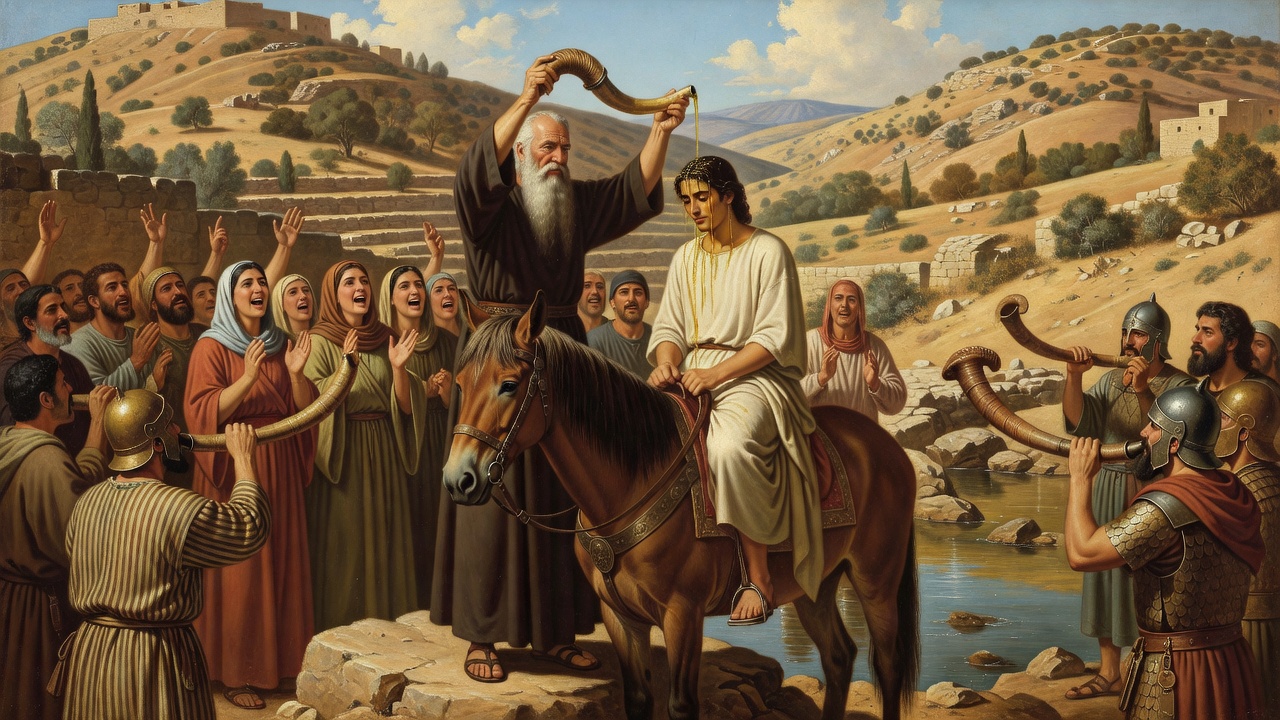
- Riding the king's own mule was a decisive public declaration of royal authority. By David's explicit instruction, Solomon was escorted down to the spring of Gihon, where Zadok anointed him king with oil taken from the tabernacle to the sound of ram's horns and popular celebration.Sources: Gihon · Zadok · the Bible text itself
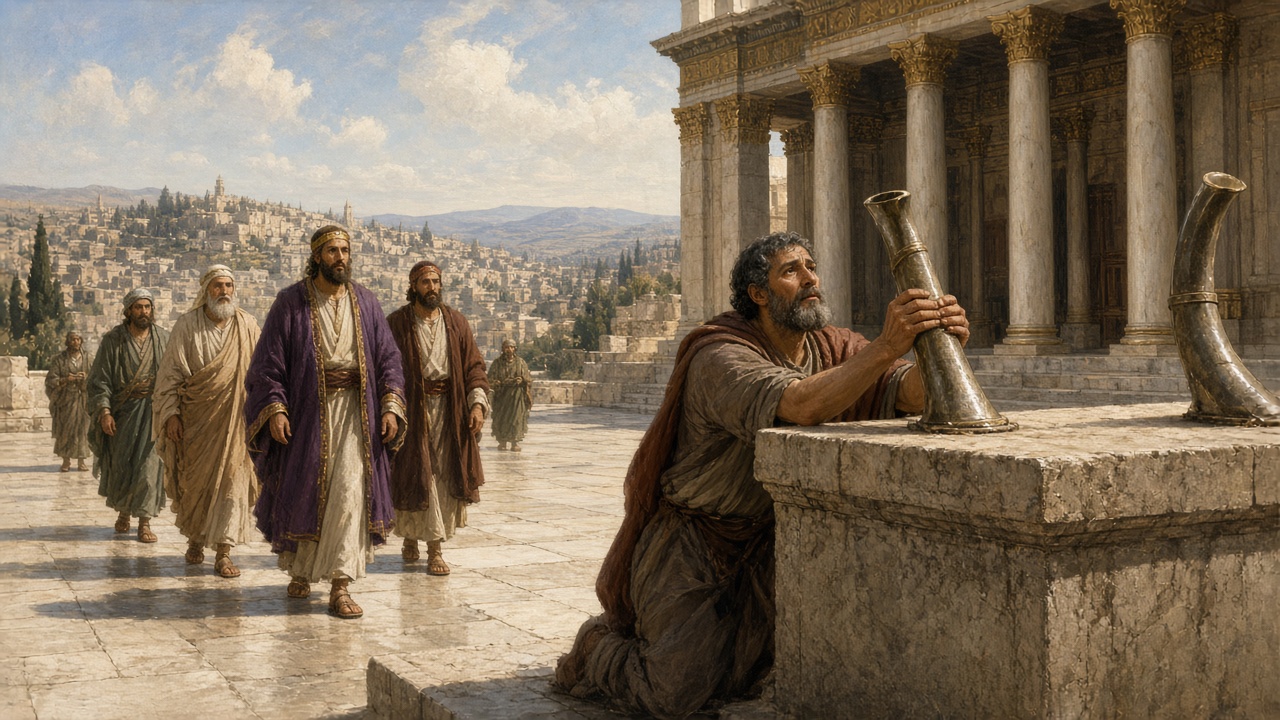
- Upon hearing of Solomon's public coronation, Adonijah fled in terror and sought asylum by taking hold of the horns of the sacrificial altar. Solomon granted him conditional clemency, sparing his life so long as he proved himself a worthy man.Sources: Adonijah · the Bible text itself
Notes written with AI assistance from open sources (Theographic Bible Metadata, CC BY-SA 4.0; Easton’s Bible Dictionary, public domain) and reviewed before publishing.
Places in this chapter
- Shunem · Today: Sulam · 32.606, 35.334 · verse 3
- Serpent’s Stone · Today: within 100 m of Bir Ayub · 31.767, 35.236 · verse 9
- Gihon · Today: Gihon Spring · 31.773, 35.236 · verses 33, 38, 44, 45
- Jerusalem · 31.777, 35.234 · verse 40
Only places identified with high confidence are shown (90% or more according to the scholarly sources compiled by OpenBible). Period map: DARE (Digital Atlas of the Roman Empire), CC BY 4.0; modern map: © OpenStreetMap contributors; places: OpenBible.info (CC BY 4.0).
Credits and license for this translation
Luda yã takada kũ Bisã yão
Portions of the Holy Bible in the Busa language of Nigeria
copyright © 2005 SIM International
Language: Bisã (Busa)
Translation by: SIM
This translation text is made available to you under the
terms of the Creative Commons License: Attribution-Noncommercial-No Derivative Works.
( http://creativecommons.org/licenses/by-nc-nd/3.0/ )
In addition, you have permission to port the text to different file formats, as long as you
do not change any of the text or punctuation of the Bible.
You may share, copy, distribute, transmit, and extract portions
or quotations from this work, provided that you include the above copyright
information:
You must give Attribution to the work.
You do not sell this work for a profit.
You do not make any derivative works that change any of the actual words or punctuation of the Scriptures.
Permissions beyond the scope of this license may be
available if you contact
us with your request.
This translation is made available to you under the terms of the
Creative Commons Attribution-Noncommercial-No Derivatives license 4.0.
You may share and redistribute this Bible translation or extracts from it in any format, provided that:
You include the above copyright and source information.
You do not sell this work for a profit.
You do not change any of the words or punctuation of the Scriptures.
Pictures included with Scriptures and other documents on this site are licensed just for use with those Scriptures and documents.
For other uses, please contact the respective copyright owners.
2014-10-10
Source: http://ebible.org/bqp/ · eBible.org