1 Corinthians 7
Luda yã takada kũ Bisã yão · Tap a verse to see its cross-references.
Nↄsɛnaa
1Takada kũ a kɛ̃̀ yã musu, à manamɛ gↄ̃gbɛ̃ gↄ̃ kun nↄ sari. 2Ama kũ pãpãkɛna dàgula yãi, gↄ̃gbɛ̃ sĩnda pínki gↄ̃ a nↄ vĩ, nↄgbɛ̃ sĩnda pínki gↄ̃ a gↄ̃ vĩ. 3Gↄ̃gbɛ̃ gↄ̃ pↄ́ kũ à kↄ̃ sìo kɛ a nanↄnɛ. Nↄgbɛ̃ gↄ̃ kɛ a zãnɛ lɛ se dↄ. 4Nↄgbɛ̃ mɛ̀ kun a zĩda pↄ́ ũro, sé a zã pↄ́ ũ. Lɛmɛ dↄ gↄ̃gbɛ̃ mɛ̀ kun a zĩda pↄ́ ũro, sé a nanↄ pↄ́ ũ. 5Àsun gíkↄ̃nɛro, séde a màkↄ̃nɛ de à laakari dↄ aduakɛnaaa gĩa, gbasa à á kɛna kɛ, de Setan sún ↄ̃ndↄ̃ kɛárɛ à fu mɛnaaro yãi. 6Lɛ́n ma dàáwa, adi kɛ tilasinlo. 7Má ye gbɛ̃ sĩnda pínki gↄ̃ de lán ma bà, ama baadi kũ a gba kũ Luda dànɛɛomɛ, gbɛ̃ dí kũ a pↄ́o, gbɛ̃ dire kũ a pↄ́o.
8Matɛn yã díkĩna o posenↄnɛ kũ gyaanↄnↄ. À mana ògↄ̃ kun ńdo lán ma bà, 9ama tó oni fↄ̃ ò ń zĩda kũro, ò nↄ sɛ́, ò zã kɛ, zaakũ kↄ̃sɛna mana de lukana kↄ̃ila.
10Matɛn yã ditɛ nↄdenↄnɛ kũ gↄ̃denↄ, adi kɛ makũnlo, Dikirimɛ. Nↄgbɛ̃ sún gí a zãiro, 11gↄ̃gbɛ̃ sún pɛ́ a nanↄaro. Tó nↄgbɛ̃ sù à gì a zãi, à gↄ̃ pose kesↄ̃ à ɛra a zãi.
12Matɛn o gbɛ̃ kparanↄnɛ, adi kɛ Dikiri mɛ́ à òro. Tó á gbɛ̃ke nↄ Yesusaride vĩ, akũ nↄ pì ye àgↄ̃ kú kãao lɛɛlɛ, àsun pɛ́aro. 13Lɛmɛ dↄ tó nↄgbɛ̃ gↄ̃ Yesusaride vĩ, akũ gↄ̃ pì ye àgↄ̃ kú kãao lɛɛlɛ, àsun gíiro. 14Zaakũ Luda dì gↄ̃ Yesusaride sí a nanↄ yãi, akũsↄ̃ àdi nↄ Yesusaride sí a zã yãi. Tó lɛnlo, ń nɛ́nↄ nigↄ̃ gbãsĩmɛ. Ama tera ń kunna adona. 15Tó Yesusaride pìi gìi, à gíi. Yã bire taka gũn ń kunna kũ kↄ̃o bi tilasinlo. Luda á sísi, à á sɛ́ àgↄ̃ kun aafiamɛ. 16Nↄgbɛ̃, ke ĩni n zã sura ba, ń dↄ̃ yá? Gↄ̃gbɛ̃, ke ĩni n nanↄ sura ba, ń dↄ̃ yá?
À zɛ kũ á gwenaao
17Baadi zɛ kũ a gwena kũ Luda a dìtɛnwo gↄrↄ kũ Dikiri a sìsi. Lɛn madì da sↄsi gbɛ̃nↄnɛ lɛ wɛ̃tɛ kũ wɛ̃tɛo pínki. 18Luda gbɛ̃ sìsi tↄ̃̀zↄ̃naden yá, àsun wɛtɛ à kɛ gyↄfↄrↄde ũro. Luda gbɛ̃ sìsi gyↄfↄrↄden yá, àsun tↄ̃̀ zↄ̃ro. 19Tↄ̃̀zↄ̃na yãke vĩro, akũsↄ̃ gyↄfↄrↄ yãke vĩro, sé àgↄ̃ yã kũ Luda dìtɛnↄ kũna. 20Lákũ baadi kun nà gↄrↄ kũ Luda a sìsi, à zɛo lɛ. 21Luda n sisi zↄ̀ ũn yá? Ǹsun a damu kɛro. Ama tó n su n gↄ̃ zĩdade ũ zɛ́ è, ǹ bo zↄ̀blenan. 22Zↄ̀ kũ Dikiri a sìsi gↄ̃̀ zĩdade ũ Dikiri pìi gũmmɛ. Lɛmɛ dↄ zĩdade kũ Dikiri a sìsii gↄ̃̀ Kirisi zↄ̀ ũ. 23Luda á lú, à fĩnaa bò. Àsun gↄ̃ bisãsiri zↄ̀ ũro. 24Ma gbɛ̃nↄ, lákũ baadi kun nà gↄrↄ kũ Luda a sìsi, à zɛ kũ Ludao lɛ.
Kɛfɛnnanↄ kũ nↄkparenↄ
25Kɛfɛnnanↄ kũ nↄkparenↄ yã musu mádi yãke ma Dikiri kĩnaaro, ama lákũ má náani vĩ Dikiri sùruu gũn nà, lán ma laasun de nàn mani oárɛ. 26Wɛ́tãmmana kũ à kun tera mɛ́ à tò, matɛn da à mana kũ gbɛ̃ zɛ kũ a kunnaao. 27Tó ń nↄ vĩ, ǹsun pi ĩni a gbarɛro. Tó ń vĩ sↄ̃ro, ǹsun wɛtɛ ǹ sɛ́ro. 28Tó n sɛ̀ sↄ̃, ńdi durunna kɛro. Tó nↄkpare zã kɛ̀ sↄ̃, adi durunna kɛro. Gbɛ̃ birenↄ ni yã le andunian, akũ má ye abire taka á lero. 29Ma gbɛ̃nↄ, yã kũ matɛn on dí: Gↄrↄ dí gↄ̃ zã̀ro. Zaa tera nↄdenↄ gↄ̃ lán gbɛ̃ kũ ò vĩronↄ bà. 30Ɔ́ↄdↄrinↄ gↄ̃ lán gbɛ̃ kũ òtɛn ↄ́ↄ dↄronↄ bà. Pↄnnadenↄ gↄ̃ lán gbɛ̃ kũ ń pↄ nnaronↄ bà. Pↄ́lurinↄ gↄ̃ lán gbɛ̃ kũ ò pↄ́ke vĩronↄ bà. 31Anduniablerinↄ gↄ̃ lán gbɛ̃ kũ òtɛn bleronↄ bà, zaakũ lákũ andunia dí kun nà tera tɛn gɛ̃tɛmɛ.
32Má ye àgↄ̃ kun damu sarimɛ. Pose dì laakari dↄ Dikiri yãnↄa, yã kũ à kɛ̀ Dikirigun àdi kɛ. 33Nↄde dì laakari dↄ andunia yãnↄa, yã kũ à kɛ̀ a nanↄgun àdi kɛ, 34akũ àdigↄ̃ kú kũ laasun plao. Nↄ pose ke nↄkpare dì laakari dↄ Dikiri yãnↄa, àdi a mɛ̀ kũ a ninio kpáa. Nↄzãre sↄ̃, àdi laakari dↄ andunia yãnↄa, yã kũ à kɛ̀ a zãgun àdi kɛ. 35Adi kɛ matɛn mↄ̀kakↄ̃ana kpáárɛnlo. Ma abirekũ ò á aafia yãimɛ, de à yã kɛ a zɛ́a, à á zĩda kpá Dikiria gu pãnde gwanaa sari.
36Tó gbɛ̃ nↄkpamma vĩ, tó a sɛ́gↄrↄ tɛn gɛ̃, akũ à kɛ̀nɛ wé'iyã ũ, tó à a kàka lán dí bà, à a sɛ́ lákũ à kɛ̀nɛ nà, adi kɛ durunna ũro. Ò kↄ̃ sɛ́. 37Ama tó à yã pìi bò a nɛ̀sɛmmɛ, akũ tilasi dí a kákaro, akũ à a zĩda kũna dↄ̃, tó à dà a swɛ̃̀n kũ áni a nↄkpare pì sɛ́ro, à kɛ̀ manamɛ. 38Lɛmɛ gbɛ̃ kũ à a pↄ́ sɛ̀ kɛ̀ mana, ama gbɛ̃ kũ adi a pↄ́ sɛ́ro kɛ̀ mana de abirekũla.
39Nↄgbɛ̃ bi a zã pↄ́mɛ gↄrↄ kũ a zã kú kũ wɛ̃̀ndiio. Tó a zã sù à andunia tò, à zɛ́ vĩ à zã kɛ kũ gↄ̃ kũ à yeiio, ama gↄ̃ pì gↄ̃ kun Dikiri pↄ́ ũ. 40Bee kũ abireo tó à gↄ̃̀ pose, matɛn da a pↄ nigↄ̃ nna de tó à zã kɛ̀la. Matɛn da makũ, má Luda Nini vĩ se.
Did you know?
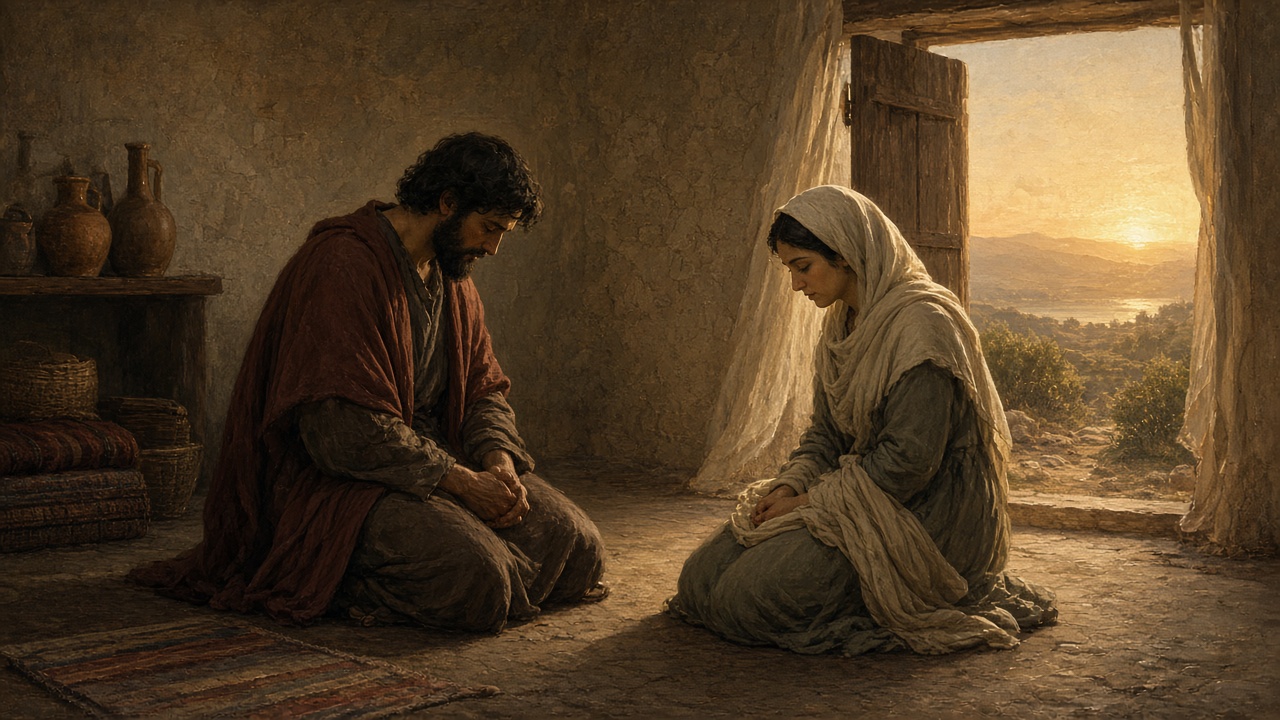
Counsel on marriage and the present crisis
- The chapter opens as a reply to matters the readers had written about. The writer says it is good to abstain from sexual relations, yet, because there is so much sexual immorality, each man should have his own wife and each woman her own husband. He presents this as a concession, not as a command, and says that each person has their own gift from God.Sources: the Bible text itself
- In marriage, the writer says the wife does not have authority over her own body, but the husband does, and likewise the husband does not have authority over his own body, but the wife does. They should not deprive each other except by mutual consent and for a time, so they may devote themselves to prayer, and then come together again, so that Satan will not tempt them through lack of self-control. Easton's Bible Dictionary (1897) presents the name Satan as “adversary” or “accuser,” and notes that he tempted Jesus in the wilderness.Sources: the Bible text itself · Satan
- The writer distinguishes a command he attributes to the Lord—a wife must not separate from her husband, and a husband must not divorce his wife—from his own judgment where he says he, not the Lord, is speaking, including marriages with an unbeliever and questions about virgins. Because of what he calls the present crisis, and because he says the time is short and this world in its present form is passing away, he thinks it good to remain as one is. He adds that to marry is not to sin, though those who marry will face troubles in this life.Sources: the Bible text itself
Notes written with AI assistance from open sources (Theographic Bible Metadata, CC BY-SA 4.0; Easton’s Bible Dictionary, public domain) and reviewed before publishing.
Credits and license for this translation
Luda yã takada kũ Bisã yão
Portions of the Holy Bible in the Busa language of Nigeria
copyright © 2005 SIM International
Language: Bisã (Busa)
Translation by: SIM
This translation text is made available to you under the
terms of the Creative Commons License: Attribution-Noncommercial-No Derivative Works.
( http://creativecommons.org/licenses/by-nc-nd/3.0/ )
In addition, you have permission to port the text to different file formats, as long as you
do not change any of the text or punctuation of the Bible.
You may share, copy, distribute, transmit, and extract portions
or quotations from this work, provided that you include the above copyright
information:
You must give Attribution to the work.
You do not sell this work for a profit.
You do not make any derivative works that change any of the actual words or punctuation of the Scriptures.
Permissions beyond the scope of this license may be
available if you contact
us with your request.
This translation is made available to you under the terms of the
Creative Commons Attribution-Noncommercial-No Derivatives license 4.0.
You may share and redistribute this Bible translation or extracts from it in any format, provided that:
You include the above copyright and source information.
You do not sell this work for a profit.
You do not change any of the words or punctuation of the Scriptures.
Pictures included with Scriptures and other documents on this site are licensed just for use with those Scriptures and documents.
For other uses, please contact the respective copyright owners.
2014-10-10
Source: http://ebible.org/bqp/ · eBible.org