1 Chronicles 27
Luda yã takada kũ Bisã yão · Tap a verse to see its cross-references.
Tɑbu kowobun sɔmɑ
1Wee Isireli be bɑ sinɑ bokon sɔmburu mɔ̀. Bɑ sɑ̃ɑwɑ yɛnu yɛ̃robu kɑ tɑbu kowobu nɔrɔm nɔrɔm kɑ wunɔm wunɔm wirugibu. Berɑ bɑ rɑ tɑbu kowobun wuunu kpɑre be bɑ rɑ n sɔmburu nɑɑmɔ suru kɑ suru, wɔ̃ɔ sɔɔ. Wuuru bɑɑtere tɑ sɑ̃ɑwɑ tɔmbu nɔrɔbun subɑ yɛndɑ nnɛ (24.000). 2Wuu nin bɑɑtere tɑ ten wirugii mɔ.
Suru gbiikoo sɔɔ, Yɑsobeɑmu, Sɑbudiɛlin bii, Perɛsin bweseru sɔɔ, wiyɑ u wuu gbiikii ten tɑbu sinɑmbu kpɑrɑ.
Suru yiruse sɔɔ, Dodɑi, Akosigiiwɑ u wuuru yiruse kpɑrɑ. Mɑ Mikoloti u sɑ̃ɑ win yiruse.
Suru itɑse sɔɔ, Bɛnɑyɑ, yɑ̃ku kowo Yehoyɑdɑn biiwɑ u wuuru itɑse kpɑrɑ. U sɑ̃ɑwɑ tɑbu durɔ wɔrugɔbɑ tɛnɑn turo. Wiyɑ u mɑɑ sɑ̃ɑ ben wirugii. Win bii Amisɑbɑdiwɑ u nùn kɔsire kuɑ u wuu te kpɑrɑ.
Suru nnɛse sɔɔ, Asɑɛli, Yoɑbun mɔɔwɑ u wuuru nnɛse kpɑrɑ. Yen biruwɑ win bii Sebɑdiɑ u nùn kɔsire kuɑ.
Suru nɔɔbuse sɔɔ, Sɑmɛhutu Yisirɑgiiwɑ u wuuru nɔɔbuse kpɑrɑ.
Suru nɔɔbɑ tiɑse sɔɔ, Yirɑ, Ikɛsin bii, Tekoɑgiiwɑ u wuuru nɔɔbɑ tiɑse kpɑrɑ.
Suru nɔɔbɑ yiruse sɔɔ, Helɛsi Pɑlonigii, Efɑrɑimun bwese kɛrɑ sɔɔ, wiyɑ u wuuru nɔɔbɑ yiruse kpɑrɑ.
Suru nɔɔbɑ itɑse sɔɔ, Sibekɑi Husɑgii, Serɑkin bwese kɛrɑ sɔɔ, wiyɑ u wuuru nɔɔbɑ itɑse kpɑrɑ.
Suru nɔɔbɑ nnɛse sɔɔ, Abiesɛɛ Anɑtɔtugii, Bɛnyɑmɛɛn bwese kɛrɑ sɔɔ, wiyɑ u wuuru nɔɔbɑ nnɛse kpɑrɑ.
Suru wɔkuruse sɔɔ, Mɑrɑi Nɛtofɑgii, Serɑkin bwese kɛrɑ sɔɔ, wiyɑ u wuuru wɔkuruse kpɑrɑ.
Suru wɔkurɑ tiɑse sɔɔ, Bɛnɑyɑ Pirɑtonigii, Efɑrɑimun bwese kɛrɑ sɔɔ, wiyɑ u wuuru wɔkurɑ tiɑse kpɑrɑ.
Suru wɔkurɑ yiruse sɔɔ, Hɛlidɑi Nɛtofɑgii, Otiniɛlin bwese kɛrɑ sɔɔ, wiyɑ u wuuru wɔkurɑ yiruse kpɑrɑ.
Bwese kɛrin wirugibu
16Wee be bɑ sɑ̃ɑ Isirelibɑn bwese kɛrin wirugibu.
Rubɛnin bwese kɛrɑ sɔɔ, Ɛliesɛɛ, Sikirin biiwɑ u sɑ̃ɑ wirugii.
Simɛɔn bwese kɛrɑ sɔɔ, Sefɑtiɑ, Mɑɑkɑn biiwɑ u sɑ̃ɑ wirugii.
17Lefin bwese kɛrɑ sɔɔ, Hɑsɑbiɑ, Kemuɛlin biiwɑ u sɑ̃ɑ wirugii.
Aronin bibun bweseru sɔɔ, Sɑdɔkuwɑ u sɑ̃ɑ wirugii.
18Yudɑn bwese kɛrɑ sɔɔ, Elihu, Dɑfidin mɛro bisibu sɔɔ, wiyɑ u sɑ̃ɑ wirugii.
Isɑkɑrin bwese kɛrɑ sɔɔ, Omiri, Mikɑɛlin biiwɑ u sɑ̃ɑ wirugii.
19Sɑbulonin bwese kɛrɑ sɔɔ, Yisimɑyɑ, Abudiɑsin biiwɑ u sɑ̃ɑ wirugii.
Nɛfitɑlin bwese kɛrɑ sɔɔ, Yerimɔti, Asiriɛlin biiwɑ u sɑ̃ɑ wirugii.
20Efɑrɑimun bibun bweseru sɔɔ, Hosee, Asɑsiɑn biiwɑ u sɑ̃ɑ wirugii.
Mɑnɑsen bwese kɛrɑn sukumgibu sɔɔ, be bɑ wɑ̃ɑ sɔ̃ɔ duu yeru giɑ, Yoɛli, Pedɑyɑn biiwɑ u sɑ̃ɑ wirugii.
21Mɑnɑsen bwese kɛrɑn sukumgibu sɔɔ, be bɑ mɑɑ wɑ̃ɑ sɔ̃ɔ yɑri yeru giɑ, Gɑlɑdin temɔ, Ido, Sɑkɑrin biiwɑ u sɑ̃ɑ wirugii.
Bɛnyɑmɛɛn bwese kɛrɑ sɔɔ, Yɑɑsiɛli, Abunɛɛn biiwɑ u sɑ̃ɑ wirugii.
22Dɑnun bwese kɛrɑ sɔɔ, Asɑrɛli, Yerohɑmun biiwɑ u sɑ̃ɑ wirugii.
Tɔn beni kpurowɑ bɑ sɑ̃ɑ Isirelibɑn bwese kɛrin wirugibu.
23Dɑfidi u ǹ Isirelibɑ gɑrɑ be bɑ wɔ̃ɔ yɛndu mɔ kɑ be bɑ ǹ turɑ mɛ, yèn sɔ̃ Yinni Gusunɔ u nɔɔ mwɛɛru kuɑ mɑ u koo Isirelibɑ dɑbiɑsiɑ nge wɔllun kperi. 24Yoɑbu, Seruyɑn biiwɑ u rɑɑ Isirelibɑ gɑribu toruɑ, mɑ yɑ Yinni Gusunɔ mɔru kuɑ. Yen sɔ̃nɑ u ǹ ye kurɑsie. Adɑmɑ bɑ ǹ tɔn be bɑ gɑrɑ min geeru yoruɑ sinɑ boko Dɑfidin wɑ̃ɑrun fɑɑgin tireru sɔɔ.
Dɑfidin sɔm kowobu gɑbu
25Asimɑfɛti, Abudiɛlin biiwɑ u rɑ sinɑ bokon ɑrumɑni bere.
Yonɑtɑm, Osiɑsin biiwɑ u rɑ mɑɑ gbeɑn dĩɑnu bere, wuu mɑrosuginu kɑ bɑru kpɑɑnuginu, kɑ sere kɔ̃su yenuginu.
26Ɛsiri, Kelubun bii wiyɑ u sɑ̃ɑ be bɑ gbeɑn sɔmɑ mɔ̀n wirugii.
27Simɛi, Rɑmɑgii, wiyɑ u sɑ̃ɑ resɛm gbɑɑ sɔm kowobun wirugii.
Sɑbidi Sefɑmugii, wiyɑ u sɑ̃ɑ mi bɑ rɑ tɑm bere kpuron wirugii.
28Bɑɑli Hɑnɑni, Gedɛɛgii, wiyɑ u rɑ dɑ̃ɑ ye bɑ mɔ̀ olifi kɑ sikɑmɔre ye yɑ wɑ̃ɑ wɔwɑ ye bɑ mɔ̀ Sefɑlɑɔn wunɑnɔsu ko.
Yoɑsi, wiyɑ u mɑɑ sɑ̃ɑ gum beru yenun wirugii.
29Sitɑrɑi Sɑronigii, wiyɑ u rɑ kɛtɛ yi bɑ kpɑrɑmɔ Sɑroniɔn wunɑnɔsu ko.
Sɑfɑti, Adilɑin bii, wiyɑ u rɑ mɑɑ kɛtɛ yi bɑ kpɑrɑmɔ wɔwi sɔɔn wunɑnɔsu ko.
30Obili, Isimɛɛli, wiyɑ u rɑ yooyoo si bɑ mɔn wunɑnɔsu ko.
Yesidiɑ Mɛronɔtugii, wiyɑ u rɑ mɑɑ kɛtɛku ninu ni bɑ mɔn wunɑnɔsu ko.
31Yɑsisi Hɑgɑrenigii, wiyɑ u rɑ yɑ̃ɑ ni bɑ mɔn wunɑnɔsu ko.
Beni kpurowɑ bɑ sinɑ boko Dɑfidin ɑrumɑnin wunɑnɔsu mɔ̀.
Sinɑ bokon gerunɑsibu
32Yonɑtɑm, Dɑfidin dusiwɑ u sɑ̃ɑ win bwisi kɛ̃ɔ. Yonɑtɑm wi, u bwisi kɑ yɛ̃ru mɔ too. Yehiɛli, Hɑkumɔnin bii wiyɑ u sɑ̃ɑ sinɑ bokon bibun keu koosio. 33Ahitofɛli u mɑɑ sɑ̃ɑwɑ sinɑ bokon bwisi kɛ̃ɔ. Usɑi Aɑkigii, wiyɑ u sɑ̃ɑ sinɑ bokon bɔ̃ɔ kpɑɑsi. 34Ahitofɛlin biru, Yehoyɑdɑ, Bɛnɑyɑn bii kɑ Abiɑtɑɑ, beyɑ bɑ mɑɑ kuɑ win bwisi kɛ̃ɔbu. Mɑ Yoɑbu u sɑ̃ɑ win tɑbu sunɔ.
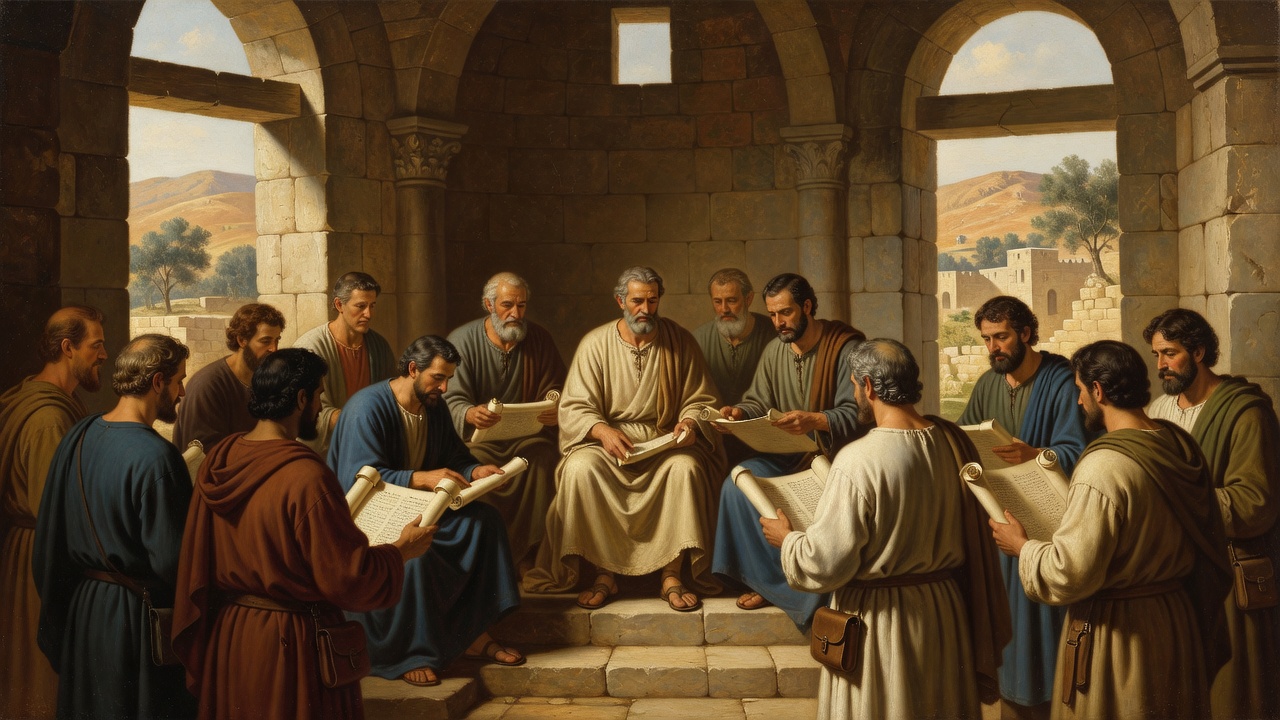
Did you know?
Organization of the Royal Army and Administration
- David organized the army into twelve monthly divisions of 24,000 men each, totaling 288,000 troops throughout the year. Each division served on rotating duty for a single month under a designated commander, ensuring national readiness while allowing soldiers to return to their civilian lives.Sources: the Bible text itself
- The administration of the kingdom included specialized overseers appointed to manage King David's vast agricultural estates, storehouses, vineyards, and livestock. Officials were stationed across diverse regions, including the fertile plain of Sharon and the foothills, overseeing herds, camels, donkeys, and flocks.Sources: the Bible text itself · Saron
- David's inner court included trusted personal advisors alongside military and tribal leaders. Among these counselors were his uncle Jonathan, noted for his insight and work as a scribe, Ahithophel, and Hushai the Archite, who held the distinctive title of the king's friend.Sources: the Bible text itself · Ahithophel
Notes written with AI assistance from open sources (Theographic Bible Metadata, CC BY-SA 4.0; Easton’s Bible Dictionary, public domain) and reviewed before publishing.
Places in this chapter
- Tekoa · Today: Khirbet Teku’a · 31.632, 35.210 · verse 9
- Gilead · Today: Gilead 1 · 32.187, 35.692 · verse 21
- Shepham · Today: within 100 km of Hermel · 34.397, 36.387 · verse 27
- Shephelah · 31.692, 34.875 · verse 28
- Sharon · Today: Sharon Plain · 32.400, 34.883 · verse 29
Only places identified with high confidence are shown (90% or more according to the scholarly sources compiled by OpenBible). Period map: DARE (Digital Atlas of the Roman Empire), CC BY 4.0; modern map: © OpenStreetMap contributors; places: OpenBible.info (CC BY 4.0).
Credits and license for this translation
Luda yã takada kũ Bisã yão
Portions of the Holy Bible in the Busa language of Nigeria
copyright © 2005 SIM International
Language: Bisã (Busa)
Translation by: SIM
This translation text is made available to you under the
terms of the Creative Commons License: Attribution-Noncommercial-No Derivative Works.
( http://creativecommons.org/licenses/by-nc-nd/3.0/ )
In addition, you have permission to port the text to different file formats, as long as you
do not change any of the text or punctuation of the Bible.
You may share, copy, distribute, transmit, and extract portions
or quotations from this work, provided that you include the above copyright
information:
You must give Attribution to the work.
You do not sell this work for a profit.
You do not make any derivative works that change any of the actual words or punctuation of the Scriptures.
Permissions beyond the scope of this license may be
available if you contact
us with your request.
This translation is made available to you under the terms of the
Creative Commons Attribution-Noncommercial-No Derivatives license 4.0.
You may share and redistribute this Bible translation or extracts from it in any format, provided that:
You include the above copyright and source information.
You do not sell this work for a profit.
You do not change any of the words or punctuation of the Scriptures.
Pictures included with Scriptures and other documents on this site are licensed just for use with those Scriptures and documents.
For other uses, please contact the respective copyright owners.
2014-10-10
Source: http://ebible.org/bqp/ · eBible.org