Revelation 3
Bibeli Luayãtaalá · Tap a verse to see its cross-references.
Saadi
1Kɛ̃ Saadi Yesudeↄ dↄaanaɛ: Ma gbɛ̃́ pↄ́ má Lua Nisĩna mɛ̀n soplaↄ ń saana mɛ̀n soplaↄ kũa, mámɛ ma yã́ɛ bee ò. Má n yãkɛaↄ dↄ̃. Kua bɛ̃́ɛ tↄ́ mɛ́ dↄma, ãma gɛn n ũ. 2Vu, gbɛ̃́ pↄ́ gↄ̃̀nɛↄ lɛ́ ń láo e aaↄ gɛ́ gai, asa má è n yã́e bↄlɛia ma Luaɛo. 3A yã́i tò yã́ pↄ́ ń mà mɛ́ ń sì, to àↄ dↄngu, níↄ kũa, ní nↄ̀sɛlilɛ. Tó ni vuo, má mↄma lán kpã́iwa, mɛ́ ńyↄ̃ↄ zaa pↄ́ má mↄ́wà dↄ̃o. 4Kási ń gbɛ̃́ↄ vĩ Saadi we yↄↄ aai ń pↄkasa gbãsĩkpao. Wá bɛbɛ sãnu ń pↄ́ puao, asa aa kà a lɛ́i. 5Màa gbɛ̃́ pↄ́ zĩblè aↄ pↄkasa pua daa. Má aà tↄ́ dɛ àizãna taalau bauo. Má zɛaànↄ ma Mae ń a malaikaↄ aɛ. 6Gbɛ̃́ pↄ́ nↄ̀sɛ vĩ, aà yã́ pↄ́ Lua Nisĩna lɛ́ o Yesudeↄnɛ ma.
Filadɛlifi
7Kɛ̃ Filadɛlifi Yesudeↄ dↄaanaɛ: Ma kuaadoade sĩande, má Davidi kilinɛ kũa, mi zɛwɛ̃ gbɛ̃e lí fↄ̃ tào, mi zɛta gbɛ̃e lí fↄ̃ wɛ̃̀o, mámɛ ma yã́ɛ bee ò. 8Má n yãkɛaↄ dↄ̃. Ma, ma zɛwɛ̃̀nɛ n aɛ, gbɛ̃e a fↄ̃ tao. Baa tó n gbãa bílao, ń ma yã́ kũa, ni lelekpamazio. 9Setãu lousisikpɛ gbɛ̃́ pↄ́ aaì ńzĩa dilɛ Yudaↄ ũ mɛ́ aa dɛ a ũoↄ, má tó ɛɛdepiↄ mↄ kúlɛnɛ, aai dↄ̃ kɛ́ má yenzi. 10Lá ń mɛna yã́ pↄ́ má dìlɛnɛ kũa, má n si taasi pↄ́ lɛ́ mↄ́ dṹnia bṹuwa à gbɛ̃́ pↄ́ aa ku tↄↄlɛↄ yↄ̃wa. 11Má mↄ́ tia. Ɔdidi yã́ pↄ́ ń kũawa, kɛ́ gbɛ̃e su n ài simao yã́i. 12Má gbɛ̃́ pↄ́ zĩblè kɛ ma Lua kpɛ́ gbapɛlɛ ũ. A bↄu bauo. Má a Lua tↄ́ kɛ̃́wà ń ma Lua wɛ̃́lɛ Yelusalɛũ dafu pↄ́ a bↄ aà kĩ́i musu tↄ́o ń ma tↄ́ dafuo. 13Gbɛ̃́ pↄ́ nↄ̀sɛ vĩ, aà yã́ pↄ́ Lua Nisĩna lɛ́ o Yesudeↄnɛ ma.
Laodisi
14Kɛ̃ Laodisi Yesudeↄ dↄaanaɛ: Ma gbɛ̃́ pↄ́ wì omɛɛ Ãmi, ma seelade náaide sĩande, ma gbɛ̃́ pↄ́ má dɛ pↄ́ pↄ́ Lua kɛ̀ↄ zĩ́na ũ, mámɛ ma yã́ɛ bee ò. 15Má n yãkɛaↄ dↄ̃. Ń niɛo mɛ́ ń wãao. Má ye ǹyↄ̃ niɛ ge wãa. 16Lá ń lↄ̀ↄlↄↄɛ, ń wãao mɛ́ ń niɛo, má n pisiɛ. 17Ni mɛ ↄde àizɛɛde pↄ́ pↄe wɛ̃na vĩon n ũ. Ń dↄ̃ kɛ́ gbɛ̃pã pua baakɛna wɛ̃nade taaside vĩ̀an n ũo. 18Málɛ lɛdama, vua baasaa lu ma kĩ́i, ní kɛ ↄde ũ. Pↄkasa pua lu ǹ da, ní n puizi ulɛ ǹ bↄ wíu. Wɛ́ ɛsɛ lu ǹ ka n wɛ́u, ní gu'e. 19Mi gbɛ̃́ pↄ́ má yeńziↄ swã́gaga, mi ń toto. A yã́i tò, ãiakɛ, ní nↄ̀sɛlilɛ. 20Gwa, má zɛa kpɛɛlɛ, málɛ ↄtaalɛ. Tó gbɛ̃́ ma lↄↄ mà mɛ́ à zɛwɛ̃̀mɛɛ, má gɛ̃ pↄbleaànↄ, i blemanↄ. 21Má gbɛ̃́ pↄ́ zĩblè gba zɛ́ aà zↄ̃lɛmanↄ báawa, lá mapi ma zĩblè ma zↄ̃lɛ ń ma Maeo báawawa. 22Gbɛ̃́ pↄ́ nↄ̀sɛ vĩ, aà yã́ pↄ́ Lua Nisĩna lɛ́ o Yesudeↄnɛ ma.
Did you know?
Letters to Sardis, Philadelphia, and Laodicea
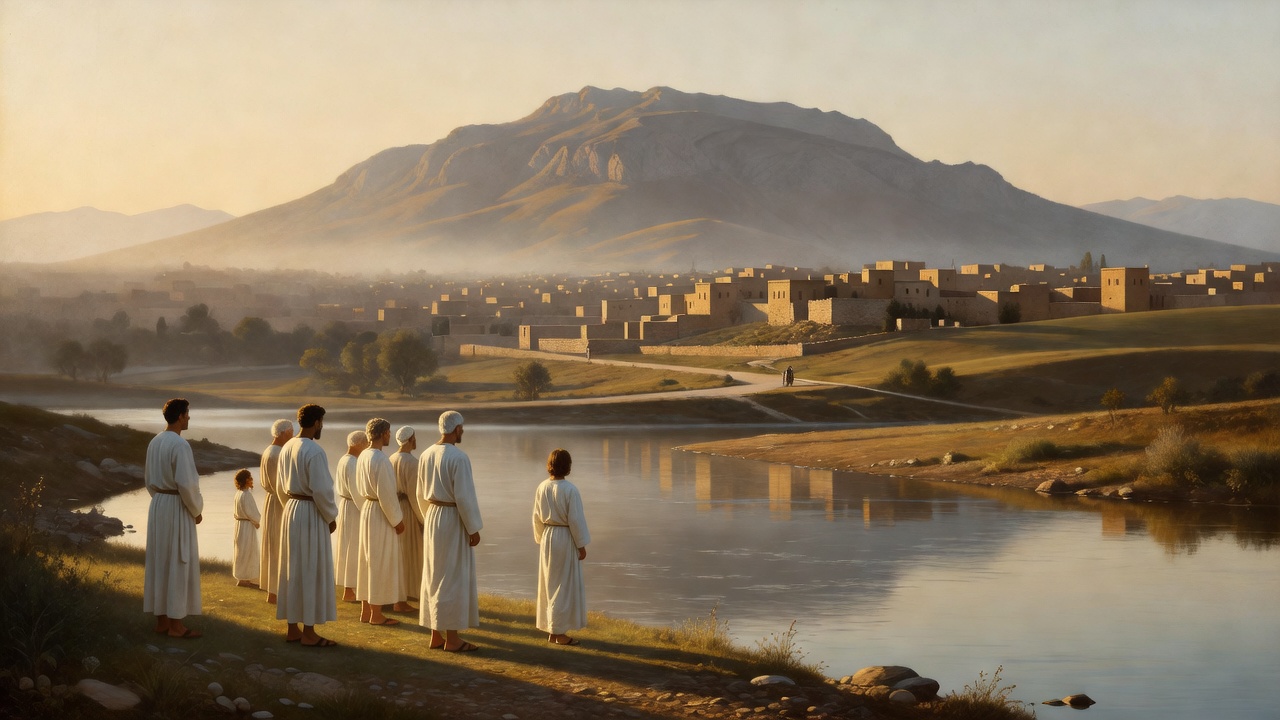
- Revelation 3 is a set of letters to churches in three cities of Asia Minor. Sardis, the metropolis of Lydia, stood on the river Pactolus at the foot of Mount Tmolus. Philadelphia, a name that means “brotherly love,” lay about twenty-five miles southeast of Sardis, while Laodicea stood on the Lycus, where Phrygia and Lydia meet, about forty miles east of Ephesus.Sources: Sardis · Philadelphia · Laodicea · the Bible text itself
- Laodicea was first called Diospolis and then Rhoas. It was later named Laodicea after Laodice, the wife of Antiochus II, king of Syria, who rebuilt it. Easton's Bible Dictionary (1897) calls it one of the most important and flourishing cities of Asia Minor and an early leading center of Christianity; in the letter, that church is said to claim that it is rich, has grown wealthy, and needs nothing.Sources: Laodicea · the Bible text itself
- The letter to Philadelphia speaks of a “synagogue of Satan” and of people who claim to be Jews but whom it calls liars. Satan means “adversary” or “accuser,” and in the New Testament the name is used interchangeably with the devil.Sources: Satan · the Bible text itself
Notes written with AI assistance from open sources (Theographic Bible Metadata, CC BY-SA 4.0; Easton’s Bible Dictionary, public domain) and reviewed before publishing.
Places in this chapter
- Sardis · 38.488, 28.040 · verses 1, 4
- Philadelphia · Today: Alaşehir · 38.350, 28.517 · verse 7
- Jerusalem · 31.777, 35.234 · verse 12
- Laodicea · Today: Laodicea on the Lycus · 37.836, 29.108 · verse 14
Only places identified with high confidence are shown (90% or more according to the scholarly sources compiled by OpenBible). Period map: DARE (Digital Atlas of the Roman Empire), CC BY 4.0; modern map: © OpenStreetMap contributors; places: OpenBible.info (CC BY 4.0).
Credits and license for this translation
Bibeli Luayãtaalá
The Holy Bible in the Boko language spoken in Benin and Nigeria
copyright © 2010 SIM International
Language: Boko
Translation by: SIM International
Boko Bibeli Luayãtaala
This translation, published by the SIM au Benin, was published in 2010.
If you are interested in obtaining a printed copy, please contact the SIM at ECWA/SIM H.Q., P.M.B. 2009, Jos, Plateau State, NIGERIA.
This translation text is made available to you under the
terms of the Creative Commons License: Attribution-Noncommercial-No Derivative Works.
( http://creativecommons.org/licenses/by-nc-nd/3.0/ )
In addition, you have permission to port the text to different file formats, as long as you
do not change any of the text or punctuation of the Bible.
You may share, copy, distribute, transmit, and extract portions
or quotations from this work, provided that you include the above copyright
information:
You must give Attribution to the work.
You do not sell this work for a profit.
You do not make any derivative works that change any of the actual words or punctuation of the Scriptures.
Permissions beyond the scope of this license may be
available if you contact
us with your request.
This translation is made available to you under the terms of the
Creative Commons Attribution-Noncommercial-No Derivatives license 4.0.
You may share and redistribute this Bible translation or extracts from it in any format, provided that:
You include the above copyright and source information.
You do not sell this work for a profit.
You do not change any of the words or punctuation of the Scriptures.
Pictures included with Scriptures and other documents on this site are licensed just for use with those Scriptures and documents.
For other uses, please contact the respective copyright owners.
2014-09-25
Source: http://ebible.org/bqcsim/ · eBible.org