Psalms 90
Bibeli Luayãtaalá · Tap a verse to see its cross-references.
Lua ń gbɛ̃nazĩnao
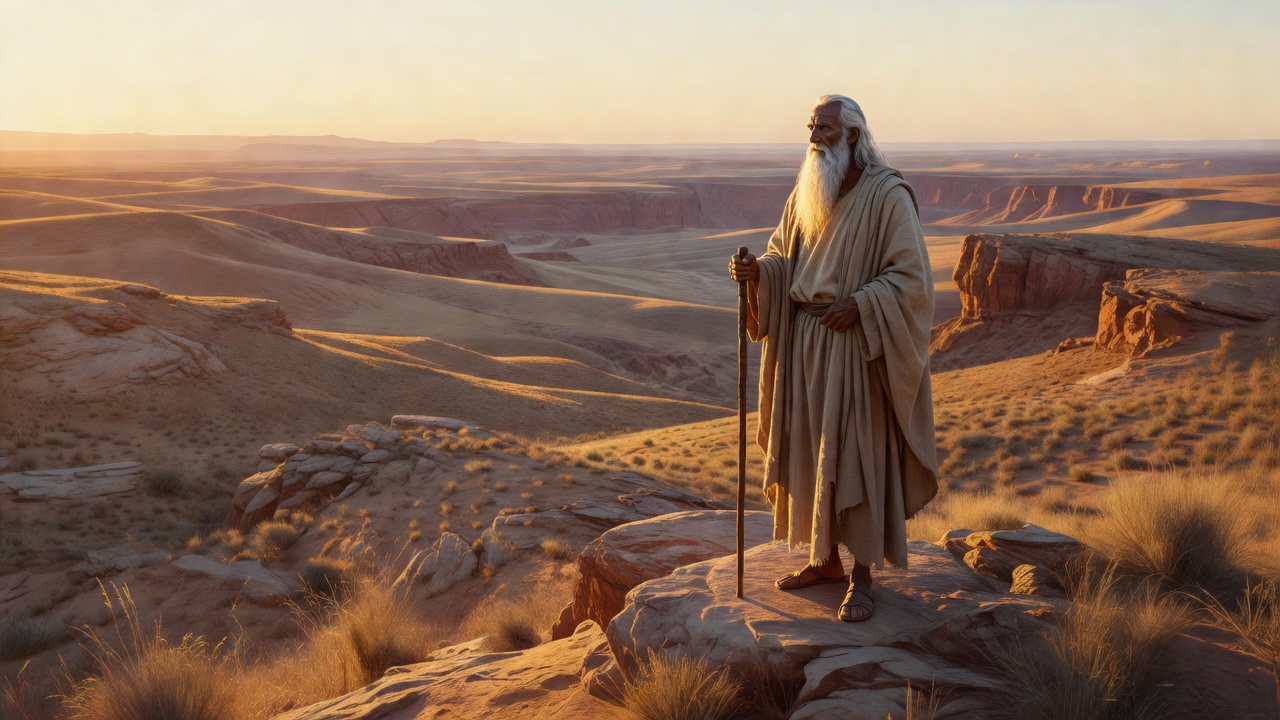
Lua gbɛ̃́ Mↄizi wabikɛa.
1Dii, wá ulɛkĩin n ũ wɛ̃ ń wɛ̃o.
2E ǹyↄ̃ gɛ́ gbɛ̀sĩsĩↄ kɛi,
e ǹyↄ̃ gɛ́ tↄↄlɛ ń dṹniao kálɛi,
Luan n ũ za asĩnizĩ e gↄↄpii.
3Ni dilɛ gbɛ̃nazĩnaɛ aà gɛ̃ tɛ̃́ɛnau,
ni to aà ɛa gↄ̃ bùsuti ũ.
4Wɛ̃̀ ↄ̀aa sↄo dɛnɛ lán gↄↄ dowa,
ì gɛ̃nɛ lán gĩa ge gwãasĩnawa.
5Ni to i dańla aai gaga,
aa dɛ lán sɛ̃ pↄ́ ì bↄlɛ kↄↄwa,
6ì bↄlɛ kↄↄ, i gbã́,
ì i'o oosi, i giigaga.
7N pↄkũma ì wá suumpa,
n kòlokɛa ì gili gɛ̃wágu.
8Wá yãvãiↄ kálɛa n aɛ,
wá asiiyãↄ bↄ̀ gupuau n kuu.
9Wá gↄↄ ì gɛ̃kↄ̃u n kpɛ̃nɛ yã́i,
wá wɛ̃ni ì midɛ wá wea dóũdoũnau.
10Wá wɛ̃ ì ka bàaↄ̃kwi taawa,
tó wá gbãa sↄ̃, basiiↄ̃.
Wɛ̃piↄ guu baa a pↄ́ pↄ́ na
ì mↄ́ ń taasio ń pↄsiaoɛ,
ì gɛ̃zɛa kpakpa, ↄ̃ wi kpagui.
11Démɛ n pↄkũma gbãa lɛ́ dↄ̃i?
Démɛ n kpɛ̃nɛ lɛ́ dↄ̃ à vĩakɛɛ̀i?
12Dadawɛ̃ɛ wàↄ wá wɛ̃ni dↄ̃ màa,
kɛ́ wà ↄ̃nↄ e wá sↄ̃ guu.
13Dii, ńyↄ̃ ɛa wá wɛgwa bↄɛ ni?
Wɛ̃nadↄ̃ n zↄ̀blenaↄnɛ.
14Tó gu dↄ̀, to n gbɛ̃kɛ mↄ́wá,
wíↄ pↄnakɛ ń gulakɛao gↄↄpii.
15Wá gba pↄna ↄ pↄ́ ń tↄ̃̀wá gↄↄ lɛ́u,
taasi pↄ́ wá kɛ̀ wɛ̃̀ lɛ́u.
16Ǹ n yãkɛaↄ ↄlↄ n zↄ̀blenaↄnɛ,
ní tó wá nɛ́ↄ n iko gbãa dↄ̃.
17Dii wá Lua, báaadawágu nana,
ɛ̀fãaida wá zĩu wàↄ kã́fĩakɛ,
ao, ɛ̀fãaida wá zĩu wàↄ kã́fĩakɛ.
Did you know?
A Prayer on Mortality and God's Eternity
- The superscription identifies this text as a prayer of Moses, describing him as the man of God. It is the only psalm in the biblical collection traditionally attributed to him.Sources: the Bible text itself · Moses
- The psalm contrasts divine eternity with the fragility of human existence, comparing a thousand years in God's sight to a single passing day or a night watch, and human life to grass that springs up in the morning and withers by evening.Sources: the Bible text itself
Notes written with AI assistance from open sources (Theographic Bible Metadata, CC BY-SA 4.0; Easton’s Bible Dictionary, public domain) and reviewed before publishing.
Credits and license for this translation
Bibeli Luayãtaalá
The Holy Bible in the Boko language spoken in Benin and Nigeria
copyright © 2010 SIM International
Language: Boko
Translation by: SIM International
Boko Bibeli Luayãtaala
This translation, published by the SIM au Benin, was published in 2010.
If you are interested in obtaining a printed copy, please contact the SIM at ECWA/SIM H.Q., P.M.B. 2009, Jos, Plateau State, NIGERIA.
This translation text is made available to you under the
terms of the Creative Commons License: Attribution-Noncommercial-No Derivative Works.
( http://creativecommons.org/licenses/by-nc-nd/3.0/ )
In addition, you have permission to port the text to different file formats, as long as you
do not change any of the text or punctuation of the Bible.
You may share, copy, distribute, transmit, and extract portions
or quotations from this work, provided that you include the above copyright
information:
You must give Attribution to the work.
You do not sell this work for a profit.
You do not make any derivative works that change any of the actual words or punctuation of the Scriptures.
Permissions beyond the scope of this license may be
available if you contact
us with your request.
This translation is made available to you under the terms of the
Creative Commons Attribution-Noncommercial-No Derivatives license 4.0.
You may share and redistribute this Bible translation or extracts from it in any format, provided that:
You include the above copyright and source information.
You do not sell this work for a profit.
You do not change any of the words or punctuation of the Scriptures.
Pictures included with Scriptures and other documents on this site are licensed just for use with those Scriptures and documents.
For other uses, please contact the respective copyright owners.
2014-09-25
Source: http://ebible.org/bqcsim/ · eBible.org