Psalms 88
Bibeli Luayãtaalá · Tap a verse to see its cross-references.
Kua ga lɛ́zĩ wiilɛa
1Ɛzala bui Emani lɛ.
2Dii Lua ma Suabana,
málɛ wiilɛma fãanɛ ń gwãasĩnao.
3To ma wabikɛa kama,
swã́kpa ma wiilɛai.
4Asa yã'ↄ̃ma kↄ̃̀ ma nↄ̀sɛuɛ,
ma wɛ̃ni sↄ̃̀ ɛ̀ lɛ́i.
5Wà ma da gbɛ̃́ pↄ́ aalɛ si bɛdauↄu,
ma gↄ̃ lán yɛ̃̀ɛɛsaidewa.
6Wà ma ya ma kpa gɛↄ guu
lán gbɛ̃́ pↄ́ wúlɛa miau sↄlↄlↄↄwa.
An yã́ dↄngu lↄo, aa bↄ̀ n ↄu.
7N ma zu ɛ̀ zòolo guu
e tↄↄlɛ nↄna gbã́o gusiau.
8N pↄkũma tↄ̃̀a,
a ísↄ̃ lɛ́ ma lɛ́.
9Ń tò ma gbɛ̃́ↄ ma vũaa,
ń tò aa ye ma gĩyãio.
Wà ma kaka, bↄkĩi kuo.
10Ĩadama ma wɛ́ siakũ̀,
málɛ lɛzunzi za kↄↄ e oosi,
ma ↄↄ dↄanzi.
11Gɛↄ ni yãbↄnsaɛkɛnɛ́a?
Gyaadeↄ mɛ́ aaì fɛlɛ n sáaukpaa?
12Wì n gbɛ̃kɛ galikɛ miau yã̀?
Wì n náaiyã'ò kaalɛu yã̀?
13Wa n dabudabuↄ dↄ̃ a gusiau yã̀?
N maakɛaↄ dↄ̃a ku wɛ́sia guu yã̀?
14Dii, mi wiilɛma,
ma wabikɛa kↄↄ ì ka n kĩ́i.
15Bↄ́yãi ńlɛ gímazii, Dii?
Àkɛa n mikpɛlìmɛɛi?
16Má kú ga lɛ́zĩ wɛ̃nannↄ za ma ɛ̀waasogↄↄ,
n wɛ́tɛ̃amↄanɛ́ tↄ̃̀a, ma gↄ̃ sã̀ii.
17N pↄpaamazi mà ma mia,
n vĩa pↄ́ↄ lɛ́ ma midɛ.
18A daamala lán íwa za kↄↄ e oosi,
à kũ̀aaa míↄmiↄ.
19Ń tò ma gbɛ̃́ yenzideↄ ma vũaa,
gusia mɛ́ gↄ̃̀ ma gbɛ̃na ũ.
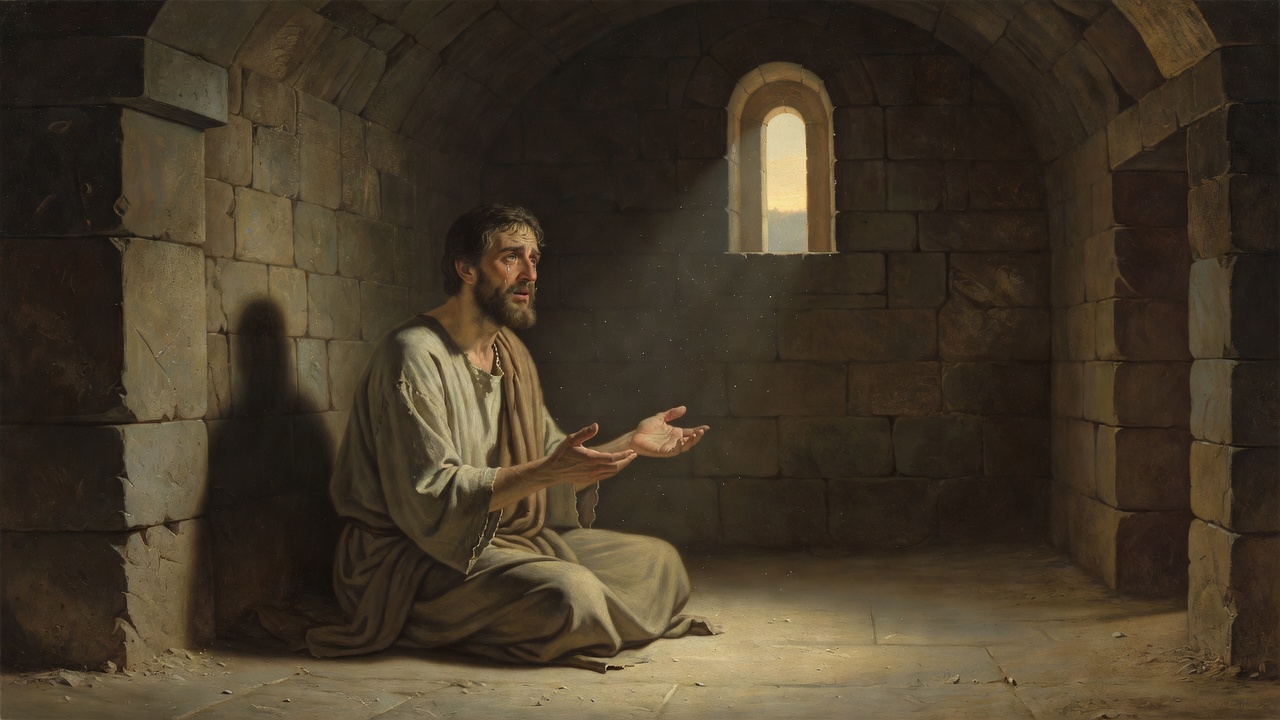
Did you know?
A Cry from Deep Darkness
- The superscription designates this song as a psalm of the sons of Korah and a Maskil of Heman the Ezrahite, directed according to Mahalath Leannoth.Sources: the Bible text itself
- The speaker depicts the realm of the dead using several terms, including Sheol, the Pit, Abaddon, and the land of oblivion. The text poses rhetorical questions about whether God's wonders and faithfulness can be known or praised from such places.Sources: the Bible text itself
- Unlike many biblical laments that transition into expressions of confidence or praise, Psalm 88 sustains an unrelieved tone of suffering and isolation, ending with darkness described as the speaker's closest companion.Sources: the Bible text itself
Notes written with AI assistance from open sources (Theographic Bible Metadata, CC BY-SA 4.0; Easton’s Bible Dictionary, public domain) and reviewed before publishing.
Credits and license for this translation
Bibeli Luayãtaalá
The Holy Bible in the Boko language spoken in Benin and Nigeria
copyright © 2010 SIM International
Language: Boko
Translation by: SIM International
Boko Bibeli Luayãtaala
This translation, published by the SIM au Benin, was published in 2010.
If you are interested in obtaining a printed copy, please contact the SIM at ECWA/SIM H.Q., P.M.B. 2009, Jos, Plateau State, NIGERIA.
This translation text is made available to you under the
terms of the Creative Commons License: Attribution-Noncommercial-No Derivative Works.
( http://creativecommons.org/licenses/by-nc-nd/3.0/ )
In addition, you have permission to port the text to different file formats, as long as you
do not change any of the text or punctuation of the Bible.
You may share, copy, distribute, transmit, and extract portions
or quotations from this work, provided that you include the above copyright
information:
You must give Attribution to the work.
You do not sell this work for a profit.
You do not make any derivative works that change any of the actual words or punctuation of the Scriptures.
Permissions beyond the scope of this license may be
available if you contact
us with your request.
This translation is made available to you under the terms of the
Creative Commons Attribution-Noncommercial-No Derivatives license 4.0.
You may share and redistribute this Bible translation or extracts from it in any format, provided that:
You include the above copyright and source information.
You do not sell this work for a profit.
You do not change any of the words or punctuation of the Scriptures.
Pictures included with Scriptures and other documents on this site are licensed just for use with those Scriptures and documents.
For other uses, please contact the respective copyright owners.
2014-09-25
Source: http://ebible.org/bqcsim/ · eBible.org