Psalms 37
Bibeli Luayãtaalá · Tap a verse to see its cross-references.
Gbɛ̃maaↄ ń gbɛ̃vãiↄ zia
Davidi lɛ.
1Ńsu to gbɛ̃vãiↄ yã́ n kũ gbãao,
ńsu vãikɛnaↄ gwea nidɛo,
2asa aa giigaga gↄ̃̀ↄ lán sɛ̃waɛ,
an maa a láa lán sɛ̃la ísiwa.
3Dii náaikɛ, níↄ yãmaakɛ.
Zɛ n bùsuu, níↄ inamiu.
4To n pↄ kɛ Diiwa na,
i n gba pↄ́ pↄ́ n nↄ̀sɛ yei.
5Zɛ ń Diio,
ǹ aà náaikɛ, i yã́ɛ beeↄ kɛnɛ:
6A tó yã́ bↄnnↄ na lán gudↄawa,
a to ǹ bↄ maa lán fãanɛwa.
7Lɛkpaaũ Dii aɛ, ní sↄ̃́aaàzi,
ńsu to saasɛna yã́ n kũ gbãa
gↄↄ pↄ́ aà yã́ lɛ́ bↄlɛiɛo.
8Pↄkũma tó, mikɛ̃ pↄpaawa.
Ńsu to yã́ lí n kũ gbãao,
ì mↄ́ ń vãikɛaoɛ.
9Asa gbɛ̃vãiↄ midɛ,
gbɛ̃́ pↄ́ an wɛ́ dↄ Diiziↄ mɛ́ aa gↄ̃ bùsu vĩ.
10À gↄ̃̀ yↄↄ kɛ́ gbɛ̃vãiↄ aaↄ ku lↄo,
baa tó n ń wɛɛlɛ, ńyↄ̃ ń eo.
11Zĩabusanaↄ mɛ́ aaↄ bùsu vĩ,
aaiↄ pↄnakɛò ń aafia zↄ̃ↄo.
12Gbɛ̃vãi ì vãikpaaĩ ń gbɛ̃maao,
ì lɛ́sakãaàzi.
13Ãma Dii ìↄ aà yáalↄ,
asa a dↄ̃ aà gↄↄ a pa.
14Gbɛ̃vãiↄ ì fɛ̃nda wo,
aaì ń kakpa sáa,
kɛ́ aa e taasideↄ ń wɛ̃nadeↄ kwɛò,
aai gbɛ̃́ pↄ́ an yãkɛa maaↄ dɛdɛ.
15An zĩa fɛ̃nda a ń zↄ̃ ń sↄ̃u,
wa ń sáↄ ɛ́'ɛnɛ́.
16Yↄↄna pↄ́ gbɛ̃maa vĩ
dɛ gbɛ̃vãi dasiↄ àizɛɛa.
17Asa gbɛ̃vãiↄ gbãa a midɛ,
ãma Dii ìↄ gbɛ̃maaↄ kũa.
18Dii tàaesaideↄ yã́ dↄ̃,
an kpaalɛ ìↄ dɛ ń pↄ́ ũ gↄↄpiiɛ.
19Wí a ń kṹ yãpãsĩgↄↄo,
baa tó nↄana kà, aaↄ kãaɛ.
20Ãma gaga a gɛ̃ gbɛ̃vãiↄgu,
Dii ibɛɛↄ láa lá sɛ̃̀bↄlↄ ì láawa,
aa gɛ̃lɛ lán súɛlɛwa.
21Gbɛ̃vãi ì pↄ́ sɛ̃amá,
ìli a fĩaboo,
gbɛ̃maa sↄ̃ ì gbada sↄũsↄũ.
22Gbɛ̃́ pↄ́ Dii báaadàńguↄ mɛ́ aa gↄ̃ bùsu vĩ,
gbɛ̃́ pↄ́ à lɛkɛ̀nɛ́ↄ sↄ̃ aa midɛ.
23Dii mɛ́ ì zɛmikũ gbɛ̃́ɛ,
aà pↄ ìↄ na aà kuawa.
24Baa tó àlɛ lɛlɛ, a lɛ́lɛ sↄlↄlↄo,
kɛ́ Dii aà kũa yã́i.
25Ɛ̀waason ma ũ yãa, ↄ̃ ma zikũ̀,
mi e Lua gbɛ̃maa vũ̀aa bauo,
mi e aà nɛ́ↄ lɛ́ baakɛo.
26Ìↄ gbada gↄↄpii ìↄ pↄ́ sɛ̃anɛ́,
aà nɛ́ↄ aaↄ dɛ báaadeↄ ũɛ.
27Mikɛ̃ yãvãiwa, níↄ yãmaakɛ,
ní e ǹyↄ̃ ku gↄↄpii.
28Asa Dii ye maakɛai,
a a náaikɛnaↄ vũaao.
Aaↄ ku aafiaɛ gↄↄpii,
gbɛ̃vãiↄ sↄ̃ aa midɛ.
29Gbɛ̃maaↄ mɛ́ aa gↄ̃ bùsu vĩ,
aaiↄ ku we gↄↄpii.
30Ɔ̃nↄyã ì bↄ gbɛ̃maa lɛ́u,
aà lɛ́ ì yã́zɛde o.
31Aà Lua ikoyã dↄ aà sↄ̃wa,
aà gbá lí tii pↄewao.
32Gbɛ̃vãi ì gbɛ̃maa kpákpa
kɛ́ à e aà dɛ.
33Dii a gbɛ̃maapi to aà ↄzĩo,
a we yã́kpalɛ aà bleo.
34Sↄ̃́a Diizi, níↄ aà yã́ kũa,
i n kã́fĩ, ní gↄ̃ bùsu vĩ,
ní gbɛ̃vãiↄ midɛa e.
35Ma gbɛ̃vãi gbãadee è yãa,
àlɛ ↄta lán lí pↄ́ gu kɛ̀ɛ̀ nawa.
36Kɛ́ tá ma kpa we, a ku we lↄo,
ma aà wɛ̀ɛlɛ, mi aà eo.
37Tàaesaide yã́ gwa,
wɛ́tɛ gbɛ̃maa yã́i,
asa nↄ̀sɛniɛde buiↄ gↄ̃ bui ũ.
38Ãma duunkɛnaↄ bãdɛ sãnusãnu,
gbɛ̃vãiↄ bui a midɛ.
39Dii mɛ́ a gbɛ̃maaↄ suaba,
aↄ dɛnɛ́ ulɛkĩi ũ taasikɛgↄↄ.
40Dii a dↄńlɛ, i ń bↄ,
a ń sí gbɛ̃vãiↄwa, i ń suaba
kɛ́ aa nàaàzi yã́i.
Did you know?
Wisdom on the Fate of the Righteous and the Wicked
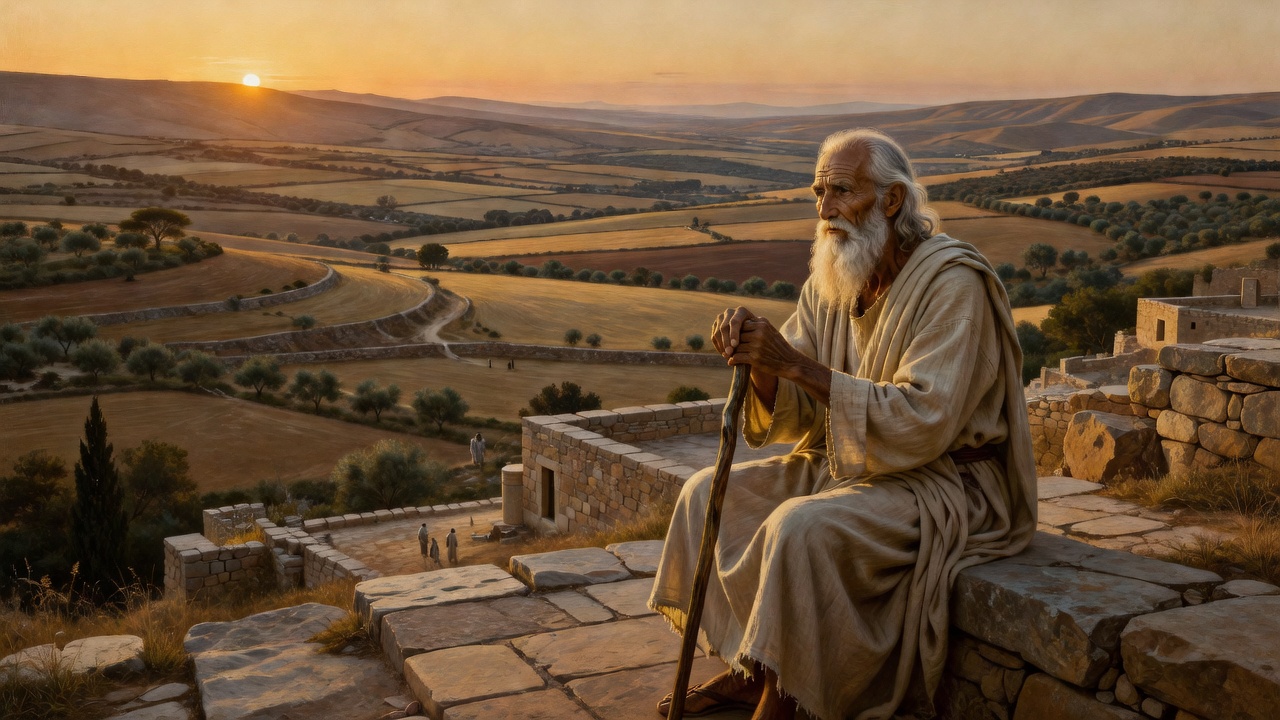
- The psalm is framed as reflection from a lifetime of observation, with the speaker noting that from youth to old age he has watched how the righteous and the wicked fare. Rather than a direct prayer or lament, it functions as wisdom poetry offering counsel to remain patient and avoid fretting over the temporary success of evil.Sources: the Bible text itself
- Throughout the poem, the promise of inheriting and dwelling securely in the land is repeated as the lasting outcome for the humble and righteous. By contrast, the transient prosperity of the wicked is illustrated through agricultural imagery, such as grass that withers quickly, vanishing smoke, and a flourishing tree that abruptly disappears.Sources: the Bible text itself
Notes written with AI assistance from open sources (Theographic Bible Metadata, CC BY-SA 4.0; Easton’s Bible Dictionary, public domain) and reviewed before publishing.
Places in this chapter
- Lebanon · 33.540, 35.584 · verse 35
Only places identified with high confidence are shown (90% or more according to the scholarly sources compiled by OpenBible). Period map: DARE (Digital Atlas of the Roman Empire), CC BY 4.0; modern map: © OpenStreetMap contributors; places: OpenBible.info (CC BY 4.0).
Credits and license for this translation
Bibeli Luayãtaalá
The Holy Bible in the Boko language spoken in Benin and Nigeria
copyright © 2010 SIM International
Language: Boko
Translation by: SIM International
Boko Bibeli Luayãtaala
This translation, published by the SIM au Benin, was published in 2010.
If you are interested in obtaining a printed copy, please contact the SIM at ECWA/SIM H.Q., P.M.B. 2009, Jos, Plateau State, NIGERIA.
This translation text is made available to you under the
terms of the Creative Commons License: Attribution-Noncommercial-No Derivative Works.
( http://creativecommons.org/licenses/by-nc-nd/3.0/ )
In addition, you have permission to port the text to different file formats, as long as you
do not change any of the text or punctuation of the Bible.
You may share, copy, distribute, transmit, and extract portions
or quotations from this work, provided that you include the above copyright
information:
You must give Attribution to the work.
You do not sell this work for a profit.
You do not make any derivative works that change any of the actual words or punctuation of the Scriptures.
Permissions beyond the scope of this license may be
available if you contact
us with your request.
This translation is made available to you under the terms of the
Creative Commons Attribution-Noncommercial-No Derivatives license 4.0.
You may share and redistribute this Bible translation or extracts from it in any format, provided that:
You include the above copyright and source information.
You do not sell this work for a profit.
You do not change any of the words or punctuation of the Scriptures.
Pictures included with Scriptures and other documents on this site are licensed just for use with those Scriptures and documents.
For other uses, please contact the respective copyright owners.
2014-09-25
Source: http://ebible.org/bqcsim/ · eBible.org