Psalms 25
Bibeli Luayãtaalá · Tap a verse to see its cross-references.
Lua wá dↄ̃̀ana
Davidi lɛ.
1Dii, ma azĩa kpàmaɛ,
2ma Lua, málɛ n náaikɛ.
Ńsu to wí ma kũo,
ńsu to ma ibɛɛↄ tidↄmalao.
3Wí a gbɛ̃́ pↄ́ an wɛ́ dↄnziↄ kũo,
sema gbɛ̃́ pↄ́ bↄ̀ n kpɛ pãↄ.
4Dii, ǹ n zɛ́ ↄlↄmɛɛ,
ní n yã́ dadamɛɛ.
5Gɛmanↄ n sĩanau, ní dadamɛɛ,
asa Lua ma Suabanan n ũ,
ma wɛ́ ìↄ dↄnziɛ gↄↄpii.
6N sùuu ń n gbɛ̃kɛo aↄ dↄngu,
asa ń vĩ za káauɛ, Dii.
7Ńsu tàae pↄ́ má kɛ̀ↄ yãdao
ge duuna pↄ́ má kɛ̀ ma ɛ̀waasogↄↄ.
Ma yã́ àↄ dↄngu gbɛ̃kɛ guu,
kɛ́ ń maa yã́i, Dii.
8Dii maa, ì yãkɛ a zɛ́wa,
bee yã́i ì a yãdada duunkɛnaↄnɛ.
9Ì zĩabusanaↄ da a zɛ́wa,
ì yãmaa dadanɛ́.
10Dii ìↄ gbɛ̃kɛ ń náaio vĩ
ń gbɛ̃́ pↄ́ zɛ̀ ń a bàakuańnↄ yã́o.
11Baa kɛ́ ma duuna zↄ̃ↄ Dii,
sùuukɛmanↄ n tↄ́ yã́i.
12Démɛ Dii vĩa vĩi?
Dii ì ade da zɛ́ pↄ́ dɛ aà sɛwa.
13Ade aↄ ku nama guu,
aà buiↄ mɛ́ aa gↄ̃ ń bùsu vĩ.
14Dii gbɛ̃kɛ vĩ ń a vĩakɛnaↄ,
ì to aaↄ a bàakuańnↄ yã́ dↄ̃.
15Ma wɛ́ ìↄ pɛ Diiwa gↄↄpii,
asa ↄ̃mɛ ì ma gbá bↄ bau.
16Ma wɛgwa, wɛ̃nadↄ̃mɛɛ,
asa má kú mado ń taasio.
17Ma yã'ↄ̃maↄ kↄ̃̀ ma nↄ̀sɛ guu,
ma bↄ ma wɛ́tɛ̃api guu.
18Ma taasi ń ma pↄsiao gwa,
ní ma duuna woloa píi.
19Gwa lá ma ibɛɛↄ lìgua,
aa zamagu pãsĩpãsĩ.
20Ma wɛ̃ni dↄ̃́a, ní ma misi,
ńsu to wí ma kũo, asa ma nanziɛ.
21To sĩana ń kua maao àↄ ma dↄ̃́a,
asa ma wɛ́ ìↄ dↄnziɛ.
22Lua, Isailiↄ bↄ ń taasikɛaↄu píi.
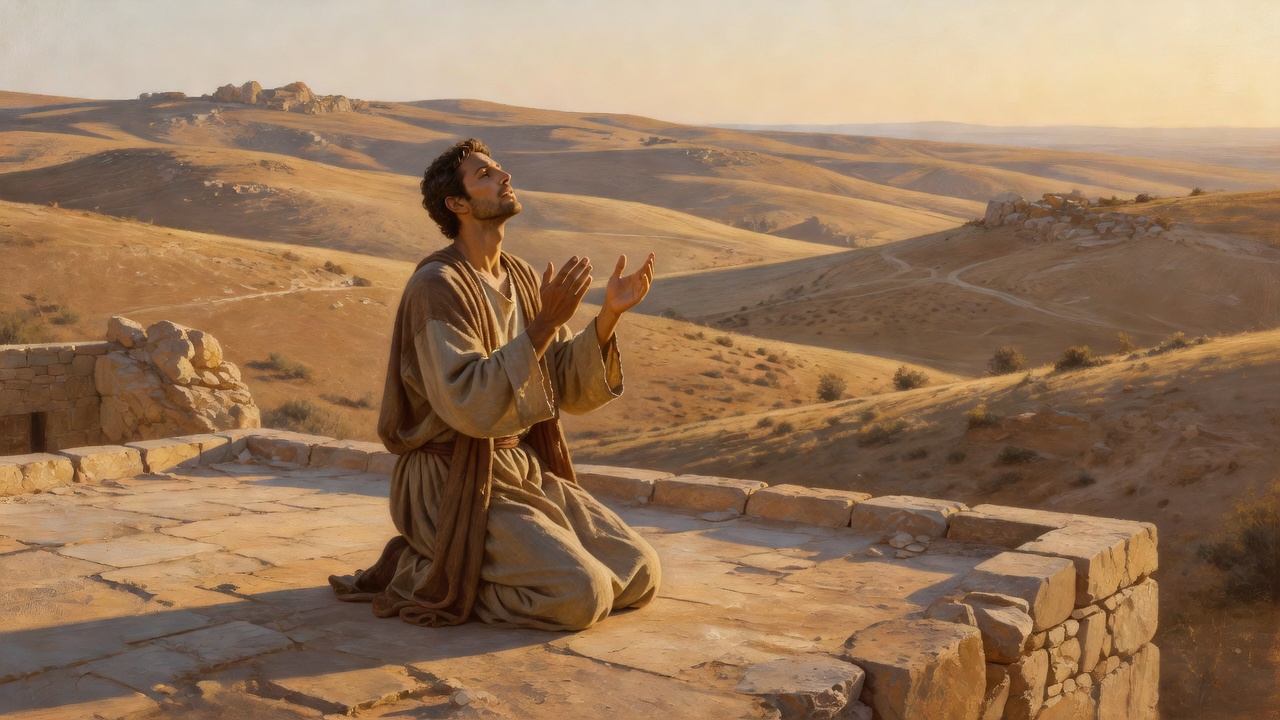
Did you know?
A Prayer for Guidance and Forgiveness
- The psalm closely links divine guidance with personal pardon, asking God not only to teach His ways and paths, but also to forget the sins and rebellious acts of the speaker's youth while remembering His ancient mercy.Sources: the Bible text itself
- Although the prayer is primarily an individual's plea for deliverance from loneliness, affliction, and hostile enemies, its final verse expands into a collective request for God to redeem all of Israel from distress.Sources: the Bible text itself
Notes written with AI assistance from open sources (Theographic Bible Metadata, CC BY-SA 4.0; Easton’s Bible Dictionary, public domain) and reviewed before publishing.
Credits and license for this translation
Bibeli Luayãtaalá
The Holy Bible in the Boko language spoken in Benin and Nigeria
copyright © 2010 SIM International
Language: Boko
Translation by: SIM International
Boko Bibeli Luayãtaala
This translation, published by the SIM au Benin, was published in 2010.
If you are interested in obtaining a printed copy, please contact the SIM at ECWA/SIM H.Q., P.M.B. 2009, Jos, Plateau State, NIGERIA.
This translation text is made available to you under the
terms of the Creative Commons License: Attribution-Noncommercial-No Derivative Works.
( http://creativecommons.org/licenses/by-nc-nd/3.0/ )
In addition, you have permission to port the text to different file formats, as long as you
do not change any of the text or punctuation of the Bible.
You may share, copy, distribute, transmit, and extract portions
or quotations from this work, provided that you include the above copyright
information:
You must give Attribution to the work.
You do not sell this work for a profit.
You do not make any derivative works that change any of the actual words or punctuation of the Scriptures.
Permissions beyond the scope of this license may be
available if you contact
us with your request.
This translation is made available to you under the terms of the
Creative Commons Attribution-Noncommercial-No Derivatives license 4.0.
You may share and redistribute this Bible translation or extracts from it in any format, provided that:
You include the above copyright and source information.
You do not sell this work for a profit.
You do not change any of the words or punctuation of the Scriptures.
Pictures included with Scriptures and other documents on this site are licensed just for use with those Scriptures and documents.
For other uses, please contact the respective copyright owners.
2014-09-25
Source: http://ebible.org/bqcsim/ · eBible.org