Matthew 12
Bibeli Luayãtaalá · Tap a verse to see its cross-references.
Kã́mabogↄↄzĩ
1Bee gbɛa Yesu lɛ́ pã blɛwɛmbua kã́mabogↄↄzĩ. Nↄana lɛ́ aà ìwaↄ dɛ, ↄ̃ aa pↄ́wɛna wòlo, aalɛ só. 2Kɛ́ Falisiↄ è, ↄ̃ aa ò Yesuɛ: N ìwaↄ gwa, aalɛ yã́ pↄ́ wìli kɛ kã́mabogↄↄzĩo kɛ. 3Ɔ̃ Yesu ònɛ́: I kyokɛ á è lá Davidi kɛ̀ ń a gbɛ̃́ↄ gↄↄ pↄ́ nↄana lɛ́ ń dɛo lé? 4À gɛ̃̀ Lua ua, à pɛ̃ɛ pↄ́ wa kàlɛ Luaɛ sò, pɛ̃ɛ pↄ́ aàpi ń a gbɛ̃́ↄ aa a soa zɛ́ vĩo, sema sa'onaↄ bàasio. 5Kɛ́ sa'ona pↄ́ aa ku Lua ua kã́mabogↄↄzĩↄ lɛ́ bↄ gↄↄpi yã́ kpɛ mɛ́ aa tàae vĩ sↄ̃o, i a kyokɛ á è Mↄizi ikoyã guuo lé? 6Málɛ oɛ́: Pↄ́ pↄ́ a zↄ̃ↄ dɛ Lua uaa ku la. 7Tó á yã́ɛ bee midↄ̃ɛ, gbɛ̃kɛkɛakↄ̃ɛ ↄ̃ má yei, i kɛ sa'oa no, dↄ̃ yãa i yãesaideↄ tàae eo. 8Asa Gbɛ̃nazĩn Nɛ́ iko vĩ kã́mabogↄↄwaɛ.
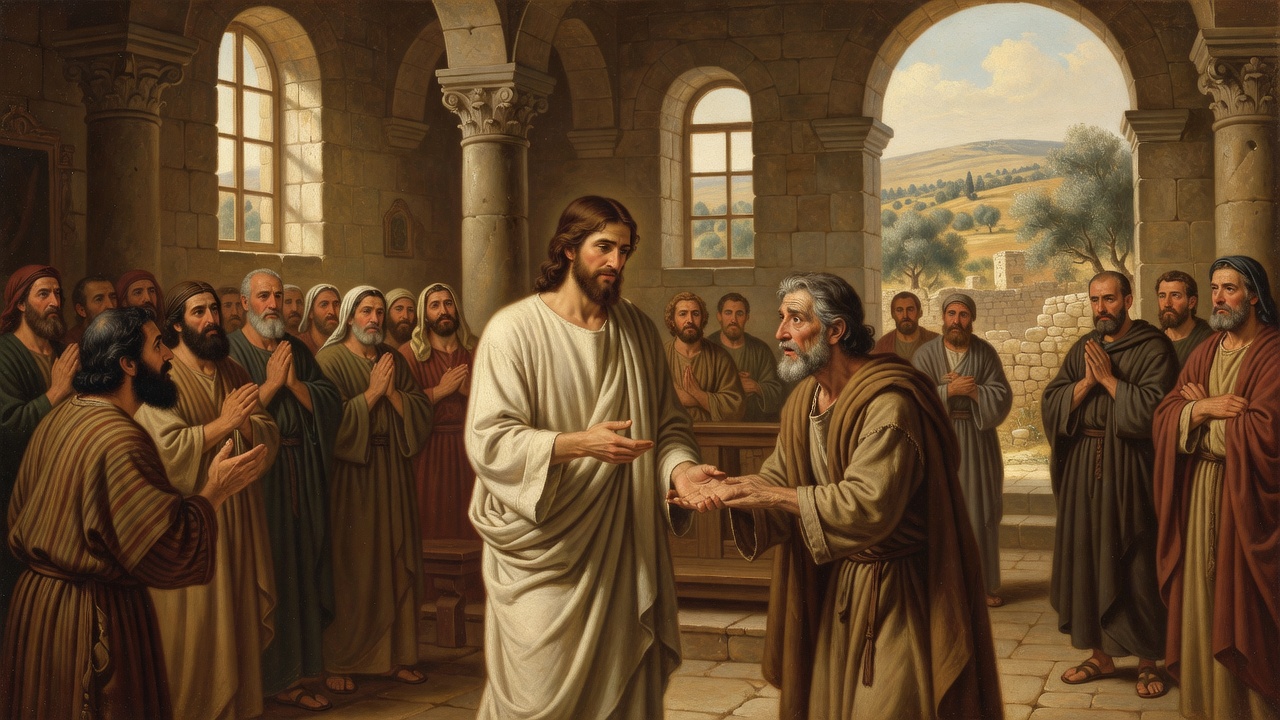
9Kɛ́ Yesu bↄ̀ we, ↄ̃ à gɛ̃̀ ń lousisikpɛu. 10Gↄ̃ɛ pↄ́ a ↄ imia ku we. Kɛ́ gbɛ̃eↄ ye yãda Yesula yã́i, ↄ̃ aa aà là aa mɛ̀: Gbɛ̃́gbãgbãa zɛvĩ kã́mabogↄↄzĩa? 11Ɔ̃ Yesu wèmá à mɛ̀: Á démɛ aↄ sã vĩ, a zuwà ɛu kã́mabogↄↄzĩ, a gɛ̃ bↄio ni? 12Gbɛ̃nazĩna dɛ sãa zↄ̃ↄ. Ayãmɛto maakɛa kã́mabogↄↄzĩ zɛvĩ. 13Ɔ̃ Yesu ò gↄ̃ɛpiɛ: Ǹ n ↄpi poo. A pòo, ↄ̃ à sù a gbɛu wásawasa lá adowa. 14Ɔ̃ Falisiↄ bↄ̀lɛ gɛ̀ lɛkpaaĩi Yesuzi, lá aa kɛ wà aà dɛ.
Zĩkɛna pↄ́ Lua sɛ̀
15Yesu dↄ̃̀, ↄ̃ à gò we. Bíla bↄ̀ tɛaàzi, ↄ̃ à ń gyãeↄ gbã̀gbã píi, 16à gìnɛ́ aa a tↄ́ fãaa. 17Beewa Lua yã́ pↄ́ ãnabi Isaia òɛ bee kɛ̀, à mɛ̀:
18Ma zĩkɛna pↄ́ má sɛ̀n kɛ,
ma yenzide pↄ́ aà yã́ ì kamagu.
Má a Nisĩna pisiwà,
i yã́zɛde da buiↄnɛ.
19A lɛkpaakɛo, a palamáo,
gbɛ̃e a aà zↄa ma dↄ gãaɛo.
20A fee ɛkpaazɛua ɛ́o,
a filia yɛ̃ɛɛna dɛo,
ↄ̃ a to yã́zɛde mↄ ↄda zãa.
21Bui píi wɛ́ aↄ dↄaàzi.
Tã́agoa
22Ɔ̃ wà mↄ̀ Yesuɛ ń tã́ade vĩ̀a pↄ́ a lɛ́na naalɛao. Yesu aà gbã̀gbã, àlɛ yã'o sa, àlɛ gu'e. 23Ɔ̃ yã́pi dì bílawa píi aa mɛ̀: Davidi Buipi yã̀ mↄↄↄ? 24Kɛ́ Falisiↄ mà, ↄ̃ aa mɛ̀: Gbɛ̃́ɛ bee a fↄ̃ tã́a gonɛ́o, mɛ́ i kɛ ń tã́aↄ kía Beezebu gbãao bàasio. 25Yesu ń làasoo dↄ̃, ↄ̃ à mɛ̀: Kpala pↄ́ a gbɛ̃́ↄ íbɛlɛsɛ̀ ń kↄ̃o a midɛ. Wɛ̃́lɛ ge ua pↄ́ a gbɛ̃́ↄ íbɛlɛsɛ̀ ń kↄ̃o a gↄ̃ bɛzĩ ũɛ. 26Tó Setãu lɛ́ a gbɛ̃́ↄ gonɛ́, à íbɛlɛsɛ̀ ń azĩaon we. Aà kpala aↄ zɛa kpelewa ni? 27Tó Beezebu gbãa miↄ tã́agoomá bɛ, á gbɛ̃́ↄ ì go ń dé gbãao sↄ̃ ni? Beewa ázĩa gbɛ̃́ↄ yã́'ĩikpàwá. 28Lá Lua Nisĩna gbãa ↄ̃ málɛ tã́agoomá, àↄ dↄ̃ kɛ́ kía pↄ́ Lua kpà mↄ̀ á guun we.
29Kpelewa gbɛ̃́ a gɛ̃ gↄ̃sa gbãa kpɛ́u à aà pↄ́ↄ sɛ́lɛ, mɛ́ i kɛ à aà yè gĩa bàasio ni? Aà yea gbɛa ↄ̃ a aà kpɛ́ yↄɛ sa. 30Gbɛ̃́ pↄ́ dɛ ma gbɛ̃́ ũo á ma ibɛɛɛ, mɛ́ gbɛ̃́ pↄ́ lɛ́ pↄ́ kãaamanↄo, àlɛ fãaaɛ. 31Ayãmɛto málɛ oɛ́, Lua a gbɛ̃́ↄ kɛ̃́ ń ń duunao ń a tↄ́ bɛ̃̀ɛ pↄ́ aa sìↄ píi, ãma a gbɛ̃́ pↄ́ à a Nisĩna tↄbɛ̃ɛsì kɛ̃o. 32Tó gbɛ̃́ yãdↄ̀ Gbɛ̃nazĩn Nɛ́wa, Lua a aà kɛ̃́, ãma tó gbɛ̃́ yãdↄ̀ Lua Nisĩnawa, Lua a ade kɛ̃ dṹnia tiaɛ bee guuo ge a pↄ́ lɛ́ mↄ́.
Gbɛ̃́ dↄ̃a a yãkɛawa
33Tó n lí maa bà, a nɛ́ ìↄ maaɛ. Tó n lí vãi bà sↄ̃, a nɛ́ ìↄ vãiɛ. Asa libɛ wì lí dↄ̃wà. 34Gbɛ̃nazĩn píligonaↄ! Kɛ́ á vãi, kpelewa á fↄ̃ yãmaa oi? Asa yã́ pↄ́ kↄ̃̀ sↄ̃u ↄ̃ lɛ́ ì o. 35Gbɛ̃maa ì maa bↄ a sↄ̃̀ maa guuɛ. Gbɛ̃vãi sↄ̃ ì vãi bↄ a sↄ̃̀ vãi guuɛ. 36Málɛ oɛ́: Yã́kpalɛkɛgↄↄzĩ gbɛ̃́ↄ ń yãfaasai pↄ́ aa ò sɛ́lɛ siu Luaɛ píi. 37Asa yã́ pↄ́ ń ò mɛ́ a yãnakpama ge ↄ̃mɛ a yãdanla.
Seelagbɛaa Yesuwa
38Ɔ̃ Mↄizi ikoyãdanɛdeeↄ ń Falisieↄ ò Yesuɛ: Mae, wá ye ǹ seelae kɛ wà e. 39Ɔ̃ Yesu wèmá à mɛ̀: Gbãgbɛ̃ vãi luanaaikɛnsaiↄ mɛ́ lɛ́ seela gbɛaa. Má seelae kɛnɛ́o, sema ãnabi Yonasi pↄ́. 40Lá Yonasi kɛ̀ kpↄ̀ gbɛ̃̀nɛ gbɛɛ guu fãanɛ ń gwãasĩnao e gↄↄ àaↄ̃, màa Gbɛ̃nazĩn Nɛ́ a kɛ tɛ̃́ɛnau fãanɛ ń gwãasĩnao e gↄↄ àaↄ̃. 41Yã́kpalɛkɛgↄↄzĩ Ninivadeↄ fɛlɛ yãda gbãgbɛ̃ↄlaɛ. Asa kɛ́ aa Yonasi waaso mà, aa nↄ̀sɛlìlɛɛ, mɛ́ gbɛ̃́ pↄ́ a zↄ̃ↄ dɛ Yonasia ku la. 42Yã́kpalɛkɛgↄↄzĩ gɛↄmidↄkĩi oi nↄɛ kía a fɛlɛ yãda gbãgbɛ̃ↄlaɛ. Asa nↄɛpi bↄ̀ za tↄↄlɛ lɛ́wa, à mↄ̀ Salomↄↄ ↄ̃nↄyã maiɛ, mɛ́ gbɛ̃́ pↄ́ a zↄ̃ↄ dɛ Salomↄↄa ku la.
Tã́a taa a sↄ̃́ ziwa
43Tó wà tã́a gò gbɛ̃́ɛ, ìↄ liaaliaa gugiiu àↄ gbɛ̃́ wɛɛlɛ à diɛ̀ɛ. Tó i eo, 44ↄ̃ ì mɛ: Má ɛa ta ma sↄ̃́ ziwaɛ. Ì ɛa tawà, ì e a bɛ ado à zu'ò, à azĩa kɛ̀kɛ wásawasa. 45Ɔ̃ ì gɛ tã́a pↄ́ an vãi dɛalaↄ sɛ́lɛ mɛ̀n sopla à suńnↄ, aaì diɛ̀. Ɔ̃ gbɛ̃́pi gwea gbɛzã vãi ì dɛ a káaua. Gó doũpi mɛ́ a gbãgbɛ̃ↄ bua sↄ̃.
Yesu daɛↄ
46Kɛ́ Yesu lɛ́ yã'o bílaɛ, ↄ̃ aà da ń aà dãunaↄ kà, aa zɛ̀ bàasi, aa ye aà yã́i. 47Ɔ̃ wa òɛ̀: N da ń n dãunaↄ zɛa bàasi, aa ye n yã́i. 48Ɔ̃ Yesu a zãsì gbɛ̃́piwa à mɛ̀: Démɛ ma da ge ma dãunaↄ ũi? 49Ɔ̃ à ↄdↄ̀ a ìwaↄwa à mɛ̀: Ma da ń ma dãunaↄn kɛ. 50Asa gbɛ̃́ pↄ́ ì ma Mae pↄ́ kú musu pↄeã kɛ mɛ́ ma dãuna ge ma dãe ge ma da ũ.
Did you know?
Lord of the Sabbath and Signs of the Kingdom
- When challenged by the Pharisees for plucking grain on the Sabbath, Jesus cited the Old Testament account of David eating the consecrated bread when he was hungry. He argued that human need and doing good take precedence over ritual regulations, declaring himself Lord of the Sabbath.Sources: the Bible text itself · David
- After casting out a demon from a blind and mute man, Jesus was accused of operating through Beelzebul, the prince of demons. Jesus rejected the charge, explaining that a divided kingdom or household cannot stand and that casting out demons by the Spirit of God demonstrates the arrival of God's kingdom.Sources: the Bible text itself · Satan
- In response to requests for a miraculous sign, Jesus pointed to the prophet Jonah, comparing Jonah's three days in the fish's belly to his own impending death and burial. He warned that the citizens of Nineveh and the Queen of the South would judge his generation because they responded to Jonah and Solomon, whereas someone greater was now present.Sources: the Bible text itself · Jonah · Nineveh · Solomon
Notes written with AI assistance from open sources (Theographic Bible Metadata, CC BY-SA 4.0; Easton’s Bible Dictionary, public domain) and reviewed before publishing.
Places in this chapter
Only places identified with high confidence are shown (90% or more according to the scholarly sources compiled by OpenBible). Period map: DARE (Digital Atlas of the Roman Empire), CC BY 4.0; modern map: © OpenStreetMap contributors; places: OpenBible.info (CC BY 4.0).
Credits and license for this translation
Bibeli Luayãtaalá
The Holy Bible in the Boko language spoken in Benin and Nigeria
copyright © 2010 SIM International
Language: Boko
Translation by: SIM International
Boko Bibeli Luayãtaala
This translation, published by the SIM au Benin, was published in 2010.
If you are interested in obtaining a printed copy, please contact the SIM at ECWA/SIM H.Q., P.M.B. 2009, Jos, Plateau State, NIGERIA.
This translation text is made available to you under the
terms of the Creative Commons License: Attribution-Noncommercial-No Derivative Works.
( http://creativecommons.org/licenses/by-nc-nd/3.0/ )
In addition, you have permission to port the text to different file formats, as long as you
do not change any of the text or punctuation of the Bible.
You may share, copy, distribute, transmit, and extract portions
or quotations from this work, provided that you include the above copyright
information:
You must give Attribution to the work.
You do not sell this work for a profit.
You do not make any derivative works that change any of the actual words or punctuation of the Scriptures.
Permissions beyond the scope of this license may be
available if you contact
us with your request.
This translation is made available to you under the terms of the
Creative Commons Attribution-Noncommercial-No Derivatives license 4.0.
You may share and redistribute this Bible translation or extracts from it in any format, provided that:
You include the above copyright and source information.
You do not sell this work for a profit.
You do not change any of the words or punctuation of the Scriptures.
Pictures included with Scriptures and other documents on this site are licensed just for use with those Scriptures and documents.
For other uses, please contact the respective copyright owners.
2014-09-25
Source: http://ebible.org/bqcsim/ · eBible.org