Leviticus 25
Bibeli Luayãtaalá · Tap a verse to see its cross-references.
Tↄↄlɛ gbaa ĩ́ampaa wɛ̃
1Dii ò Mↄiziɛ Sinai gbɛ musu 2aà o Isailiↄnɛ aà mɛ: Tó a gɛ̃ bùsu pↄ́ málɛ kpáwá guu, àli tó bùsupi ĩ́ampamɛɛ. 3Àli pↄ́tↄ̃ á bua e wɛ̃̀ soolo, àli á vɛ̃ɛliↄ midãɛ, í á pↄ́ↄ kɛkɛ, 4a wɛ̃̀ soplade íli tó bùsupi ĩ́ampamɛɛ. Ásuli pↄ́tↄ̃ á bua wɛ̃piuo, mɛ́ ásuli á vɛ̃ɛliↄ midãɛo. 5Ásuli á bua pↄzãↄ kɛkɛ à a kákĩi kɛo. Ásuli á vɛ̃ɛligↄ̃na pↄ́ kɛ̀ yàayaaↄ kↄ́ zↄ̃zↄ̃o. Tↄↄlɛ gbaa ĩ́ampaa wɛ̃ɛ. 6Pↄzã pↄ́ bↄ̀lɛ tↄↄlɛ ĩ́ampaa guuↄ líↄ dɛɛ́ á blɛ ũ, ápiↄ ń á zↄ̀blenaↄ ń á gbɛ̀winaↄ ń nibↄ pↄ́ dɛ bↄ̀mↄ ũ á guuↄ 7ń á pↄtuoↄ ń sɛ̃̀anↄbↄↄ. Pↄzãpiↄ líↄ dɛ á pↄblea ũ.
Gↄ̃a wɛ̃́ɛↄ ũ wɛ̃̀
8Àliↄ ĩ́ampaa wɛ̃piↄ dↄdↄ wɛ̃̀ soplapla lɛɛ sopla, à kɛ̀ píi wɛ̃̀ blakwi mɛ̀ndosai. 9Àli kuupɛ wɛ̃pi mↄ soplade gↄↄ kwide zĩ́ á bùsu gupiiu Duunkɛ̃magↄↄzĩpi. 10Íli wɛ̃pi dilɛ ma pↄ́ ũ, í gↄ̃a wɛ̃́ɛↄ ũ kpàwakɛ á bùsu gbɛ̃́ pↄ́ kú weↄnɛ píi. Iↄ dɛɛ́ gↄ̃a wɛ̃́ɛↄ ũ wɛ̃ ũ, á baade i su azĩa bùsuu a bui kĩ́i. 11Wɛ̃̀ blakwide líↄ dɛɛ́ gↄ̃a wɛ̃́ɛↄ ũ wɛ̃ ũ. Ásuli pↄ́tↄ̃o. Ásuli pↄzã kɛkɛo. Ásuli vɛ̃ɛ ligↄ̃na pↄ́ kɛ̀ yàayaaↄ kↄ́ zↄ̃zↄ̃o, 12asa gↄ̃a wɛ̃́ɛↄ ũ wɛ̃ɛ. Ìↄ adoaɛ́, í pↄbↄlɛnzĩaɛↄ ble. 13Gↄ̃a wɛ̃́ɛↄ ũ wɛ̃pi guu á baade lí su a tↄↄlɛwa.
14Tó álɛ á bú yia ge álɛ lúkↄ̃wa, ásuli ↄ̃nↄkɛkↄ̃ɛo. 15Àli wɛ̃ pↄ́ gↄ̃̀ sɛa za gↄ̃a wɛ̃́ɛↄ ũ wɛ̃wa da wɛ̃naoa guu, í lú. Búde sↄ̃ ìli wɛ̃ pↄ́ gↄ̃̀ wà pↄkɛkɛ da wɛ̃naoa guu, i gbasa yía. 16A ↄ̃a lí kã́fĩ wɛ̃ pↄ́ gↄ̃̀ dasilɛu. Tó wɛ̃ pↄ́ gↄ̃̀ bílao, a ↄ̃a lí lao, asa pↄkɛkɛa wɛ̃naoa ↄ̃ wàlɛ yiawà. 17Ásuli ↄ̃nↄkɛkↄ̃ɛo. Àliↄ ma vĩa vĩ. Mámɛmaa Dii á Lua.
18Àli zĩkɛ ma ikoyãↄwa, íↄ ma yãdilɛaↄ kũa, íↄ kú á bùsuu dↄdↄa. 19Bùsupi ali blɛkɛɛ́, à mↄ́wáɛ, íↄ ku a guu dↄdↄa. 20Á mɛ, tó wi pↄ́tↄ̃ wa pↄ́ kɛ̀kɛo, bↄ́ wá ble wɛ̃̀ sopladepi guui? 21Mámɛ máli báaadaágu a wɛ̃̀ soolodepi guu, tↄↄlɛ i blɛkɛɛ́ wɛ̃̀ àaↄ̃ pↄ́ ũ. 22A wɛ̃̀ swaaↄ̃de guu íli pↄ́tↄ̃, mɛ́ áli pↄ́wɛn zi ble e a gɛ pɛò a wɛ̃̀ kɛ̃okwi pↄkɛkɛawaɛ.
Tↄↄlɛ tↄ̀ↄmaboa
23Wasuli tↄↄlɛ yía, i gↄ̃ we e gↄↄpiio, asa bùsupiá ma pↄ́ɛ, mɛ́ á dɛmɛɛ a guu bↄ̀mↄↄ ń nibↄↄ ũɛ. 24Bùsu pↄ́ á kũa á pↄ́ ũ guu píi àli tó wà a tↄↄlɛ tↄ̀ↄmabo. 25Tó á gbɛ̃e gↄ̃̀ taaside ũ, mɛ́ à a tↄↄlɛ kĩni yìa, aà daɛ fɛ̃̀ɛɛ lí mↄ́ pↄ́ pↄ́ a yìapi tↄ̀ↄmabo. 26Tó gbɛ̃́ daɛ fɛ̃̀ɛɛ vĩ aà a tↄ̀ↄmabo sↄ̃o, mɛ́ à gbãa è à kà à a tↄ̀ↄmabo, 27aà wɛ̃ pↄ́ gɛ̃̀ sɛa za gↄↄ pↄ́ á yìa nao, i wɛ̃ pↄ́ gↄ̃̀ fĩabo gbɛ̃́ pↄ́ á yìawàɛ, i a pↄ́ sí. 28Tó aà gbãa i ka aà fĩaboɛ̀ sↄ̃o, tↄↄlɛpi lí gↄ̃ a lunaɛ a ↄzĩ e gↄ̃a wɛ̃́ɛↄ ũ wɛ̃u. Wɛ̃piu ↄ̃ a lunapi a sↄaaɛ̀, i a pↄ́ sí.
29Tó gbɛ̃́ kpɛ́ yìa wɛ̃́lɛ bĩ́ideu, e wɛ̃̀ do àↄ gɛ́ kũaai, aↄ a boa zɛ́ vĩ. Gↄↄ bee ↄ̃ a a boa zɛ́ vĩ. 30Tó i a tↄ̀ↄmaboo e wɛ̃̀ dopi gɛ̀ kũ̀aaò, kpɛ́pi a gↄ̃ a lunaɛɛ ń a buiↄ e gↄↄpii. Wàli sↄaaɛ̀ baa gↄ̃a wɛ̃́ɛↄ ũ wɛ̃uo. 31Wàli kpɛ́ pↄ́ kú zↄ̃ɛwia bĩ́isaide guu dilɛ lán bugbɛwaɛ. A tↄ̀ↄmaboa zɛ́ kú, mɛ́ wàli sↄaanɛ́ gↄ̃a wɛ̃́ɛↄ ũ wɛ̃uɛ.
32Levii buiↄ ń kpɛ́ pↄ́ kú ń wɛ̃́lɛ guuↄ tↄ̀ↄmaboa zɛ́ vĩ gↄↄpiiɛ. 33Levii buiↄ wɛ̃́lɛ kpɛ́ pↄ́ aa yìa tↄ̀ↄmaboa zɛ́ kú, mɛ́ wàli sↄaanɛ́ gↄ̃a wɛ̃́ɛↄ ũ wɛ̃uɛ, asa Levii buiↄ wɛ̃́lɛ kpɛ́ↄ dɛ kpaalɛ pↄ́ aa sɛ̀ Isailiↄ guu ũɛ. 34Aasuli ń wɛ̃́lɛ dã́dãkɛkĩiↄ yíao, asa an baan we e gↄↄpii.
Pↄsɛ̃aanɛ́
35Tó taasi á gbɛ̃e kũ̀, mɛ́ a fↄ̃ azĩa gwa lↄo, àliↄ aà kũa lán bↄ̀mↄ ge nibↄwa, kɛ́ aà e àↄ kú á guu yã́i. 36Ásuli ↄ'idiaɛ̀o, ásuli a í gbaɛ̀o. Àliↄ ma vĩa vĩ, kɛ́ á gbɛ̃́pi e àↄ kú á guu yã́i. 37Ásuli ↄ̃a sɛ̃aɛ̀ à a igbao. Ásuli blɛ yíawà à ài wɛɛlɛ a guuo. 38Mámɛmaa Dii á Lua. Ma á bↄ́lɛ Egipi, kɛ́ mà Kanaa bùsu kpáwáɛ, míↄ dɛ á Lua ũ.
Zↄboa
39Tó taasi á gbɛ̃e kũ̀ mɛ́ à azĩa yìawá, ásuli zↄzĩdaɛ̀o. 40A gↄ̃ á guu lán gbɛ̀wina ge nibↄwaɛ, iↄ zĩkɛɛ́ e gↄ̃a wɛ̃́ɛↄ ũ wɛ̃u. 41Aàpi ń a nɛ́ↄ aai gbasa bↄ á bɛ, aai tá ń buiↄ kĩ́i tↄↄlɛ pↄ́ an deziↄ sɛ̀ kpaalɛ ũ guu. 42Lá á gbɛ̃́ pↄ́ ma á bↄ́lɛ Egipi bùsuuↄ á dɛ ma zↄ̀blenaↄ ũ, i kũ wà á yía zↄↄ ũ lↄo. 43Ásuli gbãablemáo. Àliↄ ma vĩa vĩ.
44Bui pↄ́ liaaáziↄ gↄ̃ɛↄ ń ń nↄɛↄ ↄ̃ áliↄ ń vĩ zↄↄ ũ. Ampiↄ ↄ̃ áli ń lúlu zↄↄ ũ. 45Áli fↄ̃ nibↄ pↄ́ kú á guuↄ lu lↄ ń nɛ́ pↄ́ aa i á bùsuuↄ, aai gↄ̃ á àizɛɛↄ ũ, 46aai gↄ̃ á nɛ́ↄnɛ túbi ũ, aaiↄ zↄbleɛ́ e ń wɛ̃ni lɛ́u, ãma ásuli wɛ́tɛ̃amↄ á gbɛ̃́ Isailiↄnɛo.
47Tó bↄ̀mↄ ge nibↄ pↄ́ kú á guu ↄ lɛ́ a kpɛ le, mɛ́ taasi sù á gbɛ̃e kũ̀, mɛ́ à azĩa yìa bↄ̀mↄpiwa ge aà buie, 48aà boa zɛ́ kú. Aà daɛe a fↄ̃ à aà bo, 49aà maee ge aà mae nɛ́e ge aà daɛ fɛ̃̀ɛɛe. Tó aà ↄ nìniɛ sↄ̃, aà azĩa bo. 50Aàpi ń a lunao lí wɛ̃ nao sɛa za aàzĩa yíagↄↄ e gↄ̃a wɛ̃́ɛↄ ũ wɛ̃u, aà yía ↄ̃a iↄ doũ ń gↄↄ bee gbɛwizĩ ↄ̃ao. 51Tó wɛ̃ pↄ́ gↄ̃̀ e gↄ̃a wɛ̃́ɛↄ ũ wɛ̃ àↄ gɛ́ kái dasi, aà boa ↄ̃a aↄ zↄ̃ↄɛ. 52Tó wɛ̃ pↄ́ gↄ̃̀ bíla sↄ̃o, aà nao, i fĩabo màa. 53I gↄ̃ a diiɛ gbɛ̀wina ũ wɛ̃ ń wɛ̃o. Ásuli tó aà dii wɛ́tɛ̃amↄɛ̀o.
54Baa tó aà boa i zɛkɛ màao, aàpi ń a nɛ́ↄ gↄ̃ wɛ̃́ɛↄ ũ gↄ̃a wɛ̃́ɛↄ ũ wɛ̃uɛ, 55asa Isailiↄ mɛ́ ma zↄ̀blena pↄ́ ma ń bↄ́lɛ Egipi bùsuuↄ ũ. Mámɛmaa Dii á Lua.
Did you know?
The Sabbath Year and the Year of Jubilee
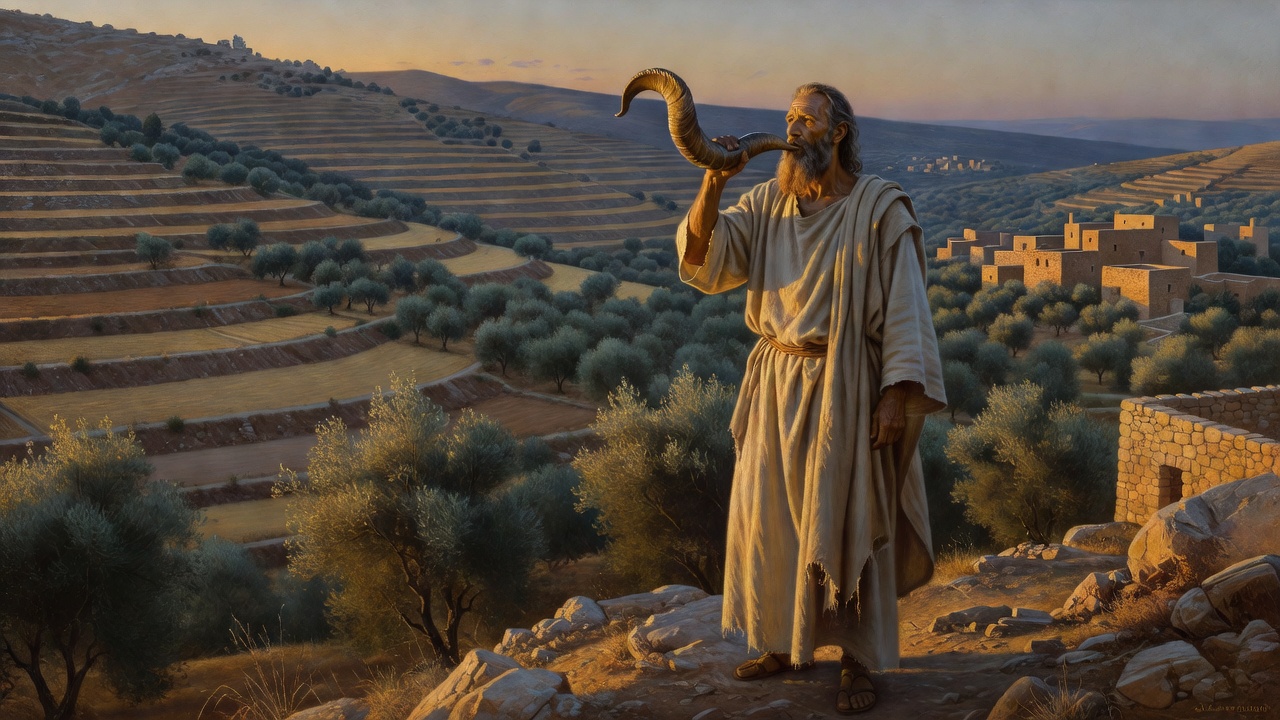
- The law given at Mount Sinai established a seven-year agricultural cycle where the land lay fallow every seventh year, followed by a fiftieth Year of Jubilee after seven cycles of seven years. Commencing on the Day of Atonement with the blowing of a horn, the Jubilee proclaimed liberty, allowed the land to rest, and returned ancestral land to its original families.Sources: the Bible text itself · Mount Sinai
- Land could not be sold permanently because the Israelites were viewed as tenants and resident foreigners on land that belonged to God. Consequently, real estate transactions functioned as leases, with purchase prices calculated according to the number of harvests remaining until the next Jubilee.Sources: the Bible text itself
- The chapter includes protections for impoverished Israelites, forbidding the charging of interest on loans and prohibiting fellow Israelites from being held in permanent bondage. Because God had delivered them out of Egypt, any Israelite forced by debt into servitude was to be treated as a hired worker and released in the Jubilee.Sources: the Bible text itself · Egypt
Notes written with AI assistance from open sources (Theographic Bible Metadata, CC BY-SA 4.0; Easton’s Bible Dictionary, public domain) and reviewed before publishing.
Places in this chapter
Only places identified with high confidence are shown (90% or more according to the scholarly sources compiled by OpenBible). Period map: DARE (Digital Atlas of the Roman Empire), CC BY 4.0; modern map: © OpenStreetMap contributors; places: OpenBible.info (CC BY 4.0).
Credits and license for this translation
Bibeli Luayãtaalá
The Holy Bible in the Boko language spoken in Benin and Nigeria
copyright © 2010 SIM International
Language: Boko
Translation by: SIM International
Boko Bibeli Luayãtaala
This translation, published by the SIM au Benin, was published in 2010.
If you are interested in obtaining a printed copy, please contact the SIM at ECWA/SIM H.Q., P.M.B. 2009, Jos, Plateau State, NIGERIA.
This translation text is made available to you under the
terms of the Creative Commons License: Attribution-Noncommercial-No Derivative Works.
( http://creativecommons.org/licenses/by-nc-nd/3.0/ )
In addition, you have permission to port the text to different file formats, as long as you
do not change any of the text or punctuation of the Bible.
You may share, copy, distribute, transmit, and extract portions
or quotations from this work, provided that you include the above copyright
information:
You must give Attribution to the work.
You do not sell this work for a profit.
You do not make any derivative works that change any of the actual words or punctuation of the Scriptures.
Permissions beyond the scope of this license may be
available if you contact
us with your request.
This translation is made available to you under the terms of the
Creative Commons Attribution-Noncommercial-No Derivatives license 4.0.
You may share and redistribute this Bible translation or extracts from it in any format, provided that:
You include the above copyright and source information.
You do not sell this work for a profit.
You do not change any of the words or punctuation of the Scriptures.
Pictures included with Scriptures and other documents on this site are licensed just for use with those Scriptures and documents.
For other uses, please contact the respective copyright owners.
2014-09-25
Source: http://ebible.org/bqcsim/ · eBible.org