Joshua 1
Bibeli Luayãtaalá · Tap a verse to see its cross-references.
About this book
About Joshua
- Easton's Bible Dictionary (1897) explains Joshua's name as "Jehovah is his help" or "Jehovah the Saviour." He was the son of Nun, of the tribe of Ephraim, born in Egypt, and Moses' successor as leader of Israel; the wars of conquest he carried on are recorded in the book that bears his name. That entry does not name the book's author or give a date for its writing.Sources: Easton: Joshua · Joshua
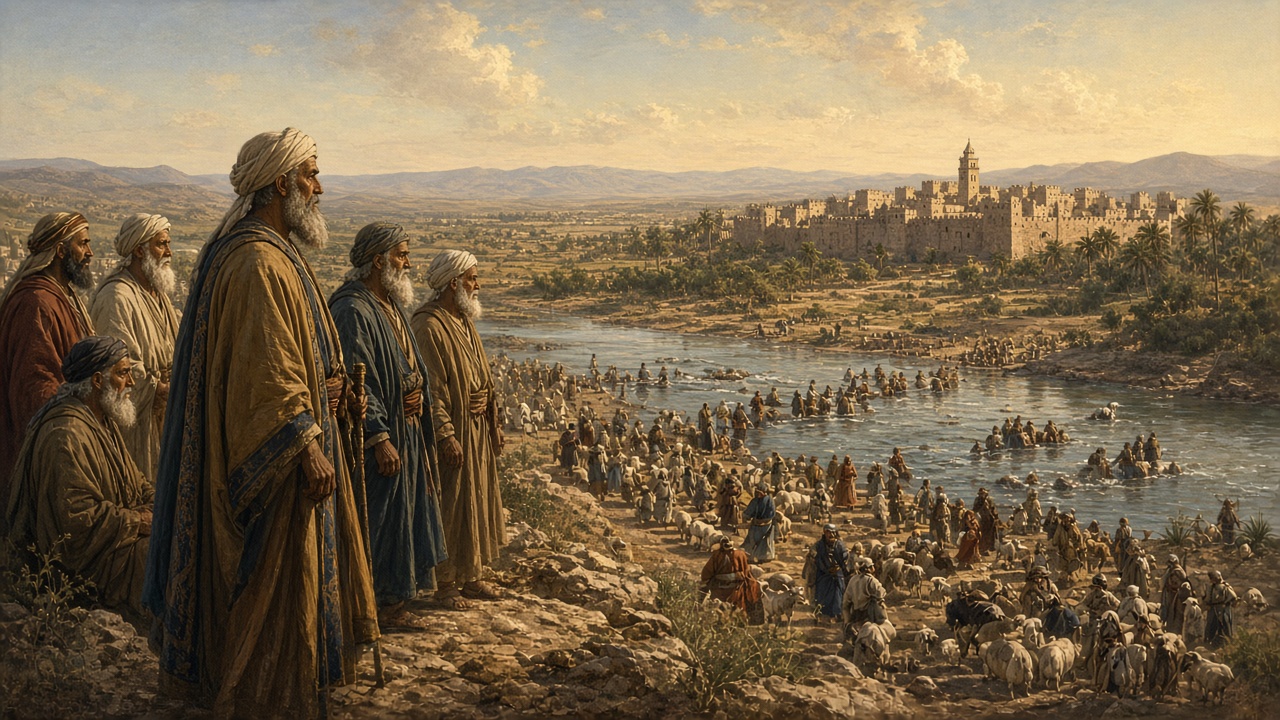
- When Joshua took command, the people were encamped at Shittim. They crossed the Jordan and camped at Gilgal, where, Easton says, he circumcised the people and kept the Passover. Jericho, a fortified city among palm trees about five miles west of the Jordan, is described as Canaan's strongest fortress and the key to western Palestine; Ai, east of Bethel, was the second Canaanite city taken, after an initial defeat.Sources: Easton: Joshua · Jericho · Ai
- Easton's Bible Dictionary (1897) says Joshua conquered six nations and thirty-one kings, then divided the land among the tribes, with Timnath-serah in Mount Ephraim assigned to himself. East of the Jordan, Gilead is described as a mountainous region held by the tribes of Gad and Reuben and the southern part of Manasseh.Sources: Easton: Joshua · Gilead
- Quoting Edersheim, the dictionary says Joshua's name was changed from Oshea, "help," to Jehoshua, "Jehovah is help," and notes that he is called Jesus in Acts 7:45 and Hebrews 4:8. It states that he died at the age of one hundred and ten, twenty-five years after crossing the Jordan, and was buried in his own city of Timnath-serah; of his father Nun, nothing more is recorded than that he was Joshua's father.Sources: Easton: Joshua · Joshua · Nun
- Before leading the conquest, Joshua commanded Israel's host against the Amalekites at Rephidim, served as Moses' minister, and was one of twelve sent to explore Canaan; only he and Caleb brought back an encouraging report. As Easton sketches the book, it runs from the crossing of the Jordan and the taking of Jericho through years of war to the division of the land and Joshua's last address.Sources: Easton: Joshua
Notes written with AI assistance from open sources (Theographic Bible Metadata, CC BY-SA 4.0; Easton’s Bible Dictionary, public domain) and reviewed before publishing.
Dii yãdilɛa Yozueeɛ
1Dii zↄ̀blena Mↄizi gaa gbɛa Dii yã'ò Mↄizi zↄbãna Yozuee, Nuni nɛ́ɛ à mɛ̀: 2Ma zↄ̀blena Mↄizi gà. Fɛlɛ bua Yuudɛ̃wa la sa, mpi ń Isailiↄ píi, í gɛ̃ bùsu pↄ́ má kpàwáu. 3Gu pↄ́ á gbá pɛ̀lɛu píi, má kpàwá lá má ò Mↄiziɛwaɛ. 4Sɛa za guwaiwaiu e gɛa Libã bùsuu, sɛa za swa zↄ̃ↄ pↄ́ wì mɛ Uflata e gɛa ísia pↄ́ kú bɛ'aɛ oi, Itiↄ bùsupi a gↄ̃ á bùsu ũ píiɛ. 5E ǹ gɛ ǹ gaò gbɛ̃e a e n gã fĩo. Lá má kú ń Mↄizio, màa máↄ kunnↄ. Má n to weo, má pãkpanzi bauo.
6Sↄ̃dilɛ, níↄ wↄ́ↄ vĩ, asa ḿmɛ ńyↄ̃ bùsu pↄ́ ma a lɛgbɛ̃̀ á dezi káauↄnɛ ma mɛ̀ má kpámá sí, ní kpá gbɛ̃́ɛ beeↄwa. 7Sↄ̃dilɛ, níↄ wↄ́ↄ vĩ lé! Laaidↄ ikoyã pↄ́ ma zↄ̀blena Mↄizi dànɛwa, níↄ kũa píi. Ńsu kɛ̃wà ǹ na ↄplaai ge zɛɛ oio, n tá ali kɛ naɛ. 8To Mↄizi ikoyã lápi yã́ àↄ dↄ ń lɛ́u, níↄ làasookɛwà fãanɛ ń gwãasĩnao. Laaidↄ yã́ pↄ́ kú a guuwa píi, ní zĩkɛwà, n tá iↄ na, n yã́ iↄ bↄ maa. 9Mámɛ ma yãdìlɛnɛo lò? Sↄ̃dilɛ, níↄ wↄ́ↄ vĩ. Ńsu to vĩa n kũo. Ńsu to sↄ̃ kɛ̃nguo, asa ma Dii n Lua, máↄ kunnↄ gu pↄ́ ńlɛ gɛ́u píiɛ.
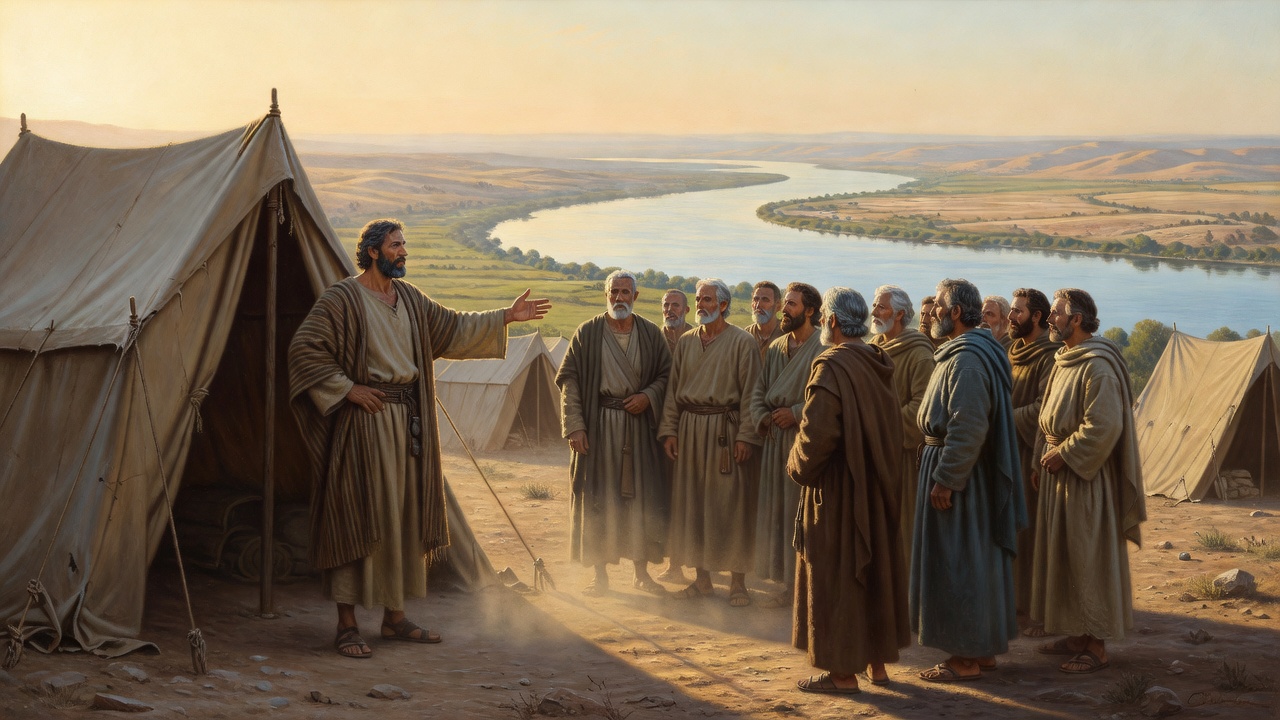
10Ɔ̃ Yozuee ò Isaili dↄaanaↄnɛ à mɛ̀: 11À bòo kɛɛlɛ, í o gbɛ̃́ↄnɛ aa kũ̀sũa sↄukɛ, asa gↄↄ àaↄ̃ gbɛa aa bua Yuudɛ̃wa la, aai gɛ́ bùsu pↄ́ Dii ń Lua kpàmá aaↄ vĩ síi. 12Yozuee ò Lubɛni buiↄnɛ ń Gada buiↄ ń Manase buiↄ lɛɛ doo à mɛ̀: 13À to yã́ pↄ́ Dii zↄ̀blena Mↄizi dìlɛɛ́ɛ bee dↄágu, à mɛ̀ Dii á Lua a to à kã́mabokĩi e, à bùsuɛ bee kpàwáɛ. 14Ayãmɛto á nↄɛↄ ń á nɛ́fɛ̃nɛnaↄ ń á pↄtuoↄ gↄ̃ bùsu pↄ́ Mↄizi kpàwáu Yuudɛ̃ baala, á zĩgↄ̃ↄ i dↄaa bua á gbɛ̃́ↄnɛ ḿpii, aaiↄ ń gↄ̃kɛbↄↄ kũa, aai dↄńlɛ́ 15e Dii àↄ tó á gbɛ̃́ↄ kã́mabokĩi e lá a kɛ̀ɛ́wa, ampiↄ sↄ̃ aai gↄ̃ bùsu pↄ́ Dii á Lua lɛ́ kpámá vĩ. Bee gbɛa í su bùsu pↄ́ gↄ̃̀ á pↄ́ ũɛ beeu, í zↄ̃lɛ bùsu pↄ́ Dii zↄ̀blena Mↄizi kpàwá Yuudɛ̃ baala gukpɛ oipiu. 16Ɔ̃ aa wèwà aa mɛ̀: Yã́ pↄ́ ń dìlɛwɛ̃ɛ píi wá kɛɛ. Gu pↄ́ n wá zĩ́u píi wá gɛɛ. 17Lá wa zĩkɛ̀ Mↄizi yã́wa píi, màa wá zĩkɛ n yã́wa lↄ. Dii n Lua aàↄ kunnↄ, lá a kú ń Mↄiziowaɛ. 18Gbɛ̃́ pↄ́ bↄ̀ n yã́ kpɛ à gì yã́ pↄ́ ń dìlɛɛ kɛi, à gàɛ. Sↄ̃dilɛ, níↄ wↄ́ↄ vĩ lé!
Did you know?
Joshua Assumes Leadership
- Joshua, the son of Nun from the tribe of Ephraim, served as Moses' assistant and military commander before being commissioned to succeed him as leader of Israel. His name means "Jehovah is his help" or "Jehovah the Saviour."Sources: Joshua · the Bible text itself
- The territory outlined in God's commission to Joshua stretches from the southern wilderness and the Lebanon mountain range in the north to the Euphrates (called "the great river") in the east and the Mediterranean ("the Great Sea") to the west.Sources: the Bible text itself · Lebanon · Euphrates · Great Sea
- The tribes of Reuben, Gad, and the half-tribe of Manasseh had already received territory east of the Jordan River under Moses. However, their armed warriors were required to cross over ahead of the other tribes to assist them until the entire land was secured.Sources: the Bible text itself · Manasseh (son of Joseph)
Notes written with AI assistance from open sources (Theographic Bible Metadata, CC BY-SA 4.0; Easton’s Bible Dictionary, public domain) and reviewed before publishing.
Places in this chapter
- Jordan · Today: Jordan River · 31.761, 35.558 · verses 2, 11, 14, 15
- Euphrates · Today: Euphrates River · 31.004, 47.442 · verse 4
- Great Sea · Today: Mediterranean Sea · 31.805, 34.170 · verse 4
- Lebanon · 33.540, 35.584 · verse 4
- Negeb · 31.245, 34.841 · verse 4
- Syria · Today: Aram · 33.511, 36.306 · verse 4
Only places identified with high confidence are shown (90% or more according to the scholarly sources compiled by OpenBible). Period map: DARE (Digital Atlas of the Roman Empire), CC BY 4.0; modern map: © OpenStreetMap contributors; places: OpenBible.info (CC BY 4.0).
Credits and license for this translation
Bibeli Luayãtaalá
The Holy Bible in the Boko language spoken in Benin and Nigeria
copyright © 2010 SIM International
Language: Boko
Translation by: SIM International
Boko Bibeli Luayãtaala
This translation, published by the SIM au Benin, was published in 2010.
If you are interested in obtaining a printed copy, please contact the SIM at ECWA/SIM H.Q., P.M.B. 2009, Jos, Plateau State, NIGERIA.
This translation text is made available to you under the
terms of the Creative Commons License: Attribution-Noncommercial-No Derivative Works.
( http://creativecommons.org/licenses/by-nc-nd/3.0/ )
In addition, you have permission to port the text to different file formats, as long as you
do not change any of the text or punctuation of the Bible.
You may share, copy, distribute, transmit, and extract portions
or quotations from this work, provided that you include the above copyright
information:
You must give Attribution to the work.
You do not sell this work for a profit.
You do not make any derivative works that change any of the actual words or punctuation of the Scriptures.
Permissions beyond the scope of this license may be
available if you contact
us with your request.
This translation is made available to you under the terms of the
Creative Commons Attribution-Noncommercial-No Derivatives license 4.0.
You may share and redistribute this Bible translation or extracts from it in any format, provided that:
You include the above copyright and source information.
You do not sell this work for a profit.
You do not change any of the words or punctuation of the Scriptures.
Pictures included with Scriptures and other documents on this site are licensed just for use with those Scriptures and documents.
For other uses, please contact the respective copyright owners.
2014-09-25
Source: http://ebible.org/bqcsim/ · eBible.org