Job 18
Bibeli Luayãtaalá · Tap a verse to see its cross-references.
Bai ì vãikɛna kṹ
1Ɔ̃ Sua gbɛ̃́ Bilidada yã́zãsìwà à mɛ̀:
2Ńyↄ̃ n yã́ midɛ bↄɛ ni?
Su n laaiwa, wí gbasa faaibo.
3Bↄ́yãi ńlɛ wá gwa lán pↄtuoↄwai?
N wá dílɛ sↄũↄ ũ yã̀?
4N gbɛ̃́ pↄ́ ni to n pↄfɛ̃ nzĩa taitaiɛ,
dṹnia a gↄ̃ bɛzia ũ n yã́i nɛe?
Gbɛsi a sↄ̃ n yã́ musu nɛe?
5Gbɛ̃vãi gupua ì láa,
aà tɛ́vua ì midɛ.
6Aà kpɛ́ gupua ì li gusia ũ,
filia pↄ́ kú aà saɛ ì ga.
7Aà táa'oa ń sↄ̃o dilɛa ì gↄ̃ sea tá ũ,
aà yã́zɛkalɛa ì aà fuangba.
8Aà tá ì aà kpa baia,
aà gbá ì si balɛtãu.
9Mↄ ì aà kũ a kɛ̀sɛwoũ lɛ́u,
baipi ì kúlɛwà búlu.
10Ba kpaa aà aɛ tↄↄlɛu,
kúsɛ lɛ́ aà dã a táa'ozɛu.
11Kìsia ì koezↄ̃aàzi,
àlɛ aà gbɛsɛlɛ.
12Nↄana ì aà gbãa kↄ'ɛ,
músi ìↄ aà kpaa gua dã́.
13Ì aà mɛ̀ gueↄ ble,
gagyã ì aà mɛguↄ yↄ́.
14Wì aà ga wà bↄ kpɛ́ pↄ́ a kuu aafiau,
wì aà gálɛ gɛò pↄ́ pↄ́ ì to vĩa ń kṹↄ mideɛ.
15Aà kpɛ́ gↄ̃̀ gii,
ĩatɛ̃gbↄ̃ lì aà uaa.
16Aà zĩ́naↄ i giigaga tíu,
aà gↄ̃naↄ i imi musu.
17Aà yã́ i sã́ńgu dṹniau,
aà tↄ́ i midɛ tↄↄlɛ.
18Wi aà ya gupuau wà aà kpa gusiau,
wi ↄzↄ̃aàzi aà ã́nuato.
19A nɛ́ ge buie to a gbɛ̃́ↄ guuo,
aà bɛ gbɛ̃e a bↄo.
20Yã́ pↄ́ aà lè dì bɛ'aɛdeↄwa,
gukpɛdeↄ kãsì aà yã́ musu.
21Yã́ pↄ́ ì faasaide ua len we,
luadↄ̃nsai gwean we.
Did you know?
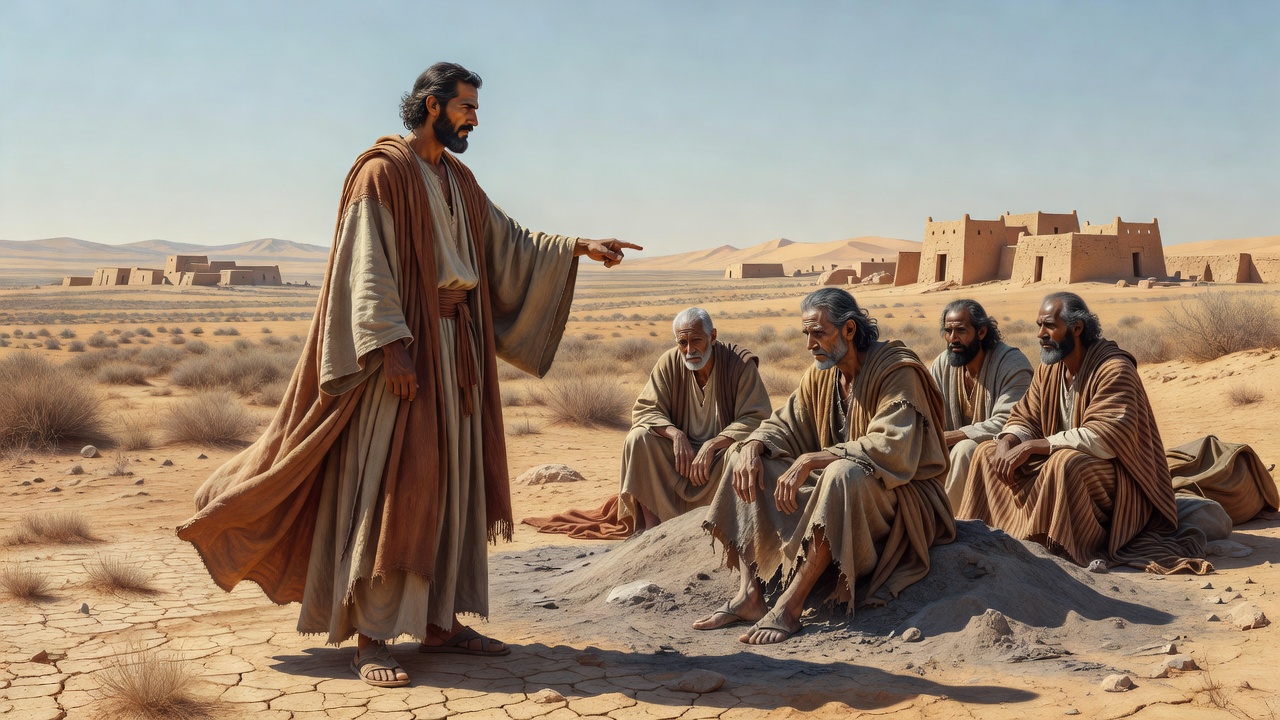
Bildad's Second Speech on the Fate of the Wicked
- Bildad is identified as a Shuhite, a designation traditionally linked to Shuah, a region in Arabia associated with the descendants of Abraham and Keturah. In this second speech to Job, Bildad maintains a stern and severe tone as he rebukes Job and insists on the certain doom of the ungodly.Sources: Bildad · the Bible text itself
- To describe the destruction awaiting the wicked, Bildad draws heavily on ancient hunting imagery. He depicts their downfall through metaphors of hidden nooses, concealed ground snares, and sweeping nets that trap the wanderer.Sources: the Bible text itself
Notes written with AI assistance from open sources (Theographic Bible Metadata, CC BY-SA 4.0; Easton’s Bible Dictionary, public domain) and reviewed before publishing.
Credits and license for this translation
Bibeli Luayãtaalá
The Holy Bible in the Boko language spoken in Benin and Nigeria
copyright © 2010 SIM International
Language: Boko
Translation by: SIM International
Boko Bibeli Luayãtaala
This translation, published by the SIM au Benin, was published in 2010.
If you are interested in obtaining a printed copy, please contact the SIM at ECWA/SIM H.Q., P.M.B. 2009, Jos, Plateau State, NIGERIA.
This translation text is made available to you under the
terms of the Creative Commons License: Attribution-Noncommercial-No Derivative Works.
( http://creativecommons.org/licenses/by-nc-nd/3.0/ )
In addition, you have permission to port the text to different file formats, as long as you
do not change any of the text or punctuation of the Bible.
You may share, copy, distribute, transmit, and extract portions
or quotations from this work, provided that you include the above copyright
information:
You must give Attribution to the work.
You do not sell this work for a profit.
You do not make any derivative works that change any of the actual words or punctuation of the Scriptures.
Permissions beyond the scope of this license may be
available if you contact
us with your request.
This translation is made available to you under the terms of the
Creative Commons Attribution-Noncommercial-No Derivatives license 4.0.
You may share and redistribute this Bible translation or extracts from it in any format, provided that:
You include the above copyright and source information.
You do not sell this work for a profit.
You do not change any of the words or punctuation of the Scriptures.
Pictures included with Scriptures and other documents on this site are licensed just for use with those Scriptures and documents.
For other uses, please contact the respective copyright owners.
2014-09-25
Source: http://ebible.org/bqcsim/ · eBible.org