Isaiah 8
Bibeli Luayãtaalá · Tap a verse to see its cross-references.
Pↄ́ↄnaaagↄ̃ↄ Pↄ́ↄsɛlɛkpakpa
1Dii òmɛɛ mà taala kooa zↄ̃ↄ sɛ mà yã́ɛ bee kɛ̃wà: Pↄ́ↄnaaagↄ̃ↄ Pↄ́ↄsɛlɛkpakpa. 2Ma sa'ona Ulia ń Bɛlɛkia nɛ́ Zakalio sìsi aaↄ dɛmɛɛ yã́pi seeladeↄ ũ. 3Kɛ́ ma wulɛ ń ma nↄ ãnabio, à nↄsì à nɛ'ì gↄ̃ɛ ũ. Ɔ̃ Dii òmɛɛ mà tↄ́kpaɛ̀ Pↄ́ↄnaaagↄ̃ↄ Pↄ́ↄsɛlɛkpakpa. 4E àↄ gɛ́ Naa ń Baao oi dↄ̃, Asiliↄ kía a Damasideↄ àizɛɛↄ naaa, a Samalideↄ pↄ́ↄ sɛ́lɛ. 5Dii òmɛɛ lↄ à mɛ̀:
6Gbɛ̃́ɛ beeↄ sakà Siloe í pↄ́ lɛ́ bàalɛ busɛbusɛgu,
ↄ̃ aa zɛ̀ ń Lezinio ń Lemalia nɛ́o.
7A yã́i tò má ń pá ń Uflata í zↄ̃ↄ pↄ́ a sĩ̀sĩ sɛ à daguao,
ↄ̃mɛ Asiliↄ kía ń a gbɛ̃́ gbiaↄ ũ.
8A pa gɛ̃ Yuda bùsuzi,
i dagua, i bùsupi kũ a nↄɛ.
Ípi yàasa lɛ́ da ń bùsua píi, Ɛmanuɛli.
9Buipãleↄ, à zĩ̀ sↄukɛ, wi á wíwi.
Bùsuzãzãdeↄ, à swã́kpa!
À gↄ̃kɛbↄↄ sɛ́lɛ, wi á wíwi,
À gↄ̃kɛbↄↄ sɛ́lɛ, wi á wíwi.
10Baa tó a lɛkpàaĩ, pãɛ.
Baa tó a yãdìlɛ ń kↄ̃o, a kɛo,
asa Lua kúwanↄɛ.
Vĩakɛa Luaɛ
11Dii a ↄ gbãa nàa à yã'òmɛɛ, à lɛdàa à mɛ̀ másu gbɛ̃́piↄ kɛa kɛo. À mɛ̀:
12Yã́ pↄ́ aalɛ gwa lɛkpaaĩnzi yã́ ũ,
ńsu dilɛ màao.
Yã́ pↄ́ aalɛ vĩakɛɛ̀, ńsu kɛɛ̀o.
Ńsu to iwãa ka n pↄao.
13Ǹyↄ̃ Dii Zĩgↄ̃de yãma ado,
ↄ̃mɛ kũ̀ ǹ vĩakɛɛ̀.
Aà yã́ mɛ́ dɛ à iwãa ka n pↄa.
14Ɔ̃mɛ aↄ dɛ n ulɛkĩi ũ,
mɛ́ aↄ dɛ Isaili lɛɛ plaↄnɛ
gbɛ pↄ́ ì to wà gɛ̃mbↄlɛwà ũ,
gbɛsi pↄ́ ì to aa fu ũ.
Aↄ dɛ Yelusalɛũdeↄnɛ bai ũ.
15An daside a gɛ̃mbↄlɛwà,
aa fu, aai kɛ kɛ́lɛkɛlɛ.
Aa si baipiu, i ń kṹ.
16Má pↄ́ fĩ yã́pi taalawa seela ũ,
má kã́n'ↄ lɛ́ yãdanɛpiwa ma ìwaↄnɛ.
17Ma wɛ́ dↄ Dii pↄ́ mikpɛdↄ̀ Yakↄbu buiↄnɛzi,
má aà náai vĩ.
18Má kɛ́, ń nɛ́ pↄ́ Dii kpàaↄ. Wá dɛ Isailiↄnɛ àsi pↄ́ Dii Zĩgↄ̃de pↄ́ kú Siↄna gbɛ musu ò seela ũ.
19Tó wa òɛ́ à gɛ́ wɛlɛnde ge gɛ̀sisina pↄ́ aaìↄ yã'o ń kòlou hũuↄ kĩ́i, yãgbɛaa á Luawa mɛ́ maao lò? Wì gbɛ̃́ bɛ̃́ɛ àsi gbɛa gɛↄwa yã̀? 20À gɛ Lua ikoyãdanɛ gwa. Tó an yã́ i kpaaĩòo, gu i dↄnɛ́ yãao.
21Aa bã̀abãabo ń bùsuu, nↄana a ń dɛ, aa kɛ wɛ̃na. Tó an yɛ̃̀ɛɛ làa, an pↄ a pa, aai ń kía ń ń diio ká. Aa musu gwa, 22aa zĩ́lɛ gwa, yã'ↄ̃ma mɛ́ a ń le. Aaↄ ku gusia ń pↄsia zↄ̃ↄo guu, aai gↄ̃ gusia níiniiu. 23Ãma gbɛ̃́ pↄ́ kú yã'ↄ̃maupiↄ aaↄ ku gusiapiu gↄↄpiio. Wà Zabulↄni buiↄ ń Nɛfatali buiↄ bùsu kpɛbↄ̀ yãa, ãma wa Galile bùsu pↄ́ buipãleↄ kuu kpɛla zia za ísialɛu e à gɛ pɛ Yuudɛ̃ baawa.
Did you know?
The Impending Flood and the Trustworthy Sign
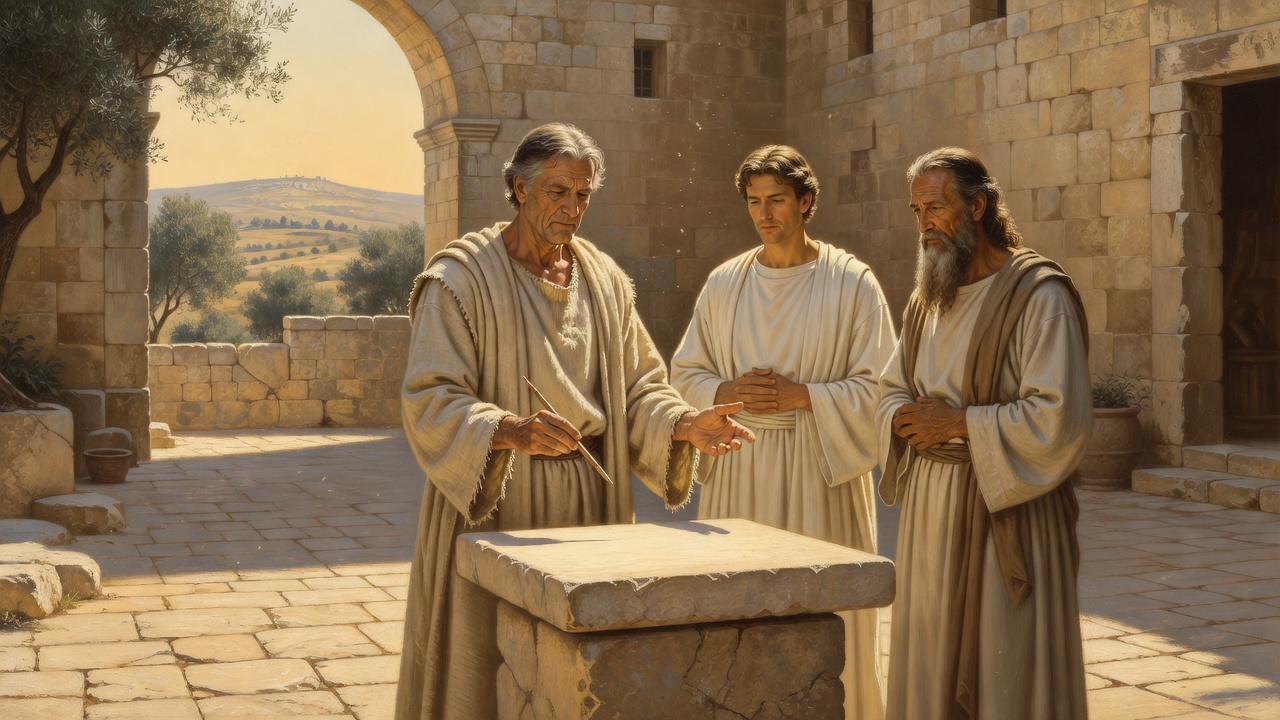
- The name Maher-shalal-hash-baz means "plunder speedeth; spoil hasteth." Isaiah was instructed to record this name publicly before reliable witnesses—Uriah the priest and Zechariah—and then give it to his newborn son, signifying that Damascus and Samaria would soon be plundered by the king of Assyria.Sources: the Bible text itself · Maher-shalal-hash-baz · Urijah
- The passage contrasts the gently flowing waters of Shiloah in Jerusalem with the raging floodwaters of the Euphrates River. Because the people rejected calm trust, the imagery depicts the invading king of Assyria sweeping across the land like a catastrophic deluge reaching up to the neck.Sources: the Bible text itself · Shiloah · River · Assyria
- Isaiah presents himself and his children as living signs and symbols given by the Lord to Israel. In a time of national crisis, he warns the people not to consult mediums and spiritists who whisper and mutter, insisting that they must seek God and His testimony instead.Sources: the Bible text itself
Notes written with AI assistance from open sources (Theographic Bible Metadata, CC BY-SA 4.0; Easton’s Bible Dictionary, public domain) and reviewed before publishing.
Places in this chapter
- Assyria · 36.359, 43.153 · verses 4, 7
- Damascus · 33.511, 36.306 · verse 4
- Samaria · 32.276, 35.195 · verse 4
- Shiloah · Today: Pool of Siloam · 31.771, 35.235 · verse 6
- Euphrates · Today: Euphrates River · 31.004, 47.442 · verse 7
- Jerusalem · 31.777, 35.234 · verse 14
- Mount Zion · 31.772, 35.229 · verse 18
Only places identified with high confidence are shown (90% or more according to the scholarly sources compiled by OpenBible). Period map: DARE (Digital Atlas of the Roman Empire), CC BY 4.0; modern map: © OpenStreetMap contributors; places: OpenBible.info (CC BY 4.0).
Credits and license for this translation
Bibeli Luayãtaalá
The Holy Bible in the Boko language spoken in Benin and Nigeria
copyright © 2010 SIM International
Language: Boko
Translation by: SIM International
Boko Bibeli Luayãtaala
This translation, published by the SIM au Benin, was published in 2010.
If you are interested in obtaining a printed copy, please contact the SIM at ECWA/SIM H.Q., P.M.B. 2009, Jos, Plateau State, NIGERIA.
This translation text is made available to you under the
terms of the Creative Commons License: Attribution-Noncommercial-No Derivative Works.
( http://creativecommons.org/licenses/by-nc-nd/3.0/ )
In addition, you have permission to port the text to different file formats, as long as you
do not change any of the text or punctuation of the Bible.
You may share, copy, distribute, transmit, and extract portions
or quotations from this work, provided that you include the above copyright
information:
You must give Attribution to the work.
You do not sell this work for a profit.
You do not make any derivative works that change any of the actual words or punctuation of the Scriptures.
Permissions beyond the scope of this license may be
available if you contact
us with your request.
This translation is made available to you under the terms of the
Creative Commons Attribution-Noncommercial-No Derivatives license 4.0.
You may share and redistribute this Bible translation or extracts from it in any format, provided that:
You include the above copyright and source information.
You do not sell this work for a profit.
You do not change any of the words or punctuation of the Scriptures.
Pictures included with Scriptures and other documents on this site are licensed just for use with those Scriptures and documents.
For other uses, please contact the respective copyright owners.
2014-09-25
Source: http://ebible.org/bqcsim/ · eBible.org